Climate Change in US: Practical Adaptation Steps

The reality of a changing climate is no longer a distant threat but a present challenge, fundamentally reshaping how we live, work, and plan for the future.
In the United States, we are witnessing firsthand how climate change is affecting daily life in the US: practical steps for adaptation are becoming not just advisable, but essential. From unprecedented heatwaves to more destructive storms, understanding these impacts and embracing proactive solutions is key to building resilient communities.
Understanding the Broad Spectrum of Climate Impacts
Climate change manifests in myriad ways across the diverse regions of the United States, each presenting unique challenges to daily life.
It’s not just about rising global temperatures; it’s about how those temperatures translate into tangible, local shifts that affect everything from agriculture to infrastructure and personal well-being.
From the parched landscapes of the Southwest to the increasingly soggy coastlines, the footprint of climate change is undeniable. These shifts demand a comprehensive understanding to inform effective adaptation strategies.
Extreme Weather Events: A New Normal
One of the most visible impacts of climate change is the increasing frequency and intensity of extreme weather events. What once were rare occurrences are now becoming alarmingly common, forcing communities to constantly react and rebuild.
Heatwaves: Record-breaking temperatures are becoming more frequent, leading to increased health risks, higher energy consumption for cooling, and strain on power grids.
Wildfires: Drier conditions and prolonged heat contribute to more intense and widespread wildfires, especially in the Western states, affecting air quality and displacing thousands.
Hurricanes and Storms: Warmer ocean waters fuel stronger hurricanes, bringing devastating winds, storm surges, and inland flooding to coastal regions, disrupting lives and causing billions in damages.
Resource Scarcity and Shifting Ecosystems
Beyond immediate weather events, climate change is subtly yet profoundly altering the availability of vital resources and transforming natural ecosystems. These changes have ripple effects on industries, local economies, and even our food supply.
Water resources, in particular, are under immense pressure. Snowpacks are diminishing, leading to reduced water flow in rivers and reservoirs crucial for drinking water, irrigation, and hydropower. This scarcity can pit various water users against each other and necessitate difficult policy choices.
Overall, recognizing the vast and varied impacts of climate change is the first critical step toward building resilience. Each region faces its own set of challenges, requiring tailored and thoughtful adaptation measures to protect daily life.
Protecting Homes and Infrastructure from Climate Threats
As climate impacts intensify, the resilience of our homes and public infrastructure becomes paramount. Adapting to these changes means rethinking how we build, maintain, and protect the physical structures that underpin our daily lives. This goes beyond simple repairs, moving towards anticipatory and preventative measures.
Investing in robust infrastructure and resilient housing can mitigate the financial and emotional toll of climate-related disasters. It’s about building smarter, not just stronger, to withstand the challenges ahead.
Building for Resilience: Home Adaptation Strategies
Homeowners and communities can take specific actions to fortify properties against extreme weather. These adaptations can significantly reduce damage and increase safety.
Flood Protection: Elevating utilities, installing sump pumps, and using flood-resistant materials can protect homes in flood-prone areas.
Fire Hardening: Creating defensible spaces around homes, using fire-resistant roofing and siding, and sealing exterior vents can reduce wildfire risks.
Wind Resistance: Reinforcing roofs, impact-resistant windows, and proper anchoring can help homes withstand strong winds from hurricanes and tornadoes.
Beyond individual homes, community-level infrastructure also requires significant upgrades. Roads, bridges, power grids, and water treatment facilities were often built based on historical climate data that no longer accurately predicts future conditions. Adapting these systems is a massive, but necessary, undertaking.
Investing in Resilient Public Infrastructure
Government agencies and local municipalities are increasingly recognizing the need to future-proof public assets. This involves not only repairing damage but redesigning systems with a changing climate in mind.
For example, coastal communities are exploring options like natural infrastructure – such as restoring wetlands and oyster reefs – to provide natural buffers against storm surge and sea-level rise, often proving more effective and sustainable than engineered solutions like seawalls.
Similarly, upgrading electrical grids to be more distributed and less centralized can reduce the impact of localized outages during extreme weather events.

Ultimately, protecting homes and infrastructure from climate threats requires a multi-faceted approach, combining individual homeowner actions with large-scale public investment and innovative engineering. These efforts are crucial for maintaining stability and functionality in a changing environment.
Adapting to Changes in Food and Water Systems
The foundations of our daily sustenance—food and water—are profoundly vulnerable to climate change. Altered precipitation patterns, increased temperatures, and more frequent extreme weather events directly impact agricultural yields and water availability, necessitating significant shifts in how we manage these critical resources.
Ensuring food security and reliable access to clean water in a changing climate requires innovation, careful planning, and a willingness to embrace new practices across the entire supply chain, from farm to faucet.
Innovations in Agriculture and Food Production
Farmers across the US are on the front lines of climate change, experiencing firsthand the challenges of unpredictable seasons and new pest pressures. Adaptation in agriculture is vital for maintaining productivity and ensuring a stable food supply.
Drought-Resistant Crops: Developing and planting crop varieties that can withstand prolonged dry periods is crucial in regions facing increased water scarcity.
Precision Agriculture: Utilizing technology like sensors and drones to optimize irrigation, fertilization, and pest control, reducing waste and increasing efficiency.
Diversified Farming: Shifting towards a greater variety of crops and livestock, and integrating practices like agroforestry, can enhance farm resilience against specific climate impacts.
Beyond the farm, consumers also play a role. Supporting local food systems, reducing food waste, and understanding the carbon footprint of our dietary choices can contribute to a more sustainable food future. This collective effort strengthens the entire food system against climate shocks.
Securing Our Water Future
Water management strategies must evolve to meet the challenges of changing precipitation and increased demand. Many regions are already experiencing severe water stress, making proactive adaptation essential.
Water conservation is a cornerstone of adaptation. This includes improving municipal water infrastructure to reduce leaks, implementing water-efficient landscaping requirements, and promoting household water-saving practices. Additionally, exploring alternative water sources, such as advanced wastewater treatment for potable reuse and desalination in coastal areas, is becoming increasingly important.
Furthermore, watershed management, which involves protecting and restoring natural landscapes that filter and store water, is a cost-effective way to enhance water quality and quantity. These integrated approaches are vital for ensuring a secure water future for all communities.
Protecting Public Health and Well-being
Climate change poses significant and diverse threats to public health and overall community well-being. From respiratory illnesses exacerbated by poor air quality to the spread of vector-borne diseases, the health impacts are far-reaching and often disproportionately affect vulnerable populations. Addressing these health challenges is a critical component of climate adaptation.
A proactive public health approach involves not only treating illnesses but also implementing preventative measures and building resilient health systems capable of responding to climate-related crises.
Addressing Direct Health Risks
The direct health consequences of a changing climate are becoming increasingly evident. Understanding these risks is the first step toward developing targeted interventions.
Heat-Related Illnesses: Prolonged exposure to extreme heat can lead to heat stroke, exhaustion, and exacerbate existing cardiovascular and respiratory conditions. Public health campaigns and cooling centers are crucial.
Respiratory Issues: Increased wildfires and ground-level ozone contribute to poor air quality, aggravating asthma and other respiratory diseases. Early warning systems and air quality alerts are vital.
Vector-Borne Diseases: Warmer temperatures and altered rainfall patterns can expand the geographic range and seasonality of disease carriers like mosquitoes and ticks, leading to increased cases of West Nile virus, Lyme disease, and others.
Beyond these immediate threats, mental health impacts are also a growing concern. The stress of experiencing extreme weather events, displacement, and economic instability can take a heavy toll on individuals and communities, highlighting the need for robust mental health support systems.
Building Resilient Health Systems
Adapting healthcare infrastructure and public health programs to better cope with climate change is essential. This involves strengthening emergency response, enhancing surveillance, and ensuring equitable access to care.
Hospitals and clinics need to be designed and retrofitted to withstand extreme weather, ensuring they can remain operational during emergencies.
Furthermore, public health departments must enhance their surveillance systems to track climate-sensitive diseases and develop rapid response protocols.
Community-based health initiatives that educate residents about climate risks and provide resources for preparedness are also critical, particularly for elderly populations, young children, and those with chronic health conditions who are often most vulnerable.
Community-Led Adaptation and Preparedness
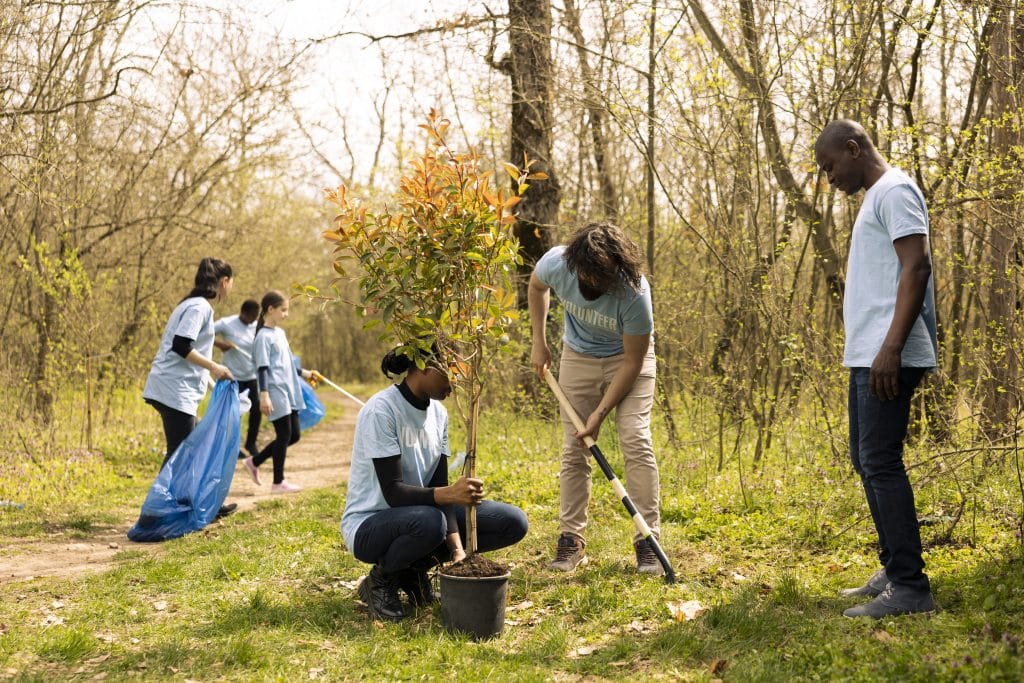
While individual actions and governmental policies are vital, effective climate adaptation often hinges on strong, organized community efforts.
Local communities are uniquely positioned to understand their specific vulnerabilities and to develop tailored solutions that resonate with residents. Empowering and engaging community members in preparedness and resilience planning fosters a sense of collective responsibility and action.
Community-led initiatives not only build physical resilience but also strengthen social cohesion, which is invaluable during times of crisis and recovery.
The Power of Local Initiatives
Grassroots efforts and neighborhood-level planning can be incredibly effective in translating broad adaptation goals into tangible local actions. These initiatives often leverage local knowledge and resources, leading to more sustainable outcomes.
For example, neighborhood watch groups can expand their scope to include disaster preparedness, organizing communication trees, and identifying vulnerable residents who might need extra assistance during an emergency.
Community gardens can be designed to withstand local climate conditions, providing a source of food and a gathering place. Local environmental groups can lead efforts in reforestation or wetland restoration, which offer natural protections against flooding and heat.
Developing Comprehensive Emergency Plans
A cornerstone of community resilience is having a well-articulated and practiced emergency plan. This plan should encompass various climate-related scenarios and involve input from a wide range of stakeholders.
Emergency plans should detail evacuation routes, designated shelters, communication strategies, and resource allocation. Regular drills and public awareness campaigns are essential to ensure that residents know what to do when a crisis strikes.
Furthermore, these plans should specifically address the needs of diverse populations, including those with disabilities, limited English proficiency, and economic disadvantages, to ensure equitable access to safety and resources.

By fostering strong community leadership and collaborative planning, local areas can significantly enhance their capacity to adapt to climate change, ensuring that daily life can continue with minimal disruption even in the face of environmental challenges.
Economic Shifts and Opportunities in a Changing Climate
Climate change is not just an environmental and social issue; it’s also a profound economic driver, creating both significant challenges and new opportunities.
Industries are grappling with supply chain disruptions, increased operational costs, and regulatory shifts, while simultaneously, a burgeoning green economy is emerging, offering new jobs and investment avenues. Understanding these economic dynamics is crucial for businesses, policymakers, and individuals alike.
Navigating these shifts requires foresight, innovation, and a willingness to invest in sustainable practices that can future-proof economies against climate impacts.
Challenges to Traditional Industries
Many established sectors face considerable headwinds from climate change. Agriculture, tourism, and real estate, particularly in vulnerable coastal or drought-prone regions, are experiencing direct financial losses and increased uncertainty.
Agriculture: Crop failures due to extreme weather, water scarcity, and new pest outbreaks lead to reduced yields and higher food prices.
Tourism: Coastal erosion, diminished snowpacks, and extreme heat events can deter tourists, impacting local economies heavily reliant on these attractions.
Insurance: The increasing frequency and severity of natural disasters are driving up insurance premiums and, in some cases, leading insurers to withdraw from high-risk areas.
These challenges necessitate that traditional industries innovate and adapt their business models, often by adopting climate-resilient practices and exploring new markets or services. Government support and incentives can play a critical role in facilitating these transitions.
Growth of the Green Economy
Conversely, the imperative to address climate change is fueling the rapid growth of a green economy. This sector encompasses a wide range of industries focused on sustainability, renewable energy, and climate-friendly technologies, creating new jobs and investment opportunities.
Investments in renewable energy sources like solar and wind power are skyrocketing, creating jobs in manufacturing, installation, and maintenance.
The development of energy-efficient building materials, electric vehicles, and carbon capture technologies represents other significant growth areas.
Furthermore, the demand for climate adaptation services—from resilient infrastructure engineering to climate risk assessment—is also expanding rapidly. This shift towards a green economy presents a pathway for economic growth that is aligned with environmental sustainability, offering a positive outlook amidst the challenges.
Individual Actions for Daily Climate Adaptation
While large-scale policies and community efforts are essential, individual actions collectively form a powerful force in climate adaptation.
Many practical steps can be integrated into daily life, empowering individuals to contribute to resilience and reduce their personal environmental footprint. These small changes, when adopted widely, can lead to significant cumulative impacts.
Empowering ourselves with knowledge and making conscious choices in our daily routines can make a tangible difference in building a more resilient future.
Making Your Home More Sustainable
Your home is a primary place where daily adaptation can begin. Simple changes in energy consumption, water use, and waste management can have a substantial positive effect.
Energy Efficiency: Upgrading to energy-efficient appliances, sealing drafts, improving insulation, and using smart thermostats can significantly reduce energy consumption and utility bills.
Water Conservation: Installing low-flow fixtures, fixing leaks promptly, and practicing water-wise landscaping can save precious water resources, especially in drought-prone areas.
Waste Reduction: Embracing the principles of reduce, reuse, and recycle, and composting organic waste, lessens landfill burden and conserves resources.
Consider also exploring renewable energy options for your home, such as installing solar panels, which can reduce your reliance on fossil fuels and provide energy independence.
Conscious Consumer Choices and Advocacy
Beyond the home, daily choices as consumers and citizens can drive broader change. Every purchase, every conversation, and every vote holds the potential to influence climate action.
Supporting businesses that prioritize sustainability and ethical practices sends a clear market signal. Researching the environmental impact of products and choosing those with lower carbon footprints contributes to a more sustainable economy.
Furthermore, engaging in local civic processes, advocating for climate-friendly policies, and participating in community resilience discussions can amplify individual voices.
Educating friends and family about climate impacts and adaptation strategies also plays a vital role in fostering a collective understanding and commitment to action. These individual efforts, when combined, create a powerful movement towards a more adaptive and sustainable society.
| Key Adaptation Area | Brief Description |
|---|---|
| Home & Infrastructure | Fortifying buildings and public systems against extreme weather (e.g., flood protection, resilient construction). |
| Food & Water Systems | Adopting drought-resistant crops, precision agriculture, and water conservation methods. |
| Public Health & Well-being | Protecting against heat stress, air pollution, and vector-borne diseases; strengthening health systems. |
| Community & Individual Action | Engaging in local preparedness, sustainable living, and advocating for climate-friendly policies. |
Frequently Asked Questions About Climate Adaptation
The most immediate impacts include more intense heatwaves, increased frequency and severity of wildfires, stronger hurricanes and coastal flooding, and prolonged droughts affecting water supply. These events directly disrupt routines, threaten safety, and incur significant economic costs for individuals and communities.
Homeowners can adapt by implementing flood-resistant building techniques, creating defensible spaces against wildfires, reinforcing roofs and windows for wind protection, and improving insulation and energy efficiency to combat extreme temperatures. These measures enhance safety and reduce potential damage.
Community involvement is crucial for effective climate adaptation. Local initiatives, emergency preparedness planning, and mutual aid networks strengthen collective resilience. Communities can tailor solutions to specific local vulnerabilities, fostering a sense of shared responsibility and enabling more coordinated responses during crises.
Yes, investing in climate adaptation can yield significant economic benefits. It reduces disaster recovery costs, creates jobs in green industries (e.g., renewable energy, sustainable construction), and fosters innovation. Proactive adaptation can also protect existing economic assets and ensure long-term stability for businesses and communities.
Individuals can contribute by practicing energy and water conservation, reducing waste, making conscious consumer choices that support sustainable businesses, and engaging in local advocacy. Educating oneself and others about climate risks and participating in community preparedness efforts are also impactful individual actions.
Conclusion
The imperative to address how climate change is affecting daily life in the US: practical steps for adaptation is clearer than ever. From the individual choices we make in our homes to the large-scale infrastructure projects undertaken by governments, a multi-faceted approach is essential for building a resilient future.
Adapting to these new realities involves protecting our physical assets, securing our vital resources, safeguarding public health, and fostering strong, informed communities. While the challenges are substantial, the opportunities for innovation, economic growth, and strengthened social bonds through collective action are equally significant.
Embracing these practical steps for adaptation will not only mitigate the worst impacts of a changing climate but also pave the way for a more sustainable and secure daily life across the United States.