American Dream 2026: Homeownership, Trends, Affordability
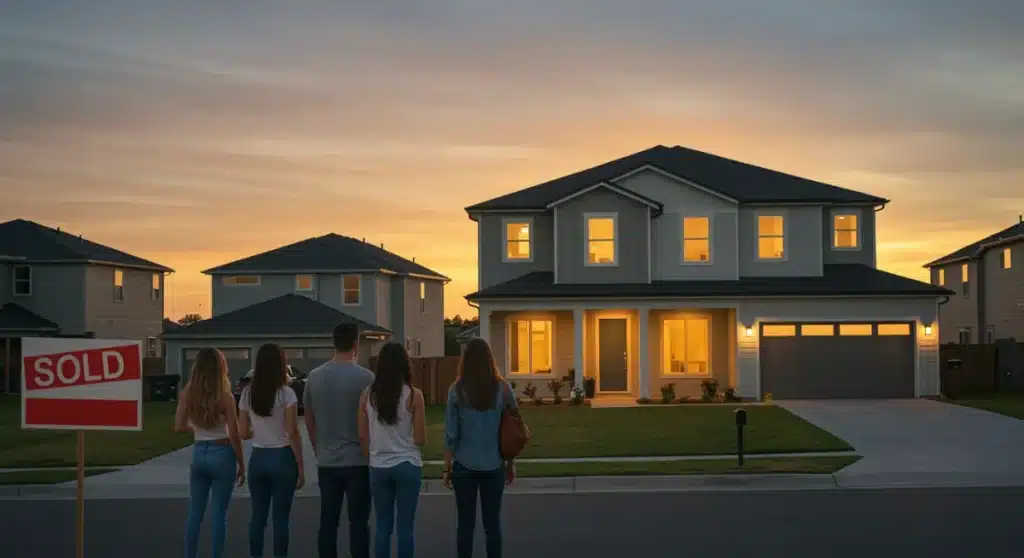
The American Dream Homeownership 2026 is increasingly defined by navigating complex affordability challenges, fluctuating market trends, and innovative financing solutions amidst evolving societal values and economic landscapes.
The concept of the American Dream has long been intertwined with owning a home, a tangible symbol of stability and prosperity. However, as we look towards 2026, the landscape of The American Dream in 2026: Homeownership Trends and Affordability Challenges is undergoing significant transformation. This article delves into the evolving dynamics shaping the housing market and what it means for aspiring homeowners across the United States.
The Evolving Definition of Homeownership in America
Homeownership, once a straightforward aspiration, has become a multi-faceted goal in contemporary America. The traditional image of a single-family home with a white picket fence, while still resonant for many, now competes with diverse housing preferences and economic realities.
The younger generations, in particular, are redefining what homeownership looks like, often prioritizing flexibility, sustainability, and proximity to urban centers over sheer size or traditional suburban layouts. This shift is not merely aesthetic; it reflects deeper economic and social changes that are reshaping the very fabric of American society.
The pursuit of a home is no longer solely about accumulating equity; it’s also about lifestyle, community, and personal values. For some, owning a small condo in a vibrant city might be the ultimate dream, while for others, a multi-generational home in a quiet town offers the desired comfort and security.
This diversification of desires means that the ‘dream home’ is less of a monolithic ideal and more of a personalized vision, influenced by individual circumstances and evolving priorities.
Generational Shifts and Housing Preferences
Each generation brings its unique set of values and economic realities to the housing market, profoundly influencing trends. Millennials and Gen Z, for instance, are entering the housing market with different financial constraints and environmental consciousness than their predecessors. This leads to distinct preferences:
Millennials: Often balancing student loan debt with a desire for family-friendly neighborhoods, many millennials prioritize affordability and access to good schools and amenities. They may also be more open to fixer-uppers or smaller homes to achieve ownership.
Gen Z: This generation is highly digitally native and environmentally aware. Their housing choices often reflect a preference for sustainable living, smart home technology, and walkable communities, even if it means smaller footprints.
Gen X and Baby Boomers: While some Baby Boomers are downsizing, many Gen Xers are still in their peak earning years and seeking larger homes or second properties. Their influence continues to shape demand for established neighborhoods and luxury markets.
These generational differences create a dynamic market where developers and policymakers must adapt to a broader spectrum of needs. Understanding these preferences is crucial for anyone trying to navigate the housing landscape of 2026.
Ultimately, the evolving definition of homeownership reflects a broader societal shift towards individualism and adaptability. The dream is still alive, but its manifestation is more varied and complex than ever before, requiring a nuanced understanding of economic factors and personal aspirations.
Economic Factors Driving Affordability Challenges
The affordability crisis in American housing is not a new phenomenon, but its intensity is projected to continue escalating into 2026, driven by a confluence of powerful economic forces. High inflation, rising interest rates, and a persistent shortage of housing inventory are creating a challenging environment for many aspiring homeowners.
These factors combine to push home prices beyond the reach of a significant portion of the population, fundamentally altering the path to homeownership.
Wage growth, while present, often lags behind the rapid appreciation of housing costs, leading to a widening gap in purchasing power. This disparity means that even individuals with stable employment and good credit scores may find themselves priced out of desirable markets.
The economic landscape post-pandemic has introduced new complexities, from supply chain disruptions affecting construction costs to shifts in remote work influencing demand in previously less expensive areas.
Inflation and Interest Rate Impact
Inflation directly impacts the cost of building materials, labor, and land, driving up the final price of new homes. Simultaneously, the Federal Reserve’s response to inflation often involves increasing interest rates, which directly affects mortgage costs.
Higher interest rates mean higher monthly payments, significantly reducing the amount of home a buyer can afford. This dual pressure creates a formidable barrier:
Increased Monthly Payments: Even a small increase in interest rates can add hundreds of dollars to a monthly mortgage payment, making it difficult for many to qualify or to manage the expense.
Reduced Purchasing Power: Buyers must either settle for smaller, less desirable homes or postpone their homeownership plans entirely as their budget shrinks relative to property values.
Impact on Savings: Inflation also erodes the value of savings, making it harder for prospective buyers to accumulate the necessary down payment and closing costs.
These financial headwinds require strategic planning and often necessitate compromises on location, size, or amenities for those determined to enter the housing market.
Housing Inventory Shortages
A chronic shortage of available homes for sale has been a significant driver of price increases. Decades of underbuilding, coupled with increasing demand, have created an imbalance that shows little sign of abating by 2026.
This scarcity affects both new constructions and existing homes, creating competitive bidding wars and further inflating prices. Builders face challenges such as:
Labor Shortages: A lack of skilled construction workers slows down development and increases labor costs.
Supply Chain Issues: Disruptions continue to affect the availability and cost of essential building materials.
Regulatory Hurdles: Zoning laws and lengthy permit processes in many areas can limit the density and speed of new construction.
The combination of these economic factors paints a challenging picture for aspiring homeowners. Addressing these issues will require a multi-faceted approach involving both market adjustments and policy interventions to foster a more equitable and accessible housing market.
Regional Disparities and Urban Migration
The United States is a vast country, and the housing market reflects significant regional disparities that will continue to shape homeownership trends in 2026. While some areas grapple with soaring prices and intense competition, others offer more affordable options, often drawing new residents seeking a better quality of life or lower cost of living.
This phenomenon of urban migration, driven by economic pressures and the rise of remote work, is reshaping demographic maps and housing demand across the nation.
Major metropolitan areas, particularly on the coasts and in burgeoning tech hubs, remain highly desirable but increasingly out of reach for many.
This pushes individuals and families to explore secondary cities and suburban or rural areas that offer a more attainable version of the American Dream. The shift isn’t just about price; it’s also about finding communities that align with evolving work-life balances and personal priorities.
Hot Markets vs. Emerging Affordability Zones
Certain regions consistently remain ‘hot markets’ due to strong job growth, cultural attractions, and limited developable land. Cities like San Francisco, New York, and parts of Southern California continue to command premium prices.
However, this has led to the rise of ‘emerging affordability zones’ – areas that were once overlooked but are now experiencing a boom in demand due to their relative affordability and improving infrastructure.
Hot Markets: Characterized by high median home prices, competitive bidding, and low inventory. These markets often attract high-income earners but present significant barriers to entry for first-time buyers.
Emerging Affordability Zones: Typically smaller cities or suburban areas offering more competitive pricing, lower property taxes, and a growing job market. Examples include some cities in the Midwest or southern states that are experiencing an influx of new residents.
Understanding these regional differences is crucial for anyone considering a home purchase, as location plays a paramount role in both initial affordability and long-term investment potential.
Impact of Remote Work on Housing Patterns

The widespread adoption of remote work, accelerated by recent global events, has profoundly impacted housing patterns. No longer tethered to a physical office, many individuals have gained the flexibility to live wherever they choose, leading to a redistribution of the population. This has several key implications for the housing market:
Decentralization of Demand: Demand is spreading from traditional urban centers to suburban and even rural areas, driving up prices in previously affordable locales.
Lifestyle Prioritization: Remote workers often prioritize larger homes, dedicated office spaces, and access to nature, influencing housing design and community development.
Increased Competition in Smaller Markets: The influx of buyers from more expensive areas can outprice local residents in smaller towns, creating new affordability challenges.
The ongoing evolution of remote work policies will continue to be a significant factor shaping where and how people choose to live, further exacerbating or alleviating regional housing pressures. Navigating these regional disparities requires informed decision-making and a willingness to explore new geographical possibilities.
Government Initiatives and Policy Responses
Recognizing the growing housing affordability crisis, both federal and state governments are exploring and implementing various initiatives to support aspiring homeowners. These policy responses aim to mitigate the economic pressures and structural issues that make homeownership increasingly difficult for many Americans.
From direct financial assistance to regulatory reforms, the goal is to create a more accessible and equitable housing market, particularly for first-time buyers and underserved communities. However, the effectiveness and reach of these programs can vary significantly, and their long-term impact remains a subject of ongoing debate and evaluation.
The challenge for policymakers is balancing market forces with social equity, ensuring that interventions do not inadvertently create new distortions or benefit only a select few.
A comprehensive approach often involves a mix of supply-side solutions to increase housing stock and demand-side assistance to help individuals overcome financial barriers. Understanding these initiatives is crucial for anyone looking to leverage available support in their homeownership journey.
First-Time Homebuyer Programs
Numerous programs exist at both federal and state levels designed to assist first-time homebuyers. These initiatives often address the most significant hurdles: down payments and closing costs. Such programs can include:
Down Payment Assistance (DPA): Grants or low-interest loans that help cover the initial lump sum required for a home purchase. These often come with specific eligibility criteria based on income and location.
Mortgage Credit Certificates (MCC): Allow homeowners to claim a tax credit for a portion of their mortgage interest paid each year, effectively reducing their federal income tax liability.
FHA Loans: Federal Housing Administration (FHA) loans offer lower down payment requirements and more lenient credit standards, making them popular among first-time buyers.
While these programs provide crucial support, potential buyers should thoroughly research eligibility requirements and compare options to find the best fit for their financial situation.
Zoning Reform and Supply Enhancement
A key structural issue contributing to the housing shortage is restrictive zoning laws, which often limit the density and type of housing that can be built. Progressive policy discussions increasingly focus on zoning reform as a way to increase housing supply and, theoretically, improve affordability. Initiatives include:
Ending Single-Family Zoning: Allowing for multi-family dwellings (duplexes, triplexes) in areas previously restricted to single-family homes to increase density.
Streamlining Permitting Processes: Reducing bureaucratic hurdles and speeding up the approval process for new construction.
Incentivizing Affordable Housing Development: Offering tax breaks or subsidies to developers who build affordable units or mixed-income communities.
These policy changes, though often met with local resistance, are seen by many as essential steps toward addressing the underlying supply-demand imbalance in the housing market.
The success of these government initiatives will largely determine the future accessibility of homeownership for many Americans in 2026 and beyond.
Technological Innovations in Real Estate
The real estate sector, traditionally slow to adopt radical change, is experiencing a rapid transformation driven by technological innovation. These advancements are not only streamlining processes but also creating new opportunities and challenges for buyers, sellers, and investors.
From artificial intelligence powering personalized property searches to blockchain enabling more secure transactions, technology is reshaping every aspect of the housing market.
By 2026, these innovations are expected to be even more deeply integrated, making the home buying and selling experience more efficient, transparent, and potentially more accessible for a wider range of consumers. Understanding these emerging technologies is key to navigating the future of homeownership.
The digital revolution in real estate also extends to how properties are financed, managed, and even designed. Smart home technologies are becoming standard, and virtual reality tours are enhancing the property viewing experience.
These tools not only reduce friction in transactions but also empower buyers with more information and control, fundamentally altering the traditional roles of real estate agents and lenders.
AI and Data Analytics for Smart Decisions
Artificial intelligence (AI) and advanced data analytics are revolutionizing how real estate decisions are made. These technologies can process vast amounts of data to provide insights that were previously impossible to obtain, benefiting both buyers and sellers:
Personalized Property Matching: AI algorithms can analyze a buyer’s preferences, financial situation, and lifestyle to suggest properties that are a much closer match than traditional search methods.
Predictive Market Trends: Data analytics can forecast neighborhood growth, property value appreciation, and rental yields, helping investors and homeowners make informed decisions.
Automated Appraisals: AI-powered tools can provide more accurate and faster property valuations, streamlining the lending process.
These smart tools empower consumers with better information, enabling them to make more strategic and confident decisions in a complex market.
Blockchain and PropTech Solutions

Blockchain technology, often associated with cryptocurrencies, is finding significant applications in the real estate (PropTech) sector. Its ability to create immutable and transparent records offers solutions to long-standing issues in property transactions:
Secure and Transparent Transactions: Blockchain can secure property titles and transaction records, reducing fraud and making transfers more transparent.
Fractional Ownership: It enables fractional ownership of properties, allowing smaller investors to participate in real estate without purchasing an entire asset, potentially lowering the barrier to entry.
Streamlined Due Diligence: Smart contracts on a blockchain can automate parts of the due diligence process, speeding up transactions and reducing legal costs.
These technological advancements are poised to make the real estate market more efficient, accessible, and secure. While integration is still ongoing, the potential for these innovations to democratize homeownership and enhance the overall experience is immense as we approach 2026.
The Role of Sustainable and Resilient Housing
As environmental concerns intensify, sustainable and resilient housing is reshaping homeownership in the American market—a trend set to accelerate by 2026. This shift in homeownership is driven by growing demand for eco-friendly living, rising energy costs, and the increasing frequency of extreme weather events.
Today, homeownership is no longer just about having a place to live. Buyers are prioritizing homes that are energy-efficient, environmentally responsible, and built to withstand future climate challenges.
This modern vision of homeownership also extends beyond individual properties, influencing community planning with a focus on green spaces, walkable neighborhoods, and reduced carbon footprints.
The long-term benefits further enhance the appeal of homeownership, including lower utility expenses, improved indoor air quality, and increased property value—making it a compelling choice for a growing segment of the population.
Resilience is becoming a central pillar of modern homeownership, especially in regions vulnerable to natural disasters.
This approach to homeownership involves building homes with materials and designs that can better withstand hurricanes, floods, wildfires, and other climate-related threats. What was once a niche preference is now an essential consideration, shaping both new construction and renovation decisions.
Energy Efficiency and Green Building Practices
Solar Panels: Installation of photovoltaic systems to generate clean electricity, reducing reliance on the grid and lowering utility costs.
High-Performance Insulation: Superior insulation reduces heat loss in winter and heat gain in summer, leading to lower energy consumption for heating and cooling.
Water-Saving Fixtures: Low-flow toilets, showerheads, and efficient irrigation systems conserve water, a precious resource.
Sustainable Materials: Use of recycled, rapidly renewable, or locally sourced materials that have a lower environmental footprint.
These practices not only benefit the planet but also offer tangible financial advantages to homeowners, making green homes a smart investment for the future.
Climate Resilience and Disaster Preparedness
The growing severity of climate-related events is reshaping homeownership, highlighting the need for homes that are resilient and prepared for potential disasters. This approach to homeownership involves incorporating design and construction methods that address specific regional threats:
Flood Mitigation: Elevating foundations, using flood-resistant materials, and implementing proper drainage systems in flood-prone areas.
Wildfire Protection: Using fire-resistant roofing and siding materials, creating defensible space around homes, and designing for ember resistance in wildfire-prone regions.
Hurricane and Storm Resistance: Installing impact-resistant windows, reinforced roofs, and strong structural connections in areas susceptible to high winds and storms.
Investing in resilient housing strengthens homeownership by reducing repair costs, enhancing safety, and providing long-term peace of mind. As sustainable and resilient practices become more widely adopted, homeownership in 2026 will increasingly reflect a commitment to environmental responsibility and durable, future-ready living space
Future Outlook and Recommendations for Homebuyers

Looking ahead to 2026, the landscape of American homeownership will be shaped by a dynamic mix of economic forces, technological advancements, and shifting societal values. While affordability challenges may persist, new opportunities and strategies are emerging that can help individuals successfully achieve homeownership.
The future of homeownership favors those who are informed, adaptable, and open to exploring diverse pathways. Achieving homeownership today goes beyond saving for a down payment—it requires understanding market dynamics, leveraging available resources, and making strategic decisions that support long-term financial stability and lifestyle goals. While the path is evolving, homeownership remains within reach with the right approach.
The path to homeownership in the future housing market depends on proactive planning and a willingness to think beyond traditional approaches.
This includes exploring alternative housing models, considering different geographic regions, and leveraging educational resources and government programs. While each journey to homeownership in 2026 will be unique, preparation and perseverance will remain essential for success.
Strategic Planning for Aspiring Homeowners
For those aspiring to own a home by 2026, strategic planning is paramount. This involves a multi-faceted approach to financial preparation and market research:
Financial Preparation: Start saving aggressively for a down payment and closing costs. Improve your credit score and reduce debt to secure better mortgage rates.
Budgeting and Affordability Assessment: Understand what you can realistically afford, factoring in not just the mortgage but also property taxes, insurance, and maintenance. Be realistic about your budget.
Market Research and Flexibility: Research different neighborhoods and regions, including emerging affordability zones. Be open to compromising on certain features or locations to meet your budget.
These steps provide a solid foundation for anyone serious about entering the housing market.
Leveraging Resources and Professional Guidance
Navigating the complex housing market can be overwhelming, but numerous resources and professionals can provide invaluable guidance:
Homebuyer Education Programs: Many non-profit organizations and government agencies offer free or low-cost courses on the homebuying process, financial literacy, and mortgage readiness.
Real Estate Agents and Lenders: Work with experienced professionals who understand your local market and can guide you through the process, from finding properties to securing financing.
and Local Programs: Explore federal, state, and local first-time homebuyer programs, down payment assistance, and tax credits that can significantly reduce financial burdens.
By proactively engaging with these resources, aspiring buyers can strengthen their path to homeownership in 2026, improving their chances of success while adapting to challenges and taking advantage of emerging opportunitie
| Key Trend | Brief Description |
|---|---|
| Affordability Challenges | Rising prices, interest rates, and low inventory create significant barriers for aspiring homeowners. |
| Evolving Homeownership | Generational shifts and remote work redefine what the ‘dream home’ means for many Americans. |
| Technological Impact | AI and PropTech solutions are streamlining property search, transactions, and financing. |
| Sustainable Housing | Growing demand for energy-efficient and climate-resilient homes, driven by environmental concerns. |
Frequently Asked Questions About 2026 Homeownership
While exact predictions vary, most experts anticipate continued modest price growth due to persistent demand and limited inventory. However, the rate of increase may slow compared to recent years, influenced by interest rates and economic stability. Regional variations will be significant.
The primary challenges include high home prices, rising mortgage interest rates, and the difficulty of saving for a sufficient down payment and closing costs. Competition in desirable markets also remains a significant hurdle for many.
Remote work is decentralizing demand from major urban centers to suburban and rural areas. This shifts housing patterns, potentially driving up prices in previously affordable locales while offering more flexibility for where people choose to live and work.
Federal programs like FHA loans, VA loans, and USDA loans offer various benefits, including lower down payments. Many states and local municipalities also provide down payment assistance, mortgage credit certificates, and homebuyer education resources to support aspiring homeowners.
Conclusion
The American Dream of homeownership in 2026 is undergoing a significant redefinition, shaped by both ongoing challenges and emerging opportunities. While economic pressures—such as rising prices and higher interest rates—continue to test aspiring buyers, evolving preferences, technological advancements, and targeted policy responses are creating new pathways to achieving homeownership.
Success in this complex market will depend on informed decision-making, strategic financial planning, and a willingness to adapt to changing conditions. Ultimately, homeownership remains an attainable and evolving goal, encouraging a proactive and flexible approach for those ready to pursue it.