Remote Work US: Smart Financial Move to Smaller Towns?
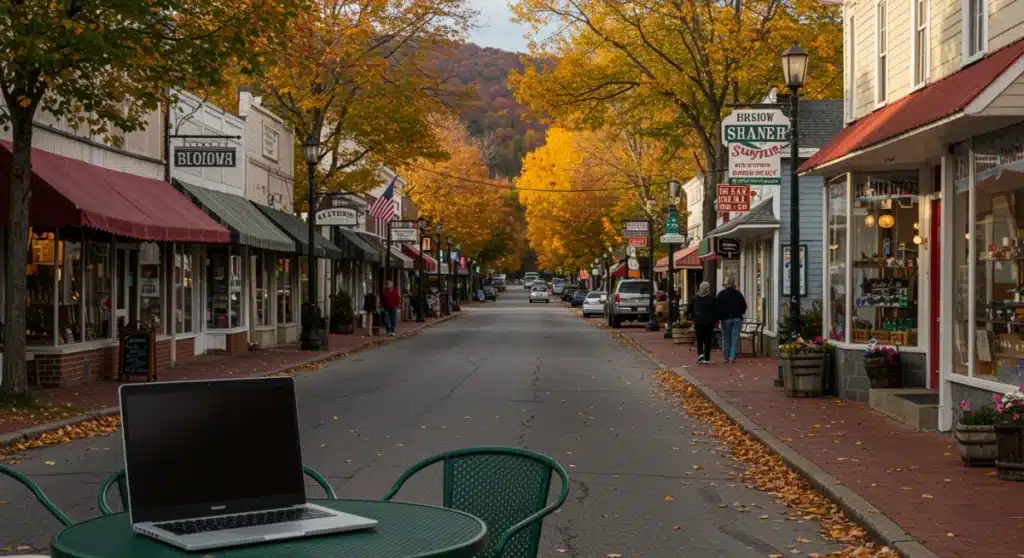
The rise of remote work in the US presents a compelling financial opportunity for many to relocate to smaller towns, offering significant cost-of-living advantages and an enhanced quality of life, which can lead to smarter financial decisions.
The landscape of work in the United States has undergone a seismic shift, with remote employment becoming a mainstream reality for millions. This transformation prompts a crucial question for many professionals: The Rise of Remote Work in the US: Is Moving to a Smaller Town a Smart Financial Move? This article delves into the economic advantages, lifestyle changes, and potential pitfalls of such a relocation, offering a comprehensive look at what it means to trade city lights for small-town charm in the era of remote work.
The economic shift to remote work and its impact on location
The COVID-19 pandemic accelerated a trend that was already gaining momentum: remote work. What began as a necessity quickly evolved into a preferred mode of operation for many companies and employees. This paradigm shift has fundamentally altered the relationship between where people work and where they live, opening up new possibilities for geographical freedom previously unattainable for most.
For decades, career opportunities were largely concentrated in major metropolitan areas, leading to urban migration and escalating costs of living in these hubs. However, with the widespread adoption of remote work, the tether to a physical office has loosened. Employees can now perform their duties from virtually anywhere with a stable internet connection, prompting many to reconsider their living arrangements and seek environments that offer a better quality of life or more favorable financial conditions.
The allure of affordability
One of the primary drivers behind the consideration of moving to smaller towns is the promise of affordability. Major cities often come with exorbitant housing costs, higher taxes, and a greater overall cost of living. Smaller towns, by contrast, typically offer significantly lower expenses across the board, from real estate to daily necessities.
- Housing Costs: Median home prices in smaller towns can be a fraction of those in urban centers, allowing remote workers to purchase larger homes or save substantially on rent.
- Property Taxes: While not universally lower, property taxes in many smaller municipalities are less burdensome than in high-demand urban areas.
- Daily Expenses: Groceries, utilities, and even entertainment often carry a lower price tag in less populated regions, contributing to overall savings.
This economic relief can translate into a significant increase in disposable income, enabling individuals and families to build savings, pay down debt, or invest more aggressively. The financial freedom gained can be a powerful motivator for making such a monumental life change, proving that remote work isn’t just about flexibility, but also about financial empowerment. The ability to maintain a city salary while incurring small-town expenses creates a substantial financial arbitrage opportunity.
In conclusion, the rise of remote work has fundamentally changed the calculus for where people choose to reside. The economic benefits of moving to smaller towns, particularly the reduced cost of living, present a compelling argument for many remote workers seeking financial stability and an improved lifestyle. This shift is not merely a temporary trend but a redefinition of geographical and financial possibilities.
Cost of living comparison: Urban vs. rural financial advantages
Understanding the stark differences in the cost of living between urban centers and smaller towns is paramount when evaluating the financial prudence of a remote work relocation. The financial advantages offered by rural and exurban areas are often substantial, impacting various aspects of a household’s budget.
Major cities are synonymous with high expenses, driven by demand, limited space, and concentrated economic activity. From rent and mortgage payments to daily commutes and even dining out, nearly every expenditure tends to be higher. Conversely, smaller towns often operate on a different economic scale, where the demand for resources is lower, leading to more accessible pricing.

Housing: The biggest differentiator
Housing typically represents the largest single expense for most households. In major metropolitan areas, median home prices can easily exceed half a million dollars, with rents for even modest apartments often surpassing $2,000 to $3,000 per month. This forces many to allocate a disproportionate share of their income to housing, limiting their financial flexibility.
In contrast, smaller towns frequently offer detached homes for prices comparable to a down payment in a major city, or rental rates that are a fraction of urban costs. This allows remote workers to achieve homeownership much faster, or to significantly reduce their monthly housing burden, freeing up capital for other financial goals. The equity gained from more affordable housing can be a cornerstone of long-term wealth building.
- Mortgage Savings: Lower home prices mean smaller mortgages and, consequently, lower monthly payments.
- Rental Opportunities: Renters can find more spacious accommodations at significantly reduced rates.
- Property Value Growth: While not guaranteed, some smaller towns are experiencing an influx of remote workers, leading to healthy property value appreciation.
Beyond housing, transportation costs also see a significant reduction. The need for extensive public transit or expensive ride-sharing services diminishes in smaller communities where distances are shorter and traffic is minimal. Many residents can rely on a single car, or even bicycles, further cutting down on fuel, insurance, and maintenance expenses. The overall reduction in the cost of living contributes directly to an improved financial outlook for remote workers making the move.
In summary, the financial benefits of relocating to a smaller town are predominantly driven by the dramatic difference in housing costs, followed by reduced transportation and daily expenses. This cumulative effect can lead to substantial savings and a stronger financial position for remote workers.
Hidden costs and potential financial drawbacks of rural living
While the allure of lower housing costs and a slower pace of life in smaller towns is undeniable, it’s crucial to examine the potential hidden costs and financial drawbacks that can accompany such a move. A comprehensive financial assessment requires looking beyond the obvious savings to uncover less apparent expenses that might offset some of the anticipated benefits.
One significant factor to consider is the availability and cost of specific services. Major cities offer a wide array of specialized services, from healthcare to niche retail, often at competitive prices due to higher market density. Smaller towns, however, may have limited options, potentially leading to higher costs or the need to travel to larger centers for certain needs.
Internet and utility infrastructure
For remote workers, reliable and high-speed internet is non-negotiable. While urban areas generally boast robust internet infrastructure, some smaller or more rural towns may have limited access to fiber optics or even reliable broadband. This could mean slower speeds, less consistent service, or higher costs for satellite internet, which can be a significant deterrent for those dependent on connectivity for their livelihood.
- Internet Reliability: Rural areas might experience more frequent outages or slower speeds, impacting productivity.
- Utility Costs: While electricity and water might be cheaper, heating costs in older, less insulated homes common in smaller towns could be higher, especially in colder climates.
- Limited Service Providers: Less competition among utility and internet providers can sometimes lead to higher prices or fewer plan options.
Another often-overlooked aspect is the availability of specific goods and services. If a remote worker relies on certain ethnic foods, specialized healthcare providers, or unique cultural experiences, these might be scarce or non-existent in smaller towns, requiring travel and incurring additional expenses. The cost of travel to access these amenities can quickly erode savings from lower housing costs.
Furthermore, job market diversity can be a concern. While remote work mitigates the need for local employment for the primary earner, a spouse or partner might face limited job prospects in a smaller town, potentially impacting household income. The lack of local professional networking opportunities could also be a long-term career drawback for some.
In conclusion, while smaller towns offer significant cost savings, particularly in housing, remote workers must be mindful of potential hidden costs. These include less robust internet infrastructure, higher utility bills for certain homes, limited access to specialized services, and potentially fewer local job opportunities for other household members. A thorough analysis of these factors is essential for a truly smart financial move.
The impact on quality of life and lifestyle benefits
Beyond the purely financial considerations, the decision to move to a smaller town with remote work often hinges on the perceived improvement in quality of life. Many remote workers seek an escape from the relentless pace, congestion, and anonymity of urban living, yearning for a different kind of existence that smaller communities can offer.
The lifestyle benefits are numerous and can significantly contribute to overall well-being. A slower pace of life, often accompanied by less traffic and shorter commutes (or no commute at all), allows for more personal time. This reclaimed time can be dedicated to hobbies, family, exercise, or simply relaxation, fostering a healthier work-life balance.
Community and connection
Smaller towns are renowned for their strong sense of community. Neighbors often know each other, local events are common, and there’s a greater emphasis on collective well-being. This can lead to deeper social connections and a feeling of belonging that is often difficult to cultivate in sprawling cities.
- Enhanced Social Bonds: Opportunities for genuine connection with neighbors and local community members are more prevalent.
- Safer Environments: Many smaller towns boast lower crime rates, providing a greater sense of security for individuals and families.
- Access to Nature: Proximity to parks, forests, lakes, and other natural landscapes allows for easier access to outdoor activities and a more active lifestyle.
The reduction in daily stressors associated with urban living—such as traffic jams, noise pollution, and the constant hustle—can have a profound positive impact on mental health. The ability to step out your door and be surrounded by nature, or to take a short walk to a local cafe without the crowds, contributes to a calmer, more fulfilling daily routine. This shift can be particularly beneficial for remote workers who might otherwise feel isolated.

Moreover, for families, smaller towns often offer excellent public school systems, a safer environment for children to grow up, and a greater sense of community involvement in educational and recreational activities. These factors, while not directly financial, represent a significant return on investment in terms of family well-being and development.
In conclusion, the move to a smaller town for remote workers often comes with a significant upgrade in quality of life. The benefits of a slower pace, stronger community ties, increased safety, and greater access to nature can lead to a more balanced, less stressful, and ultimately more fulfilling lifestyle, complementing the financial advantages of such a move.
Real estate market trends in smaller towns post-remote work boom
The surge in remote work has not only impacted individual financial decisions but has also sent ripples through the real estate markets of smaller towns across the US. What was once a quiet and often overlooked segment of the housing market has experienced a significant boom, driven by an influx of urban dwellers seeking affordability and a change of pace.
This increased demand has led to a noticeable shift in real estate trends. Property values, which historically may have seen modest appreciation, are now experiencing more rapid growth in many desirable smaller communities. This creates both opportunities and challenges for remote workers considering a move.
Rising property values and competition
While housing in smaller towns generally remains more affordable than in major cities, the gap is beginning to narrow in some popular destinations. Remote workers, often bringing higher salaries from urban job markets, are contributing to increased competition for available properties. This can lead to bidding wars and faster sales, making the home-buying process more challenging than it once was.
- Appreciation Rates: Many smaller towns are seeing property values appreciate at rates comparable to or even exceeding those in some urban areas.
- Limited Inventory: The supply of homes in smaller markets might not be able to keep up with the sudden surge in demand, leading to inventory shortages.
- Gentrification Concerns: Increased demand and rising prices can inadvertently lead to gentrification, potentially displacing long-term residents.
The type of properties in demand has also evolved. Remote workers often prioritize homes with dedicated office spaces, strong internet connectivity, and access to outdoor amenities. This has led to a premium on properties that meet these criteria, influencing construction trends and home renovations in these areas.
Furthermore, the rental market in smaller towns is also feeling the effects. With more people moving in, rental vacancies can decrease, and rental prices may start to climb, albeit still generally below urban levels. This makes it crucial for remote workers to research specific local market conditions thoroughly before making a decision.
In conclusion, the rise of remote work has ignited a dynamic shift in the real estate markets of smaller towns. While opportunities for affordable living still exist, remote workers must be aware of rising property values, increased competition, and evolving market dynamics. Careful research and swift action can help navigate these changes effectively and secure a smart financial investment.
Financial planning strategies for the remote worker in a new town
Making a successful financial transition when moving to a smaller town as a remote worker requires careful planning and strategic adjustments. The financial landscape will undoubtedly change, and proactively addressing these changes can ensure the move is indeed a smart financial decision, not just a lifestyle choice.
One of the first steps is to conduct a detailed cost-of-living analysis for the target town. This goes beyond just housing and includes understanding local taxes, utility rates, insurance costs (home, auto, health), and even the price of groceries and gas. This comprehensive overview will help establish a realistic budget for the new environment.
Optimizing savings and investments
With potentially lower expenses, remote workers have a unique opportunity to supercharge their savings and investment strategies. The money saved on housing, transportation, and other urban-centric costs can be redirected towards various financial goals.
- Emergency Fund: Build or bolster an emergency fund to cover 6-12 months of living expenses, providing a strong financial safety net.
- Retirement Accounts: Maximize contributions to 401(k)s, IRAs, or other retirement vehicles, taking advantage of increased disposable income.
- Debt Reduction: Accelerate payments on high-interest debts, such as credit cards or student loans, to achieve financial freedom faster.
Consider the long-term implications of property ownership. If purchasing a home, evaluate the potential for appreciation in the chosen small town. While some areas are booming, others may offer slower growth. Understanding the local market and future development plans can inform whether a home purchase is a sound investment or primarily a lifestyle decision.
Furthermore, it’s essential to reassess insurance needs. Homeowner’s insurance, auto insurance, and even health insurance premiums can vary significantly by location. Exploring local providers and comparing rates can lead to additional savings. Also, consider the tax implications, as state and local income taxes, as well as property taxes, can differ substantially from your previous location.
In conclusion, successful financial planning for remote workers moving to smaller towns involves a holistic approach. By meticulously analyzing the new cost of living, optimizing savings and investments, and adjusting insurance and tax strategies, remote workers can maximize the financial benefits of their relocation, ensuring a truly smart and sustainable financial future.
Supporting local economies: How remote workers contribute to smaller towns

The influx of remote workers into smaller towns is not a one-sided transaction; it represents a significant economic boon for these communities. While remote workers benefit from lower costs and an improved quality of life, their presence often revitalizes local economies, fostering growth and introducing new dynamics.
Traditionally, smaller towns have grappled with out-migration, particularly of younger generations seeking opportunities in larger cities. Remote workers reverse this trend, bringing with them not only their income but also their diverse skills, experiences, and consumer habits, which can inject new life into the local economic fabric.
Increased spending and entrepreneurship
Remote workers, often earning urban-level salaries while spending in a lower-cost environment, typically have more disposable income. This translates into increased spending at local businesses, from restaurants and cafes to boutiques and service providers. This boosted consumer demand can help sustain existing businesses and even encourage new ones to open.
- Local Business Support: More patronage for mom-and-pop shops, local eateries, and service providers.
- Entrepreneurial Spirit: Remote workers may bring entrepreneurial ideas, starting new businesses or freelancing services that cater to local needs or leverage their remote skills.
- Tax Revenue Increase: Increased property values and sales generate more tax revenue for local governments, which can be invested in public services and infrastructure.
Beyond direct spending, remote workers often contribute to the community in other ways. They might volunteer for local organizations, join community boards, or bring new ideas and perspectives to local governance. Their diverse professional backgrounds can also introduce new skill sets and networks to the town, fostering innovation and economic diversification.
The demand for better infrastructure, particularly high-speed internet, driven by remote workers, can also lead to improvements that benefit all residents. Local governments, seeing the economic potential, may invest in upgrading digital infrastructure, improving roads, and enhancing public amenities to attract and retain this new demographic.
In conclusion, remote workers are becoming vital contributors to the economic vitality of smaller towns. Through increased consumer spending, entrepreneurial endeavors, and a broadened tax base, they help to revitalize local businesses and fund essential public services. This symbiotic relationship underscores that moving to a smaller town can be a smart financial move not just for the individual, but also for the community at large.
Navigating the social and cultural aspects of small-town living
Moving to a smaller town, even with all its financial and lifestyle benefits, involves navigating a distinct social and cultural landscape. The transition from a bustling city to a tight-knit community can present both enriching experiences and unique challenges that remote workers should be prepared for.
One of the most noticeable differences is the pace of social interaction. In cities, social circles can be vast but often transient. In smaller towns, relationships tend to be deeper and more enduring, but forming those initial connections might require a different approach. The social fabric is often woven around local institutions, traditions, and community events.
Building community connections
Engaging with the local community is crucial for a successful transition. This means actively seeking out opportunities to participate, rather than waiting for them to come to you. Joining local clubs, volunteering, attending town meetings, or frequenting local establishments can help integrate new residents into the social scene.
- Active Participation: Join local groups, sports leagues, or volunteer organizations to meet people with shared interests.
- Embrace Local Culture: Attend town festivals, farmers’ markets, and community events to understand and appreciate local traditions.
- Patience and Openness: It may take time to build trust and form strong relationships, so patience and an open mind are essential.
Differences in cultural norms can also be a factor. Smaller towns may have more conservative values or a stronger emphasis on tradition compared to diverse urban environments. Understanding and respecting these differences, while still maintaining one’s own identity, is key to harmonious integration. The anonymity of city life gives way to a more visible presence, where community reputation can be important.
Furthermore, access to certain cultural amenities, such as diverse dining options, theaters, museums, or live music venues, might be limited compared to major cities. Remote workers who highly value these aspects of urban life should research the cultural offerings of their prospective town to ensure it aligns with their preferences.
In conclusion, while small-town living offers a strong sense of community and a slower pace, successfully navigating the social and cultural aspects requires intentional effort. Active participation, an open mind, and a willingness to embrace local traditions are essential for remote workers to build meaningful connections and truly feel at home in their new environment, ensuring a holistic smart move beyond just finances.
| Key Aspect | Impact on Remote Workers |
|---|---|
| Cost of Living | Significant savings, especially on housing, leading to increased disposable income. |
| Quality of Life | Slower pace, stronger community, more nature access, and reduced urban stressors. |
| Hidden Costs | Potential issues with internet, specialized services, and limited local job markets. |
| Economic Contribution | Boosts local businesses, increases tax revenue, and fosters community development. |
Frequently asked questions about remote work and smaller towns
Not always, but often. While smaller towns offer significant cost savings, especially in housing, potential hidden costs like less reliable internet, limited services, or higher utility bills in some areas need thorough research to ensure it’s financially advantageous.
Remote workers bring increased consumer spending, potentially higher tax revenues, and new entrepreneurial ventures. This influx can revitalize local businesses, improve infrastructure, and diversify the economic base of smaller communities, fostering growth.
Key benefits include a slower pace, reduced commute times, stronger community ties, increased safety, and greater access to nature. These factors often lead to a better work-life balance and reduced stress, enhancing overall well-being.
While generally more affordable, some smaller towns are experiencing rising property values and increased competition due to demand. Remote workers should research local market trends, inventory levels, and potential appreciation to make informed decisions.
Active participation is key. Joining local clubs, volunteering, attending community events, and supporting local businesses are effective ways to meet people, build connections, and embrace the local culture for a smoother social transition.
Conclusion
The rise of remote work has undeniably opened up a new frontier for how and where Americans live and work. For many, the prospect of moving to a smaller town represents a compelling opportunity to achieve significant financial savings, primarily through reduced housing costs, while simultaneously enhancing their quality of life. This shift allows for greater disposable income, stronger community bonds, and a more balanced lifestyle, making it a potentially smart financial move. However, a truly intelligent decision requires a comprehensive understanding of both the evident benefits and the potential hidden costs, such as internet infrastructure limitations or reduced access to specialized services. Remote workers must conduct thorough research, plan their finances meticulously, and actively engage with their new communities to maximize the advantages of this evolving work landscape. Ultimately, the decision to embrace small-town living with remote work can be profoundly beneficial, fostering both personal well-being and economic stability, provided it is approached with careful consideration and an open mind.