Multigenerational Homes in the US: A Family’s Guide
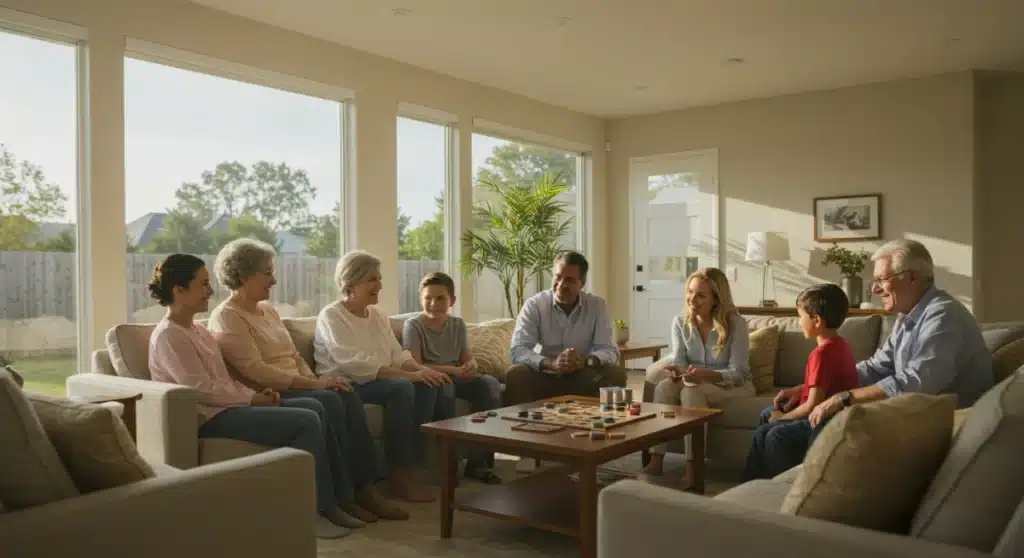
The growing trend of multigenerational homes in the US reflects a significant shift in living arrangements, driven by economic, social, and caregiving needs, offering both unique opportunities and complex considerations for families.
In recent years, the growing trend of multigenerational homes in the US: Is it right for your family? has become a prominent topic of discussion, reshaping how American families approach housing and cohabitation. This living arrangement, where multiple generations of a family live under one roof, is experiencing a remarkable resurgence, driven by a confluence of economic pressures, evolving social dynamics, and the increasing need for familial support. Understanding the nuances of this trend is crucial for any family contemplating such a significant lifestyle change.
The resurgence of multigenerational living
The concept of multigenerational living is not new; it was once a common practice in many cultures, including the United States. However, the mid-20th century saw a decline in this trend, as economic prosperity and cultural shifts favored nuclear family units. Today, we are witnessing a powerful return, with a significant increase in households housing three or more generations. This resurgence is more than just a passing fad; it represents a fundamental reevaluation of family structures and living priorities.
Several factors fuel this comeback, from economic realities to a renewed appreciation for family bonds. For many, the decision to live multigenerationally is a practical response to challenging circumstances, while for others, it’s a conscious choice to foster closer family ties and provide mutual support. This shift challenges traditional notions of independence and highlights the adaptability of American families in the face of modern challenges.
economic pressures and housing costs
One of the most compelling drivers for the rise in multigenerational homes is the escalating cost of living and housing across the United States. The financial burden of mortgages, rent, utilities, and daily expenses has become increasingly difficult for single-income or even dual-income households to manage independently.
- housing affordability: Skyrocketing home prices and rental costs in many urban and suburban areas make it challenging for younger generations to afford their own homes.
- shared expenses: Pooling resources allows families to share the burden of mortgages, property taxes, utilities, and groceries, significantly reducing individual financial stress.
- student loan debt: Many young adults carry substantial student loan debt, making independent living a distant dream without parental support.
These financial incentives are often the initial catalyst, but families soon discover other advantages that extend beyond monetary savings. The ability to save for a down payment, pay off debts faster, or simply improve overall financial stability often makes this arrangement highly appealing.
Ultimately, the resurgence of multigenerational living signifies a pragmatic adaptation to contemporary economic realities. It’s a testament to the resilience and resourcefulness of families seeking sustainable solutions in an increasingly expensive world. This trend is likely to continue as economic pressures persist, making it a viable and attractive option for many.
Benefits of multigenerational households
Beyond the financial incentives, multigenerational homes offer a wealth of social and emotional advantages that can enrich family life. These benefits contribute to a supportive environment where individuals of all ages can thrive, fostering stronger bonds and a deeper sense of community within the household.
The shared experience of living together can lead to profound personal growth and mutual understanding. Grandparents often find renewed purpose, parents gain invaluable support, and children benefit from a diverse range of caregivers and role models. This symbiotic relationship creates a unique ecosystem of support and love.
enhanced family bonds and support
Living under one roof naturally strengthens family relationships. Daily interactions, shared meals, and mutual support create a strong foundation for lasting connections.
- childcare support: Grandparents can provide invaluable childcare, reducing costs and offering children consistent, loving care from trusted family members.
- elderly care: Adult children can more easily care for aging parents, ensuring their well-being and reducing the need for external care facilities.
- emotional support: A built-in support system helps family members navigate life’s challenges, from career changes to personal crises, with greater resilience.
This constant presence of loved ones can significantly reduce feelings of isolation and loneliness, particularly among older adults. It also provides a rich environment for cultural transmission, where traditions and stories are passed down through generations, preserving family heritage.
The emotional benefits extend to all members, creating a sense of belonging and collective strength. This deepens the fabric of family life, making it more robust and fulfilling than often experienced in isolated nuclear family settings. The shared journey of life becomes a collective endeavor, enriching everyone involved.
Challenges and considerations
While the advantages of multigenerational living are significant, it’s crucial to acknowledge and address the potential challenges. Blending different generations, each with their own habits, expectations, and needs, requires careful planning, open communication, and a willingness to compromise. Ignoring these potential pitfalls can lead to friction and unhappiness within the household.
Successfully navigating these challenges often hinges on establishing clear boundaries and fostering an environment of mutual respect. It’s not about eliminating differences, but rather about creating a framework where those differences can coexist harmoniously. Addressing these issues proactively can transform potential conflicts into opportunities for growth and understanding.
privacy and personal space
One of the most frequently cited concerns in multigenerational households is the potential loss of privacy and personal space. Each generation typically values its independence, and living in close quarters can sometimes feel restrictive.
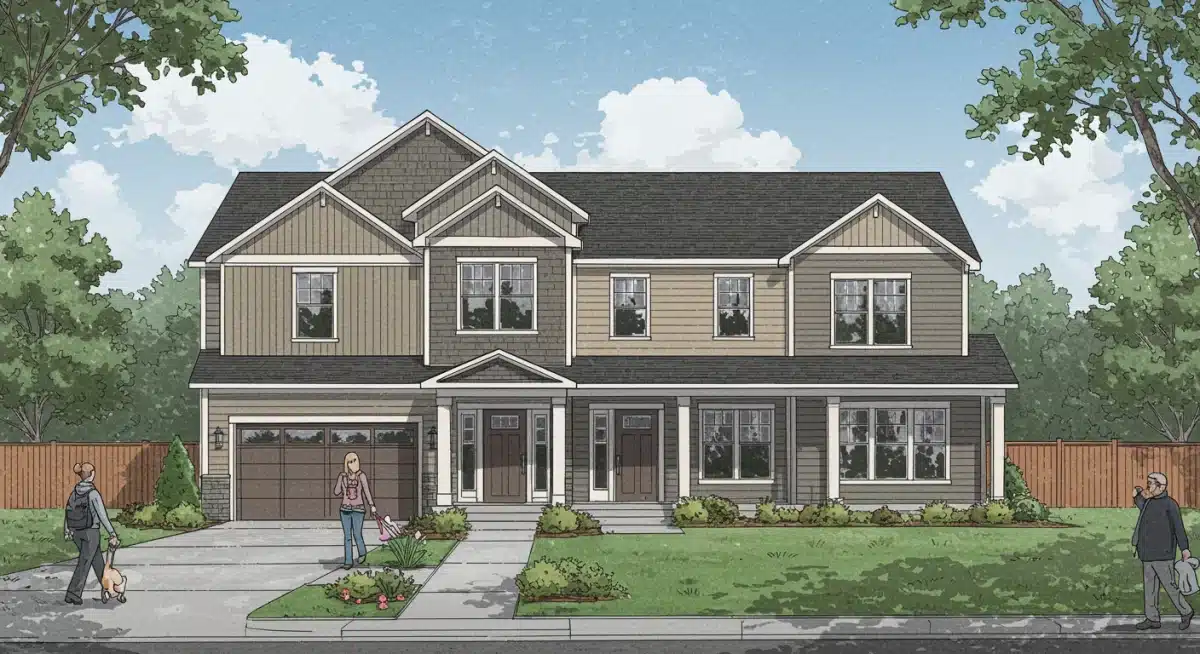
- dedicated spaces: Designing homes with separate living areas, such as in-law suites, separate entrances, or distinct wings, can help maintain individual privacy.
- clear boundaries: Establishing clear boundaries regarding shared spaces, quiet hours, and personal belongings is essential to prevent misunderstandings.
- respecting independence: It’s vital for all family members to respect each other’s need for alone time and personal autonomy.
Achieving a balance between togetherness and individual space requires ongoing dialogue and flexibility. Without these considerations, the benefits of shared living can quickly be overshadowed by feelings of being overwhelmed or encroached upon.
Moreover, the design of the home itself plays a crucial role in facilitating privacy. Thoughtful architectural solutions can create physical and psychological separation, allowing each family unit to maintain a sense of their own domain within the larger structure. This architectural foresight can significantly contribute to the long-term success of the arrangement.
Legal and financial planning
Beyond the emotional and logistical aspects, entering a multigenerational living arrangement demands thorough legal and financial planning. Overlooking these critical details can lead to significant complications down the road, especially if family dynamics change or unexpected events occur. A clear understanding of ownership, expenses, and potential future scenarios is paramount.
It’s always advisable to consult with legal and financial professionals to establish clear agreements and ensure all parties are protected. A well-structured plan can prevent disputes and provide a roadmap for managing shared responsibilities and assets, ensuring the arrangement remains sustainable and equitable for everyone involved.
ownership and financial agreements
Determining ownership structures and how expenses will be divided is fundamental to avoiding future conflicts. This involves open conversations and formal agreements.
- joint ownership: If multiple family members are contributing to the purchase, deciding on joint tenancy with right of survivorship or tenancy in common is crucial.
- expense allocation: Clearly define who pays for what—mortgage, utilities, property taxes, home maintenance, and groceries—and how contributions will be adjusted over time.
- exit strategies: Discuss potential scenarios, such as one family wanting to move out or sell their share, and how these situations will be handled financially and legally.
Having a written agreement, even among family members, can provide clarity and prevent misunderstandings. This document should outline financial contributions, responsibilities, and dispute resolution mechanisms, ensuring everyone is on the same page.
Furthermore, consider the implications for estate planning and inheritance. How will the property be handled in the event of a family member’s passing? These are sensitive but necessary conversations that need to happen early in the process to safeguard everyone’s interests and maintain family harmony.
Designing for multigenerational living
The success of a multigenerational home often hinges on its design. A well-thought-out floor plan can accommodate the diverse needs of multiple generations, providing both shared spaces for family interaction and private retreats for individual autonomy. This architectural approach goes beyond simply adding extra rooms; it involves creating functional zones that support various lifestyles.
Modern home builders and architects are increasingly responding to this demand by offering designs specifically tailored for multigenerational families. These designs prioritize flexibility, accessibility, and the delicate balance between communal living and personal space, making the transition to shared living much smoother and more enjoyable for everyone.
flexible layouts and accessibility
Effective design for multigenerational living focuses on creating spaces that are adaptable and accessible to individuals of all ages and abilities.
- separate entrances: Providing separate entry points for different living units enhances independence and privacy for each family segment.
- dual master suites: Homes with two master bedrooms, one potentially on the ground floor, can accommodate aging parents or adult children.
- universal design principles: Incorporating features like wider doorways, zero-entry showers, and grab bars ensures the home is safe and comfortable for everyone, including those with mobility challenges.
These design elements are not just about convenience; they are about fostering dignity and independence for all residents. A home that is thoughtfully designed to meet diverse needs can significantly reduce stress and improve the overall quality of life for a multigenerational family.
Moreover, flexible spaces that can be easily converted—a den that can become a bedroom, or a large living area that can be partitioned—add long-term value and adaptability to the home. This foresight ensures the house can evolve with the family’s changing needs over time, making it a truly sustainable living solution.
Communication and expectations
At the heart of any successful multigenerational household lies effective communication and a clear understanding of everyone’s expectations. Without these fundamental elements, even the most well-designed home and meticulously planned finances can’t prevent friction. Open, honest, and regular dialogue is the cornerstone of harmony in shared living.
It’s essential to approach these conversations with empathy and a willingness to listen. Each family member brings their unique perspective and needs to the table, and acknowledging these differences respectfully is key to finding common ground. Proactive communication can resolve minor issues before they escalate into major conflicts, fostering a supportive and loving environment.
establishing ground rules and boundaries
Setting clear expectations and ground rules from the outset is vital for managing daily life and preventing misunderstandings. These discussions should cover a wide range of topics.
- household chores: Define who is responsible for cooking, cleaning, laundry, and yard work, ensuring an equitable distribution of labor.
- financial contributions: Reiterate and regularly review financial agreements, especially if circumstances change for any family member.
- guest policies: Establish guidelines for visitors, overnight guests, and entertaining to ensure everyone’s comfort and privacy are respected.
- child-rearing philosophies: Discuss approaches to discipline, screen time, and education, particularly if grandparents are involved in childcare.
These conversations should be ongoing, not just a one-time event. As family members grow and circumstances evolve, the rules and expectations may need to be revisited and adjusted. A family meeting schedule can provide a regular forum for these discussions, allowing everyone to voice their thoughts and concerns in a structured way.
Ultimately, the goal is to create a living environment where everyone feels heard, valued, and respected. By prioritizing open communication and setting clear boundaries, multigenerational families can build a robust foundation for a harmonious and fulfilling shared life, turning potential challenges into opportunities for growth and deeper connection.
| Key Aspect | Brief Description |
|---|---|
| Economic Drivers | Rising housing costs and financial pressures make shared living an attractive solution for many US families. |
| Family Support | Provides enhanced childcare, elder care, and emotional support, strengthening intergenerational bonds. |
| Privacy Needs | Maintaining personal space is crucial; thoughtful home design and clear boundaries are essential. |
| Effective Communication | Open dialogue, established ground rules, and mutual respect are vital for harmonious living. |
Frequently asked questions about multigenerational homes
A multigenerational home typically involves at least two adult generations, such as parents and their adult children, or three or more generations, like grandparents, parents, and grandchildren, living together under one roof. This arrangement can vary in structure but always involves shared living spaces and responsibilities.
The main financial benefits include shared housing costs like mortgages, rent, and utilities, reduced childcare expenses due to family support, and pooled resources for groceries and home maintenance. This can significantly alleviate financial burdens and allow for greater savings among all family members.
Privacy can be maintained through thoughtful home design, such as separate living areas, private entrances, and soundproofing. Establishing clear boundaries, respecting individual schedules, and having designated personal spaces are also crucial for ensuring everyone feels they have their own retreat.
Key strategies include open and honest dialogue, regular family meetings to discuss concerns, and establishing clear ground rules for household chores, finances, and guest policies. A willingness to compromise and active listening are also vital for harmonious coexistence and problem-solving.
While economic factors often initiate the move, the social and emotional benefits suggest it’s more than a temporary trend. For many families, it becomes a long-term, sustainable living solution that fosters stronger family bonds, provides mutual support, and adapts to evolving needs, indicating its growing permanence.
Conclusion
The growing trend of multigenerational homes in the US is undeniably a complex yet increasingly viable living solution for many families. It presents a dynamic interplay of economic necessity, social benefits, and personal challenges. While the financial advantages are often the initial draw, the profound emotional support, enhanced family bonds, and practical caregiving solutions provide a compelling argument for its continued growth. However, success hinges on meticulous planning, open communication, thoughtful home design, and a shared commitment to compromise and mutual respect. For families considering this path, a thorough evaluation of their unique circumstances, a clear understanding of potential pitfalls, and a proactive approach to establishing agreements will be crucial. Ultimately, a well-managed multigenerational household can offer a rich, supportive, and fulfilling living experience, demonstrating the enduring strength and adaptability of family connections in modern America.