Nature’s Prescription: 2 Hours Outdoors for Mental Health

Spending a mere two hours each week immersed in nature has been scientifically linked to significant improvements in mental health, offering a simple yet profound pathway to enhanced well-being and reduced stress.
In our increasingly fast-paced and urbanized world, finding moments of calm and connection can feel like a luxury. Yet, research consistently shows that one of the most powerful and accessible tools for enhancing our well-being is surprisingly simple: spending time in green spaces. The concept that the benefits of nature: spending 2 hours a week outdoors can boost your mental health is gaining significant traction, moving from anecdotal wisdom to scientifically backed fact. This isn’t just about escaping the concrete jungle; it’s about actively engaging with the natural world to foster a healthier, more resilient mind. We’ll explore the profound impacts of this natural prescription, delving into the science, practical applications, and transformative potential of just 120 minutes in the great outdoors.
The Scientific Foundation: Why Nature Heals
For centuries, poets and philosophers have extolled the virtues of nature, but only recently has science begun to quantify its profound impact on human well-being. The idea that spending time outdoors can improve mental health is not just a pleasant thought; it’s a conclusion supported by a growing body of rigorous research. This scientific foundation helps us understand the mechanisms through which nature exerts its healing power, moving beyond mere intuition to concrete evidence.
Studies have consistently demonstrated a direct link between exposure to natural environments and various positive mental health outcomes. This isn’t limited to pristine wilderness; even urban parks and green spaces offer significant benefits. The sheer presence of trees, water, and open skies seems to trigger a restorative process within our minds, countering the stresses and demands of modern life.
Unpacking the Research
One of the most compelling pieces of evidence comes from a landmark study published in Scientific Reports, which found that people who spent at least 120 minutes a week in nature reported significantly better health and psychological well-being than those who didn’t. This threshold of two hours wasn’t arbitrary; it appeared to be the sweet spot for reaping substantial benefits. The study controlled for various factors, including socioeconomic status, showing that the effect was consistent across different demographics.
- Dose-Response Relationship: The more time spent in nature, up to a point, the greater the mental health benefits observed.
- Accessibility: Benefits accrued whether time was spent in urban parks, woodlands, or coastal environments.
- Consistency: The positive effects were seen across genders, age groups, and different occupational backgrounds.
Furthermore, research on brain activity reveals that exposure to natural environments can decrease activity in the subgenual prefrontal cortex, a part of the brain associated with rumination and negative thought patterns. This suggests that nature literally helps to quiet the mind, offering a respite from the constant mental chatter that often accompanies anxiety and depression.
Beyond the direct neurological impacts, nature also encourages physical activity, which is itself a powerful antidepressant and stress reliever. Walking, hiking, or even just strolling through a park can elevate mood, improve sleep quality, and enhance cognitive function. The combination of fresh air, natural light, and gentle exercise creates a synergistic effect that amplifies the mental health benefits. Understanding these scientific underpinnings provides a strong rationale for prioritizing our time in nature.
Reducing Stress and Anxiety: Nature’s Calming Embrace
In a world where stress and anxiety have become almost ubiquitous, finding effective coping mechanisms is paramount. Nature offers a powerful, accessible, and often overlooked antidote. Its calming embrace provides a stark contrast to the relentless demands of daily life, offering a sanctuary where the mind can unwind and the body can relax. The ability of natural environments to mitigate stress is one of its most widely recognized and appreciated benefits.
When we spend time in nature, our physiological responses to stress begin to shift. Heart rates tend to decrease, blood pressure lowers, and muscle tension eases. These are not merely subjective feelings of relaxation; they are measurable biological changes that underscore nature’s profound impact on our internal state. This natural regulation of our stress response system is crucial for long-term health and well-being.
The Power of Green Spaces
The visual and auditory stimuli in natural settings play a significant role in stress reduction. The gentle rustling of leaves, the chirping of birds, or the soothing sound of flowing water can all contribute to a meditative state, diverting attention from stressors and promoting a sense of peace. Urban environments, by contrast, are often filled with jarring noises and visual clutter that can heighten anxiety and mental fatigue.
- Lower Cortisol Levels: Studies show that spending time in forests can significantly reduce levels of cortisol, the body’s primary stress hormone.
- Improved Mood: Exposure to natural light and green scenery has been linked to reductions in negative emotions and increases in feelings of happiness and vitality.
- Enhanced Attention Restoration: Nature provides an opportunity for ‘soft fascination,’ allowing our directed attention to rest and recover from the demands of cognitive tasks, reducing mental fatigue.
Moreover, the sense of awe inspired by natural landscapes, whether it’s a vast mountain range or a towering old tree, can put our daily troubles into perspective. This feeling of being part of something larger than ourselves can reduce self-focus and alleviate feelings of anxiety, fostering a sense of connection and belonging. Nature encourages mindfulness, drawing our attention to the present moment and away from worries about the past or future.
Incorporating regular doses of nature into our weekly routine can therefore act as a powerful buffer against the accumulation of stress and anxiety. It’s a proactive step towards maintaining mental equilibrium, allowing us to return to our responsibilities feeling refreshed, centered, and better equipped to handle life’s challenges. The calming embrace of nature is a free and effective therapy, readily available to us all.
Boosting Mood and Cognitive Function: A Natural Uplift
Beyond simply reducing stress, engaging with the natural world offers a remarkable uplift to our mood and sharpens our cognitive abilities. Many people intuitively feel better after a walk in the park or a hike in the woods, but this isn’t just a fleeting feeling; it’s a measurable improvement in psychological and cognitive states. The interaction between humans and nature is a complex dance that benefits both our emotional landscape and our brainpower.
One of the immediate effects of spending time outdoors is an improvement in mood. Natural environments are often associated with feelings of joy, serenity, and vitality. This positive emotional shift can be attributed to several factors, including exposure to sunlight, which helps regulate circadian rhythms and boost serotonin levels, a neurotransmitter linked to feelings of well-being. The fresh air and physical activity also contribute significantly to this mood elevation.

Sharpening the Mind
The benefits extend beyond mood to our cognitive functions. Nature has been shown to improve concentration, creativity, and problem-solving skills. This phenomenon is often explained by Attention Restoration Theory (ART), which posits that natural environments allow for ‘involuntary attention’ or ‘soft fascination,’ enabling our directed attention (the kind we use for focused tasks) to recover.
- Enhanced Creativity: Studies suggest that immersive nature experiences can boost creative problem-solving by as much as 50%.
- Improved Concentration: Children and adults with ADHD symptoms often show improved focus after spending time in green spaces.
- Better Memory: Walking in nature has been linked to improved working memory compared to walking in urban settings.
Moreover, the complexity and fractal patterns found in nature, such as the branching of trees or the flow of rivers, are inherently pleasing to the human eye and mind. This aesthetic appreciation can lead to a sense of comfort and engagement that fosters a positive mental state, making it easier to think clearly and creatively. The absence of overwhelming sensory input, common in urban settings, also allows the brain to process information more efficiently.
Regular engagement with nature can therefore serve as a powerful tool for maintaining mental acuity and emotional balance. It’s not just about escaping; it’s about actively recharging our mental batteries and fostering a more vibrant, resilient mind. By making nature a consistent part of our lives, we can unlock its potential to uplift our spirits and sharpen our cognitive edge, leading to a richer and more fulfilling existence.
The Importance of Green Spaces in Urban Environments
As cities continue to expand and populations grow, the availability and accessibility of green spaces become increasingly critical for public health, particularly mental well-being. While pristine wilderness experiences are invaluable, for many, daily doses of nature come in the form of urban parks, community gardens, or tree-lined streets. Recognizing the importance of these green oases within the concrete jungle is essential for fostering healthier urban communities.
Urban green spaces serve as vital lungs for a city, purifying the air and mitigating the urban heat island effect. More importantly, they act as crucial touchpoints for nature exposure, offering residents opportunities to connect with the natural world without traveling far. These spaces are not just aesthetic enhancements; they are fundamental components of a supportive urban infrastructure that promotes mental resilience and reduces the psychological toll of city living.
Designing for Well-being
The design and maintenance of urban green spaces directly influence their effectiveness in promoting mental health. Features like accessible walking paths, diverse plant life, water features, and quiet zones can enhance the restorative experience. Thoughtful planning can transform a simple park into a therapeutic landscape, inviting people to linger, observe, and engage with their surroundings.
- Accessibility: Ensuring green spaces are easily reachable by public transport or walking is crucial for equitable access.
- Biodiversity: Richer biodiversity in urban parks is associated with greater psychological benefits for visitors.
- Safety and Comfort: Well-maintained, safe, and clean green spaces encourage more frequent and longer visits.
Moreover, urban green spaces often foster community engagement. They provide venues for social interaction, community gardening projects, and organized outdoor activities, all of which contribute to a stronger sense of belonging and reduced feelings of isolation. Social connection is a powerful determinant of mental health, and green spaces can act as catalysts for building these vital community ties.
Investing in and preserving urban green spaces is therefore an investment in the mental health of city dwellers. Urban planners and policymakers have a critical role to play in ensuring that these essential natural resources are not only protected but also expanded and made more accessible. By integrating nature into the fabric of our cities, we can create environments that are not only sustainable but also deeply supportive of human well-being, proving that even in the busiest cities, nature’s healing power can thrive.
Practical Tips for Integrating Nature into Your Week
Knowing that spending two hours a week in nature can boost your mental health is one thing; actually doing it is another. In our busy lives, finding those 120 minutes can seem daunting. However, integrating nature into your weekly routine doesn’t require a wilderness expedition. It’s about intentionality and recognizing that even small doses of green can make a big difference. The key is to be creative and consistent.
The good news is that these two hours don’t have to be continuous. You can break them down into shorter, more manageable segments throughout your week. A 20-minute walk in a park each day, or a longer hour-long visit on the weekend, can quickly add up. The goal is to find what works best for your schedule and lifestyle, making nature exposure a natural and enjoyable part of your routine rather than a chore.
Simple Strategies for More Green Time
There are numerous ways to weave nature into your week, regardless of where you live or how busy you are. Starting small and gradually increasing your exposure can make the habit stick. Remember, the quality of your interaction with nature matters too; try to be present and mindful during your time outdoors.
- Daily Walks: Take a brisk walk in a nearby park during your lunch break or after dinner. Even a walk around a tree-lined block counts.
- Weekend Adventures: Dedicate a portion of your weekend to visiting a local nature reserve, botanical garden, or beach.
- Eat Outdoors: If possible, take your meals outside, whether on a patio, in a park, or even by an open window overlooking greenery.
- Gardening: Tending to plants, whether in a backyard garden, on a balcony, or in a community plot, offers direct engagement with nature.
- Outdoor Hobbies: Consider hobbies like birdwatching, photography of natural scenes, or outdoor yoga to combine interests with nature exposure.
Even bringing nature indoors can offer some benefits. Adding houseplants, having a view of natural scenery from your window, or listening to nature sounds can create a more calming indoor environment. While not a substitute for direct outdoor exposure, these elements can help bridge the gap and maintain a connection to the natural world when outdoor access is limited.
Ultimately, the most effective approach is one that you can sustain. Experiment with different activities and locations until you find what resonates with you. Making nature a priority is an investment in your mental health that yields significant returns, transforming your week with renewed energy and a calmer mind.

Mindfulness in Nature: Deepening the Connection
Simply being in nature is beneficial, but actively practicing mindfulness while outdoors can significantly deepen the positive impact on your mental health. Mindfulness is about paying attention to the present moment without judgment, and nature provides an ideal setting for this practice. When we intentionally engage our senses with the natural world, we move beyond passive observation to a more profound and restorative connection.
This deeper connection transforms a casual stroll into a therapeutic experience. Instead of letting your mind wander to daily worries, mindfulness in nature encourages you to fully immerse yourself in your surroundings. It’s about tuning into the subtle nuances of the environment – the textures, sounds, smells, and sights that often go unnoticed in our fast-paced lives. This deliberate focus helps to anchor you in the present, reducing mental clutter and fostering a sense of calm.
Practicing Mindful Nature Engagement
Incorporating mindfulness into your nature experiences doesn’t require any special equipment or training. It’s a practice that can be cultivated with simple awareness and intention. The goal is to engage all your senses, allowing nature to gently guide your attention and soothe your mind.
- Sensory Awareness: Pay close attention to the sounds of birds, the feeling of the breeze on your skin, the earthy scents, and the visual details of leaves and flowers.
- Slow Walking: Practice ‘forest bathing’ or ‘shinrin-yoku,’ which involves slow, deliberate walking through a natural environment, soaking in the atmosphere.
- Mindful Breathing: Combine deep, conscious breathing with your nature time, inhaling the fresh air and exhaling any tension or stress.
- Observation: Find a quiet spot and simply observe a specific natural element – a tree, a flower, a cloud – without judgment or analysis.
The practice of mindfulness in nature can be particularly effective in combating rumination and negative thought cycles. By shifting focus from internal worries to external sensory input, you disrupt these patterns, allowing your mind a much-needed break. This can lead to increased feelings of peace, reduced anxiety, and an overall improvement in emotional regulation. It’s a powerful way to leverage nature’s inherent restorative qualities.
Making mindfulness a part of your two hours in nature each week can amplify the benefits, turning a simple outdoor activity into a profound practice for mental well-being. It’s an invitation to slow down, reconnect with the earth, and discover a deeper sense of inner peace. This intentional engagement with nature is not just a pleasant pastime; it’s a vital component of a holistic approach to mental health.
Overcoming Barriers to Outdoor Time
Despite the compelling evidence that spending two hours a week outdoors can boost your mental health, many people face significant barriers to achieving this goal. Modern life often presents challenges that can make regular nature exposure seem difficult, if not impossible. Recognizing these obstacles and developing strategies to overcome them is crucial for making nature a consistent part of our well-being routine.
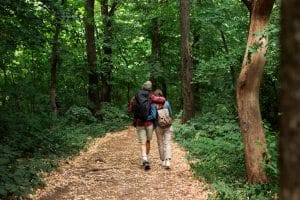
Common barriers include busy schedules, lack of nearby green spaces, safety concerns, unfavorable weather, and even a simple lack of motivation or knowledge about how to engage with nature. It’s easy to dismiss outdoor time as a luxury when faced with work deadlines, family responsibilities, or the allure of indoor entertainment. However, viewing nature time as a non-negotiable aspect of self-care can help reframe its importance.
Strategies for Accessing Nature
Addressing these barriers often requires a combination of practical adjustments and a shift in mindset. Even small changes can accumulate to meet the recommended two-hour target. The key is to be proactive and resourceful in seeking out opportunities for nature engagement.
- Schedule It: Treat your nature time like any other important appointment. Block out specific times in your calendar each week.
- Explore Local Resources: Use apps or local government websites to find nearby parks, trails, or community gardens you might not know about.
- Bundle Activities: Combine your nature time with other necessities, like walking to the grocery store or meeting friends for an outdoor coffee.
- Dress for the Weather: Invest in appropriate gear for different weather conditions to remove that as an excuse.
- Buddy System: Plan outdoor activities with friends or family for motivation and safety.
- Micro-Doses: If long stretches are impossible, take multiple short breaks throughout the day to step outside, even for just five minutes.
For those in urban areas with limited green spaces, even small interventions can help. Looking out a window at a tree, tending to a potted plant, or visiting a plant nursery can provide a mental break. Advocating for more green infrastructure in your community can also contribute to creating a more nature-rich environment for everyone. The collective effort to prioritize and protect natural spaces is vital.
Overcoming barriers to outdoor time is an ongoing process that requires flexibility and persistence. By actively seeking solutions and making nature a conscious priority, we empower ourselves to consistently access its profound mental health benefits. It’s about recognizing that our well-being is deeply intertwined with the natural world and making the necessary efforts to nurture that connection.
| Key Benefit | Brief Description |
|---|---|
| Stress Reduction | Nature exposure lowers cortisol levels, heart rate, and blood pressure, promoting relaxation and calm. |
| Mood Enhancement | Green spaces increase feelings of happiness, vitality, and positive emotions, combating negative moods. |
| Cognitive Boost | Nature improves concentration, creativity, and problem-solving skills by allowing directed attention to recover. |
| Physical Activity | Outdoor environments encourage movement, which further contributes to improved mental and physical health. |
Frequently Asked Questions About Nature and Mental Health
Research, particularly a study in Scientific Reports, identified 120 minutes per week as a significant threshold where individuals reported measurably better health and psychological well-being. This amount appears to be a consistent ‘dose’ for positive mental health outcomes across diverse populations and environments.
You do not need to spend the two hours continuously. The benefits accumulate whether it’s a single long session or multiple shorter visits. For example, several 20-30 minute walks throughout the week can easily add up to the recommended 120 minutes, making it adaptable to busy schedules.
Any exposure to natural environments counts, from urban parks and gardens to forests, beaches, and mountains. The key is being in a place with natural elements like trees, plants, water, or open sky. Even a quiet backyard or a tree-lined street can contribute to your weekly total.
While not a cure, regular nature exposure has been shown to significantly reduce symptoms of depression and anxiety. It helps lower stress hormones, improve mood, and restore cognitive function, acting as a valuable complementary approach to traditional treatments. Always consult a healthcare professional for specific conditions.
Even in urban settings, seek out local parks, community gardens, or tree-lined streets. Consider bringing nature indoors with houseplants or a window view. Even short, mindful moments outdoors can contribute. Advocate for more green infrastructure in your community to increase access for everyone.
Conclusion
The evidence is clear and compelling: prioritizing time in nature is not just a pleasant pastime but a powerful, accessible strategy for enhancing mental health. The scientific consensus underscores that the benefits of nature: spending 2 hours a week outdoors can boost your mental health significantly, offering a natural antidote to the stresses of modern life. From reducing anxiety and elevating mood to sharpening cognitive functions, the natural world provides a profound and holistic pathway to well-being. By intentionally integrating green spaces into our weekly routines, whether through mindful walks in a park or dedicated weekend explorations, we can unlock a wealth of psychological and physiological advantages. Embracing this simple yet transformative practice is an investment in a calmer, happier, and more resilient self, proving that sometimes, the best prescription comes directly from nature.