Boost Your Credit Score: Pay Bills, Cut Utilization, Gain 50 Points
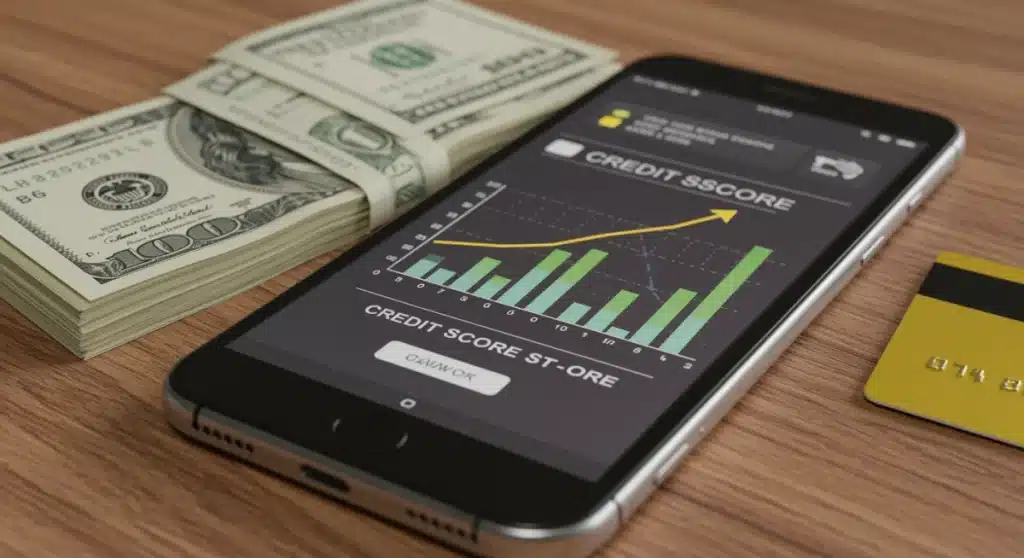
Paying bills on time and reducing credit utilization are two of the most impactful strategies to significantly increase your credit score in the USA, potentially by 50 points or more, leading to better financial opportunities.
Are you looking to increase your credit score? In the United States, a strong credit score is more than just a number; it’s a gateway to better interest rates, easier loan approvals, and overall financial stability. Understanding the key factors that influence your score and implementing strategic habits can lead to significant improvements, potentially boosting your score by 50 points or even more.
Understanding Your Credit Score: The Foundation of Financial Health
Your credit score is a three-digit number that lenders use to assess your creditworthiness. It’s a snapshot of your financial responsibility, reflecting how reliably you manage your debts. A higher score signals to lenders that you are a lower risk, often resulting in more favorable terms on loans and credit cards. Conversely, a low score can make obtaining credit difficult and expensive.
Several factors contribute to your credit score, with payment history and credit utilization being the most influential. Other elements include the length of your credit history, the types of credit you use, and new credit applications. Each of these components plays a role in shaping your financial profile and determining the opportunities available to you in the credit market.
What Makes Up Your FICO Score?
The FICO score, one of the most widely used credit scoring models, breaks down your credit profile into specific categories:
- Payment History (35%): This is the most critical factor, indicating whether you pay your bills on time.
- Amounts Owed (30%): This refers to your credit utilization ratio – how much credit you’re using compared to your available credit.
- Length of Credit History (15%): A longer history of responsible credit management generally leads to a higher score.
- New Credit (10%): Applying for too much new credit in a short period can negatively impact your score.
- Credit Mix (10%): Having a healthy mix of different types of credit (e.g., credit cards, installment loans) can be beneficial.
Understanding these percentages helps you focus your efforts on the areas that will have the most significant impact. By prioritizing timely payments and managing your credit utilization effectively, you lay a strong foundation for improving your credit score.
The Power of Timely Payments: Your Most Important Habit
Paying your bills on time is arguably the single most important action you can take to improve your credit score. Your payment history accounts for 35% of your FICO score, making it the largest contributing factor. A single late payment can significantly drop your score, and the negative impact can linger for years. Establishing a consistent habit of paying all your bills by their due dates is paramount for a healthy credit profile.
This isn’t just about credit card bills. Timely payments extend to all forms of credit and debt: student loans, car loans, mortgages, and even utility bills. While utility payments might not directly impact your credit score unless they go to collections, consistent on-time payments demonstrate overall financial responsibility. Missing payments, especially on credit accounts, sends a clear signal to lenders that you may be a higher risk.
To ensure you never miss a payment, consider setting up automated payments. Most banks and creditors offer this service, allowing you to schedule payments to be deducted from your checking account automatically. This removes the risk of forgetting a due date amidst a busy schedule. Another helpful strategy is to set up payment reminders through your banking app or a personal financial planning management tool. These notifications can provide a timely nudge, preventing oversight.
Strategies for Consistent On-Time Payments
- Automate Payments: Set up automatic deductions for all recurring bills to ensure they are never missed.
- Set Reminders: Use calendar alerts, banking app notifications, or third-party apps to remind you of upcoming due dates.
- Create a Payment Calendar: Visually track all your bills and their due dates to get a clear overview of your financial obligations.
- Pay Early: If possible, pay your bills a few days before the due date to account for any processing delays.
Consistently paying on time demonstrates reliability and trustworthiness to creditors. Over time, this positive payment history will build a strong foundation for your credit score, making it easier to achieve your financial goals. Even if you’ve had a few late payments in the past, starting today with a commitment to on-time payments will gradually repair and improve your credit standing.
Reducing Credit Utilization: A Key to Rapid Score Improvement
After payment history, credit utilization is the second most important factor influencing your credit score, making up 30% of your FICO score. Your credit utilization ratio is calculated by dividing your total outstanding credit card balances by your total available credit. For example, if you have a credit card with a $10,000 limit and you owe $3,000, your utilization is 30%. Keeping this ratio low is crucial for a healthy credit score.
Lenders view a high credit utilization ratio as a sign of financial strain or over-reliance on credit, which can negatively impact your score. Experts generally recommend keeping your overall credit utilization below 30%, and ideally even lower, around 10% for optimal results. A lower utilization ratio indicates that you are not maxing out your credit lines and are managing your debt responsibly.
There are several effective strategies to reduce your credit utilization. One straightforward method is to pay down your credit card balances as much as possible. If you have multiple cards, focus on the one with the highest utilization ratio first, or the one with the highest interest rate, to maximize your impact. Making multiple payments throughout the month, rather than just one large payment at the end of the billing cycle, can also help. This is because your credit utilization is often reported to credit bureaus based on the balance on your statement closing date. By paying down balances before this date, you can report a lower utilization.
Practical Steps to Lower Your Utilization
- Pay Down Balances: Focus on reducing the outstanding debt on the credit cards.
- Make Multiple Payments: Instead of one monthly payment, make smaller payments throughout the billing cycle to keep balances low.
- Increase Credit Limits: Request a credit limit increase on existing cards (but only if you trust yourself not to spend more). This increases your available credit, thereby lowering your utilization ratio, assuming your spending remains the same.
- Avoid Closing Old Accounts: Closing old credit card accounts, especially those with good payment history, can reduce your total available credit and inadvertently increase your utilization ratio.
By actively managing and reducing your credit utilization, you can see a noticeable improvement in your credit score relatively quickly. This strategy, combined with consistent on-time payments, forms a powerful duo for boosting your financial standing and unlocking better credit opportunities.
The Impact of Credit Mix and Length of Credit History
While payment history and credit utilization are paramount, other factors also contribute to your credit score, albeit to a lesser extent. Your credit mix and the length of your credit history each account for 15% and 10% of your FICO score, respectively. Understanding these elements can further refine your credit-building strategy and help you achieve a higher score.
A diverse credit mix demonstrates your ability to manage different types of credit responsibly. This could include a combination of revolving credit (like credit cards) and installment loans (like car loans, mortgages, or student loans). Lenders appreciate seeing that you can handle various financial commitments without issue. However, it’s important not to open new accounts simply to diversify your credit mix, as new credit inquiries and accounts can initially cause a slight dip in your score.
The length of your credit history refers to how long your credit accounts have been open and how long it has been since you used them. A longer credit history with positive activity is generally viewed favorably. It shows a sustained period of responsible credit management. This is why it’s often advised not to close old credit card accounts, even if you no longer use them, as closing them can shorten your average account age and potentially negatively impact your score.
Building a long and diverse credit history takes time and patience. There’s no quick fix for this factor, but consistent responsible behavior over many years will naturally strengthen this component of your score. For younger individuals or those new to credit, starting with a secured credit card or a small installment loan can be a good way to begin establishing a credit history.
Focusing on these long-term aspects of credit management, while prioritizing timely payments and low utilization, provides a holistic approach to credit score improvement. Over time, a well-managed credit mix and a seasoned credit history will contribute significantly to a robust financial profile.
Monitoring Your Credit: Staying Informed and Protected
Regularly monitoring your credit report and score is a critical habit for anyone looking to maintain or improve their financial health. It’s not just about seeing your score; it’s about understanding the details that compose it, identifying potential errors, and protecting yourself against identity theft. In the USA, you are entitled to a free copy of your credit report from each of the three major credit bureaus (Equifax, Experian, and TransUnion) once every 12 months via AnnualCreditReport.com.
When you review your credit report, carefully check for any inaccuracies. This could include incorrect personal information, accounts you don’t recognize, or late payments that you know were made on time. Even small errors can negatively impact your score. If you find discrepancies, it’s crucial to dispute them with both the credit bureau and the creditor involved. Correcting errors can sometimes lead to an immediate bump in your credit score.
Tools and Practices for Effective Credit Monitoring
- Annual Credit Reports: Obtain your free reports from AnnualCreditReport.com and review them thoroughly.
- Credit Monitoring Services: Consider free or paid services that offer regular score updates and alerts for significant changes on your report.
- Check for Errors: Scrutinize account balances, payment dates, and personal information for any inaccuracies.
- Identity Theft Protection: Be vigilant for suspicious activity, which could indicate identity theft.
Beyond identifying errors, monitoring your credit helps you track your progress. Seeing your score improve as you implement positive financial habits can be incredibly motivating. It also allows you to catch early signs of identity theft, which can have devastating effects on your credit and finances if not addressed promptly. Many credit card companies and banks now offer free credit score access, making it easier than ever to stay informed about your credit standing.
Proactive credit monitoring empowers you to take control of your financial narrative. By staying informed, you can quickly address issues, reinforce positive habits, and ensure your credit score accurately reflects your financial responsibility.
Advanced Strategies for a 50-Point Score Boost
While consistent on-time payments and reduced credit utilization are the bedrock of credit improvement, some advanced strategies can accelerate your progress towards a 50-point score increase. These methods often require a deeper understanding of credit mechanics and a bit more strategic planning, but they can yield significant results for those committed to optimizing their financial profile.
One such strategy involves becoming an authorized user on someone else’s well-managed credit card. If a trusted family member with excellent credit adds you as an authorized user, their positive payment history and low utilization can sometimes be reflected on your credit report, potentially boosting your score. However, this comes with risks: if the primary account holder mismanages the card, it could negatively impact your score. Choose wisely and ensure open communication.
Another powerful tactic is to consider a secured credit card if you have a limited or poor credit history. A secured card requires a cash deposit, which typically becomes your credit limit. This deposit secures the card, reducing the risk for the lender. By using the secured card responsibly and paying on time, you build a positive payment history, and many secured cards eventually transition to unsecured cards, returning your deposit. This is an excellent way to demonstrate creditworthiness when traditional options are unavailable.
Targeted Tactics for Faster Improvement
- Authorized User Status: Join a trusted individual’s well-managed credit account to benefit from their positive history.
- Secured Credit Cards: Use these to build or rebuild credit with minimal risk to lenders.
- Credit Builder Loans: These loans are designed to help you save money and build credit simultaneously.
- Negotiate with Creditors: If you have old, negative accounts, sometimes negotiating a “pay for delete” can remove them from your report, though this is rare and not guaranteed.
For those with collections or charge-offs, engaging in a “pay for delete” negotiation with collection agencies can be considered. This involves agreeing to pay a portion or all of a debt in exchange for the collection agency removing the negative mark from your credit report. While not always successful and often requiring careful negotiation, it can be a way to clear significant negative items. Always get any such agreement in writing before making a payment.
Implementing these advanced strategies, in conjunction with the fundamental practices, can provide a multi-pronged approach to rapidly improve your credit score. Remember, consistency and informed decision-making are your best allies in this journey.
Sustaining Good Credit Habits for Long-Term Success
Achieving a significant credit score increase, like 50 points or more, is a commendable milestone, but the journey doesn’t end there. Sustaining good credit habits is crucial for long-term financial success and for maintaining the benefits that come with a strong credit score. Credit building is an ongoing process, not a one-time event. The habits you cultivate today will serve as the foundation for your financial future.

One of the most effective ways to sustain good credit is to continue practicing the habits that led to your improvement. This means consistently paying all your bills on time, keeping your credit utilization low, and regularly monitoring your credit report for accuracy. These foundational practices are not just for improvement; they are for maintenance. Deviating from them, even temporarily, can lead to a decline in your hard-earned score.
As your credit score improves, you might find yourself eligible for better credit products with lower interest rates and more attractive rewards. While it can be tempting to open many new accounts, exercise caution. Applying for too much new credit in a short period can trigger multiple hard inquiries, which can temporarily lower your score. Instead, strategically open new accounts only when truly needed and ensure you can manage them responsibly. Focus on quality over quantity.
Maintaining Your High Credit Score
- Continue Timely Payments: Make this a non-negotiable financial habit for all accounts.
- Manage Credit Utilization: Always aim to keep your balances low relative to your credit limits.
- Regular Credit Reviews: Periodically check your credit reports and scores for any changes or errors.
- Strategic Credit Applications: Only apply for new credit when necessary and after careful consideration.
- Build an Emergency Fund: A robust emergency fund can prevent you from relying on credit cards during unexpected financial setbacks.
Building an emergency fund is also a vital component of sustaining good credit. Unexpected expenses can force individuals to rely heavily on credit cards, driving up utilization and potentially leading to missed payments. Having a financial cushion can help you navigate these challenges without compromising your credit health. This holistic approach ensures that your credit score remains strong, opening doors to future financial opportunities and providing peace of mind.
| Key Strategy | Brief Description |
|---|---|
| Timely Payments | Always pay all bills on or before the due date to positively impact 35% of your FICO score. |
| Reduce Credit Utilization | Keep credit card balances below 30% (ideally 10%) of your available credit to influence 30% of your score. |
| Monitor Credit Reports | Regularly check for errors and fraudulent activity on your reports from all three bureaus. |
| Diversify Credit Mix | Strategically manage a mix of revolving and installment credit to show responsible debt handling. |
Frequently asked questions about credit score improvement
The speed of a 50-point credit score increase varies, but many individuals can see significant improvement within 3-6 months by consistently paying bills on time and drastically reducing credit card utilization. It depends on your starting point and the severity of past negative marks.
Closing old credit cards generally hurts your score. It reduces your total available credit, which can increase your credit utilization ratio. Additionally, it shortens the length of your credit history, another factor that negatively impacts your score. It’s usually better to keep them open, even if unused.
The ideal credit utilization ratio is typically below 30%. However, for optimal credit scores, financial experts recommend aiming for a ratio of 10% or less. The lower your utilization, the better it signals to lenders that you are managing your credit responsibly and not over-reliant on borrowed funds.
Generally, utility bills do not directly affect your credit score unless they become severely delinquent and are sent to a collection agency. Once in collections, they can appear on your credit report and significantly damage your score. Some services allow you to report on-time utility payments, but this is less common.
No, checking your own credit score or report (known as a “soft inquiry”) does not lower your score. This allows you to monitor your credit health without any negative impact. “Hard inquiries,” which occur when you apply for new credit, can cause a slight temporary dip.
Conclusion
Improving your credit score in the USA is a tangible goal achievable through consistent effort and smart financial habits. By prioritizing timely bill payments and diligently reducing your credit utilization, you lay the strongest foundation for a healthier financial future. These two factors alone account for 65% of your FICO score, making them the most impactful areas to focus your attention. Combined with a strategic approach to credit mix, careful monitoring of your credit reports, and the implementation of advanced strategies like secured cards, you can realistically expect to see your score increase by 50 points or even more. Remember, building and maintaining excellent credit is a continuous journey that unlocks better financial opportunities and provides greater peace of mind, making every effort worthwhile.