US Infrastructure Projects: Daily Impact Next Year
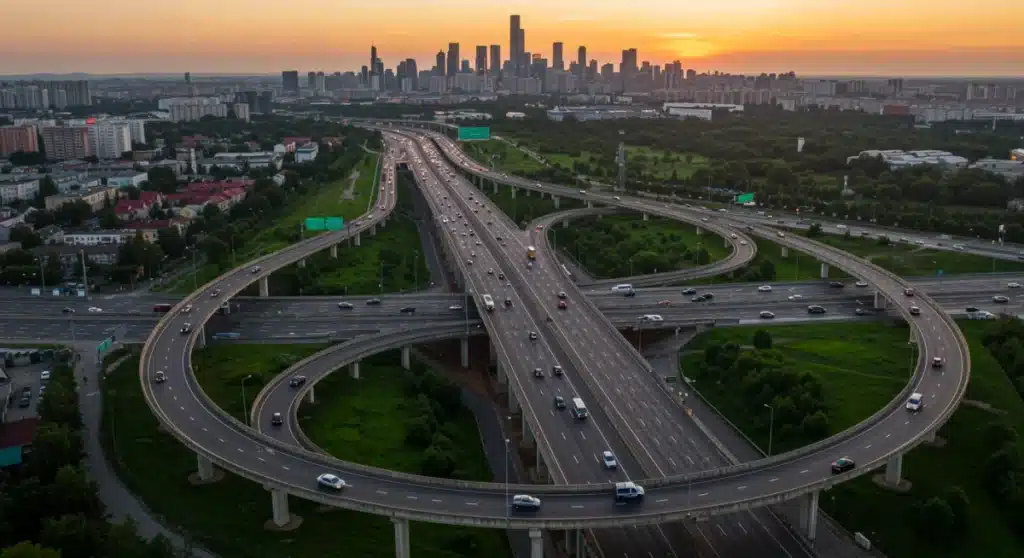
Have you ever considered how large-scale construction and modernization efforts might directly influence your routine?
Over the next year, the landscape of the United States will continue to evolve through significant investments in its foundational systems.
These US infrastructure projects are not just abstract government initiatives; they are tangible developments designed to improve the quality, efficiency, and sustainability of your everyday experiences. From your morning commute to how you access information, these changes promise a noticeable impact.
Revolutionizing Transportation Networks
The foundation of a strong economy has always been a reliable transportation system. In 2026 and beyond, large-scale upgrades led by agencies such as the U.S. Department of Transportation are reshaping how Americans commute, ship goods, and connect across regions.
From highways to rail corridors and airports, infrastructure modernization is moving from long-term promise to visible, daily impact.
Across the United States, billions of dollars are being directed toward improving:
Highways and interstate corridors
Structurally deficient bridges
Urban public transit systems
Freight rail networks
Regional and international airports
These investments aim to reduce congestion, improve safety, support job growth, and strengthen supply chains — all while easing the everyday burden on commuters.
Smarter Roads, Not Just Wider Highways
Transportation modernization today is about intelligence as much as expansion.
Rather than simply adding new lanes, many states are implementing smart traffic management systems, including:
Real-time congestion monitoring
Adaptive traffic signals that respond to traffic flow
Digital highway signage with predictive travel times
Integrated GPS data for dynamic rerouting
These systems use sensors and analytics to reduce bottlenecks and respond faster to accidents or road hazards.
For daily commuters, this can mean:
Shorter travel times
More predictable commutes
Reduced fuel consumption
Fewer stop-and-go traffic patterns
The goal isn’t just more pavement — it’s better flow.
Repairing and Reinforcing Aging Infrastructure
Many bridges and roadways across the country were built decades ago and now require urgent upgrades. Addressing these aging structures reduces both safety risks and long-term maintenance costs.
Bridge rehabilitation projects include:
Structural reinforcement
Seismic retrofitting in vulnerable regions
Expanded weight capacity for freight
Improved drainage systems
By proactively repairing infrastructure rather than waiting for emergencies, cities and states are preventing disruptions that could paralyze local economies.
For drivers, safer roads and bridges translate into greater confidence and fewer sudden closures.
Expanding Public Transit and Rail Systems
Urban areas are seeing renewed investment in public transportation. Modernization projects are focused on:
Electrifying bus fleets
Expanding commuter rail lines
Updating subway signaling systems
Building bus rapid transit (BRT) corridors
Enhancing accessibility at stations
Improved public transit reduces traffic congestion while lowering carbon emissions. Faster, cleaner, and more reliable systems encourage commuters to shift away from single-occupancy vehicles.
In major metropolitan regions, rail corridor upgrades are also improving freight efficiency — helping goods move faster and stabilizing supply chains.
Electric Vehicle (EV) Charging Integration
As electric vehicle adoption accelerates, infrastructure is adapting accordingly. Transportation upgrades increasingly include:
Highway fast-charging stations
Charging hubs at rest stops
Urban curbside charging
Fleet charging depots for delivery vehicles
This nationwide EV charging expansion reduces “range anxiety” and supports cleaner transportation options.
For daily drivers, the visibility of charging stations along major routes reinforces confidence in transitioning to electric vehicles — which can lower long-term fuel and maintenance costs.
Airport and Air Travel Improvements
Air travel infrastructure is also undergoing transformation. Airport modernization projects include:
Expanded terminals
Faster security screening technology
Improved baggage systems
Runway upgrades
Enhanced accessibility for passengers
These upgrades improve travel efficiency while accommodating rising passenger demand. Modernized airports help reduce delays, improve passenger flow, and strengthen regional economies tied to tourism and business travel.
Economic and Everyday Benefits
Transportation infrastructure affects far more than commute times. The broader impacts include:
Job creation in construction and engineering
Stronger logistics and freight efficiency
Lower vehicle repair costs from improved road quality
Reduced fuel waste from smoother traffic flow
Increased property values in upgraded corridors
For everyday Americans, this means less time stuck in traffic, fewer vehicle repairs caused by poor road conditions, and more reliable transit options.
A System Built for the Future
Revolutionizing transportation networks is about future readiness. Modern infrastructure must support:
Growing populations
E-commerce freight demand
Remote and hybrid work flexibility
Environmental sustainability goals
Rapid technological innovation
By investing in smarter, safer, and more sustainable systems, the United States is building transportation networks designed to meet both current needs and future challenges.
For commuters, business owners, and families alike, these upgrades are more than construction projects — they are daily-life improvements that reduce stress, enhance mobility, and strengthen economic resilience for years to come.
Upgrading Roads and Bridges
Many American roads and bridges are decades old, struggling to keep pace with increasing traffic demands. New projects focus on comprehensive repairs and strategic expansions.
Reduced Commute Times: Improved road surfaces and expanded capacities mean less time stuck in traffic.
Enhanced Safety: Modern engineering and materials lead to safer driving conditions and fewer accidents.
Lower Vehicle Maintenance: Smoother roads reduce wear and tear on personal vehicles.
These improvements translate directly into tangible benefits. Imagine a daily commute that shaves off precious minutes, allowing for more time with family or personal pursuits. The ripple effect extends to businesses, enabling quicker delivery of goods and services.
Public transportation is also receiving a much-needed boost, with funding allocated to update aging subway systems, expand bus routes, and develop new rail lines.
This aims to provide more accessible and environmentally friendly alternatives to driving, particularly in urban centers. The integration of various transit options through improved hubs will make intermodal travel seamless, reducing reliance on single-occupancy vehicles.
The transformation of transportation networks represents a fundamental shift towards a more connected and efficient society.
These projects are designed to ensure that America’s infrastructure can support its citizens and economy well into the future, making daily travel less burdensome and more productive for everyone.
Expanding High-Speed Internet Access
In today’s digital age, reliable and fast internet access is no longer a luxury but a fundamental necessity. Many rural and underserved communities across the US still lack adequate broadband infrastructure, creating a significant digital divide.
Infrastructure spending is now heavily focused on bridging this gap, bringing high-speed internet to every corner of the nation.
This expansion is critical for education, healthcare, remote work, and economic development.
The goal is to ensure that all Americans have the same opportunities to connect, learn, and thrive in an increasingly digital world. The impact of these broadband initiatives will be felt profoundly in homes and businesses alike.
Bridging the Digital Divide
The lack of internet access in certain areas has stifled growth and limited opportunities. New federal and state programs are targeting these specific regions.
Enhanced Remote Work: Stable internet enables more people to work from home effectively.
Improved Telehealth Services: Access to virtual doctor visits becomes feasible for all.
Better Educational Outcomes: Students can participate in online learning without interruption.
Imagine a family in a remote town suddenly gaining access to fiber-optic internet. This opens up a world of possibilities, from streaming educational content to running an online business. It empowers individuals and communities, fostering innovation and inclusion.
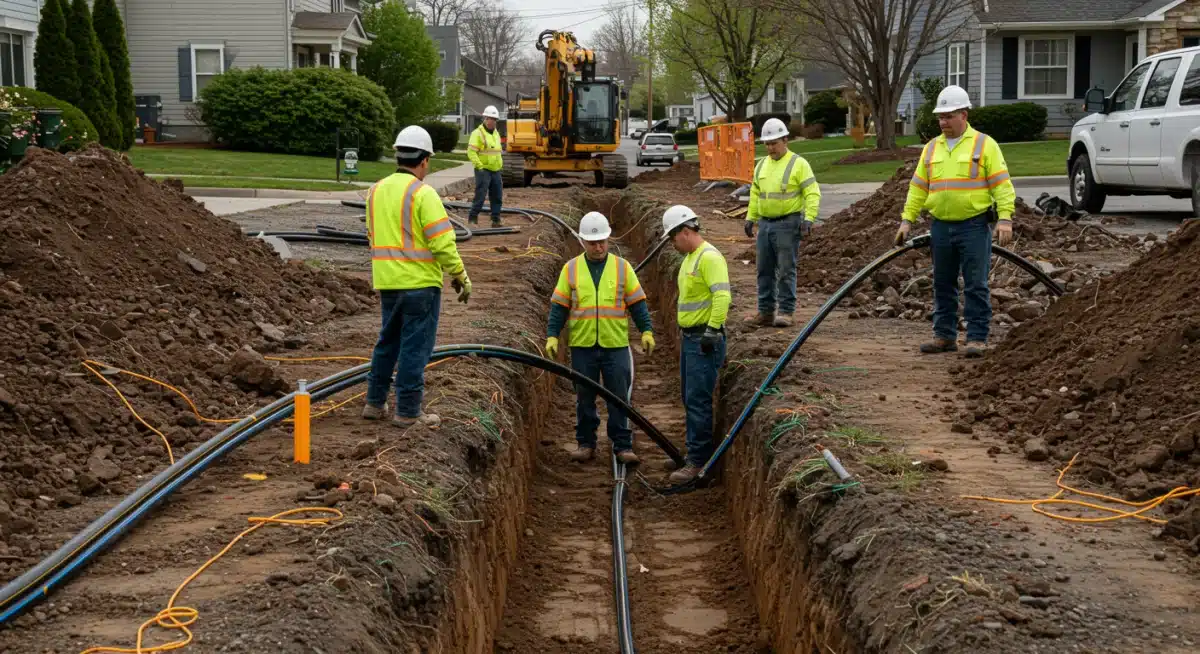
Beyond simply laying cables, the projects also involve upgrading existing infrastructure to support higher speeds and greater reliability.
This means fewer internet outages and more consistent performance for everyone, even in areas that already have some form of broadband.
The shift towards universal high-speed internet will redefine how Americans interact with the world, making digital services an integral part of daily life.
The expansion of high-speed internet access is a transformative effort that will democratize information and services. It will empower citizens, stimulate local economies, and ensure that no community is left behind in the digital transformation, fundamentally changing how millions live and work.
Modernizing Energy Grids and Promoting Renewables
The nation’s energy infrastructure is undergoing a significant overhaul, driven by the dual goals of reliability and sustainability.
Aging power grids are being modernized to withstand extreme weather events and integrate diverse energy sources more effectively.
Simultaneously, there’s a strong push towards renewable energy projects, aiming to reduce carbon emissions and create a cleaner future.
These initiatives will impact everything from your electricity bill to the air quality in your community.
The transition to a more resilient and sustainable energy system is a complex but necessary undertaking that will have long-term benefits for all Americans, directly influencing daily energy consumption and availability.
Building a Resilient Grid
Power outages can be disruptive and costly. Investments are being made to strengthen the grid against natural disasters and cyber threats.
Fewer Power Outages: A modernized grid is more resilient and less prone to failures.
Stable Energy Supply: Integration of diverse sources ensures consistent power.
Lower Energy Costs: Efficiency improvements can lead to long-term savings for consumers.
Consider the peace of mind that comes with knowing your power supply is more secure, especially during harsh weather.
This reliability supports everything from home heating and cooling to essential medical equipment, making daily life more predictable and comfortable.
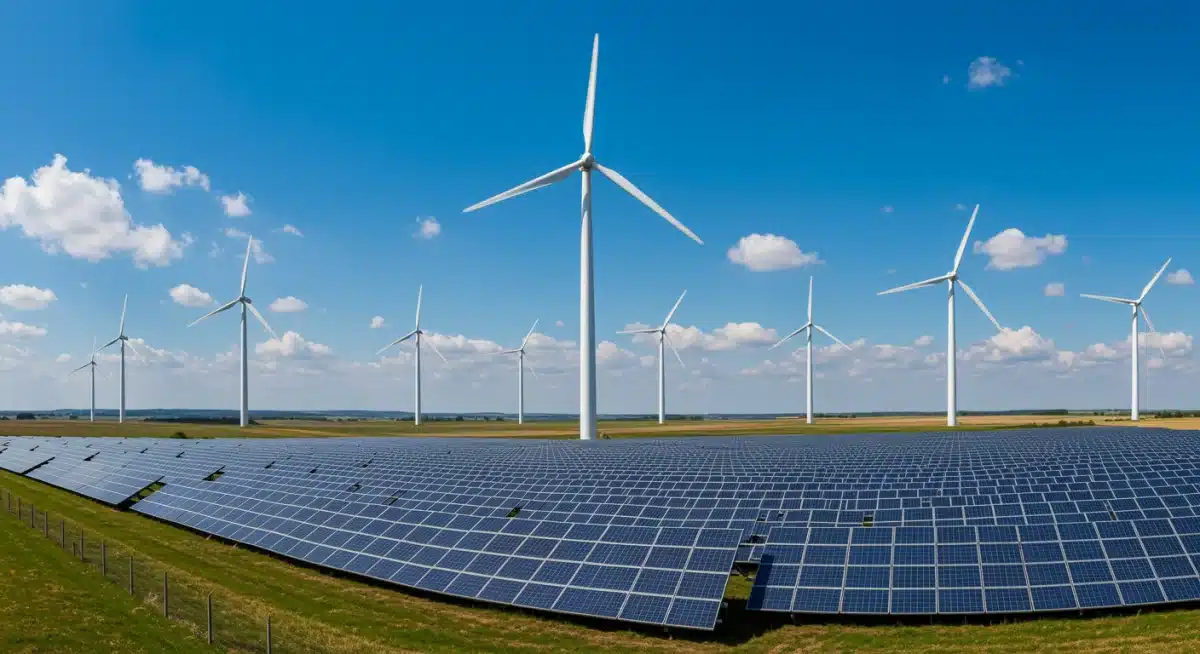
The push for renewable energy sources like solar, wind, and hydropower is gaining unprecedented momentum.
New infrastructure projects are facilitating the construction of large-scale renewable energy farms and the necessary transmission lines to bring that power to homes and businesses. This shift not only combats climate change but also diversifies the energy portfolio, reducing reliance on fossil fuels.
Furthermore, smart grid technologies are being implemented to optimize energy distribution, allowing for more efficient use of resources and better management of demand.
This includes advanced metering infrastructure that provides consumers with more granular data on their energy usage, empowering them to make more informed decisions about conservation.
The modernization of the energy grid and the integration of renewables are pivotal steps toward a sustainable and secure energy future for the US.
Improving Water and Wastewater Systems
Access to clean, safe drinking water is a fundamental human right, yet many communities across the US still grapple with outdated and contaminated water infrastructure.
Significant funding is now being allocated to replace lead pipes, upgrade treatment facilities, and improve wastewater management systems. These projects are vital for public health and environmental protection.
The improvements will ensure that families have access to clean water for drinking, cooking, and bathing, while also preventing pollution of natural ecosystems. This directly impacts the health and well-being of millions, making water infrastructure a critical component of daily life.
Addressing Lead Pipe Replacement
Lead contamination in drinking water poses serious health risks, particularly for children. Nationwide initiatives are accelerating the replacement of lead service lines.
Safer Drinking Water: Eliminating lead pipes ensures healthier water for all.
Reduced Health Risks: Decreased exposure to harmful contaminants.
Increased Property Value: Modernized water infrastructure can enhance home value.
Imagine the relief parents will feel knowing their children are drinking water free from harmful lead. This directly improves public health and reduces the burden on healthcare systems, allowing communities to thrive without the constant worry of water quality.
Beyond lead pipes, wastewater treatment plants are also undergoing major upgrades to improve their efficiency and capacity.
This means better processing of sewage and industrial waste, preventing harmful pollutants from entering rivers, lakes, and oceans. The environmental benefits are substantial, supporting biodiversity and recreational activities.
The investment in water and wastewater systems is a long-term commitment to public health and environmental stewardship. These projects are designed to provide safe and reliable water services for generations, safeguarding natural resources and ensuring a healthier daily life for all citizens.
Enhancing Public Spaces and Resilience
Infrastructure development isn’t solely about utilities and transportation; it also encompasses the creation and enhancement of public spaces that foster community well-being and environmental resilience.
Parks, greenways, community centers, and flood protection systems are integral components of this broader vision. These projects aim to improve quality of life, provide recreational opportunities, and protect communities from the impacts of climate change.
The development of these public assets directly influences how people interact with their environment and each other, supporting physical activity, mental health, and social cohesion. They are crucial for building vibrant, sustainable communities.
Creating Green Infrastructure
Green infrastructure solutions, such as permeable pavements and urban tree planting, help manage stormwater and reduce the urban heat island effect.
Improved Air Quality: More green spaces filter pollutants and produce oxygen.
Reduced Flood Risk: Natural drainage systems mitigate the impact of heavy rainfall.
Enhanced Community Spaces: Parks and greenways offer vital recreational areas.
Picture a new community park transforming a previously neglected urban lot, offering a safe and beautiful space for children to play and families to gather. These improvements contribute significantly to the overall livability and appeal of neighborhoods, making daily life more enjoyable.
Furthermore, significant investments are being made in projects designed to protect communities from natural disasters.
This includes the construction of new seawalls, levees, and early warning systems to mitigate the impact of floods, hurricanes, and wildfires. These resilience projects are essential for ensuring the safety and stability of homes and businesses, preventing devastating losses and disruptions.
By enhancing public spaces and building resilience, infrastructure projects contribute to a holistic improvement in daily life.
They create environments that are not only functional but also beautiful, safe, and conducive to community well-being, fostering a stronger connection between people and their surroundings.
Economic Impact and Job Creation

Beyond the direct improvements to physical infrastructure, these massive undertakings have a profound economic impact.
The sheer scale of these projects generates millions of jobs across various sectors, from construction and engineering to manufacturing and logistics. This economic stimulus is felt nationwide, creating opportunities and fostering growth in local economies.
The long-term economic benefits extend beyond job creation, as improved infrastructure reduces operational costs for businesses, attracts new investments, and increases overall productivity.
These ripple effects contribute to a stronger, more stable economy that benefits all Americans, influencing financial well-being and career prospects.
New Opportunities for Workers
The demand for skilled labor in construction and related fields is surging, creating numerous employment opportunities. This includes both entry-level positions and specialized roles.
Increased Employment: Millions of jobs created directly and indirectly.
Skills Development: Training programs emerge to meet demand for specialized trades.
Economic Growth: Local economies boosted by increased spending and activity.
Imagine a young person entering the workforce finding a well-paying job in a construction project, learning valuable skills that will last a lifetime.
This not only provides financial stability but also contributes to personal and professional development, strengthening the national workforce.
Moreover, the improvements in transportation networks, broadband access, and energy systems make the US a more attractive place for businesses to operate.
Reduced shipping costs, reliable internet, and a stable power supply lower overheads and encourage companies to invest and expand.
This inflow of capital and business activity creates a virtuous cycle of economic prosperity, benefiting communities through increased tax revenues and local services.
The economic impact of these US infrastructure projects is a powerful driver of national prosperity. By creating jobs, stimulating local economies, and fostering a more efficient business environment, these investments lay the groundwork for sustained economic growth and improved financial stability for families across the country.
| Key Impact Area | Brief Daily Life Description |
|---|---|
| Transportation | Faster commutes, safer roads, and expanded public transit options. |
| Broadband Access | Reliable high-speed internet for remote work, education, and telehealth. |
| Energy Grid | Fewer power outages, cleaner energy, and potentially lower energy bills. |
| Water Systems | Safer drinking water and improved wastewater management for public health. |
Frequently Asked Questions About US Infrastructure Projects
Improved transportation infrastructure, including road repairs, bridge upgrades, and public transit expansions, will lead to reduced traffic congestion.
This means shorter commute times, less fuel consumption, and a generally smoother, less stressful journey to and from work or other destinations, saving you valuable time each day.
You can anticipate faster, more reliable high-speed internet, especially if you reside in a rural or underserved area.
Projects are focused on deploying fiber optics and other advanced technologies to close the digital divide, enabling seamless remote work, online education, telehealth services, and improved entertainment streaming for all households.
Modernizing energy grids and investing in renewable sources aim to increase efficiency and stability. While initial costs are involved, long-term benefits include fewer power outages and the potential for more stable or even decreasing energy costs due to diversified and cleaner energy generation.
Water infrastructure upgrades ensure safer water, which also has long-term health and economic benefits.
Many infrastructure projects are designed with sustainability in mind. This includes expanding renewable energy capacity, improving wastewater treatment to protect natural ecosystems, and developing green infrastructure like urban parks.
These efforts reduce carbon emissions, improve air and water quality, and build community resilience against climate change impacts, benefiting everyone.
These large-scale projects are significant job creators, fostering employment in construction, engineering, and related industries.
Beyond direct jobs, improved infrastructure enhances business efficiency, attracts new investments, and stimulates local economies. This leads to increased economic prosperity, higher wages, and a more robust national economy, benefiting families and communities.
Conclusion
The extensive investment in US infrastructure projects is poised to bring about profound and positive transformations in the daily lives of Americans over the next year.
From smoother commutes and universally accessible high-speed internet to a more resilient energy grid and safer drinking water, these developments are designed to enhance convenience, safety, and overall quality of life.
Beyond the immediate practical benefits, these initiatives are also driving significant economic growth and fostering a more sustainable future for communities nationwide.
As these projects advance, their collective impact will be felt in countless ways, shaping a more connected, efficient, and prosperous United States for generations to come.