Managing Holiday Stress: 10 Tips for a Peaceful Season 2026

The holiday season, often envisioned as a time of joy and togetherness, can frequently morph into a period of heightened stress and overwhelming demands. From gift shopping and elaborate meal preparations to navigating family dynamics and packed social calendars, the pressure to create a “perfect” holiday can be immense.
For many, the festive cheer is overshadowed by anxiety, exhaustion, and financial strain. This year, as we approach 2026, it’s time to reclaim the true spirit of the holidays by proactively addressing these common stressors. This article provides 10 essential tips for managing holiday stress, guiding you towards a more peaceful, joyful, and genuinely memorable season.
Understanding the Holiday Stress Phenomenon
The annual holiday season, while filled with expectations of warmth and celebration, often brings a unique set of pressures that can significantly impact our mental and emotional well-being. Understanding why this time of year can be so stressful is the first step toward effectively managing holiday stress. It’s not just about the volume of tasks but also the emotional weight associated with them.
Many factors contribute to the holiday stress phenomenon. Financial pressures loom large for many, as the expectation to give lavish gifts and host extravagant gatherings can strain budgets. The sheer number of social obligations, from office parties to family dinners, can lead to feelings of being overscheduled and overwhelmed.
Furthermore, family dynamics, which can be challenging at any time, often become amplified during forced gatherings, bringing old tensions to the surface. The pursuit of perfection, fueled by media portrayals of idyllic holidays, also adds immense pressure, leading to disappointment when reality inevitably falls short.
The Psychological Impact of Holiday Expectations
Our collective imagination often paints a picture of flawless holiday scenes – joyful families, perfectly prepared meals, and effortless gift exchanges. These idealized images, while beautiful, can set unrealistic expectations that are impossible to meet.
When our personal experiences don’t align with these visions, feelings of inadequacy, guilt, and sadness can arise, compounding existing stress. The pressure to be constantly happy and festive can also be exhausting, making it difficult to acknowledge and process other emotions.
Unrealistic Expectations: The gap between ideal and reality often fuels disappointment.
Financial Strain: Overspending can lead to anxiety long after the holidays end.
Social Overload: Too many commitments can deplete energy and mental reserves.
Family Dynamics: Navigating complex relationships can be emotionally taxing.
Recognizing these underlying causes is crucial. It allows us to approach the season with greater awareness and to implement strategies that address the root of our holiday stress, rather than just reacting to its symptoms. By acknowledging that these feelings are common and valid, we can begin to cultivate a more compassionate and realistic approach to the holidays.
Tip 1: Plan Ahead and Prioritize
One of the most effective ways to combat holiday stress is to engage in proactive planning. The sheer volume of tasks during this season can feel daunting, but breaking them down and prioritizing can make everything much more manageable. Starting early allows you to spread out the workload and avoid the last-minute rush that often leads to burnout and anxiety.
Begin by creating a comprehensive list of everything you need to do: gifts to buy, cards to send, meals to prepare, events to attend, and travel arrangements. Once you have this list, categorize items by urgency and importance.
Not everything needs to be done immediately, and some things might not need to be done at all. Prioritizing helps you focus your energy where it matters most, ensuring that essential tasks are completed without undue pressure.
Setting Realistic Goals for the Season
Beyond just task management, setting realistic goals for the entire season is vital. This includes acknowledging your limitations and being honest about what you can realistically achieve without sacrificing your well-being.
Instead of aiming for perfection, strive for enjoyment and connection. It’s okay if not every detail is flawless; the memories created are often more important than the impeccable execution of every plan.
Create a Master List: Document all tasks, big and small.
Delegate Responsibilities: Don’t try to do everything yourself; involve family members.
Set a Budget: Financial planning reduces a significant source of stress.
Schedule Downtime: Plan for relaxation just as you would for social events.
Planning ahead also extends to financial considerations. By setting a budget for gifts, decorations, and entertaining, you can avoid post-holiday financial stress. Sticking to this budget can alleviate a major source of anxiety and allow you to enjoy the season without worrying about future financial repercussions. Remember, the goal is a peaceful holiday, not a perfect one. Proactive planning helps you achieve that balance.
Tip 2: Learn to Say No Gracefully
The holiday season often comes with an influx of invitations and requests, making it challenging for many to decline without feeling guilty.
However, over-committing is a direct path to exhaustion and increased stress. Learning to say no gracefully is a powerful tool for protecting your time, energy, and mental health during this busy period. It’s about setting boundaries that honor your capacity and priorities.
Saying no doesn’t mean you’re being Grinch-like; it means you’re being realistic about your limitations. You don’t need to offer lengthy explanations or apologies. A simple, polite decline is often sufficient.
For instance, “Thank you so much for the invitation, but I won’t be able to make it this year,” is perfectly acceptable. If you feel compelled to offer an alternative, you can suggest a different time or a less demanding activity.
Prioritizing Your Well-being Over Obligations
Your well-being should be a top priority, especially during a season that demands so much. Every “yes” to an external request is a “no” to something else, potentially your rest, personal time, or family time. By selectively choosing which invitations and activities to accept, you ensure that you have enough energy for the events that truly matter to you and for self-care.
Be Honest with Yourself: Assess your energy levels before committing.
Practice Polite Refusals: Have a few go-to phrases ready.
Don’t Over-Explain: Keep your response brief and clear.
Prioritize What Matters: Focus on events that genuinely bring you joy.
Remember that saying no allows you to fully engage with the commitments you do choose to take on. It prevents resentment and burnout, ensuring that the time you spend celebrating is genuinely enjoyable and meaningful.
This skill is not just for the holidays but is a valuable life tool for maintaining balance and preventing overwhelm. It’s a crucial step in managing holiday stress effectively.
Tip 3: Manage Your Expectations
One of the biggest sources of holiday stress stems from unrealistic expectations. We often carry idealized notions of what the holidays “should” be like, often influenced by childhood memories, movies, or social media.
When reality inevitably falls short of these perfect visions, disappointment, frustration, and stress can quickly set in. Managing your expectations is about embracing imperfection and finding joy in the authentic moments, rather than chasing an elusive ideal.
Start by acknowledging that no holiday season is ever truly perfect. There will be bumps, disagreements, and moments that don’t go exactly as planned. Instead of striving for flawlessness, aim for connection, gratitude, and presence. Focus on what you can control and let go of the rest. This shift in perspective can significantly reduce pressure and allow for more genuine enjoyment.
Embracing Imperfection and Flexibility
Flexibility is key during the holidays. Be prepared for things to change, for plans to shift, and for unexpected challenges to arise. Instead of viewing these as failures, see them as opportunities to adapt and find new solutions.
Perhaps a traditional dish doesn’t turn out as planned, or a family member can’t make it to an event. Rather than dwelling on the negative, focus on the positive aspects that remain or the new traditions that might emerge.
Challenge Idealized Images: Recognize that media often presents unrealistic holiday scenarios.
Focus on Connection: Prioritize relationships over material perfection.
Be Adaptable: Embrace changes and unexpected moments gracefully.
Communicate Openly: Discuss expectations with family to avoid misunderstandings.
Open communication with family and friends about expectations can also prevent misunderstandings and reduce stress. Discuss gift-giving limits, meal contributions, and attendance at events to ensure everyone is on the same page. When expectations are aligned, there’s less room for disappointment. By managing your expectations, you create space for a more relaxed and authentic holiday experience, making it easier to navigate the season with peace and joy.
Tip 4: Maintain Healthy Habits
During the busy holiday season, it’s easy to let go of healthy routines in favor of indulgence and frantic activity. However, neglecting self-care can quickly lead to increased stress, fatigue, and even illness.
Maintaining healthy habits—such as regular exercise, a balanced diet, and sufficient sleep—is more crucial than ever for managing holiday stress and supporting your mental and physical resilience.
Even small efforts can make a big difference. Try to incorporate at least 30 minutes of physical activity most days, whether it’s a brisk walk, a home workout, or a dance party with holiday music.
Pay attention to your diet, aiming for nutritious meals most of the time, and allowing for occasional treats without guilt. And prioritize sleep; consistent, adequate rest is fundamental for mood regulation and energy levels, helping you cope better with holiday demands.
The Interplay of Physical and Mental Well-being
There’s a strong correlation between physical health and mental well-being. When you nourish your body with good food, exercise, and rest, your mind is better equipped to handle stress. Conversely, neglecting these fundamental needs can exacerbate feelings of anxiety and overwhelm.
The holiday season, with its rich foods and late nights, often presents challenges to maintaining these habits, but conscious effort can mitigate the negative impacts.
Prioritize Sleep: Aim for 7-9 hours of quality sleep each night.
Stay Active: Regular exercise reduces stress hormones and boosts mood.
Eat Mindfully: Balance festive treats with nutrient-rich foods.
Hydrate Regularly: Drinking enough water supports overall bodily functions.
Beyond these core habits, consider incorporating stress-reducing practices into your daily routine. This could include a few minutes of meditation, deep breathing exercises, or simply taking a quiet moment for yourself.
These practices can help ground you amidst the holiday chaos. By consciously maintaining healthy habits, you build a strong foundation for both physical and mental resilience, ensuring you can enjoy the holidays without succumbing to stress.
Tip 5: Practice Mindfulness and Gratitude
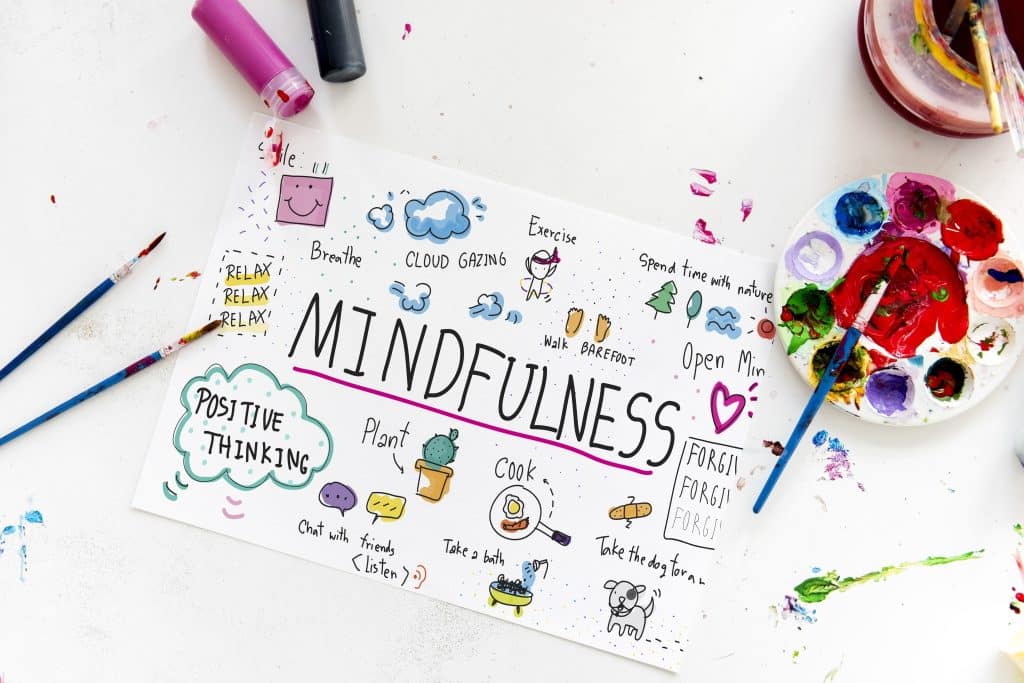
In the whirlwind of holiday preparations and social engagements, it’s easy to get caught up in anxieties about the past or worries about the future.
Practicing mindfulness and gratitude can bring you back to the present moment, helping to reduce stress and enhance your appreciation for the season. These practices encourage you to fully experience and value the simple joys that the holidays offer.
Mindfulness involves paying deliberate attention to the present moment without judgment. This could mean savoring the taste of a holiday meal, truly listening to a loved one’s story, or noticing the warmth of a festive fire.
Taking even a few minutes each day for mindful breathing can help to calm your nervous system and create a sense of inner peace amidst external chaos. It’s about being fully present for the moments that matter.
Cultivating an Attitude of Appreciation
Gratitude is another powerful antidote to stress. When we focus on what we are thankful for, it shifts our perspective away from what’s lacking or what’s causing us worry. Keeping a gratitude journal, even just listing three things you’re grateful for each day, can transform your mindset. Expressing gratitude to others, through words or small gestures, can also deepen connections and foster a more positive atmosphere.
Daily Mindfulness Moments: Take time to be fully present.
Gratitude Journaling: List things you are thankful for each day.
Mindful Eating: Savor your holiday meals and treats.
Express Appreciation: Share your gratitude with loved ones.
Engaging in these practices doesn’t require a significant time commitment, but their impact on your stress levels and overall well-being can be profound. By consciously choosing to be mindful and grateful, you can navigate the holiday season with greater calm, appreciation, and joy, making it a truly peaceful and memorable time. These tools are invaluable for managing holiday stress effectively.
Tip 6: Don’t Forget to Delegate and Ask for Help
One of the most common pitfalls during the holidays is feeling like you have to do everything yourself. This self-imposed pressure can quickly lead to exhaustion and resentment.
Learning to delegate tasks and confidently asking for help are essential strategies for managing holiday stress and ensuring that the burden doesn’t fall squarely on your shoulders. Remember, the holidays are a communal experience, and sharing the responsibilities can foster a stronger sense of togetherness.
Think about all the tasks on your holiday to-do list. Could some of them be handled by others? Perhaps a family member could bring a dish to dinner, a friend could help with gift wrapping, or your children could assist with decorations.
Even small tasks, when delegated, can free up significant time and mental energy. It’s not a sign of weakness to ask for assistance; it’s a sign of good judgment and a commitment to your well-being.
Empowering Others and Building Community
Delegating not only lightens your load but also empowers others to contribute and feel more involved in the holiday preparations. When you ask for help, you’re not just getting a task done; you’re creating opportunities for shared experiences and strengthening bonds.
Many people are eager to help but simply don’t know how or haven’t been asked. Be specific about what you need, and don’t be afraid to clearly communicate your expectations.
Identify Delegable Tasks: Make a list of what others can do.
Communicate Clearly: Be specific about what help you need.
Don’t Micromanage: Trust others to complete tasks their way.
Offer Reciprocal Help: Be willing to assist others when they need it.
By distributing responsibilities, you prevent individual overload and promote a more collaborative and enjoyable holiday experience for everyone.
It fosters a sense of teamwork and allows you to focus on the aspects of the holidays that you genuinely enjoy, rather than feeling swamped by endless chores. Embrace the idea that you don’t have to be a holiday hero; allowing others to contribute makes the season richer for all.
Tip 7: Prioritize Meaningful Connections Over Perfection

In the pursuit of a flawless holiday, it’s easy to lose sight of what truly matters: the meaningful connections we share with loved ones. The pressure to host the perfect party, bake the most elaborate cookies, or buy the most impressive gifts can overshadow the simple joy of spending quality time with family and friends.
This tip is about shifting your focus from external displays to internal fulfillment, ensuring your holidays are rich in genuine interaction.
Take a moment to reflect on what makes the holidays special for you. Is it the perfectly roasted turkey, or is it the laughter shared around the dinner table?
Is it the meticulously wrapped presents, or is it the heartfelt conversations with those you care about? More often than not, it’s the human connection, the shared experiences, and the feeling of belonging that leave the most lasting and cherished memories. Prioritize these moments above all else.
Creating Authentic Holiday Experiences
Authenticity in your holiday celebrations can significantly reduce stress. Instead of trying to replicate an idealized image, create experiences that genuinely reflect your values and preferences.
This might mean opting for a potluck dinner instead of cooking everything yourself, choosing simple, homemade gifts over store-bought extravagance, or even suggesting a casual get-together rather than a formal event. The goal is to foster an environment where everyone feels comfortable and connected.
Focus on Quality Time: Engage in activities that promote genuine interaction.
Simplify Traditions: Re-evaluate what truly brings joy, and let go of the rest.
Listen Actively: Give your full attention to conversations with loved ones.
Share Stories: Encourage the sharing of memories and experiences.
By emphasizing meaningful connections, you not only reduce your own stress but also create a more relaxed and enjoyable atmosphere for everyone involved. People are often more appreciative of your presence and attention than they are of elaborate decorations or expensive gifts.
This approach helps to redefine success during the holiday season, measuring it by the depth of your relationships rather than the perfection of your plans. This is a cornerstone of effective managing holiday stress.
Tip 8: Set Aside Time for Self-Care
Amidst the hustle and bustle of the holiday season, self-care often feels like a luxury rather than a necessity. However, neglecting your own needs can quickly lead to exhaustion, irritability, and increased stress.
Setting aside dedicated time for self-care is not selfish; it’s essential for maintaining your physical and mental health, allowing you to fully enjoy the holidays and be present for your loved ones. Think of it as recharging your batteries.
Self-care doesn’t have to be elaborate or time-consuming. It can be as simple as taking a warm bath, reading a book for 30 minutes, going for a quiet walk, listening to your favorite music, or enjoying a cup of tea in solitude.
The key is to consciously carve out moments for yourself that are restorative and help you decompress from the day’s demands. Even 15-20 minutes of uninterrupted personal time can make a significant difference in your stress levels.
Developing a Personalized Self-Care Routine
Consider what activities genuinely help you relax and rejuvenate. For some, it might be exercise; for others, creative pursuits like painting or writing. Build a personalized self-care routine that you can stick to, even during the busiest times.
Schedule these moments into your calendar just as you would any other important appointment, making them non-negotiable. This commitment to yourself ensures you have the energy and resilience to navigate the holiday season with grace.
Schedule “Me Time”: Block out time in your calendar for personal relaxation.
Engage in Hobbies: Reconnect with activities you enjoy.
Practice Relaxation Techniques: Try deep breathing, meditation, or yoga.
Limit Digital Overload: Take breaks from screens and social media.
Remember that self-care is preventative. By regularly tending to your needs, you build a buffer against stress before it becomes overwhelming. It’s about nurturing your inner resources so you can approach the holiday season from a place of strength and calm, rather than depletion.
Prioritizing self-care is a fundamental component of successfully managing holiday stress and ensuring a truly peaceful and enjoyable experience.
Tip 9: Stick to Your Budget
Financial strain is consistently ranked as one of the top stressors during the holiday season. The pressure to buy expensive gifts, host lavish meals, and participate in numerous social events can quickly lead to overspending, resulting in significant debt and anxiety that extends long after the festivities are over. Sticking to a well-planned budget is crucial for managing holiday stress and ensuring financial peace of mind.
Before the season begins, create a detailed budget that covers all your holiday expenses: gifts, decorations, food, travel, and entertainment. Be realistic about what you can afford without dipping into savings or accumulating debt. Once your budget is set, commit to it. This might mean making difficult choices, such as reducing the number of gifts, opting for homemade presents, or suggesting a secret Santa exchange with a spending limit.
Creative Ways to Save Money and Reduce Financial Pressure
There are countless creative ways to celebrate the holidays without breaking the bank. Focus on experiences rather than material possessions, such as a special family outing or a DIY craft session. Consider hosting a potluck where everyone contributes a dish, reducing the financial burden on a single host. Handmade gifts or services, like babysitting vouchers, can be deeply meaningful and cost very little. The true spirit of giving doesn’t lie in the price tag.
Create a Detailed Budget: Allocate funds for all holiday categories.
Track Your Spending: Monitor purchases to stay within limits.
Consider Homemade Gifts: Personalized gifts often have more sentimental value.
Propose Gift Exchanges: Suggest Secret Santa or white elephant games.
Openly communicating about financial expectations with family and friends can also alleviate pressure. Many people feel similar financial stress and would welcome suggestions for more budget-friendly celebrations. By prioritizing financial responsibility, you protect your future well-being and ensure that the joy of the holidays isn’t overshadowed by post-holiday financial woes. A financially sound holiday is a peaceful holiday.
Tip 10: Embrace the True Spirit of the Season
Ultimately, managing holiday stress comes down to remembering and embracing the true spirit of the season. Beyond the commercialism and the endless to-do lists, the holidays are traditionally a time for reflection, gratitude, connection, and spreading goodwill. When we reconnect with these core values, many of the external pressures begin to fade, and a deeper sense of peace and joy can emerge.
Take time to reflect on what the holidays truly mean to you. Is it about religious observance, family traditions, acts of kindness, or simply a chance to pause and appreciate life?
Realigning your focus with these personal meanings can help you prioritize activities that genuinely nourish your soul and bring you happiness, rather than feeling obligated to participate in activities that drain your energy or don’t resonate with you.
Finding Joy in Simplicity and Giving Back
Often, the most profound holiday experiences come from simplicity and acts of giving that extend beyond material gifts. Consider volunteering your time to a cause you care about, helping those less fortunate, or simply performing small acts of kindness for your neighbors. These actions not only bring immense personal satisfaction but also ground you in the community spirit that defines the season.
Reflect on Personal Meaning: Identify what truly resonates with you.
Engage in Acts of Kindness: Volunteer or help others in your community.
Create New Meaningful Traditions: Focus on experiences over possessions.
Connect with Nature: Spend time outdoors to de-stress and reflect.
By consciously choosing to engage with the holidays in a way that reflects your deepest values, you can transform a potentially stressful period into a genuinely fulfilling and peaceful one.
It’s about creating memories that are rich in meaning, connection, and joy, rather than being overshadowed by obligation or anxiety. Embrace the true spirit, and you’ll find the holidays can be a source of profound happiness and rejuvenation.
| Key Stress Management Tip | Brief Description |
|---|---|
| Plan Ahead & Prioritize | Organize tasks early and focus on what truly matters to avoid last-minute rush. |
| Set Aside Self-Care | Schedule dedicated time for personal relaxation and rejuvenation to maintain well-being. |
| Manage Expectations | Embrace imperfection and focus on genuine joy rather than an idealized holiday scenario. |
| Stick to Your Budget | Prevent financial stress by planning and adhering to a realistic spending limit. |
Frequently Asked Questions About Holiday Stress
Holidays often bring increased financial pressure, social obligations, family dynamics, and the pursuit of unrealistic perfection. These combined factors can create significant mental and emotional strain, leading to feelings of overwhelm and anxiety for many individuals during the festive season.
To say no gracefully, practice polite but firm refusals without over-explaining. A simple, “Thank you for the invitation, but I won’t be able to make it” is often sufficient. Prioritize your well-being and remember that it’s okay to set boundaries to protect your energy and time.
Even short bursts of self-care can help. Try five minutes of deep breathing, a quick walk around the block, listening to calming music, or enjoying a quiet cup of tea. Prioritize adequate sleep and maintain hydration to keep your energy and mood stable amidst the holiday rush.
Focus on shared positive experiences, avoid sensitive topics, and if a disagreement arises, try to de-escalate by changing the subject or taking a break. Set boundaries beforehand, and remember you can choose to disengage from conversations that become too contentious to protect your peace.
Absolutely. It’s perfectly fine to adapt or skip traditions that no longer bring joy or create undue stress. The holidays should be about connection and happiness, not obligation. Communicate openly with loved ones about your desire to create new, more fitting traditions or simplify existing ones.
Conclusion
The holiday season, with its vibrant tapestry of traditions, celebrations, and gatherings, holds the potential for immense joy and meaningful connection. However, without conscious effort and strategic planning, it can quickly devolve into a period fraught with stress and overwhelm.
By proactively implementing the 10 tips for managing holiday stress discussed in this article, you empower yourself to navigate the season with greater ease, peace, and genuine enjoyment. From diligent planning and setting realistic expectations to prioritizing self-care and embracing the true spirit of the season, each strategy plays a vital role in transforming potential anxiety into authentic celebration.
Remember, the goal is not a perfect holiday, but a peaceful and memorable one, rich in what truly matters: connection, gratitude, and well-being. As we look towards 2026, let these insights guide you in crafting a holiday experience that truly nourishes your mind, body, and spirit.