Manage Stress: 6 Proven Techniques for Daily Life
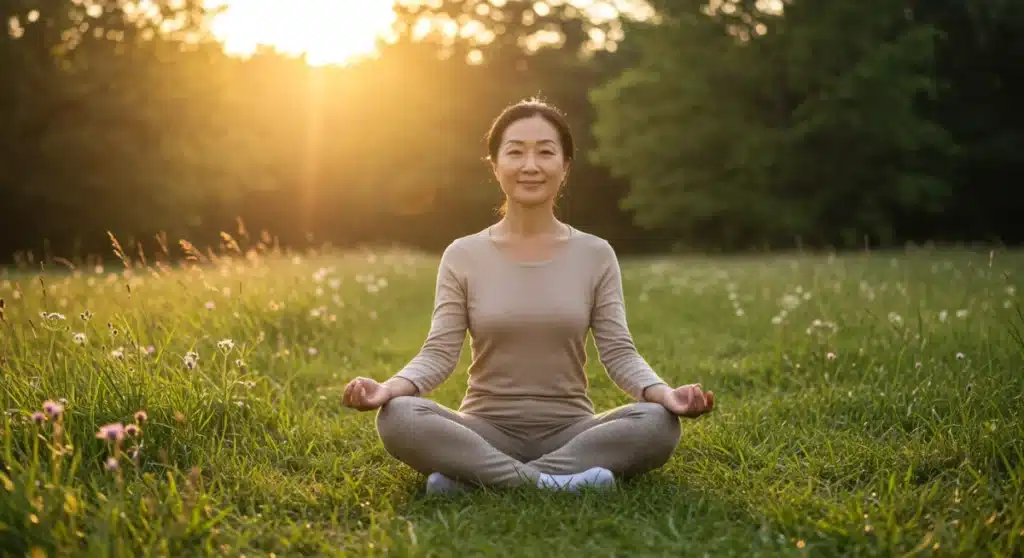
Effectively managing stress and anxiety is crucial for a healthier daily life, and incorporating proven techniques can significantly enhance your mental and emotional well-being.
In the whirlwind of modern life, learning to manage stress daily has become not just a recommendation, but a necessity for maintaining mental and physical health. The constant demands of work, personal responsibilities, and an ever-connected world can often leave us feeling overwhelmed and anxious. This article explores six proven techniques designed to help you reduce anxiety and significantly improve your daily life, offering practical steps you can integrate into your routine right away.
Understanding the Nature of Stress and Its Impact
Before diving into techniques, it’s essential to grasp what stress truly is and how it manifests in our lives. Stress isn’t always negative; in small doses, it can be a motivator, sharpening our focus and preparing us for challenges. However, chronic stress, the kind that lingers and builds, can be incredibly detrimental to our health, affecting everything from our sleep patterns to our immune system.
Recognizing the signs of chronic stress is a crucial first step toward managing it effectively. These signs can be physical, emotional, or behavioral. Physically, you might experience headaches, muscle tension, fatigue, or digestive issues. Emotionally, stress can lead to irritability, anxiety, sadness, or a feeling of being overwhelmed. Behaviorally, it might manifest as changes in eating habits, sleep disturbances, social withdrawal, or increased use of substances.
The Physiological Response to Stress
When faced with a stressor, your body initiates a ‘fight-or-flight’ response, releasing hormones like adrenaline and cortisol. This is an ancient survival mechanism, but in contemporary life, where stressors are rarely life-threatening but often persistent, this response can become overactive. Prolonged exposure to these hormones can lead to inflammation, high blood pressure, and a weakened immune system, underscoring the importance of learning to mitigate this response.
- Adrenaline Surge: Prepares the body for immediate action, increasing heart rate and energy.
- Cortisol Release: Helps manage energy use and suppresses non-essential functions during stress.
- Chronic Activation: Leads to long-term health issues if the stress response is constantly triggered.
Understanding these impacts allows us to approach stress management not as a luxury, but as a fundamental aspect of self-care. By identifying our personal stress triggers and understanding how our bodies react, we can begin to implement strategies that actively counteract these negative effects, paving the way for a more balanced and healthier existence.
Technique 1: Mindful Breathing and Meditation
One of the most immediate and accessible ways to combat stress is through mindful breathing and meditation. These practices bring your awareness to the present moment, interrupting the cycle of anxious thoughts and allowing your body to shift from a state of ‘fight-or-flight’ to one of ‘rest and digest.’ It’s about taking control of your internal state, one breath at a time.
Mindful breathing isn’t complicated; it simply involves focusing on your breath, observing its rhythm and sensation without judgment. This can be done anywhere, anytime – at your desk, in your car, or before bed. Even a few minutes of conscious breathing can significantly lower your heart rate and calm your nervous system. Meditation, while often seen as a more advanced practice, can start with just a few minutes of focused attention, gradually increasing as you become more comfortable.
Simple Steps for Mindful Breathing
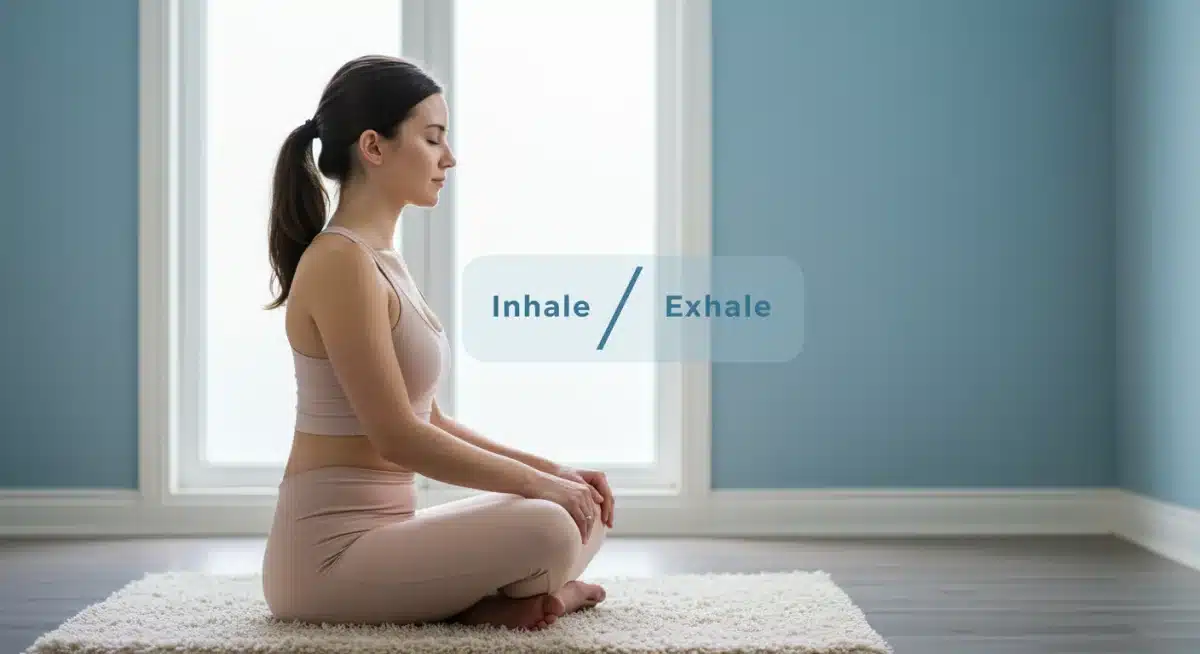
To begin, find a quiet spot where you won’t be disturbed. Sit or lie down comfortably. Close your eyes if you wish, or keep a soft gaze. Place one hand on your chest and the other on your abdomen to feel the movement of your breath. Inhale slowly through your nose, feeling your abdomen rise, then exhale slowly through your mouth, feeling it fall. The goal is not to control your breath, but to observe it.
- Deep Diaphragmatic Breaths: Focus on breathing from your diaphragm, allowing your belly to expand.
- Slow, Even Exhalations: Exhale longer than you inhale to activate the parasympathetic nervous system.
- Body Scan Meditation: Combine breathing with a mental scan of your body, noticing and releasing tension.
Regular practice of mindful breathing and meditation can rewire your brain, making you less reactive to stressors and more resilient in the face of challenges. It’s a powerful tool for cultivating inner peace and improving your overall emotional regulation, contributing significantly to your ability to manage stress daily.
Technique 2: Prioritizing Physical Activity and Movement
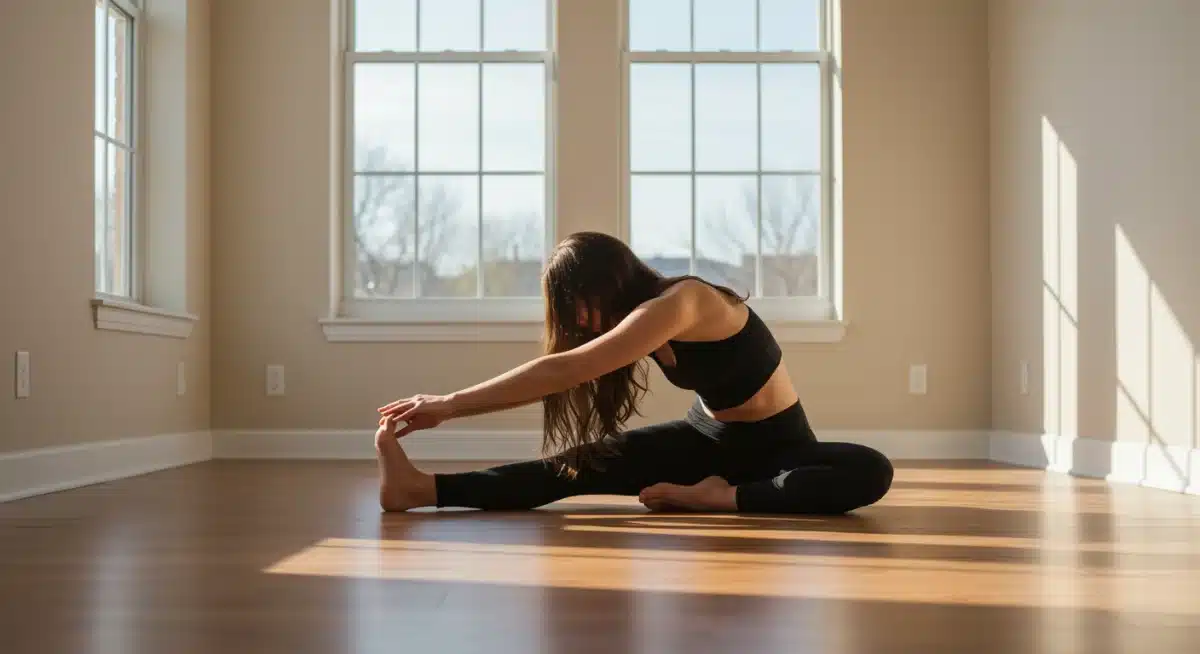
The connection between physical activity and mental well-being is undeniable. Engaging in regular exercise is a highly effective way to manage stress daily, serving as a natural mood elevator and a powerful antidote to anxious feelings. When you move your body, you’re not just building strength or improving cardiovascular health; you’re also releasing endorphins, which have mood-boosting effects and can act as natural painkillers.
Physical activity doesn’t necessarily mean hitting the gym for an intense workout every day. It can be anything that gets your body moving and your heart rate up. This could include a brisk walk in your neighborhood, dancing to your favorite music, cycling, swimming, or practicing yoga. The key is to find an activity you enjoy and can consistently incorporate into your routine, making it a sustainable habit rather than a chore.
Benefits of Movement for Stress Reduction
Beyond the immediate release of endorphins, regular physical activity helps reduce the levels of stress hormones like cortisol and adrenaline over time. It also improves sleep quality, which is often disrupted by stress, and can boost your self-esteem and confidence. Furthermore, exercise provides a distraction from daily worries, allowing you to focus on the present moment and the sensations of your body.
- Endorphin Release: Natural mood enhancers that alleviate pain and promote feelings of well-being.
- Improved Sleep: Regular exercise helps regulate sleep patterns, combating stress-induced insomnia.
- Increased Resilience: Physical fitness can enhance your body’s ability to cope with stress.
Making physical activity a non-negotiable part of your daily or weekly schedule is a proactive step towards a less stressed life. Even short bursts of activity, like a 10-minute walk, can make a difference. The goal is consistency and finding joy in movement, transforming it into a powerful stress management tool.
Technique 3: Cultivating Healthy Sleep Habits
Sleep is not a luxury; it’s a fundamental pillar of health, especially when it comes to managing stress. Chronic stress often disrupts sleep, leading to a vicious cycle where lack of sleep exacerbates stress, and stress, in turn, makes it harder to sleep. Breaking this cycle requires a conscious effort to prioritize and cultivate healthy sleep habits, often referred to as ‘sleep hygiene.’
Establishing a consistent sleep schedule is paramount. This means going to bed and waking up at roughly the same time each day, even on weekends. Such regularity helps regulate your body’s natural sleep-wake cycle, known as your circadian rhythm. Creating a relaxing bedtime routine can also signal to your body that it’s time to wind down. This might involve a warm bath, reading a book, listening to calming music, or practicing gentle stretches.
Optimizing Your Sleep Environment
Your sleep environment plays a significant role in the quality of your rest. Ensure your bedroom is dark, quiet, and cool. Block out light with blackout curtains, use earplugs or a white noise machine if necessary, and set your thermostat to a comfortable temperature, typically between 60-67 degrees Fahrenheit (15-19 degrees Celsius). Avoiding screens an hour or two before bed is also crucial, as the blue light emitted from devices can interfere with melatonin production, the hormone that regulates sleep.
- Consistent Schedule: Adhering to a regular sleep and wake up time, even on days off.
- Comfortable Environment: Dark, quiet, and cool bedroom for optimal sleep quality.
- Limit Stimulants: Avoid caffeine and heavy meals close to bedtime to prevent sleep disruption.
By making sleep a priority and implementing these simple yet effective strategies, you can significantly improve your ability to manage stress daily. Quality sleep recharges your mind and body, enhancing your resilience, mood, and cognitive function, making you better equipped to handle life’s challenges.
Technique 4: Nurturing Social Connections
Humans are inherently social beings, and strong social connections are a powerful buffer against stress and anxiety. When we feel connected to others, we experience a sense of belonging and support that can significantly improve our emotional well-being. Isolation, on the other hand, can exacerbate feelings of stress and loneliness, making challenges seem even more daunting.
Nurturing your social connections doesn’t necessarily mean having a huge circle of friends. What matters more is the quality of your relationships. Spending time with people who uplift you, who listen without judgment, and who offer genuine support can be incredibly therapeutic. This could involve regular catch-ups with family, meaningful conversations with close friends, or participating in community groups that align with your interests.
The Power of Support Systems
Having a reliable support system provides a safe space to express your feelings, share your burdens, and receive empathy and advice. Simply talking about your stressors can often reduce their intensity, helping you gain perspective and find solutions. It also reminds you that you’re not alone in your struggles, which can be a huge comfort during challenging times. Furthermore, helping others can also be a significant stress reliever, fostering a sense of purpose and connection.
- Active Listening: Engage in conversations where you genuinely listen and are listened to.
- Shared Activities: Participate in hobbies or activities with others to build bonds.
- Offering Support: Extend help to others, which can create a positive feedback loop of connection.
Prioritizing social interactions and actively working to strengthen your relationships is a vital component of a holistic approach to stress management. These connections provide emotional resilience, helping you navigate life’s ups and downs with greater ease and confidence, thereby significantly improving your ability to manage stress daily.
Technique 5: Practicing Time Management and Setting Boundaries

Feeling overwhelmed by an endless to-do list and constant demands is a common source of stress. Effective time management and the ability to set clear boundaries are critical skills for reducing this pressure and regaining a sense of control over your life. It’s not about doing more, but about doing what matters most and protecting your personal space and time.
Start by prioritizing your tasks. Use techniques like the Eisenhower Matrix (urgent/important) or the ABCDE method to identify what truly needs your immediate attention and what can wait or be delegated. Breaking down large tasks into smaller, manageable steps can also make them feel less daunting. Avoid multitasking, as it often leads to reduced efficiency and increased stress. Instead, focus on one task at a time until completion.
Establishing Healthy Boundaries
Setting boundaries is about protecting your time, energy, and emotional well-being. This might mean learning to say ‘no’ to additional commitments when your plate is already full, limiting your availability outside of work hours, or creating designated ‘unplugged’ times during the day. Boundaries communicate your needs to others and prevent burnout. It’s not selfish; it’s self-preservation.
- Prioritization Skills: Learn to differentiate between urgent, important, and non-essential tasks.
- Scheduled Breaks: Integrate short breaks throughout your day to prevent mental fatigue.
- Digital Detox: Allocate specific times to disconnect from electronic devices and social media.
By mastering time management and consistently setting healthy boundaries, you can reduce the feeling of being constantly rushed and overburdened. This proactive approach allows you to allocate your energy more effectively, fostering a sense of calm and control that is essential for long-term stress management, enabling you to manage stress daily with greater ease.
Technique 6: Engaging in Hobbies and Creative Outlets
In our goal-oriented society, it’s easy to overlook the importance of activities purely for pleasure and personal fulfillment. Engaging in hobbies and creative outlets is a powerful, yet often underestimated, technique for stress reduction. These activities provide a much-needed escape from daily pressures, allowing your mind to relax, recharge, and engage in something intrinsically enjoyable.
Whether it’s painting, playing a musical instrument, gardening, writing, cooking, or building models, hobbies offer a unique form of mindfulness. When you’re deeply engrossed in an activity you love, you enter a state of ‘flow,’ where time seems to disappear, and your focus is entirely on the present moment. This can be incredibly therapeutic, diverting your attention from stressors and allowing your brain to process thoughts in a more relaxed state.
The Restorative Power of Creativity
Creative pursuits, in particular, can be profoundly restorative. They tap into a different part of your brain, fostering problem-solving skills, enhancing self-expression, and boosting self-esteem. There’s immense satisfaction in creating something, whether it’s a piece of art, a delicious meal, or a beautifully tended garden. This sense of accomplishment and self-efficacy can directly counteract feelings of helplessness or inadequacy that often accompany stress.
- Mindful Engagement: Hobbies promote focus on the present, reducing overthinking.
- Self-Expression: Creative outlets provide a healthy channel for emotions and ideas.
- Sense of Achievement: Completing a creative project boosts confidence and reduces stress.
Making time for hobbies and creative expression is not a luxury; it’s a vital component of a balanced life and an effective strategy to manage stress daily. These activities provide joy, foster personal growth, and offer a sanctuary from the demands of everyday life, contributing significantly to your overall mental health and emotional well-being.
| Key Technique | Brief Description |
|---|---|
| Mindful Breathing | Focus on breath to calm the nervous system and reduce immediate stress. |
| Physical Activity | Regular exercise releases endorphins, improves mood, and reduces stress hormones. |
| Healthy Sleep | Consistent sleep schedules and optimal environment for mental and physical restoration. |
| Social Connections | Nurturing relationships provides support and buffers against feelings of isolation. |
Frequently Asked Questions About Stress Management
The speed of results varies for each individual and technique. Mindful breathing can offer immediate relief, while consistent practice of other methods like exercise or improved sleep hygiene will show more significant, long-term benefits in reducing chronic stress and anxiety over weeks or months.
While these techniques are highly effective for managing everyday stress and mild anxiety, they are not a substitute for professional therapy or medical advice, especially for severe anxiety disorders or chronic stress. Always consult a healthcare professional for personalized guidance if needed.
Generally, the techniques discussed, such as mindful breathing, exercise, and sleep hygiene, are safe and beneficial. However, if you have underlying health conditions, consult your doctor before starting any new exercise regimen. Listen to your body and adjust activities as necessary.
The best technique is often the one you enjoy and can consistently integrate into your life. Experiment with different methods, paying attention to how each one makes you feel. Consider starting with one or two and gradually adding others as you become more comfortable, adapting them to your lifestyle.
Even short bursts of activity can be effective. Five minutes of mindful breathing, a 10-minute walk, or a brief chat with a friend can make a difference. The key is consistency, even in small increments. Integrating stress management into your existing routine, rather than adding separate tasks, can be helpful.
Conclusion
Effectively managing stress is a continuous journey, not a destination. By integrating these six proven techniques—mindful breathing, physical activity, healthy sleep habits, nurturing social connections, effective time management, and engaging in hobbies—you are equipping yourself with a powerful toolkit to navigate the complexities of modern life. Each strategy offers a unique pathway to reducing anxiety and fostering a greater sense of calm and well-being. Remember that consistency and patience are key; start small, celebrate your progress, and be kind to yourself along the way. Embracing these practices will not only help you better manage stress daily but also significantly enhance your overall quality of life, allowing you to thrive amidst challenges and cultivate lasting inner peace.