US Cities Evolving: Urban Planning & Community Development
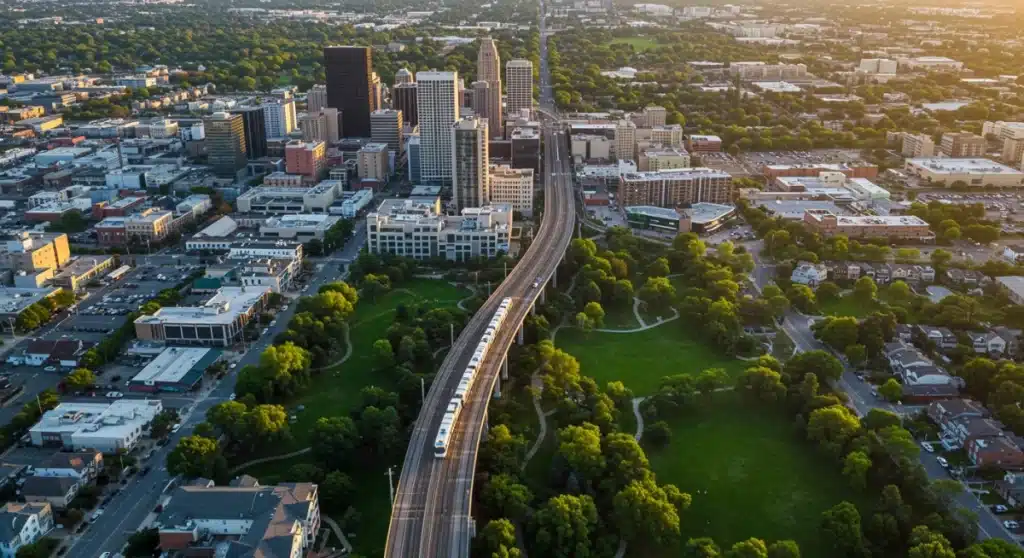
The landscape of American cities is in constant flux, adapting to demographic shifts, technological advancements, and evolving environmental concerns. Understanding US urban planning and community development initiatives is crucial to grasp how these dynamic environments are being reshaped for future generations.
The Shifting Paradigms of Urban Planning
Urban planning in the United States has moved beyond mere zoning and infrastructure, embracing a more holistic and community-centric approach. This evolution reflects a growing understanding that cities are complex ecosystems where social, economic, and environmental factors are deeply intertwined.
Modern urban planners are now tasked with creating spaces that are not only functional but also promote well-being, equity, and resilience.
This requires a departure from past models that often prioritized automobile traffic and suburban sprawl, leading to new strategies focused on density, walkability, and mixed-use developments.
From Sprawl to Smart Growth
The concept of smart growth has emerged as a guiding principle in many US cities. It advocates for development that serves the economy, community, and environment simultaneously. This often involves concentrating growth in existing urban areas, preserving open spaces, and offering diverse transportation choices.
Mixed-Use Development: Integrating residential, commercial, and public spaces to create vibrant, self-sufficient neighborhoods.
Compact Building Design: Making efficient use of land to reduce development costs and environmental impact.
Walkability and Bikeability: Designing streets and public spaces to encourage active transportation and reduce reliance on cars.
Preservation of Open Space: Protecting natural areas, farmlands, and critical environmental zones.
The shift towards smart growth is not just about aesthetics; it’s about fostering more sustainable and equitable communities. By reducing commute times and increasing access to amenities, these initiatives aim to improve the quality of life for residents while minimizing their ecological footprint.
Resilience and Adaptation in a Changing Climate
Climate change poses significant challenges to urban areas, from rising sea levels to more frequent extreme weather events. Urban planning is increasingly incorporating strategies for climate resilience, ensuring cities can withstand and recover from environmental shocks.
This includes developing green infrastructure, improving stormwater management systems, and strategically planning for future climate impacts. Coastal cities, in particular, are investing in protective measures and exploring innovative ways to adapt their built environments to rising waters.
Community Development: Fostering Inclusive Urban Spaces
Community development is at the heart of creating equitable and thriving cities. It involves empowering residents, strengthening local economies, and ensuring that development benefits all segments of the population, not just a select few.
This goes beyond physical infrastructure to address social determinants of health, economic opportunity, and access to essential services. Effective community development initiatives often involve a collaborative approach, bringing together government, non-profits, businesses, and residents.
Equitable Housing and Affordable Living
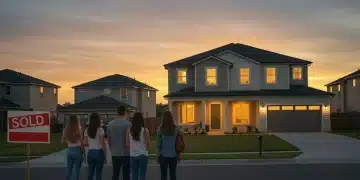
One of the most pressing challenges in many US cities is the lack of affordable housing. Community development initiatives are actively working to address this through various strategies, including the development of affordable housing units, rent control policies, and programs that assist first-time homebuyers.
Ensuring diverse housing options is crucial for maintaining social diversity and preventing displacement. These efforts often involve overcoming significant political and economic hurdles, but their success is vital for the long-term health of urban communities.
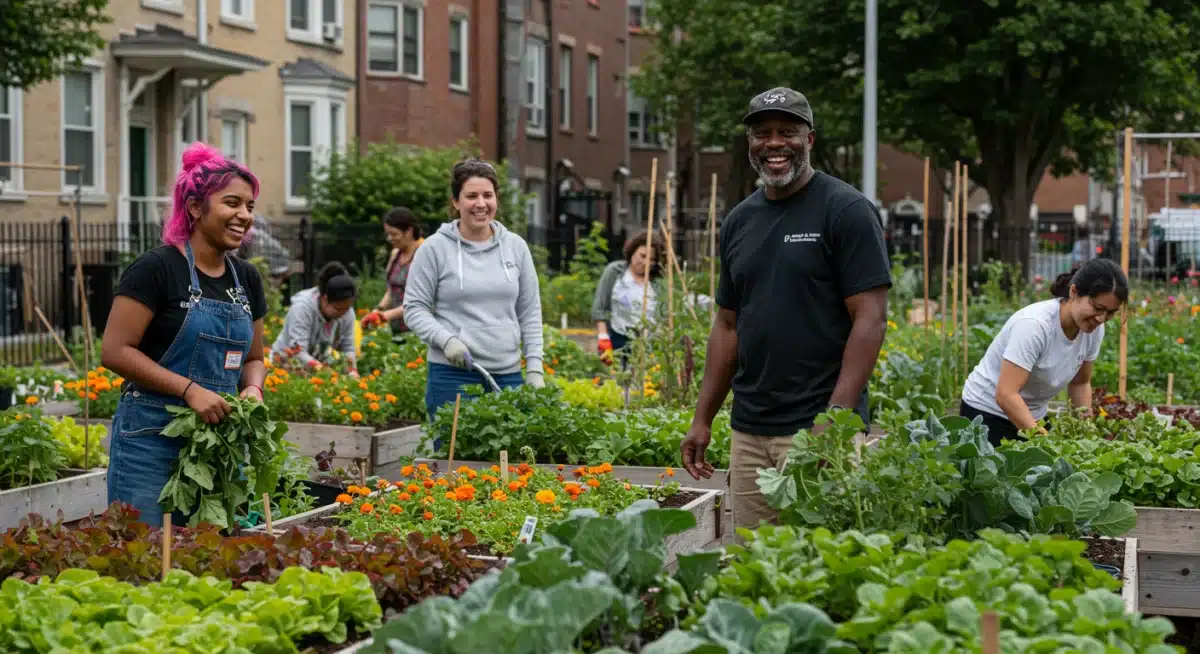
Moreover, equitable housing is not just about affordability; it’s also about access to quality housing in safe neighborhoods with good schools and amenities. Community development works to break down barriers that perpetuate segregation and inequality in housing markets.
Economic Empowerment and Local Businesses
Vibrant communities are often underpinned by strong local economies. Community development programs focus on fostering economic empowerment by supporting small businesses, creating job training opportunities, and attracting investment that benefits local residents.
Small Business Incubators: Providing resources and support for startups and local entrepreneurs.
Workforce Development Programs: Equipping residents with the skills needed for emerging industries.
Community Development Financial Institutions (CDFIs): Offering financial services to underserved markets and low-income communities.
Main Street Revitalization: Investing in the economic and physical revitalization of historic downtowns and commercial districts.
These initiatives aim to build wealth within communities, reduce unemployment, and create a more resilient local economy that can withstand broader economic fluctuations. By supporting local businesses, cities can retain more capital within their borders and foster a distinct community identity.
The Role of Technology in Urban Evolution
Technology is increasingly playing a transformative role in how US cities are planned, managed, and experienced. The concept of “smart cities” leverages data and interconnected systems to improve efficiency, enhance public services, and create more responsive urban environments.
From smart transportation systems to intelligent energy grids, technology offers powerful tools for addressing complex urban challenges. However, the implementation of these technologies also raises important questions about privacy, equity, and access.
Smart Infrastructure and Data-Driven Decisions
Smart city initiatives often involve deploying sensors and collecting data on various aspects of urban life, such as traffic patterns, air quality, and waste management. This data is then used to optimize services, predict needs, and make more informed planning decisions.
For example, real-time traffic data can be used to adjust signal timing and reduce congestion, while smart streetlights can conserve energy by dimming when no one is present. The goal is to create a more efficient and sustainable urban ecosystem.
However, the success of smart infrastructure depends on effective data governance and ensuring that the benefits are widely distributed. Cities must carefully consider how to use technology to enhance public good without exacerbating existing inequalities.
Digital Inclusion and Access
As cities become more technologically advanced, ensuring digital inclusion is paramount. Not all residents have equal access to broadband internet or the digital literacy skills needed to fully participate in a smart city environment.
Community development efforts often include programs to bridge the digital divide, providing affordable internet access, public Wi-Fi hotspots, and digital literacy training. This ensures that all residents can benefit from technological advancements and access online services.
Sustainable Urban Design and Green Infrastructure
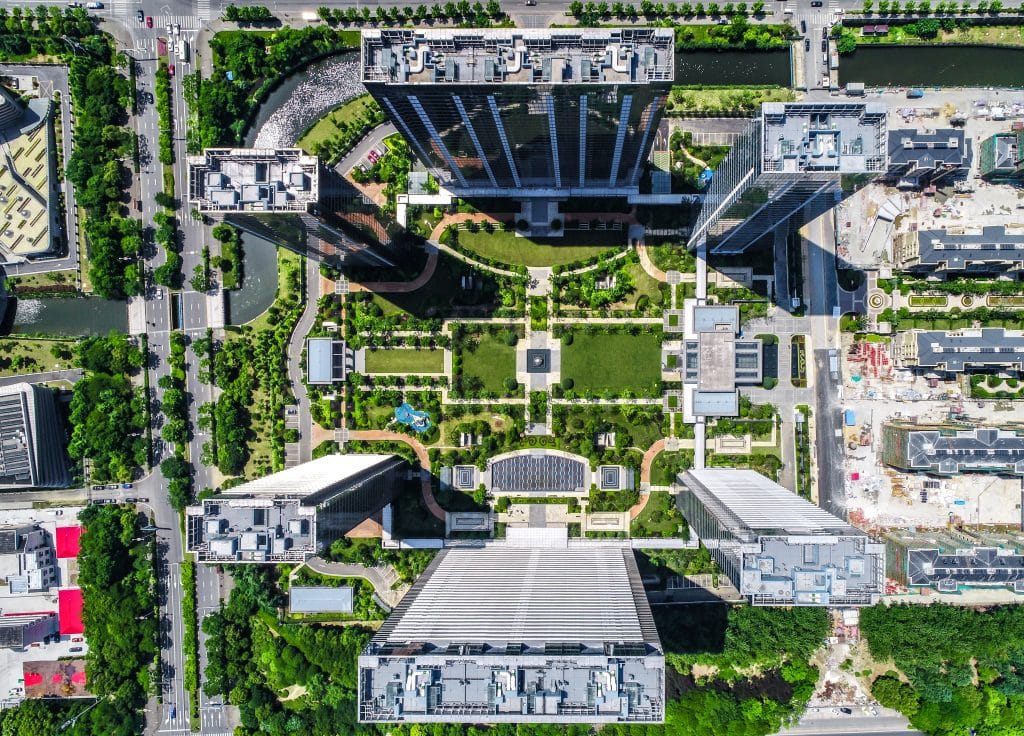
Sustainability is a core principle driving contemporary urban planning in the US. This involves designing cities that minimize environmental impact, conserve resources, and promote ecological health. Green infrastructure plays a crucial role in achieving these goals.
Beyond traditional parks, green infrastructure includes a network of natural and semi-natural systems designed to provide environmental, social, and economic benefits. These systems are increasingly integrated into urban design to manage water, improve air quality, and provide habitat.
Innovations in Green Spaces
Urban green spaces are no longer just aesthetic amenities; they are vital components of a city’s ecological and social infrastructure. Modern urban design incorporates a variety of green solutions, from rooftop gardens to permeable pavements.
Urban Forests: Planting trees and creating canopy cover to mitigate the urban heat island effect and improve air quality.
Rain Gardens and Bioswales: Natural landscaping features designed to absorb and filter stormwater runoff, reducing flooding and pollution.
Green Roofs: Vegetated roofs that reduce energy consumption, manage stormwater, and provide urban habitat.
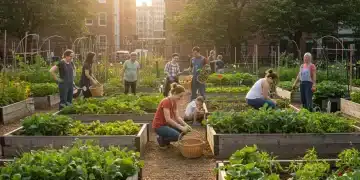
Community Parks and Plazas: Providing recreational spaces and fostering social interaction, often designed with native plants and water-efficient landscaping.
These green initiatives not only enhance the aesthetic appeal of cities but also provide critical ecosystem services, contributing to the overall health and resilience of urban environments. They are a testament to the evolving understanding of how nature can be integrated into the built environment.
Renewable Energy and Sustainable Transportation
Reducing carbon emissions is a major focus for many US cities. Urban planning plays a key role in promoting renewable energy sources and sustainable transportation options. This includes encouraging solar panel installations, developing electric vehicle charging infrastructure, and expanding public transit networks.
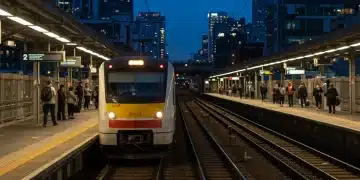
Investment in light rail, bus rapid transit, and extensive bike lane networks aims to reduce reliance on private vehicles, thereby decreasing traffic congestion and air pollution. Policies that encourage transit-oriented development (TOD) further integrate housing and employment centers with public transportation hubs.
Challenges and Opportunities in Urban Transformation
The evolution of US cities is not without its challenges. Issues such as gentrification, social equity, and securing adequate funding for large-scale projects remain significant hurdles. However, these challenges also present opportunities for innovative solutions and greater community engagement.
Addressing these complexities requires a nuanced approach that balances economic growth with social responsibility and environmental stewardship. The success of urban planning hinges on its ability to create inclusive and resilient cities for all residents.
Addressing Gentrification and Displacement
As cities revitalize, there is often a concern that rising property values and new developments can lead to gentrification and the displacement of long-term residents, particularly those from low-income or minority communities.
Urban planners are increasingly seeking strategies to mitigate these negative impacts.
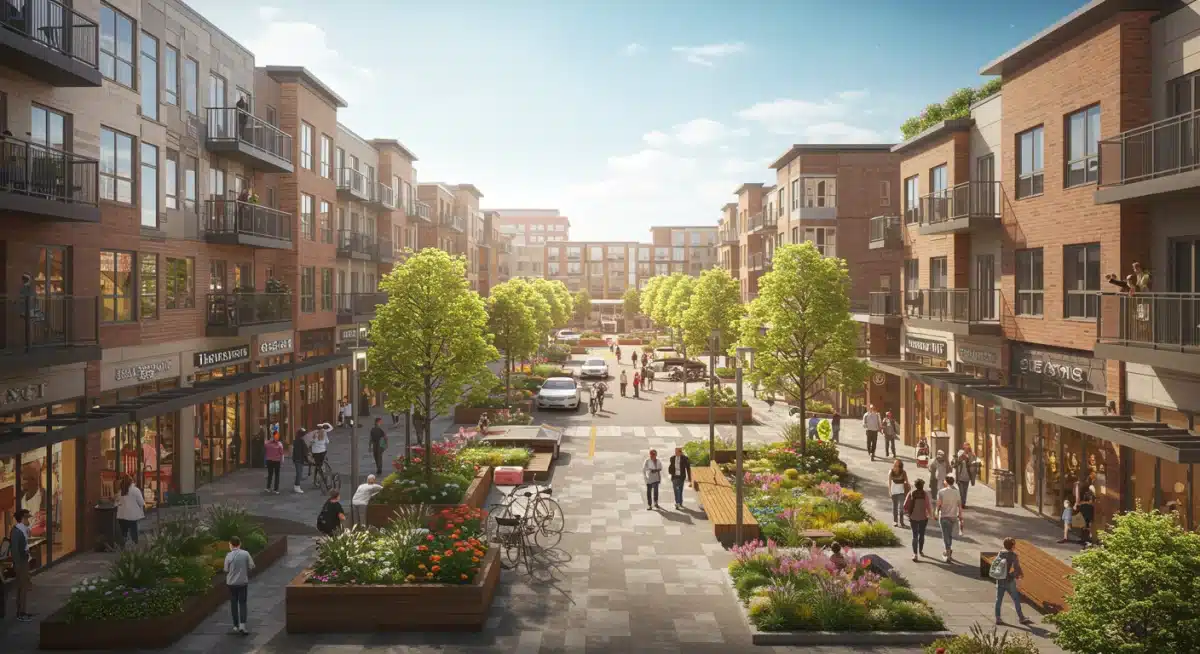
This includes implementing inclusionary zoning policies that mandate a certain percentage of affordable housing in new developments, establishing community land trusts, and providing legal assistance to tenants. The goal is to ensure that revitalization benefits existing residents, not just newcomers.
Funding and Political Will
Implementing ambitious urban planning and community development initiatives often requires substantial financial investment and strong political will. Securing funding from federal, state, and local sources, as well as private partnerships, is critical for bringing projects to fruition.
Public-private partnerships are becoming increasingly common, allowing cities to leverage private capital for public good. Building consensus among diverse stakeholders and maintaining political commitment over long project timelines are essential for successful urban transformation.
The Future of US Cities: A Collaborative Vision
The ongoing evolution of US cities points towards a future where urban spaces are increasingly designed with human well-being and environmental sustainability at their core.
This vision is not solely the domain of planners and policymakers; it is a collaborative effort that requires active participation from all community members.
From grassroots activism to large-scale municipal projects, the drive to create better cities is a testament to the enduring human desire for connection, opportunity, and a healthy environment. The initiatives discussed highlight a move towards more integrated, responsive, and equitable urban landscapes.
Engaging Residents in the Planning Process
Successful urban planning and community development are inherently participatory. Engaging residents, community groups, and local stakeholders in the planning process ensures that developments reflect the needs and aspirations of those who live and work in the city.
Community Workshops and Forums: Providing platforms for residents to voice their opinions and contribute ideas.
Participatory Budgeting: Allowing residents to directly decide how a portion of public funds is spent.
Online Engagement Tools: Utilizing digital platforms to gather feedback and disseminate information widely.
Neighborhood Planning Councils: Establishing formal bodies that give residents a direct say in local development decisions.
This inclusive approach helps to build trust, foster a sense of ownership, and ensure that urban projects are truly responsive to community needs. It moves beyond top-down planning to a model where residents are co-creators of their urban future.
Interdisciplinary Approaches to Urban Challenges
The complexity of urban challenges necessitates interdisciplinary approaches. Urban planners are increasingly collaborating with experts from diverse fields, including environmental science, public health, social work, economics, and technology.
This cross-sector collaboration allows for a more comprehensive understanding of urban issues and the development of integrated solutions. For example, designing a new park might involve landscape architects, public health experts, and social scientists to ensure it meets recreational, ecological, and community needs.
By embracing these collaborative and inclusive strategies, US cities are poised to continue their evolution, becoming more resilient, equitable, and vibrant places to live, work, and thrive. The journey of urban transformation is continuous, reflecting the dynamic nature of human societies and their environments.
| Key Aspect | Description |
|---|---|
| Smart Growth Principles | Focuses on compact, walkable, mixed-use development to reduce sprawl and promote sustainability. |
| Community Empowerment | Initiatives designed to strengthen local economies and ensure equitable development for all residents. |
| Sustainable Design | Integration of green infrastructure and renewable energy to minimize environmental impact and enhance resilience. |
| Technological Integration | Leveraging smart city technologies and data for improved urban efficiency and public services. |
Frequently Asked Questions About Urban Evolution
What is the primary goal of modern urban planning in the US?
The primary goal of modern urban planning in the United States is to build cities that are sustainable, inclusive, and resilient while improving everyday life for residents.
Today’s planners go beyond traditional zoning rules and focus on creating livable communities that integrate housing, transportation, green spaces, and economic opportunities.
This means designing cities where people can live closer to work, access essential services easily, and enjoy safer, healthier environments.
Urban planning now emphasizes walkability, mixed-use development, and climate resilience, ensuring cities can adapt to future challenges such as population growth and environmental change.
How do US cities address affordable housing challenges?
Affordable housing remains one of the biggest challenges in urban development, and cities are tackling it through a mix of innovative strategies. These include:
Inclusionary zoning policies that require developers to include affordable units in new projects
Public-private partnerships to fund and build housing more efficiently
Community land trusts that keep housing costs stable over time
Adaptive reuse projects, turning old buildings into residential spaces
Many cities are also investing in rental assistance programs and zoning reforms to increase housing supply. The goal is not just to build more homes, but to create equitable communities where people of all income levels can thrive without being displaced.
What role does technology play in urban development?
Technology is at the heart of modern urban evolution, driving the rise of smart cities. By using data, sensors, and connected systems, cities can improve efficiency and deliver better public services.
Examples include:
Smart traffic systems that reduce congestion and commute times
Energy-efficient grids that lower emissions and costs
Digital platforms that make government services more accessible
Real-time data analytics for better decision-making
Additionally, cities are investing in digital inclusion programs to ensure all residents have access to the internet and technology, helping bridge the digital divide and promote equal opportunities.
What is green infrastructure and why is it important?
Green infrastructure refers to the integration of natural systems into urban environments to improve sustainability and resilience. Instead of relying solely on concrete and traditional infrastructure, cities are incorporating nature-based solutions such as:
Urban forests and tree canopies
Rain gardens and permeable pavements
Green roofs and vertical gardens
Restored wetlands and waterways
These solutions help manage stormwater, reduce urban heat, improve air quality, and support biodiversity. More importantly, green infrastructure enhances public health and overall well-being, making cities more attractive and livable.
How can residents contribute to urban planning initiatives?
Community involvement is essential for successful urban development. Residents play a key role in shaping the future of their cities by participating in:
Public meetings and town halls
Community workshops and surveys
Neighborhood planning councils
Local advocacy groups and initiatives
By sharing their perspectives and needs, residents help ensure that development projects are aligned with real community priorities. This participation fosters transparency, trust, and a sense of ownership, leading to more inclusive and effective urban planning outcomes.
Why is urban evolution important for the future?
Urban evolution is critical because cities are constantly growing and changing. With increasing populations, climate challenges, and economic shifts, cities must adapt to remain functional and livable.
Forward-thinking urban planning helps:
Improve quality of life
Promote environmental sustainability
Strengthen local economies
Build resilient communities
In short, the way cities evolve today will shape how future generations live, work, and connect.
Conclusion
The journey of US urban planning and community development initiatives is a dynamic and continuous process, reflecting the nation’s commitment to creating more livable, equitable, and sustainable cities.
From embracing smart growth principles and green infrastructure to leveraging technology and fostering robust community engagement, American cities are evolving at an unprecedented pace.
While challenges such as gentrification and funding persist, the collaborative spirit and innovative approaches being adopted demonstrate a clear path towards urban environments that serve the well-being of all their inhabitants. The future of US cities lies in their ability to adapt, innovate, and build inclusive communities that thrive amidst change.