US Pet Ownership Trends 2026: Benefits & Responsibilities
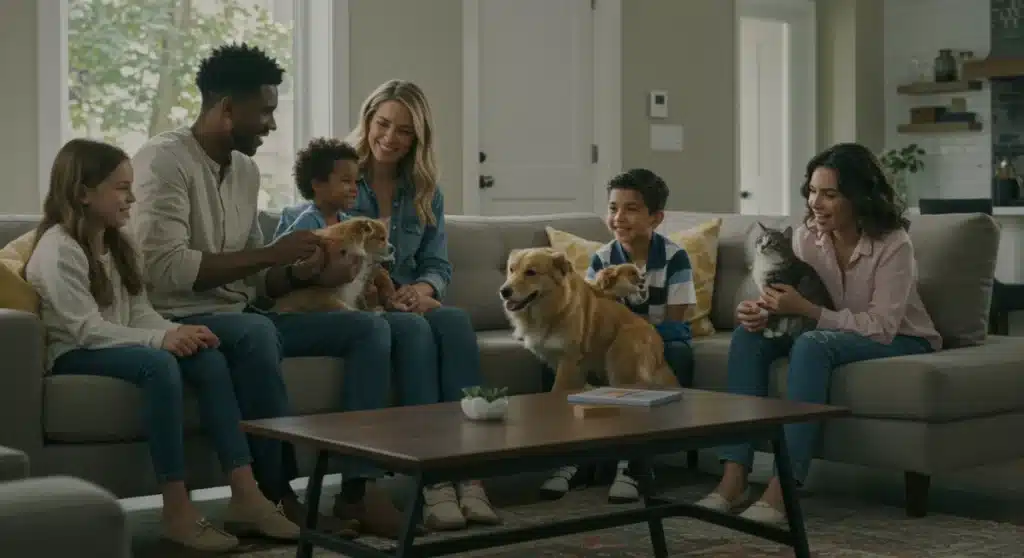
As we look towards 2026, understanding the dynamics of US Pet Ownership Trends becomes increasingly vital for both current and prospective pet parents. This exploration delves into the profound benefits pets bring to our lives and the evolving responsibilities that accompany their cherished presence.
The evolving landscape of US pet ownership
The relationship between Americans and their pets has undergone a significant transformation over the past few decades, moving from mere companionship to a profound family bond.
This shift is not just anecdotal; it is reflected in changing societal norms, economic indicators, and the increasing humanization of pets. By 2026, these trends are expected to solidify further, with pets becoming even more central to household structures across the nation.
This evolution is driven by several factors, including demographic changes, increased awareness of animal welfare, and a deeper understanding of the mental and physical health benefits that pets provide.
The COVID-19 pandemic, in particular, accelerated many of these trends, as people sought comfort and companionship during times of isolation, leading to a surge in pet adoptions and a greater appreciation for the role pets play in our lives.
Demographic influences on pet adoption
Different generations approach pet ownership with varying perspectives and priorities. Younger generations, such as millennials and Gen Z, are more likely to view pets as ‘fur babies’ and integral family members, often delaying traditional life milestones like marriage or having children in favor of pet companionship.
This demographic shift is profoundly influencing the types of pets adopted, the products purchased, and the services sought.
Millennials and Gen Z: Prioritize pet health, wellness, and ethical sourcing.
Boomers: Often seek companionship and emotional support from pets, particularly after children have left home.
Urbanization: Leads to a preference for smaller dog breeds and indoor cats suitable for apartment living.
The increasing diversity of American households also plays a role. Multi-generational homes, single-person households, and cohabiting couples all contribute to a varied demand for different types of pets and pet care solutions. Understanding these nuances is crucial for anticipating future needs and challenges in the pet industry.
The undeniable benefits of pet companionship
The decision to welcome a pet into one’s home is often driven by the desire for companionship, but the benefits extend far beyond that. Pets offer a wealth of advantages, impacting our physical health, mental well-being, and even our social interactions. These positive effects are well-documented and continue to be a primary motivator for individuals and families choosing pet ownership.
From the unconditional love of a dog to the calming presence of a cat, pets enrich our lives in countless ways. They provide comfort, reduce stress, and encourage a more active lifestyle. In a world that often feels fast-paced and isolating, pets offer a consistent source of joy and connection, fostering a sense of purpose and belonging.
Physical health advantages
Owning a pet, particularly a dog, can significantly contribute to a more active and healthier lifestyle. Regular walks, playtime, and outdoor activities with a pet naturally increase physical activity levels, which in turn can lead to improved cardiovascular health, lower blood pressure, and better weight management.
Increased physical activity: Daily walks and play reduce sedentary behavior.
Improved cardiovascular health: Lower risk of heart disease and stroke.
Boosted immunity: Exposure to pet dander may strengthen immune systems in children.
Beyond exercise, the routine of caring for a pet can also instill a sense of structure and responsibility, which can indirectly benefit physical health by promoting healthier habits overall.
The sheer act of petting an animal has been shown to lower cortisol levels and release oxytocin, contributing to a sense of calm and well-being.
Mental and emotional well-being
The emotional support pets provide is perhaps one of their most profound contributions to human lives. Pets offer unconditional love and acceptance, acting as non-judgmental companions who can help alleviate feelings of loneliness, anxiety, and depression.
Their presence can be incredibly therapeutic, providing a stable and comforting anchor in a sometimes tumultuous world.
Interacting with pets has been shown to reduce stress, improve mood, and even increase feelings of empathy and compassion.
For individuals struggling with mental health challenges, pets can be a vital source of support, offering a sense of purpose and a reason to engage with the world. The simple act of caring for another living being can be incredibly fulfilling and contribute to a stronger sense of self-worth.

The growing responsibilities of pet guardianship
While the benefits of pet ownership are immense, they come hand-in-hand with significant responsibilities. As pets become more integrated into families, the expectations for their care and well-being have also risen.
Responsible pet guardianship in 2026 encompasses a holistic approach to animal welfare, covering everything from nutrition and healthcare to training, socialization, and financial planning.
This evolving understanding of responsibility means that prospective pet owners must be prepared for a long-term commitment that extends beyond simply providing food and shelter.
It involves dedicating time, resources, and emotional energy to ensure a pet lives a happy, healthy, and fulfilling life. Neglecting these responsibilities can have serious consequences for both the pet and the owner.
Financial commitment and healthcare
The financial aspect of pet ownership is often underestimated. Beyond the initial adoption fee, pets require ongoing expenses for food, grooming, toys, and most significantly, veterinary care. Advancements in veterinary medicine mean that pets can live longer, healthier lives, but these treatments often come at a cost.
Routine veterinary visits: Annual check-ups, vaccinations, and parasite prevention.
Emergency care: Unexpected illnesses or injuries can incur substantial costs.
Specialized diets and medications: For pets with chronic conditions or specific needs.
Pet insurance has emerged as a popular option for many owners to mitigate these costs, but it still requires a monthly premium.
Budgeting for a pet’s needs, including potential medical emergencies, is a critical component of responsible pet ownership. Ignoring these financial realities can lead to difficult decisions and compromised care for the animal.
Training, socialization, and enrichment
A well-behaved and adjusted pet is a joy to live with, and this is largely the result of consistent training and proper socialization.
Training helps pets understand boundaries and commands, ensuring their safety and the safety of others. Socialization exposes pets to various people, animals, and environments, fostering confidence and reducing behavioral issues.
Beyond basic training, providing mental and physical enrichment is vital for a pet’s overall well-being. This includes interactive toys, puzzle feeders, regular exercise, and opportunities for exploration.
A bored or under-stimulated pet is more likely to develop destructive behaviors or suffer from anxiety. Responsible owners understand that a pet’s needs extend beyond just physical care to their psychological and emotional health.
Technological advancements impacting pet care

Technology is rapidly transforming the pet care industry, offering innovative solutions that enhance both the lives of pets and the convenience of their owners. From smart feeders to advanced diagnostic tools, these advancements are making pet care more efficient, effective, and personalized. The integration of technology into daily pet routines is a significant aspect of future US Pet Ownership Trends.
These technological tools empower owners with better monitoring capabilities, improved access to information, and more streamlined ways to manage their pet’s health and well-being.
While traditional pet care remains essential, technology is undeniably playing an increasingly supportive role, helping owners meet the evolving demands of responsible pet guardianship.
Smart devices and remote monitoring
The market for smart pet devices is booming, offering everything from automated feeders that dispense meals on a schedule to GPS trackers that ensure a pet’s safety. These devices provide peace of mind for owners, especially those with busy schedules, allowing them to monitor and interact with their pets remotely.
Automated feeders: Ensure consistent meal times and portion control.
GPS collars: Track pet location, preventing loss and aiding in recovery.
Pet cameras: Allow owners to observe and interact with pets from afar.
Wearable technology for pets, similar to fitness trackers for humans, can monitor activity levels, sleep patterns, and even vital signs, providing valuable data that can alert owners to potential health issues early on. This proactive approach to health management is a key benefit of integrating technology into pet care.
Telemedicine and digital resources
Just as human healthcare has embraced telemedicine, so too has veterinary medicine. Virtual consultations with veterinarians offer convenience and accessibility, particularly for routine check-ups, follow-ups, or minor concerns. This reduces the need for physical visits, saving time and stress for both pets and owners.
Beyond telemedicine, a wealth of digital resources is available to pet owners, including online communities, educational platforms, and apps designed for managing pet records, training, and even connecting with pet sitters.
These resources empower owners with knowledge and support, helping them make informed decisions about their pet’s care and connect with a broader pet-loving community.
Ethical considerations and sustainable practices
As awareness of animal welfare grows, ethical considerations and sustainable practices are becoming increasingly important in US Pet Ownership Trends. Pet owners are more conscious about the origins of their pets, the environmental impact of pet products, and the humane treatment of animals throughout their lives. This shift reflects a broader societal movement towards more responsible consumption and ethical living.
Responsible pet guardianship now extends to making choices that support animal welfare and environmental sustainability. This includes opting for adoption over purchasing from breeders, choosing eco-friendly pet products, and supporting businesses that adhere to high ethical standards. These choices collectively contribute to a more compassionate and sustainable pet industry.
Adoption versus breeding
The ‘adopt, don’t shop’ movement has gained significant momentum, encouraging prospective pet owners to consider adopting from shelters and rescue organizations rather than purchasing from breeders or pet stores. This practice helps to reduce the number of homeless animals and supports organizations dedicated to animal welfare.
Reduces shelter populations: Provides homes for animals in need.
Supports animal welfare organizations: Helps fund rescue and rehabilitation efforts.
Breaks the cycle of puppy mills: Discourages unethical breeding practices.
While responsible breeders certainly exist, the emphasis on adoption highlights a commitment to providing a second chance for animals who have been abandoned or neglected. This ethical choice reflects a deeper understanding of the pet overpopulation crisis and the desire to be part of the solution.
Eco-friendly pet products and services
The environmental footprint of pet ownership is also a growing concern. From pet food packaging to waste disposal, the choices pet owners make can have an impact on the planet.
This awareness is driving demand for eco-friendly pet products and services, ranging from biodegradable waste bags to sustainably sourced pet food.
Companies are responding by offering more environmentally conscious options, such as insect-based proteins for pet food, recycled materials for toys and bedding, and organic grooming products. Choosing these sustainable alternatives allows pet owners to align their values with their purchasing decisions, contributing to a healthier planet for all.

Preparing for the future of pet parenting in 2026
As we navigate toward 2026, prospective and current pet parents must actively prepare for the evolving landscape of pet ownership. This involves staying informed about new trends, embracing responsible practices, and adapting to the changing needs of their animal companions. The future of pet parenting is one that demands proactive engagement and a commitment to lifelong learning.
Preparation means not only understanding the immediate needs of a pet but also anticipating future challenges and opportunities.
This includes financial planning for long-term care, exploring new technologies that can enhance well-being, and contributing to a more ethical and sustainable pet community. The journey of pet parenting is a continuous one, filled with both immense rewards and ongoing responsibilities.
Education and continuous learning
The best pet parents are those who are committed to continuous learning. Staying updated on the latest in pet nutrition, behavior, training methods, and veterinary care is crucial for providing the best possible life for a pet. This can involve attending workshops, reading reputable resources, or consulting with animal behaviorists and veterinarians.
Behavioral training: Understanding positive reinforcement techniques.
Nutritional science: Keeping up with dietary recommendations and trends.
Preventative care: Knowledge of common illnesses and their prevention.
The internet offers an unparalleled wealth of information, but it is important to discern between reliable sources and misinformation. Engaging with professional organizations and certified experts ensures that pet parents are receiving accurate and evidence-based advice, empowering them to make the best decisions for their furry friends.
Community involvement and advocacy
Being a responsible pet owner also extends to engaging with the wider pet community and advocating for animal welfare.
This can involve volunteering at local shelters, participating in pet-friendly events, or supporting legislative efforts that protect animal rights. Collective action strengthens the movement towards better treatment and care for all animals.
Sharing experiences and knowledge with other pet owners can also be incredibly beneficial, fostering a supportive network and promoting best practices. By being active members of the pet community, individuals contribute to a culture of compassion and responsibility, shaping a brighter future for pets across the US.
| Key Aspect | Brief Description |
|---|---|
| Evolving Relationship | Pets are increasingly viewed as integral family members, influencing lifestyle choices. |
| Holistic Benefits | Pets offer significant physical, mental, and emotional health advantages to owners. |
| Increased Responsibilities | Guardianship involves substantial financial, healthcare, training, and enrichment commitments. |
| Technological Integration | Smart devices and telemedicine are enhancing pet care management and accessibility. |
Frequently asked questions about US pet ownership
Pet ownership in the US offers numerous benefits, including improved physical health through increased activity, enhanced mental well-being by reducing stress and loneliness, and fostering social connections. Pets provide unconditional love and companionship, significantly enriching owners’ lives.
Key responsibilities include providing adequate nutrition, regular veterinary care, consistent training, proper socialization, and financial planning for emergencies. Ethical considerations like adoption and sustainable practices are also becoming increasingly important for responsible pet guardianship.
Technology is revolutionizing pet care through smart devices for feeding and monitoring, GPS trackers for safety, and pet cameras for remote interaction. Telemedicine offers convenient veterinary consultations, while digital resources provide educational support and community connections for pet parents.
Pet adoption is gaining popularity due to increased awareness of animal welfare and the desire to provide homes for shelter animals. It supports rescue organizations, reduces pet overpopulation, and discourages unethical breeding practices, aligning with a growing ethical consciousness among pet owners.
Prospective owners should consider the long-term financial commitment, their ability to provide daily care and training, the time investment required, and how a pet will fit into their lifestyle. Researching specific breed needs and understanding the emotional responsibilities are also crucial steps.
Conclusion
The landscape of US pet ownership in 2026 is characterized by deeper bonds between humans and animals, highlighting both the profound benefits pets bring to our lives and the significant responsibilities that accompany their care.
As pets continue to integrate further into American families, the emphasis on holistic well-being, ethical practices, and the intelligent application of technology will define responsible pet guardianship. Embracing these evolving trends ensures a richer, healthier, and more fulfilling life for our beloved animal companions, reinforcing their invaluable role in society.