US Pet Ownership Trends: Breeds, Costs & Future Outlook

US pet ownership trends highlight a significant shift towards increased pet adoption, a growing preference for specific breeds, and a notable rise in the financial expenditure associated with comprehensive pet care.
Have you ever wondered what truly drives the decisions of millions of Americans when it comes to welcoming a furry, scaled, or feathered friend into their homes? The landscape of US Pet Ownership Trends is constantly evolving, reflecting deeper societal shifts, economic realities, and an ever-strengthening bond between humans and animals. This article delves into the fascinating world of American pet ownership, exploring everything from the most cherished breeds to the often-underestimated financial commitments involved in providing a loving home.
The Enduring Appeal of Pet Companionship in America
Pets have long held a special place in American households, transitioning from mere animals to cherished family members. This deep-rooted connection continues to grow, with a significant majority of US households now including at least one pet. The reasons for this widespread adoption are varied, encompassing emotional support, companionship, security, and even health benefits.
The role pets play in our lives has expanded dramatically. They are no longer confined to the backyard; instead, they share our beds, travel with us, and are often at the center of family decisions. This integration reflects a profound shift in how society views animals, elevating their status and, consequently, the resources dedicated to their well-being.
The Emotional and Psychological Benefits
Pet ownership offers a wealth of emotional and psychological advantages that contribute significantly to human well-being. Studies consistently show that interacting with pets can reduce stress, lower blood pressure, and alleviate feelings of loneliness. For many, a pet provides a sense of purpose and unconditional love that is hard to find elsewhere.
- Reduced stress and anxiety levels.
- Increased opportunities for social interaction.
- Enhanced physical activity through walks and play.
- A strong sense of companionship and emotional support.
Pets as Family Members
The concept of pets as integral family members is now widely accepted. This perspective has led to a greater willingness among owners to invest in their pets’ health, comfort, and overall happiness. From gourmet food to designer accessories, pet owners are increasingly treating their animals with the same care and consideration they would a human child.
This familial integration also influences lifestyle choices, such as selecting pet-friendly housing, planning vacations around pet needs, and even considering pets in estate planning. The emotional investment in pets is undeniable, shaping many aspects of daily American life.
The pervasive presence of pets in American homes underscores a fundamental human need for connection and care. As society continues to navigate complex challenges, the simple, unwavering affection of a pet remains a powerful source of comfort and joy for millions.
Decoding the Most Popular Pet Breeds Across the Nation
Understanding which breeds capture the hearts of American pet owners offers a fascinating glimpse into cultural preferences and lifestyle choices. While some breeds consistently top the charts, there are always emerging favorites and regional variations that paint a more nuanced picture of pet popularity.
The choice of a pet breed is often influenced by factors such as perceived temperament, size, maintenance requirements, and even celebrity endorsements. However, the true test of popularity lies in sustained demand and the breed’s ability to seamlessly integrate into diverse family dynamics.
Top Dog Breeds: Loyal Companions and Energetic Pals
Dogs remain the most popular type of pet in the US, with certain breeds consistently leading the pack. The Labrador Retriever, with its friendly demeanor and versatility, has held the top spot for decades. Following closely are breeds known for their intelligence and adaptability, making them ideal family pets.
- Labrador Retriever: Known for friendliness, intelligence, and trainability.
- French Bulldog: Gaining immense popularity due to their compact size and charming personality.
- Golden Retriever: Beloved for their gentle nature and loyalty.
- German Shepherd Dog: Valued for their protective instincts and intelligence.
Feline Favorites: Independent Yet Affectionate
While dogs often get the spotlight, cats are equally adored for their independence, elegance, and affectionate nature. The most popular cat breeds often combine striking appearances with engaging personalities, appealing to a wide range of owners.
The domestic shorthair, often a mix of various breeds, remains the most common cat in American homes, largely due to its prevalence in shelters and adaptable nature. However, purebred cats also enjoy significant popularity, each offering unique characteristics that appeal to specific preferences.
- Maine Coon: Large, fluffy, and known for their gentle temperament.
- Ragdoll: Famous for their docile nature and striking blue eyes.
- Siamese: Vocal, intelligent, and highly social.
The enduring popularity of these breeds speaks to their ability to form strong bonds with humans and adapt to various living situations. As preferences evolve, it will be interesting to see which breeds continue to capture the American imagination in the years to come.
The Escalating Costs of Pet Ownership: A Modern Challenge
While the joy of pet ownership is immeasurable, the financial commitment required to properly care for a pet has been steadily increasing. This rising cost is a significant factor for many potential and current pet owners, encompassing everything from initial adoption fees to ongoing veterinary care, food, and accessories.
Understanding these expenses is crucial for responsible pet ownership. It’s no longer just about a bag of kibble; modern pet care involves a comprehensive approach to health, nutrition, and well-being that comes with a considerable price tag. This trend reflects advancements in veterinary medicine, higher quality pet products, and a greater emphasis on preventative care.
Initial Expenses: More Than Just Adoption
Bringing a new pet home involves more than just the adoption or purchase fee. Initial costs can include vaccinations, spaying or neutering, microchipping, and essential supplies like beds, bowls, leashes, and toys. These upfront expenses can quickly add up, creating a significant initial investment.
For those considering purebred animals from reputable breeders, the purchase price alone can be substantial, often ranging from hundreds to several thousands of dollars, depending on the breed and lineage. Shelter adoptions, while generally less expensive, still incur fees to cover initial medical care and administrative costs.
Ongoing Financial Commitments: A Lifelong Investment
The true financial impact of pet ownership becomes apparent in the ongoing expenses. These recurring costs are diverse and can vary widely based on the pet’s size, breed, age, and health status. Food, arguably the largest recurring expense, sees owners often opting for premium and specialized diets.
Veterinary care is another major component, with routine check-ups, vaccinations, parasite prevention, and unexpected emergencies contributing significantly to the overall cost. Pet insurance has emerged as a popular option to mitigate the financial burden of unforeseen medical issues, but it also represents an additional monthly expense.
- Food and Nutrition: High-quality kibble, wet food, and specialized diets.
- Veterinary Care: Annual check-ups, vaccinations, emergency treatments, dental care.
- Grooming: Professional grooming for certain breeds, or supplies for at-home care.
- Training and Enrichment: Obedience classes, toys, and interactive puzzles.
- Pet Insurance: Monthly premiums to cover unexpected medical costs.
The rising cost of pet care reflects a broader societal trend of humanizing pets, leading to greater investment in their health and happiness. While challenging, this financial commitment is often seen as a worthy exchange for the unconditional love and companionship pets provide.
Veterinary Care and Health: A Pillar of Modern Pet Management
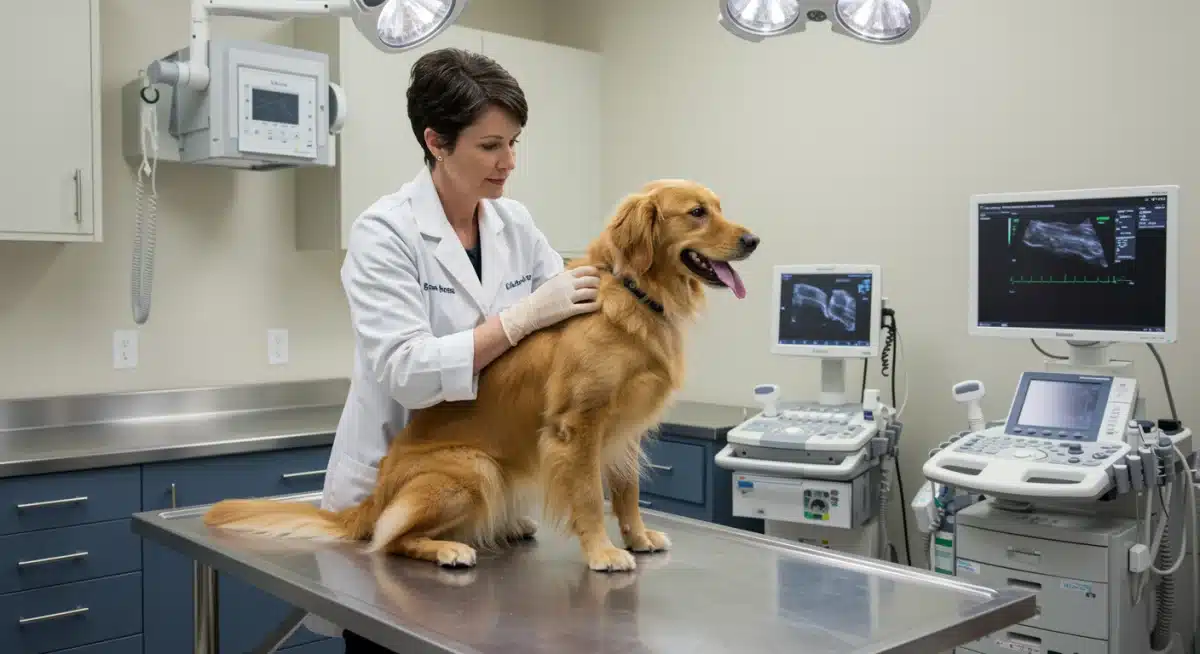
Advanced veterinary medicine has revolutionized pet care, offering treatments and preventative measures that extend and improve the lives of our animal companions. This progress, however, comes with a corresponding increase in costs, making comprehensive health management a significant aspect of responsible pet ownership.
From routine check-ups to specialized surgeries, the scope of veterinary services available today mirrors human healthcare in many ways. Owners are increasingly proactive about their pets’ health, understanding that preventative care can often avert more serious and costly issues down the line.
The Importance of Preventative Care
Preventative care is the cornerstone of modern pet health. Regular veterinary visits allow for early detection of potential health problems, ensuring timely intervention and often leading to better outcomes. This includes annual physical exams, vaccinations against common diseases, and routine parasite control.
Furthermore, dental hygiene has gained significant attention, with many veterinarians recommending regular dental cleanings to prevent periodontal disease, which can lead to more severe health issues if left untreated. Investing in preventative care is often more cost-effective than treating advanced illnesses.
Specialized Treatments and Emergency Services
The availability of specialized veterinary services, such as oncology, cardiology, and orthopedics, means pets can now receive highly advanced care for complex conditions. While these treatments can be life-saving, they are often expensive, requiring sophisticated equipment and expert veterinary specialists.
Emergency veterinary clinics operate 24/7, providing critical care for accidents and sudden illnesses. The costs associated with emergency services can be particularly high due to the immediate nature of the care and the resources required. This is where pet insurance can play a vital role, helping to cushion the financial blow of unexpected medical crises.
- Annual Check-ups: Essential for monitoring overall health.
- Vaccinations: Protecting against infectious diseases.
- Parasite Control: Preventing fleas, ticks, and heartworms.
- Surgical Procedures: Routine spaying/neutering and complex operations.
- Diagnostic Tests: Blood work, X-rays, ultrasounds for accurate diagnoses.
The commitment to advanced veterinary care reflects the deep bond between pets and their owners. While the financial implications are significant, the ability to provide high-quality medical attention for beloved companions is a priority for many American households.
The Impact of Pet Ownership on Lifestyles and Housing
The decision to own a pet extends far beyond the initial adoption; it profoundly influences lifestyle choices, housing situations, and even social interactions. As pets become more integrated into family life, their needs increasingly shape daily routines and long-term planning for American households.
From choosing a home with a spacious yard to seeking out pet-friendly communities, pet owners often prioritize their animals’ well-being when making significant life decisions. This shift reflects a growing recognition of pets as essential companions rather than mere accessories.
Adapting Housing to Accommodate Pets
Finding suitable housing can be a significant challenge for pet owners. Many rental properties have strict pet policies, breed restrictions, or require additional pet deposits and monthly fees. This often leads owners to seek out pet-friendly apartments or consider homeownership to provide a more stable environment for their animals.
For homeowners, modifications like fenced yards, designated pet areas, and durable flooring become important considerations. The rise of pet-centric amenities in planned communities, such as dog parks and grooming stations, further illustrates how housing markets are adapting to the demands of pet owners.
Lifestyle Changes and Social Integration

Pet ownership often necessitates adjustments to daily routines and leisure activities. Morning walks, evening playtimes, and regular feeding schedules become integral parts of the day. Travel plans frequently include arrangements for pets, whether it’s finding pet-friendly accommodations or securing reliable pet-sitting services.
Pets also foster social connections. Dog parks, pet-friendly cafes, and animal-related events provide opportunities for owners to meet and interact, building communities around shared love for animals. This social integration highlights the positive impact pets have on their owners’ overall quality of life.
- Housing Selection: Prioritizing pet-friendly rentals or homes with suitable outdoor spaces.
- Daily Routines: Incorporating walks, feeding, and playtime.
- Travel Planning: Arranging for pet care or pet-friendly travel options.
- Social Activities: Engaging with other pet owners at parks and events.
The integration of pets into American lifestyles and housing decisions underscores their vital role in our lives. These adaptations, while sometimes challenging, are willingly undertaken by millions who cherish the unique bond they share with their animal companions.
The Rise of Pet Technology and Premium Products
The pet industry has witnessed a significant boom in recent years, driven by technological innovations and a growing demand for premium products. From smart feeders to GPS trackers, technology is enhancing pet care, while high-quality food and luxury accessories reflect owners’ willingness to invest in their pets’ comfort and well-being.
This trend is indicative of the humanization of pets, where owners seek to provide their animals with the best possible quality of life, often mirroring human consumer patterns. The market for pet tech and premium goods is continuously expanding, offering a vast array of choices for every pet and owner.
Innovations in Pet Technology
Pet technology has brought convenience and peace of mind to many owners. Smart feeders allow for scheduled meal times and portion control, even when owners are away. GPS trackers help locate lost pets, significantly increasing the chances of a safe return. Remote cameras enable owners to monitor their pets’ activities and interact with them from afar.
Beyond these practical applications, there are also advanced health monitoring devices that track activity levels, sleep patterns, and even detect early signs of illness. These technological advancements not only make pet ownership easier but also contribute to a higher standard of care.
- Smart Feeders: Automated feeding and portion control.
- GPS Trackers: Enhanced safety and recovery of lost pets.
- Remote Cameras: Monitoring and interaction from anywhere.
- Health Monitors: Tracking activity, sleep, and vital signs.
The Premiumization of Pet Products
The demand for premium pet products has surged, with owners seeking out high-quality, often human-grade, ingredients for their pets’ food. Organic, grain-free, and specialized dietary options are now commonplace, reflecting a focus on nutrition and health.
Beyond food, the market for luxury pet accessories, ergonomic beds, advanced grooming tools, and even fashionable apparel has grown substantially. Owners are willing to spend more on products that promise enhanced comfort, safety, and style for their beloved animals. This premiumization extends to services as well, including upscale boarding facilities and professional pet photography.
The integration of technology and the demand for premium products underscore the evolving relationship between humans and pets. Owners are leveraging these advancements to provide optimal care, demonstrating their deep commitment to their animal companions’ happiness and longevity.
The Future of Pet Ownership: Sustainability and Ethical Considerations
As pet ownership continues to grow and evolve in the US, so too do the discussions around sustainability and ethical considerations. The environmental impact of pet food production, responsible breeding practices, and the welfare of shelter animals are becoming increasingly important topics for pet owners and the industry alike.
A greater awareness of these issues is shaping consumer choices and driving innovation within the pet care sector. The future of pet ownership will likely involve a stronger emphasis on eco-friendly products, ethical sourcing, and a commitment to animal welfare.

Sustainable Pet Products and Practices
The environmental footprint of pet ownership is a growing concern. This has led to an increase in demand for sustainable pet products, including ethically sourced ingredients for pet food, biodegradable waste bags, and toys made from recycled materials. Companies are responding by developing more eco-conscious options.
Beyond products, sustainable practices in pet care are also gaining traction, such as reducing water usage during grooming and supporting local pet businesses to minimize transportation emissions. These efforts aim to ensure that our love for pets doesn’t come at an undue cost to the planet.
Ethical Breeding and Adoption Initiatives
The debate around ethical breeding versus adoption from shelters continues to be a central topic. While responsible breeders play a role in maintaining breed standards and health, the overwhelming number of animals in shelters highlights the importance of adoption as a primary choice for acquiring a pet.
Initiatives promoting adoption, spaying and neutering programs, and campaigns against puppy mills are crucial for improving animal welfare. The future of pet ownership will increasingly involve a conscious decision to support ethical practices and provide homes for animals in need.
- Eco-friendly Choices: Opting for sustainable pet food and accessories.
- Responsible Sourcing: Supporting brands with ethical production practices.
- Shelter Adoption: Prioritizing giving a home to animals in need.
- Spay/Neuter Programs: Controlling pet overpopulation.
The evolving conversation around sustainability and ethics reflects a maturing understanding of our responsibilities as pet owners. These considerations will undoubtedly play a pivotal role in shaping the landscape of US pet ownership in the coming years, guiding us towards more compassionate and environmentally conscious choices.
| Key Aspect | Brief Description |
|---|---|
| Popular Breeds | Labrador Retrievers and French Bulldogs lead dog popularity; Maine Coons and Ragdolls among top cats. |
| Rising Pet Costs | Significant increases in veterinary care, premium food, and general supplies impact pet owners’ budgets. |
| Vet Care Trends | Emphasis on preventative care, specialized treatments, and the growing role of pet insurance. |
| Lifestyles & Housing | Pet needs influence housing choices, daily routines, and social interactions, reflecting deep integration. |
Frequently Asked Questions About US Pet Ownership
The Labrador Retriever has consistently been a top choice for decades, known for its friendly nature. Other highly popular breeds include the French Bulldog, Golden Retriever, and German Shepherd Dog, each valued for their unique attributes and adaptability to family life.
Rising pet care costs are primarily driven by advancements in veterinary medicine, increased demand for specialized treatments, higher quality pet food and products, and a growing emphasis on preventative care. Owners are investing more in their pets’ well-being than ever before.
Pets significantly impact household finances through initial adoption/purchase fees, ongoing expenses like food, routine and emergency veterinary care, grooming, and training. Many owners now budget for pet insurance to manage unforeseen medical costs, making it a substantial financial commitment.
Current pet technology trends include smart feeders for automated meal management, GPS trackers for pet safety, remote cameras for monitoring and interaction, and advanced health monitors that track activity and vital signs, enhancing both convenience and care for pets and owners.
Yes, there’s a growing awareness among US pet owners regarding sustainability. This includes a demand for eco-friendly pet products, ethically sourced food, and a preference for adoption from shelters. There’s an increasing focus on reducing the environmental footprint of pet ownership.
Conclusion
The evolving landscape of US Pet Ownership Trends clearly illustrates a profound and deepening connection between Americans and their animal companions. From the enduring popularity of classic breeds to the integration of advanced technology and the increasing financial commitment required for comprehensive care, pets are more than just animals; they are integral members of the family. As we look to the future, considerations of sustainability and ethical practices will continue to shape how Americans interact with and care for their beloved pets, ensuring that this cherished bond remains strong and responsible for generations to come.