Nature’s Rx: 30 Minutes Outdoors Boosts Mood in the US
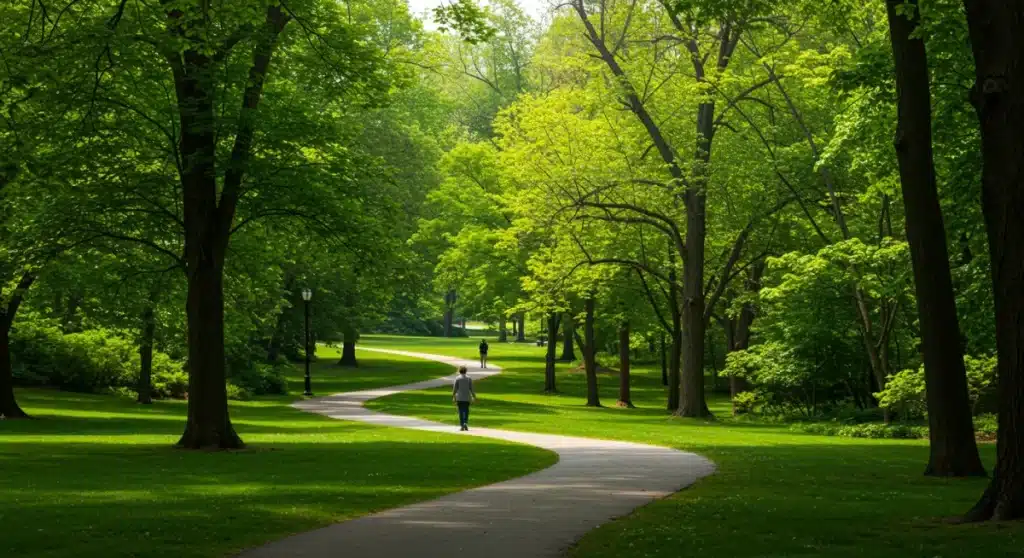
In our increasingly digital and fast-paced world, finding moments of calm and rejuvenation can feel like a luxury. Yet, research consistently shows that one of the most effective and accessible ways to enhance our psychological state is by reconnecting with the natural world. This article explores The Benefits of Nature: How Spending Just 30 Minutes Outdoors Can Boost Your Mood in the US, delving into the science behind this simple yet profound practice and offering practical insights for incorporating it into your daily life.
The science behind nature’s mood-boosting power
It’s not just a feeling; there’s substantial scientific evidence supporting the positive impact of nature on our mental health.
Decades of research, from environmental psychology to neuroscience, have illuminated the intricate ways in which green spaces and natural environments contribute to our emotional and psychological well-being. Understanding these mechanisms can help us appreciate the profound benefits of even short stints outdoors.
One primary theory, Attention Restoration Theory (ART), suggests that natural environments help restore our directed attention capacity, which can be depleted by demanding tasks in urban settings.
Unlike the ‘hard fascination’ of city life, which requires constant vigilance and effortful attention, nature offers ‘soft fascination’ – a gentle engagement that allows our minds to wander and recover. This restoration leads to reduced mental fatigue, improved cognitive function, and a greater sense of calm.
Physiological responses to natural environments
Beyond cognitive restoration, exposure to nature triggers a cascade of beneficial physiological responses. Studies have shown that spending time outdoors can significantly lower levels of cortisol, the body’s primary stress hormone.
This reduction in cortisol is often accompanied by a decrease in heart rate and blood pressure, indicating a profound relaxation response. These physiological changes are not merely subjective; they are measurable indicators of stress reduction.
Furthermore, exposure to sunlight aids in the production of Vitamin D, which is crucial for mood regulation and overall health. Lower Vitamin D levels have been linked to an increased risk of depression and anxiety.
Cortisol reduction: Lower stress hormone levels directly contribute to a calmer state.
Heart rate variability: Improved heart rate variability indicates a healthier nervous system response.
Blood pressure decrease: Regular nature exposure can help maintain healthy blood pressure.
Vitamin D synthesis: Sunlight exposure promotes Vitamin D production, vital for mood.
The role of ‘forest bathing’ and biophilia
The concept of ‘forest bathing,’ or shinrin-yoku, originating in Japan, emphasizes immersing oneself in the atmosphere of the forest. This practice extends beyond mere physical presence; it involves engaging all senses to absorb the natural environment.
Research on forest bathing has highlighted the role of phytoncides, airborne chemicals emitted by trees, in boosting immune function and reducing stress.
The biophilia hypothesis, proposed by Edward O. Wilson, further posits that humans have an innate tendency to connect with nature and other living systems. This deep-seated connection explains why natural environments resonate so strongly with us, fostering a sense of peace and belonging.
In essence, the science confirms what many intuitively feel: nature is not just a pleasant backdrop but a powerful therapeutic tool.
Its ability to restore our attention, calm our physiological responses, and fulfill our innate need for connection makes it an indispensable resource for mental well-being. Even short, consistent doses of outdoor time can yield significant improvements in mood and overall psychological health.
Practical ways to integrate nature into your daily routine
Knowing the benefits is one thing; actually incorporating nature into a busy American lifestyle is another. The good news is that you don’t need to embark on a wilderness expedition to reap the rewards.
Even small, intentional adjustments to your daily routine can make a significant difference. The key is consistency and a willingness to seek out green spaces, however modest they may be.
For those living in urban areas, finding nature might seem challenging, but it’s often closer than you think. City parks, community gardens, tree-lined streets, and even a well-maintained backyard or balcony garden can provide the necessary connection.
The goal isn’t to escape civilization entirely, but to create micro-moments of natural immersion throughout your day.
Morning rituals and outdoor starts
Starting your day with a dose of nature can set a positive tone for hours to come. Consider moving your morning coffee or tea ritual outdoors, even if it’s just on your porch or by an open window overlooking some greenery.
A brisk 15-minute walk around your neighborhood park before work can also provide a refreshing mental reset. The fresh air and natural light can help regulate your circadian rhythm, leading to better sleep and increased alertness during the day. This simple change can significantly impact your mood and productivity.
Lunch breaks and mindful moments
Midday is an excellent opportunity to break away from screens and step outside. Instead of eating lunch at your desk, find a nearby park bench or a green space to enjoy your meal. Use this time not just for eating, but for mindful observation.
Pay attention to the sounds of birds, the rustling of leaves, the feel of the breeze on your skin. These mindful moments can act as mini-meditations, reducing stress and improving focus for the rest of your workday. Even a short walk around the block, focusing on any trees or plants you encounter, can be beneficial.
Eat outdoors: Find a park bench or green spot for lunch.
Mindful observation: Pay attention to natural sights, sounds, and sensations.
Short walks: Utilize breaks for quick strolls in natural surroundings.
Screen-free time: Disconnect from devices to fully immerse in nature.
Evening wind-downs and weekend adventures
As the day winds down, another short walk can help transition from work mode to relaxation. A stroll with a pet, a leisurely walk with family, or even tending to a small garden can provide a calming end to the day.
On weekends, aim for longer periods of nature engagement. Explore local hiking trails, visit botanical gardens, or spend time at a nearby lake or beach. These longer excursions reinforce the positive effects and create lasting memories.
The consistent effort to integrate nature, however small, builds a powerful habit that supports long-term mental well-being.
The impact of green spaces on urban dwellers
For the majority of Americans living in urban and suburban environments, access to nature might seem limited. However, the presence and quality of green spaces within cities play a crucial role in the mental health of their residents.
Urban parks, community gardens, and even tree-lined streets are not just aesthetic features; they are vital components of a healthy cityscape, offering accessible retreats from the concrete jungle.
Research consistently highlights that urban green spaces are associated with lower levels of stress, anxiety, and depression among city dwellers.
These areas provide opportunities for physical activity, social interaction, and mental restoration, all of which are critical for psychological well-being. The mere sight of greenery can have a calming effect, reducing the cognitive load often experienced in busy urban settings.
Designing healthier cities: the role of urban planning
Forward-thinking urban planning increasingly recognizes the importance of integrating green infrastructure into city design. This includes not only creating new parks but also preserving existing natural habitats, planting street trees, and developing green roofs and walls.
These initiatives are not merely about beautification; they are strategic investments in public health. Cities that prioritize green spaces often see a reduction in healthcare costs related to stress and mental illness, alongside improved community cohesion and environmental benefits like better air quality and reduced urban heat island effects.

Community gardens: fostering connection and growth
Community gardens offer a unique blend of nature exposure and social engagement, proving particularly beneficial for urban residents. These shared green spaces not only provide opportunities for gardening and access to fresh produce but also act as hubs for community interaction.
Working together on a common project, sharing knowledge, and celebrating harvests fosters a sense of belonging and reduces feelings of isolation. The act of nurturing plants itself can be deeply therapeutic, offering a tangible connection to life cycles and a sense of accomplishment.
Social interaction: Community gardens provide platforms for residents to connect.
Sense of purpose: Tending to plants offers a meaningful, rewarding activity.
Access to fresh food: Gardens can improve local food security and healthy eating.
Skill development: Learning about gardening can boost self-efficacy and knowledge.
Ultimately, the proactive development and maintenance of urban green spaces are essential for promoting mental well-being in an increasingly urbanized nation. These areas serve as accessible sanctuaries, offering a vital escape and a source of psychological resilience for millions of Americans.
Reducing stress and anxiety with outdoor exposure
The relentless pace of modern life, coupled with constant digital connectivity, has led to a significant rise in stress and anxiety levels across the United States. Many Americans seek effective strategies to manage these mental health challenges, and increasingly, researchers are pointing to nature as a powerful, accessible, and often overlooked remedy.
Spending time outdoors, even for short durations, can significantly mitigate the physiological and psychological symptoms of stress and anxiety.
When we are stressed, our sympathetic nervous system goes into overdrive, triggering the ‘fight or flight’ response.
This leads to increased heart rate, elevated blood pressure, and muscle tension. Natural environments, by contrast, activate the parasympathetic nervous system, promoting a ‘rest and digest’ state. This shift helps to calm the body and mind, making it an invaluable tool for stress reduction.
Mindfulness in nature: enhancing the calming effect
While merely being outdoors offers benefits, actively engaging in mindful practices within natural settings can amplify these effects. Mindfulness involves paying deliberate attention to the present moment without judgment.
When practiced outdoors, this can mean focusing on the sounds of birds, the scent of pine needles, the feeling of wind on your skin, or the visual details of a blooming flower. This sensory immersion helps to ground you, diverting attention from stressful thoughts and fostering a sense of peace. Regular mindful nature walks have been shown to reduce rumination, a common feature of anxiety and depression.
Nature as a distraction from daily worries
Beyond active mindfulness, nature provides a welcome distraction from the pressures of daily life. The beauty and complexity of natural landscapes offer a gentle engagement that allows the mind to temporarily disengage from stressors. This passive engagement, often referred to as ‘soft fascination,’ prevents mental fatigue and provides a cognitive break.
Whether it’s watching clouds drift by, observing wildlife, or simply gazing at a serene landscape, these moments offer a mental respite that can significantly reduce feelings of overwhelm and anxiety.
Sensory engagement: Focus on sights, sounds, smells, and textures of nature.
Reduced rumination: Mindful nature time can lessen repetitive negative thinking.
Cognitive break: Nature offers a gentle distraction from stressors, aiding mental recovery.
Emotional regulation: Outdoor exposure helps stabilize mood and reduce emotional reactivity.
In conclusion, incorporating regular outdoor exposure into one’s routine is a highly effective strategy for managing and reducing stress and anxiety. The combination of physiological calming, mindful engagement, and cognitive distraction offered by nature provides a holistic approach to improving mental well-being in a high-pressure world.
Boosting creativity and cognitive function
Beyond its well-documented benefits for mood and stress reduction, spending time in nature has also been shown to significantly enhance creativity and cognitive function.
In an era where innovation and sharp thinking are highly valued, leveraging the power of the outdoors can provide a competitive edge and improve overall mental performance. This cognitive boost is not just about feeling refreshed; it translates into tangible improvements in problem-solving, attention span, and imaginative thought.
The theory behind this lies partly in the concept of ‘soft fascination’ mentioned earlier. Unlike the demanding, directed attention required by urban environments and digital tasks, nature allows our minds to wander freely.
This state of open attention is conducive to divergent thinking, which is crucial for creative problem-solving. When our minds are not constantly bombarded with stimuli requiring focused attention, they are free to make new connections and generate novel ideas.
Improved attention and focus
Regular exposure to natural environments has been linked to improvements in directed attention. Studies have found that even short walks in a park can enhance memory and attention performance compared to walks in urban settings.
This is particularly relevant for students and professionals who spend extended periods engaged in mentally demanding tasks. By allowing the brain to recover from attentional fatigue, nature helps us return to our work with renewed focus and clarity. This restorative effect can be a powerful antidote to the cognitive drain of constant screen time and information overload.
Enhanced problem-solving abilities
Creativity is often defined as the ability to generate new and useful ideas. Nature plays a significant role in fostering this ability. By reducing stress and allowing for mental relaxation, outdoor environments create optimal conditions for creative thought processes.
When the mind is calm and unburdened by stress, it is more capable of exploring different perspectives and connecting seemingly unrelated concepts. This leads to more innovative solutions and a greater capacity for original thinking. Many artists, writers, and thinkers have historically sought inspiration in natural settings, a testament to its power to unlock creative potential.

Divergent thinking: Nature encourages open-ended thought processes.
Mental clarity: Outdoor time clears mental clutter, enhancing focus.
Problem-solving: Relaxed states fostered by nature lead to better solutions.
Inspiration: Natural beauty and complexity can spark new ideas.
In summary, integrating regular outdoor time into your life is not just about mental well-being; it’s also a strategic move to sharpen your cognitive faculties. Whether you’re looking to boost your creativity for a project or simply improve your daily focus, nature offers a simple yet profound pathway to a more agile and innovative mind.
Connecting with nature: beyond the physical benefits

While the physiological and psychological advantages of spending time outdoors are well-documented, the benefits of nature extend far beyond what can be measured by heart rate monitors or stress hormone tests.
There’s a deeper, more profound connection that humans forge with the natural world, one that touches upon our sense of purpose, spirituality, and interconnectedness. This abstract yet powerful aspect of nature engagement often contributes significantly to overall well-being and a richer quality of life.
Many individuals report feeling a sense of awe and wonder when immersed in grand natural landscapes, such as mountains, forests, or oceans.
This experience of awe has been linked to increased feelings of humility, empathy, and a reduced sense of self-importance, leading to a greater focus on collective well-being. These moments can provide a much-needed perspective shift, helping to mitigate the often self-focused anxieties of modern life.
Fostering a sense of environmental stewardship
Regular interaction with nature often cultivates a stronger sense of environmental responsibility. When people spend time in parks, forests, or wild spaces, they develop a deeper appreciation for these environments.
This personal connection can translate into a desire to protect and preserve natural resources. Engaging with nature, therefore, not only benefits individual mental health but also encourages a collective consciousness towards sustainability and conservation. This virtuous cycle ensures that future generations can also experience the profound benefits of a healthy planet.
Building resilience and adaptability
Nature is inherently dynamic and unpredictable. Spending time outdoors, particularly engaging in activities like hiking or gardening, exposes us to varying weather conditions and natural challenges.
Navigating these elements, whether it’s adjusting to a sudden rain shower or learning to care for a delicate plant, can foster resilience and adaptability. These experiences teach us to cope with situations outside our control, building a mental fortitude that can be applied to other aspects of life. The natural world offers constant lessons in change, growth, and perseverance.
Awe and wonder: Grand natural scenes inspire humility and connection.
Empathy development: Connection to nature can increase compassion for all living things.
Environmental awareness: Personal experience fosters a desire for conservation.
Personal growth: Navigating natural challenges builds resilience and adaptability.
Ultimately, the deeper connection forged with nature is about more than just feeling good; it’s about cultivating a more holistic and meaningful existence. It encourages us to look beyond ourselves, to appreciate the intricate web of life, and to develop qualities that enhance both our individual lives and our collective future.
Overcoming barriers to outdoor engagement in the US
Despite the overwhelming evidence supporting the benefits of nature, many Americans face significant barriers to consistent outdoor engagement.
These challenges range from logistical hurdles to societal norms, making it difficult for individuals to prioritize time in green spaces. Addressing these barriers is crucial for ensuring that the mental health benefits of nature are accessible to everyone, regardless of their circumstances.
One of the most common barriers is simply lack of time. Busy work schedules, family commitments, and the demands of modern life often leave little room for leisure activities, let alone dedicated time outdoors. Another significant factor is limited access to quality green spaces, particularly for residents in low-income urban areas where parks might be few, poorly maintained, or perceived as unsafe. Furthermore, a growing reliance on digital entertainment and indoor activities can diminish the perceived value or appeal of outdoor pursuits.
Addressing urban access and equity
Ensuring equitable access to green spaces is a critical step in overcoming barriers. This involves urban planning initiatives that prioritize the creation and maintenance of parks, community gardens, and natural trails in all neighborhoods, not just affluent ones.
Investments in public transportation to natural areas can also make a significant difference. Furthermore, community programs that organize guided nature walks or outdoor activities can help introduce residents to local green spaces and foster a sense of belonging and safety.
Shifting cultural perceptions and habits
Beyond physical access, there’s a need to shift cultural perceptions and habits. Promoting the idea that nature time is not a luxury but a fundamental component of health can encourage individuals to prioritize it.
Educational campaigns in schools and workplaces can highlight the mental and physical benefits, inspiring people to integrate more outdoor time into their routines.
Simple acts like encouraging walking meetings or outdoor breaks in corporate settings can also contribute to this cultural shift. The goal is to make outdoor engagement a default, rather than an exception.
Time constraints: Busy schedules often limit outdoor opportunities.
Geographic access: Unequal distribution of green spaces, especially in urban areas.
Safety concerns: Perceived or actual dangers in certain outdoor environments.
Digital distraction: Over-reliance on screens diminishes outdoor appeal.
Overcoming these barriers requires a multi-faceted approach involving policy changes, community initiatives, and individual commitment. By actively working to make nature more accessible and appealing, we can unlock its full potential as a powerful tool for mental well-being across the US.
| Key Benefit | Brief Description |
|---|---|
| Mood Enhancement | Just 30 minutes outdoors can significantly reduce feelings of sadness and increase overall happiness. |
| Stress Reduction | Nature exposure lowers cortisol levels, heart rate, and blood pressure, promoting relaxation. |
| Cognitive Boost | Improves attention, focus, and creativity by allowing the mind to recover from directed attention fatigue. |
| Deeper Connection | Fosters a sense of awe, environmental stewardship, and builds personal resilience and adaptability. |
Frequently asked questions about nature and mood
Research suggests that even brief exposures, such as 10-30 minutes, can start to improve mood and reduce stress levels almost immediately. The cumulative effect of consistent short exposures is even more pronounced, leading to sustained mental health benefits over time. It’s often about quality over quantity.
While all forms of nature can be beneficial, studies indicate that environments with more natural elements (trees, water, diverse flora) tend to have a greater impact. Urban parks with ample greenery are effective, but more pristine natural settings like forests or coastlines often yield deeper restorative effects due to their richness in ‘soft fascination’ and sensory input.
While indoor plants and nature videos can offer some mild psychological benefits, such as reducing stress or improving focus, they generally do not replicate the full spectrum of advantages that direct outdoor exposure provides. The multi-sensory immersion, fresh air, natural light, and physical activity of being outdoors are crucial for maximizing mood-boosting effects.
Absolutely. Numerous studies, including those on ‘green exercise,’ confirm that even short bouts of 20-30 minutes of outdoor activity or passive exposure significantly reduce stress, improve mood, and enhance cognitive function. Consistency is often more important than duration, making 30 minutes a highly achievable and effective daily target.
Even small doses count. Seek out tree-lined streets, community gardens, or even a quiet spot with a few plants. Consider bringing nature indoors with houseplants or creating a small balcony garden. Utilizing public transport to access larger parks on weekends can also be a valuable strategy for enhancing your connection with nature.
Conclusion
In a world increasingly demanding our attention and energy, the simple act of stepping outdoors for just 30 minutes offers a profound and accessible antidote to daily stressors.
The scientific evidence is compelling, demonstrating that regular engagement with nature significantly boosts mood, reduces anxiety, enhances cognitive function, and fosters a deeper sense of connection and well-being.
From the physiological calming of the nervous system to the restorative power of ‘soft fascination,’ nature provides a holistic therapy that is both effective and universally available.
Overcoming the common barriers to outdoor engagement, whether through conscious scheduling or advocating for more accessible green spaces, is a vital step toward cultivating a healthier, happier population across the United States.
Embracing nature is not merely a pleasant pastime; it is a fundamental practice for nurturing our mental and emotional health.