Nature’s Impact on Mental Health: Reconnect Outdoors in 2026
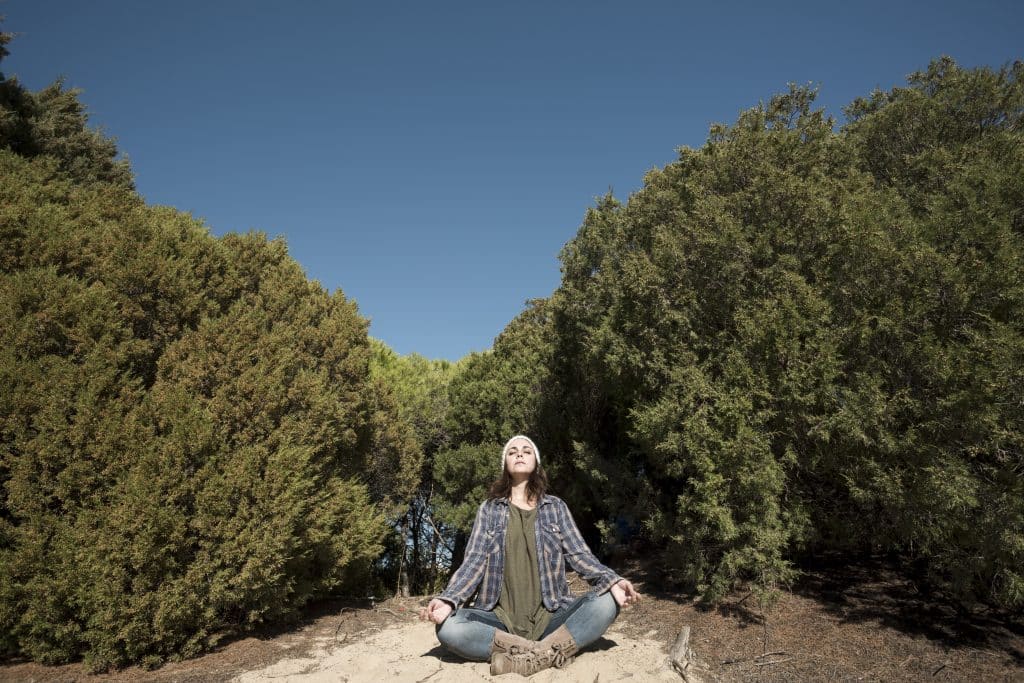
Engaging with nature significantly boosts mental well-being by reducing stress, improving mood, and fostering a sense of calm, with 2026 highlighting accessible outdoor reconnection strategies.
The profound connection between humans and the natural world is not a new concept, yet its significance in our fast-paced modern lives often goes overlooked.
In 2026, as society grapples with increasing digital demands and urban complexities, understanding the impact of nature on mental health: 3 ways to reconnect outdoors in 2026 becomes more crucial than ever.
This article delves into how immersing ourselves in green spaces can be a powerful antidote to stress, anxiety, and the general malaise of contemporary living, offering practical pathways to rekindle this vital bond.
Understanding the Biophilia Hypothesis and Its Relevance
The biophilia hypothesis, first popularized by E.O. Wilson, suggests that humans possess an innate tendency to connect with nature and other living systems.
This deep-seated affinity is not merely a preference but a fundamental aspect of our psychological and physiological well-being. In an age where concrete jungles often replace natural landscapes, recognizing and nurturing this biophilic connection is paramount for maintaining mental equilibrium.
Our evolutionary history is deeply intertwined with the natural environment. For millennia, humans lived in close harmony with forests, rivers, and wildlife, developing a biological predisposition to find solace and sustenance in these settings.
This ancestral connection continues to influence our responses to natural stimuli, often manifesting as feelings of calm, reduced stress, and increased cognitive function when we are surrounded by greenery. The absence of such exposure can lead to what some researchers call ‘nature deficit disorder,’ contributing to various mental health challenges.
The Science Behind Nature’s Calming Effect
Numerous studies have explored the physiological and psychological mechanisms through which nature impacts our mental health. Exposure to natural environments has been shown to lower cortisol levels, reduce blood pressure, and decrease heart rate, all indicators of reduced stress.
The sensory experience of nature – the sounds of birds, the rustling of leaves, the scent of fresh earth – actively engages our parasympathetic nervous system, promoting relaxation and recovery.
Reduced Rumination: Spending time in nature can interrupt negative thought patterns.
Improved Mood: Exposure to natural light and green spaces can elevate spirits and reduce symptoms of depression.
Enhanced Cognitive Function: Studies show improved attention, memory, and problem-solving skills after nature walks.
Stress Reduction: Lowered physiological stress markers are consistently observed in natural settings.
Furthermore, the visual complexity and fractal patterns often found in nature have been linked to a restorative effect on directed attention.
This means that while we are engaged by nature’s beauty, our brains are simultaneously getting a gentle workout that helps recover from the mental fatigue caused by urban environments and demanding tasks.
Understanding these foundational principles sets the stage for exploring practical ways to reconnect with the outdoors in 2026.
The biophilia hypothesis provides a compelling framework for why nature is so vital to our mental health. It’s not just a pleasant pastime; it’s a fundamental human need.
As we move further into the 21st century, integrating more natural elements into our daily lives becomes less of a luxury and more of a necessity for overall well-being. Recognizing this innate drive is the first step toward consciously designing our lives to include more green spaces and outdoor activities.
Strategy 1: Embrace Urban Green Spaces and Parks
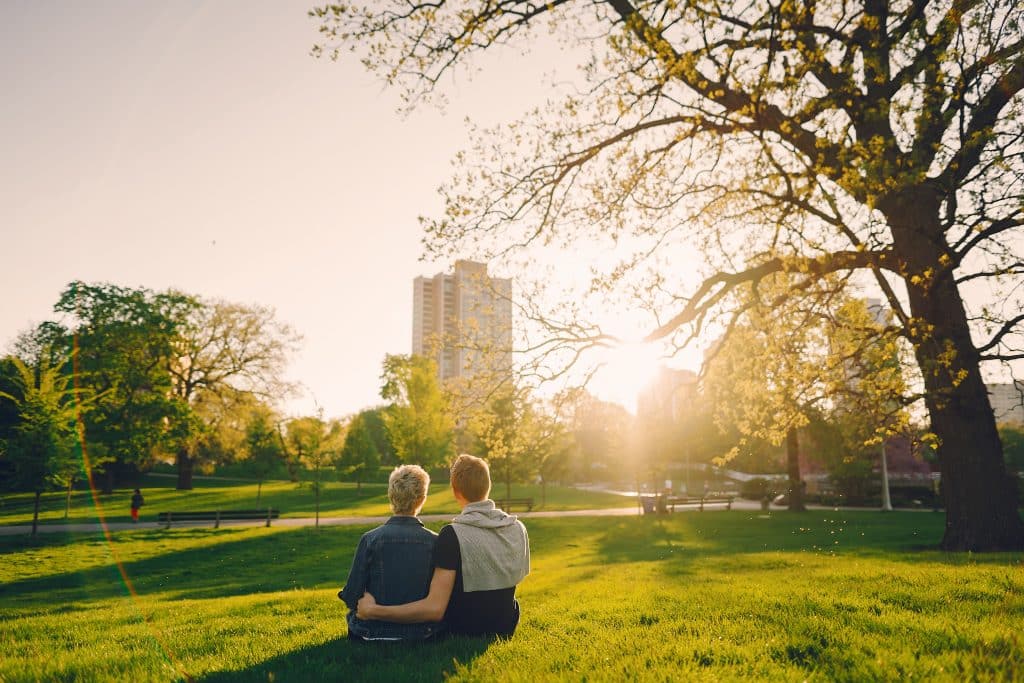
Even in bustling metropolitan areas, opportunities to connect with nature abound. Urban green spaces and parks serve as vital lungs for cities, offering residents accessible sanctuaries from the concrete jungle.
Making a conscious effort to utilize these areas is one of the most straightforward and effective ways to boost mental well-being in 2026, even for those with limited time or resources.
These urban oases provide a multitude of benefits, from reducing air pollution to offering habitats for local wildlife. More importantly for mental health, they provide immediate access to natural elements that can significantly reduce stress and improve mood.
A short walk through a local park can be just as effective as a longer excursion into the wilderness for many people, especially when integrated into a regular routine.
Maximizing Your Park Experience
Simply being in a park is beneficial, but engaging with the environment mindfully can amplify the positive effects. Instead of rushing through, take a moment to observe the details around you. Notice the different shades of green, the various textures of leaves, or the sounds of birdsong.
This mindful engagement helps ground you in the present moment, pulling you away from distracting thoughts and anxieties.
Regular Park Visits: Aim for at least 20-30 minutes, three times a week.
Mindful Walking: Pay attention to your senses – sights, sounds, smells, and textures.
Picnics and Outdoor Meals: Combine social interaction with natural exposure.
Volunteer in Community Gardens: Connect with nature and your community simultaneously.
Many urban parks also offer organized activities like yoga classes, guided nature walks, or community gardening initiatives. Participating in these activities can enhance your connection to nature while also fostering social connections, which are another crucial aspect of mental health.
Even if formal activities aren’t available, simply sitting on a bench and observing the natural world unfold around you can be incredibly therapeutic.
The accessibility of urban green spaces makes them an invaluable resource for improving mental health. By intentionally incorporating park visits into our weekly routines, we can create pockets of calm and rejuvenation amidst the demands of urban life.
This strategy is particularly effective because it requires minimal planning and can be easily integrated into existing schedules, making it a sustainable practice for long-term well-being.
Strategy 2: Engage in Outdoor Hobbies and Activities
Beyond passive observation, actively engaging in outdoor hobbies provides a more immersive and sustained connection with nature. For 2026, consider adopting a new outdoor activity or rekindling an old passion that takes you into natural settings.
This approach not only offers the mental health benefits of nature exposure but also incorporates physical activity and skill development, further boosting overall well-being.
From hiking and gardening to birdwatching and kayaking, the options for outdoor engagement are vast and varied. The key is to find an activity that genuinely interests you and that you can realistically commit to on a regular basis.
The satisfaction of mastering a new skill or achieving a fitness goal in an outdoor environment can significantly enhance self-esteem and provide a sense of accomplishment.
Popular Outdoor Hobbies for Mental Well-being
Choosing the right outdoor hobby depends on your interests, physical capabilities, and access to natural environments. However, some activities are particularly well-suited for promoting mental health due to their combination of physical exertion, mindful engagement, and exposure to nature.
Hiking and Trail Walking: Offers cardiovascular benefits and opportunities for scenic immersion.
Gardening: Connects you directly with the earth, provides a sense of purpose, and can be meditative.
Birdwatching: Encourages quiet observation, patience, and a deeper appreciation for wildlife.
Kayaking or Paddleboarding: Provides a unique perspective of natural landscapes from the water, often in tranquil settings.
These activities often encourage a state of flow, where you become completely engrossed in the task at hand, forgetting about external stressors.
This immersive experience is highly beneficial for reducing anxiety and improving focus. The physical exertion involved also releases endorphins, natural mood lifters, further enhancing the mental health benefits.
Moreover, many outdoor hobbies can be shared with others, transforming them into social activities. Hiking with friends, joining a community garden, or participating in a local birdwatching group can combat feelings of isolation and strengthen social bonds, which are vital for mental well-being.
The shared experience of nature often leads to deeper connections and shared memories.
By actively pursuing outdoor hobbies, you’re not just spending time outside; you’re building a sustainable practice that integrates physical, mental, and social health.
This proactive approach to reconnecting with nature offers a richer, more engaging experience than passive exposure alone, providing continuous opportunities for growth and rejuvenation throughout 2026 and beyond.
Strategy 3: Practice Mindful Nature Immersion (Forest Bathing)
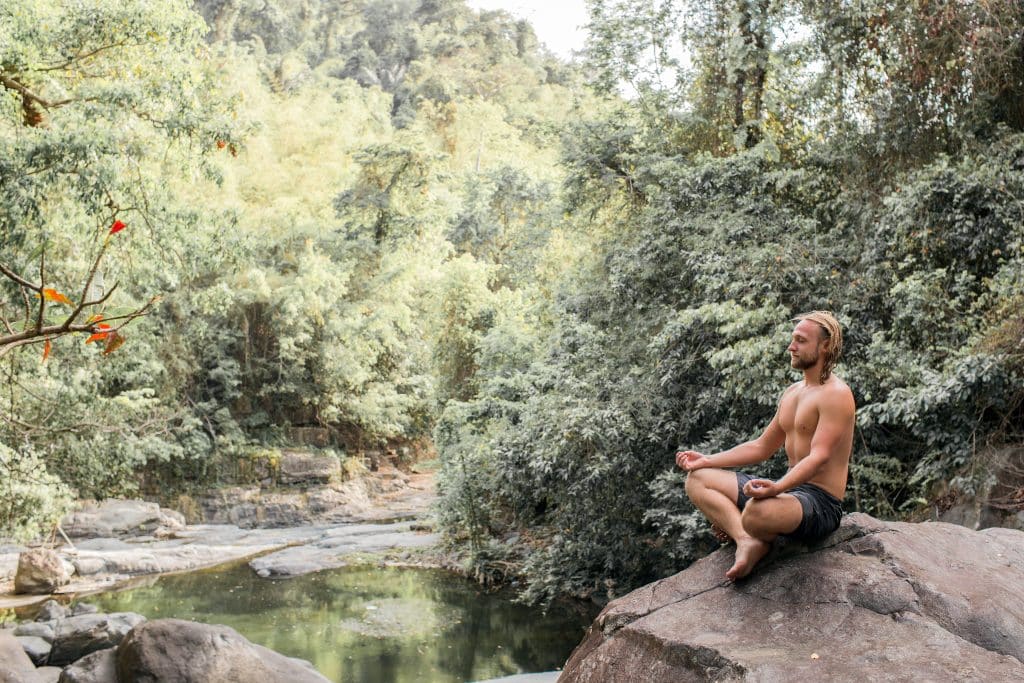
Mindful nature immersion, often referred to as ‘forest bathing’ or ‘Shinrin-yoku’ from Japan, is a deliberate practice of spending time in a natural environment and mindfully engaging your senses. It’s not about hiking or exercising; it’s about simply being present in nature, allowing its restorative powers to wash over you.
This practice is gaining significant traction for its profound benefits on mental health, making it a powerful strategy for 2026.
Forest bathing encourages a slow, contemplative approach to nature. Instead of focusing on a destination or completing a task, the emphasis is on experiencing the environment through all five senses.
This deliberate slowing down helps to calm the nervous system, reduce cognitive overload, and foster a deeper connection with the natural world, promoting a sense of peace and groundedness.
How to Practice Mindful Nature Immersion
Practicing forest bathing doesn’t require any special equipment or skills, just an open mind and a willingness to slow down. It can be done in any natural setting, from a dense forest to a local park. The key is intentionality – making a conscious decision to engage with nature in a gentle, sensory-focused way.
Find a Quiet Spot: Seek out an area where you can minimize distractions.
Slow Down: Walk slowly, or find a comfortable place to sit.
Engage Your Senses: Actively notice the sights, sounds, smells, and textures around you.
Breathe Deeply: Inhale the forest air, rich with phytoncides (natural compounds released by trees).
Leave Your Devices Behind: Minimize digital distractions to fully immerse yourself.
The scientific community has begun to explore the benefits of forest bathing, finding that it can significantly reduce stress hormones, improve immune function, and lower blood pressure.
The phytoncides released by trees, for example, have been shown to boost natural killer (NK) cell activity, which plays a crucial role in fighting off infections and cancer.
Mindful nature immersion is a powerful tool for self-care, offering a sanctuary for the mind in a world that often feels overwhelming.
By dedicating time to simply ‘be’ in nature, we allow our bodies and minds to recalibrate, fostering a sense of calm and clarity. This practice is particularly valuable for those seeking a deeper, more meditative connection with the natural world in 2026, moving beyond casual outdoor exposure to a more intentional therapeutic experience.
The Role of Technology in Reconnecting with Nature
While the goal is to disconnect from screens and reconnect with nature, technology can paradoxically play a supportive role in facilitating this process. In 2026, various apps and digital tools can help individuals discover local green spaces, identify flora and fauna, or even guide mindful nature walks.
The key is to use technology as a bridge to nature, rather than a barrier.
For instance, mapping applications can help users find nearby parks, nature trails, or even quiet spots within urban environments that they might not have known existed.
Bird identification apps can enhance the birdwatching experience, making it more engaging and educational. Similarly, guided meditation apps often include nature soundscapes or guided forest bathing sessions that can enrich the experience when physically present in nature.
Leveraging Digital Tools Responsibly
The responsible use of technology involves setting clear boundaries to ensure it enhances, rather than detracts from, the nature experience. This means using apps for navigation or identification and then putting the device away to fully immerse oneself in the environment.
Nature Discovery Apps: Find new trails, parks, and natural points of interest.
Identification Guides: Learn about local plants, birds, and insects.
Mindfulness Apps with Nature Sounds: Enhance your outdoor meditation.
Fitness Trackers: Monitor outdoor activity and motivate consistent engagement.
Moreover, social media platforms can be used to connect with nature enthusiasts, join outdoor activity groups, or share inspiring nature photographs, fostering a sense of community around outdoor pursuits.
However, it’s crucial to avoid the trap of constantly documenting the experience for social media, which can detract from genuine presence and appreciation.
The integration of technology should be strategic and purpose-driven, acting as an enabler for deeper nature connection.
When used mindfully, digital tools can lower the barriers to entry for outdoor activities, making nature more accessible and enjoyable for a wider audience. In 2026, finding this balance will be essential for harnessing the benefits of both technology and nature for optimal mental health.
Overcoming Barriers to Outdoor Reconnection
Despite the undeniable benefits, many individuals face significant barriers to regularly connecting with nature. Urban living, demanding work schedules, safety concerns, and lack of awareness can all prevent people from spending time outdoors.
Addressing these challenges is crucial for fostering widespread nature reconnection in 2026.
One of the primary barriers is time scarcity. Modern life often leaves little room for leisure, making it difficult to prioritize outdoor activities.
Another significant concern is accessibility, particularly for individuals living in nature-deprived urban areas or those with mobility limitations. Safety can also be a deterrent, especially for solo adventurers or those in unfamiliar natural settings.
Practical Solutions to Common Obstacles
Overcoming these barriers requires a combination of personal commitment, community initiatives, and policy changes. Individuals can start by integrating small, manageable doses of nature into their daily routines, gradually building up to longer excursions.
Schedule Nature Time: Treat outdoor time as a non-negotiable appointment.
Explore Local Options: Utilize nearby parks and green spaces, even if small.
Join Outdoor Groups: Find safety and companionship in numbers.
Advocate for Green Infrastructure: Support initiatives that bring nature closer to urban residents.
Community efforts, such as guided nature walks, urban gardening projects, and public transportation routes to natural parks, can significantly improve accessibility.
Local governments and urban planners also have a vital role to play in creating and maintaining green infrastructure, ensuring that natural spaces are safe, well-maintained, and easily reachable for all residents.
Furthermore, raising awareness about the mental health benefits of nature can motivate more people to overcome these barriers.
Educational campaigns can highlight the ease and effectiveness of even short bursts of outdoor time. By proactively addressing these common obstacles, we can make nature reconnection a more attainable and sustainable practice for everyone, leading to a healthier, happier population in 2026.
Integrating Nature into Daily American Life in 2026
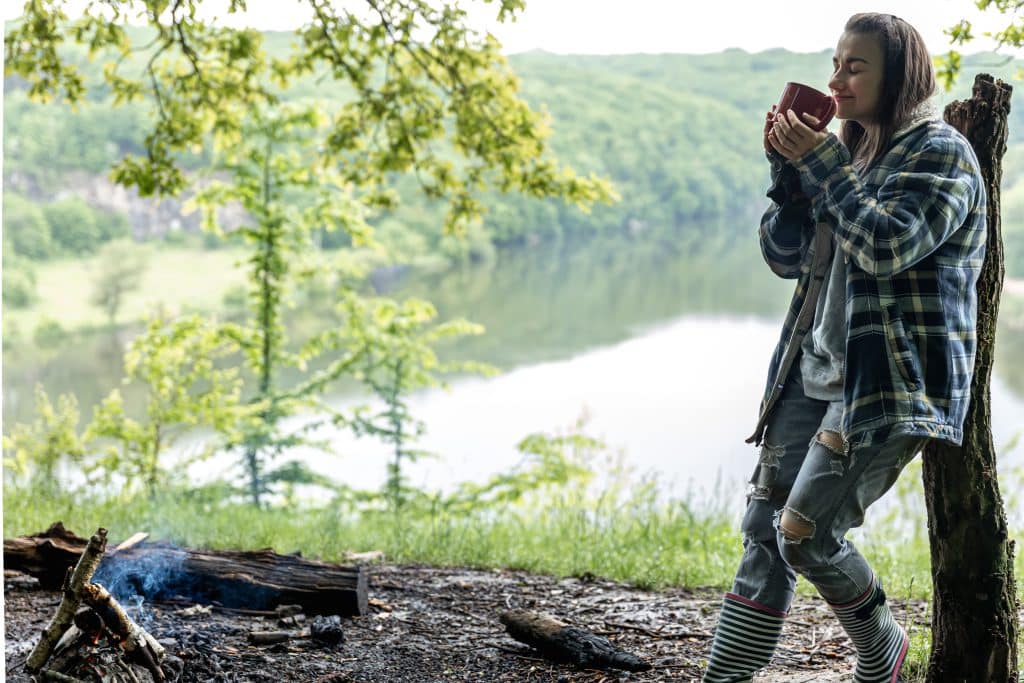
For Americans, integrating nature into daily life in 2026 means consciously weaving outdoor experiences into the fabric of busy routines, rather than viewing them as isolated events.
This shift in perspective is vital for harnessing the consistent mental health benefits that nature offers. It involves a deliberate effort to seek out and appreciate natural elements, no matter how small, in our immediate surroundings.
From a quick walk around the block to a weekend camping trip, the spectrum of engagement is broad. The key is consistency and intentionality.
Even seemingly minor adjustments, such as taking lunch breaks outdoors or tending to a small balcony garden, can accumulate significant positive impacts on mental well-being over time. This approach emphasizes that nature connection isn’t just for wilderness enthusiasts; it’s for everyone.
Practical Tips for Everyday Nature Connection
Making nature a regular part of your day doesn’t require grand gestures. It’s about finding simple, repeatable ways to engage with the natural world, even in an urban setting. These small practices can add up to a significant positive change in your mental landscape.
Morning Coffee Outdoors: Start your day on a porch, balcony, or in a backyard.
Window Views: Arrange your workspace to face a window with a view of greenery.
Indoor Plants: Bring nature inside to purify air and enhance mood.
Nature Sounds: Use natural soundscapes for relaxation or focus.
Walk or Bike to Errands: Whenever possible, choose active transport through green routes.
The collective impact of these individual efforts can also lead to broader societal changes. As more Americans prioritize nature connection, there will be increased demand for green infrastructure, accessible parks, and nature-based programs.
This can foster a virtuous cycle where individual well-being and community health mutually reinforce each other, contributing to more resilient and harmonious communities.
Ultimately, integrating nature into daily American life in 2026 is about recognizing and valuing our innate bond with the natural world.
It’s about making conscious choices that prioritize this connection, understanding that it’s not a luxury but a fundamental component of a healthy, balanced life.
By embracing these simple yet powerful strategies, individuals can cultivate greater mental resilience and find deeper joy in their everyday existence.
| Key Strategy | Brief Description |
|---|---|
| Urban Green Spaces | Regularly visit local parks and green areas for stress reduction and mood improvement. |
| Outdoor Hobbies | Engage in activities like hiking, gardening, or birdwatching for immersive nature connection. |
| Mindful Immersion | Practice forest bathing to mindfully engage senses and reduce stress. |
| Tech Integration | Use apps responsibly to discover nature, identify species, and enhance outdoor experiences. |
Frequently Asked Questions About Nature and Mental Health
The biophilia hypothesis posits that humans have an innate tendency to connect with nature and other living systems. This inherent bond is crucial for mental well-being, as exposure to natural environments can reduce stress, improve mood, and enhance cognitive function, stemming from our evolutionary history.
Research suggests that even short, regular exposures can be beneficial. Aim for at least 20-30 minutes, three times a week, in a natural setting like a park. Consistency is more important than duration, allowing for sustained positive effects on your mood and stress levels.
Yes, urban green spaces like parks can significantly improve mental health by offering accessible stress reduction and mood elevation. While wilderness provides different experiences, local parks are vital for daily nature exposure, especially for city dwellers, providing immediate restorative benefits.
Forest bathing (Shinrin-yoku) is a mindful immersion in nature, focusing on sensory engagement rather than physical exertion. Unlike a regular walk, its purpose is to slow down, be present, and absorb the forest atmosphere, which helps reduce stress hormones and boost immune function.
Technology can be a useful tool if used responsibly. Apps can help you discover local trails, identify plants and birds, or guide mindful nature sessions. The key is to use these tools to facilitate your connection with nature, then put them away to fully immerse yourself in the experience.
Conclusion
The profound connection between nature and mental health is an undeniable truth, and in 2026, embracing this bond is more critical than ever.
By integrating urban green spaces, engaging in outdoor hobbies, and practicing mindful nature immersion, individuals can significantly enhance their well-being.
Overcoming barriers to outdoor access and leveraging technology responsibly will further empower Americans to cultivate a deeper, more consistent relationship with the natural world.
Ultimately, prioritizing nature is not just about personal health; it’s about fostering healthier, more resilient communities that thrive in harmony with their environment.