The Power of Gratitude: Boost Mental Well-being by 25%

Practicing gratitude daily can significantly enhance mental well-being, fostering positive emotions, reducing stress, and leading to a measurable improvement of up to 25% in overall psychological health.
In a world often dominated by stress and anxiety, finding simple yet effective ways to enhance our inner peace is more crucial than ever. Research consistently points to the power of gratitude as a profound catalyst for improving mental well-being. This isn’t just about feeling good; it’s a scientifically backed approach that can measurably boost your psychological health.
Understanding the Science Behind Gratitude
The concept of gratitude might seem straightforward, but its impact on the human brain and overall mental health is complex and far-reaching. Scientists have extensively studied how actively practicing appreciation can rewire our neural pathways, leading to more positive outlooks and increased resilience against life’s challenges. It’s not merely a fleeting emotion but a fundamental aspect of human psychology that, when cultivated, can yield substantial benefits.
When we express gratitude, our brains release neurotransmitters like dopamine and serotonin, often referred to as the ‘feel-good’ chemicals. These chemicals contribute to feelings of happiness and contentment, effectively elevating our mood and fostering a sense of inner peace. This biochemical response is a key reason why consistent gratitude practice can lead to a significant uplift in mental well-being, making us less susceptible to negative thought patterns.
Neural Pathways and Emotional Regulation
The consistent practice of gratitude strengthens specific neural pathways associated with positive emotions and reward. This reinforcement helps to shift our brain’s default mode from focusing on deficits to appreciating abundance. Over time, this neurological shift can enhance our ability to regulate emotions, reducing the intensity and duration of negative feelings such as anger, frustration, and sadness.
- Dopamine Release: Boosts pleasure and motivation, reinforcing positive behaviors.
- Serotonin Production: Regulates mood, sleep, and appetite, promoting overall well-being.
- Reduced Cortisol: Lowers stress hormones, leading to decreased anxiety and improved physical health.
- Increased Oxytocin: Fosters feelings of connection and trust, enhancing social bonds.
Moreover, engaging in gratitude exercises can increase activity in the prefrontal cortex, the area of the brain responsible for decision-making, emotional regulation, and social behavior. This heightened activity can lead to better cognitive function and a more balanced emotional state. Understanding these scientific underpinnings helps to demystify the profound effects of gratitude, transforming it from a mere pleasantry into a powerful tool for mental health.
In essence, the science confirms what many spiritual traditions have known for centuries: cultivating a grateful heart is not just good for the soul, but demonstrably beneficial for the brain and body. This understanding empowers us to intentionally incorporate gratitude into our daily routines, knowing that we are actively nurturing our mental well-being.
Practical Ways to Cultivate Daily Appreciation
Integrating gratitude into your daily life doesn’t require grand gestures or significant time commitments. Small, consistent practices can accumulate over time to create a profound shift in your perspective and mental state. The key is to find methods that resonate with you and can be easily woven into your existing routine, transforming mundane moments into opportunities for appreciation.
Starting your day with a grateful mindset can set a positive tone for the hours ahead. This could be as simple as acknowledging three things you are thankful for before you even get out of bed. Such a practice can reframe your initial thoughts from potential worries to existing blessings, gently guiding your mind toward positivity.
Gratitude Journaling: A Powerful Tool
One of the most widely recommended and effective methods for cultivating gratitude is journaling. A gratitude journal provides a dedicated space to regularly record things you are thankful for, no matter how small. This intentional act helps to make gratitude a conscious practice rather than an occasional thought.
- Daily Entries: Write down 3-5 things you are grateful for each day.
- Specific Details: Focus on particular aspects that made you feel grateful.
- Reflect and Re-read: Periodically review past entries to remind yourself of life’s blessings.
The act of writing itself can deepen the impact of gratitude. It forces you to articulate your feelings and identify the specific sources of your appreciation, which can enhance the emotional resonance. Over time, a gratitude journal becomes a tangible record of your positive experiences, serving as a powerful reminder during challenging times.
Beyond journaling, other practices can also foster daily appreciation. Expressing thanks directly to others, whether through a quick text, a heartfelt conversation, or a handwritten note, not only benefits your own mental state but also strengthens your relationships. Engaging in mindfulness practices, where you consciously pay attention to the present moment and all its sensory details, can also naturally lead to a greater sense of appreciation for simple things like a warm cup of coffee or the sound of birdsong.
The consistent effort to find and acknowledge positive aspects of your life, even amidst difficulties, gradually shifts your internal narrative. This shift is crucial for building resilience and maintaining a healthier mental outlook. Daily appreciation isn’t about ignoring problems but about balancing them with a recognition of goodness.
The Link Between Gratitude and Reduced Stress
Stress is an unavoidable part of modern life, but our response to it can be significantly altered by cultivating gratitude. Research indicates a strong inverse relationship between gratitude practice and stress levels. When we actively focus on what we appreciate, our minds are less likely to dwell on stressors, leading to a reduction in both psychological and physiological markers of stress.
The act of being grateful shifts our focus from what is lacking or problematic to what is abundant and positive. This cognitive reorientation can interrupt the cycle of negative rumination that often accompanies stress, allowing us to approach challenges with a more balanced and resilient mindset. It’s a proactive mental strategy that empowers us to manage stress more effectively.
Physiological Benefits of Gratitude
Beyond the psychological shifts, gratitude has tangible physiological benefits related to stress reduction. Chronic stress can lead to elevated cortisol levels, increased inflammation, and impaired immune function. Regular gratitude practice has been shown to counteract these negative effects, promoting a healthier body and mind.
- Lower Cortisol Levels: Reduces the primary stress hormone, mitigating its damaging effects.
- Improved Sleep Quality: Calms the mind before bed, leading to more restful sleep.
- Enhanced Immune Function: A less stressed body is better equipped to fight off illness.
- Reduced Blood Pressure: Contributes to cardiovascular health by promoting relaxation.
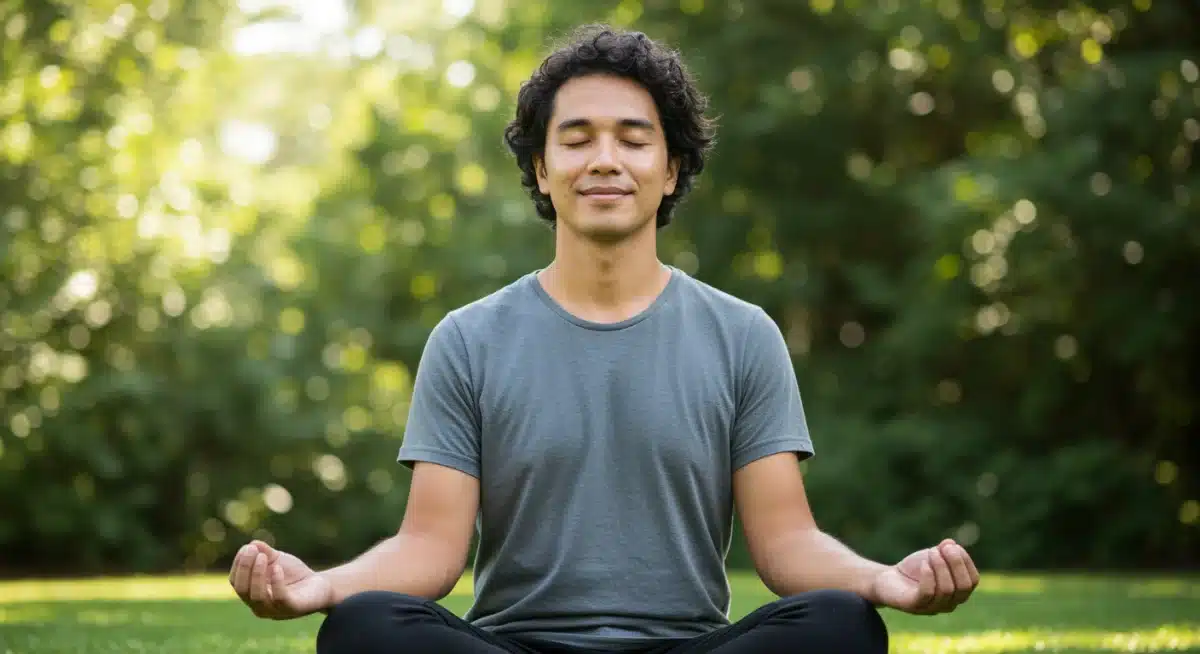
By regularly activating the parasympathetic nervous system, responsible for the ‘rest and digest’ response, gratitude helps to bring the body back into a state of equilibrium. This is a direct counter to the ‘fight or flight’ response triggered by stress, illustrating how appreciation can physically soothe our systems. The cumulative effect of these physiological changes contributes significantly to overall mental and physical well-being.
Furthermore, adopting a grateful perspective can change how we perceive stressful events. Instead of viewing challenges as insurmountable burdens, we might begin to see them as opportunities for growth or learning, or at least recognize the resources and support we have to navigate them. This reframing can lessen the emotional toll of stressful situations, making them more manageable and less overwhelming.
Ultimately, cultivating gratitude serves as a powerful buffer against the detrimental effects of stress. It equips us with an internal mechanism to calm our minds and bodies, fostering a sense of peace even when external circumstances are turbulent. This makes it an invaluable practice for anyone looking to enhance their resilience and mental health.
Gratitude’s Impact on Relationships and Empathy
The benefits of gratitude extend far beyond personal well-being, profoundly influencing our relationships with others and enhancing our capacity for empathy. When we express appreciation, it not only makes us feel good but also strengthens social bonds, fosters a sense of connection, and encourages reciprocal positive behavior. This social dimension of gratitude is crucial for building a supportive community and a fulfilling personal life.
Expressing thanks to others validates their efforts and presence, making them feel seen and valued. This recognition can significantly improve interpersonal dynamics, whether in family, friendships, or professional settings. A simple ‘thank you’ can bridge gaps, mend misunderstandings, and reinforce positive interactions, creating a virtuous cycle of appreciation.
Strengthening Social Bonds
Gratitude acts as a social glue, reinforcing positive interactions and encouraging altruistic behavior. When someone expresses gratitude towards us, we are more likely to want to help them again in the future. This creates a positive feedback loop that strengthens relationships and fosters a sense of community.
- Increased Prosocial Behavior: Grateful individuals are more likely to offer help and support to others.
- Enhanced Trust: Expressing gratitude builds trust and mutual respect between individuals.
- Reduced Conflict: A focus on appreciation can de-escalate tensions and promote understanding.
- Greater Social Support: Stronger bonds lead to a more robust support network in times of need.
Moreover, observing gratitude in others can inspire us to be more grateful ourselves, creating a ripple effect within our social circles. This collective cultivation of appreciation can transform group dynamics, leading to more harmonious and supportive environments. It moves individuals away from self-centeredness and towards a greater awareness of their interconnectedness.

Gratitude also plays a vital role in fostering empathy. When we take the time to appreciate the contributions and efforts of others, we naturally become more attuned to their perspectives and needs. This increased awareness can deepen our understanding of their experiences, leading to greater compassion and a more empathetic response. It allows us to step outside our own immediate concerns and connect with the human experience on a deeper level.
The reciprocal nature of gratitude means that when we give it, we often receive it back, further enriching our emotional landscape and reinforcing positive relational patterns. This continuous exchange of appreciation not only improves individual mental well-being but also contributes to the collective health and happiness of our communities.
Overcoming Obstacles to Gratitude Practice
While the benefits of gratitude are clear, consistently practicing it can sometimes be challenging, especially during difficult times. Life inevitably presents obstacles, and it’s easy to fall into patterns of negativity, comparison, or cynicism. Recognizing these common hurdles is the first step toward developing strategies to overcome them and maintain a consistent gratitude practice.
One significant barrier is the human tendency to adapt quickly to positive circumstances, a phenomenon known as hedonic adaptation. We get used to good things, and what once brought joy can become commonplace, making it harder to feel grateful for them. Another challenge is the pervasive influence of social media, which often highlights idealized lives, leading to comparisons and feelings of inadequacy rather than appreciation for one’s own blessings.
Common Obstacles and Solutions
Understanding why we might struggle with gratitude can help us develop targeted approaches to keep the practice alive and meaningful. It’s not about ignoring genuine hardship but about finding pockets of appreciation even amidst adversity.
- Hedonic Adaptation: Practice novelty by appreciating different things daily or focusing on the impermanence of good things.
- Comparison Trap: Limit social media exposure and focus on your unique journey and blessings, not others’.
- Feeling Unworthy: Remind yourself that gratitude is a universal right, not something to be earned.
- Overwhelm/Stress: Start small, with just one thing you’re grateful for, to build momentum.
When faced with significant challenges or periods of intense stress, it can feel disingenuous to express gratitude. However, these are precisely the times when the practice can be most transformative. Even in the darkest moments, there might be small glimmers of hope, resilience, or support that can be acknowledged. Focusing on these can provide a crucial emotional anchor.
Another obstacle can be a lack of consistency. Like any habit, gratitude requires regular effort to become ingrained. Setting reminders, integrating it into existing routines, or finding an accountability partner can help maintain momentum. It’s important to be patient and compassionate with yourself; some days will be easier than others, and that’s perfectly normal.
Ultimately, overcoming obstacles to gratitude involves a conscious commitment to shifting perspective. It’s about actively choosing to seek out and acknowledge the good, even when it’s obscured by difficulties. This persistent effort not only strengthens your gratitude practice but also builds immense mental resilience, proving that appreciation is a powerful force even in the face of adversity.
Gratitude and Enhanced Resilience
Resilience, the ability to bounce back from adversity, is a critical component of mental well-being. Gratitude plays a surprisingly powerful role in cultivating this trait. By consistently focusing on positive aspects and acknowledging support systems, individuals who practice gratitude tend to develop a stronger emotional toolkit for navigating life’s inevitable ups and downs. This isn’t about ignoring pain but rather about fostering an internal resource that helps process and overcome it.
When we are grateful, we are more likely to perceive challenges not as insurmountable obstacles but as opportunities for growth or learning. This reframing capacity is central to resilience. Instead of being paralyzed by setbacks, a grateful mindset encourages an active search for solutions and an appreciation for the lessons learned, even from difficult experiences.
Building Mental Fortitude
The practice of gratitude directly contributes to mental fortitude by rewiring our brains to focus on positive outcomes and resources. This makes us less prone to despair and more adaptable when faced with stressful situations.
- Positive Reappraisal: Gratitude helps reframe negative events into opportunities for learning or growth.
- Coping Mechanisms: Grateful individuals often employ more adaptive coping strategies during stress.
- Optimistic Outlook: A consistent gratitude practice fosters a more hopeful and positive general disposition.
- Self-Efficacy: Recognizing past blessings and strengths builds confidence in handling future challenges.
Furthermore, gratitude often involves acknowledging the support we receive from others. This awareness reinforces the idea that we are not alone in our struggles, which is a powerful component of resilience. Knowing that there are people who care and resources available can provide immense comfort and strength during difficult times, preventing feelings of isolation and hopelessness.
The cumulative effect of daily appreciation is a gradual but significant strengthening of our psychological defenses. It creates a reservoir of positive emotions and cognitive patterns that can be tapped into when adversity strikes. This makes it easier to maintain perspective, find silver linings, and persevere through tough periods, ultimately leading to faster recovery and sustained well-being.
In essence, gratitude acts as a protective factor for our mental health, building a robust inner foundation that helps us navigate the complexities of life with greater ease and confidence. It teaches us that even when things are hard, there is always something to be thankful for, and this recognition is the cornerstone of true resilience.
Integrating Gratitude into Modern Lifestyles
In our fast-paced, demanding modern lives, finding time for reflective practices like gratitude can seem daunting. However, the true beauty of gratitude lies in its flexibility; it doesn’t demand dedicated hours but rather conscious moments woven into the fabric of your day. The goal is to make it a natural, almost automatic, part of your routine, rather than another item on an already overflowing to-do list.
Technology, often blamed for increasing our stress levels, can actually be a powerful ally in cultivating gratitude. Numerous apps and digital tools are designed to facilitate gratitude journaling, send daily prompts, or even help you express thanks to others. Leveraging these resources can make the practice more accessible and consistent, fitting seamlessly into a tech-driven lifestyle.
Seamless Integration Strategies
Making gratitude a habit means finding ways to incorporate it without disrupting your daily flow. The simpler and more convenient the practice, the more likely you are to stick with it.
- Morning Rituals: Pair gratitude with your morning coffee, meditation, or commute.
- Evening Reflection: Jot down gratitudes before bed to promote restful sleep.
- Digital Reminders: Use phone alarms or apps to prompt moments of appreciation throughout the day.
- Family Practices: Share gratitudes at dinner or bedtime to involve loved ones.
Another effective strategy is to link gratitude to existing habits. For example, every time you wash your hands, take a moment to be grateful for clean water. Or, when you sit down for a meal, pause to appreciate the food and those who prepared it. These small, consistent anchors help to embed gratitude deeply into your subconscious, making it a more automatic response.
The modern emphasis on productivity and achievement can sometimes overshadow the importance of simply being present and appreciative. Counteracting this requires a conscious effort to slow down, even for a few seconds, and acknowledge the simple joys and blessings that often go unnoticed. This could be the warmth of the sun, the comfort of a home, or the kindness of a stranger.
By finding creative and personalized ways to integrate gratitude, it ceases to be a chore and becomes a natural, enriching part of daily existence. This seamless integration is what allows the power of gratitude to truly flourish, consistently boosting mental well-being and transforming our experience of modern life.
Measuring the 25% Boost in Mental Well-being
The claim of a 25% improvement in mental well-being thanks to gratitude is not an arbitrary figure; it’s derived from various psychological studies and meta-analyses that have explored the quantitative impact of gratitude interventions. While individual results may vary, the consistent findings across research demonstrate a significant and measurable positive shift in psychological health for those who regularly practice appreciation.
Researchers often use standardized psychological assessments and self-report measures to quantify changes in well-being. These tools evaluate factors such as life satisfaction, positive affect (frequency of positive emotions), negative affect (frequency of negative emotions), symptoms of depression and anxiety, and overall perceived happiness. Consistent gratitude practices have shown to move these metrics in a positive direction, contributing to the observed improvement.
Research and Key Indicators
Numerous studies have highlighted how specific gratitude interventions lead to measurable improvements across various mental health indicators. These indicators collectively contribute to the overall estimation of enhanced well-being.
- Increased Positive Affect: Participants report higher frequencies of joy, enthusiasm, and serenity.
- Decreased Negative Affect: Reductions in sadness, anger, and anxiety are commonly observed.
- Higher Life Satisfaction: Individuals feel more content and satisfied with their overall lives.
- Reduced Depressive Symptoms: Gratitude acts as a buffer against symptoms of depression.
- Enhanced Optimism: A more hopeful outlook on future events and personal capabilities.
For instance, studies have shown that individuals who keep gratitude journals for as little as a few weeks report higher levels of optimism and life satisfaction, along with fewer physical complaints, compared to control groups. These improvements are often sustained over time, suggesting that gratitude fosters lasting changes in mental disposition.
Moreover, the 25% figure represents an aggregate effect, meaning that while some individuals might experience even greater benefits, others might see a slightly smaller but still significant improvement. The key takeaway is the consistent, positive trend observed across diverse populations and methodologies. This isn’t a miraculous cure but a reliable, evidence-based strategy for enhancing psychological health.
Understanding that mental well-being can be quantitatively improved through a simple practice like gratitude provides powerful motivation. It transforms gratitude from a soft skill into a concrete, actionable intervention with tangible results, empowering individuals to take proactive steps towards a happier, more resilient mind.
| Key Aspect | Impact on Mental Well-being |
|---|---|
| Neurochemical Release | Triggers dopamine and serotonin, boosting mood and happiness. |
| Stress Reduction | Lowers cortisol levels and promotes relaxation, reducing anxiety. |
| Enhanced Relationships | Strengthens social bonds and increases empathy, fostering connection. |
| Increased Resilience | Builds mental fortitude and the ability to bounce back from adversity. |
Frequently Asked Questions About Gratitude
The primary benefit is a significant improvement in mental well-being, often cited as up to 25%. This includes reduced stress, increased happiness, and greater resilience against life’s challenges, fostering a more positive outlook on daily experiences.
Gratitude stimulates the release of ‘feel-good’ neurotransmitters like dopamine and serotonin. These chemicals enhance mood, reduce anxiety, and promote feelings of contentment, effectively rewiring neural pathways for increased positivity and emotional regulation.
Easy ways include keeping a gratitude journal, where you list 3-5 things you’re thankful for daily. You can also express thanks to others regularly, practice mindful appreciation for small things, or use digital reminders to prompt grateful thoughts throughout your day.
Yes, gratitude is highly effective in reducing stress and anxiety. It shifts focus from negative rumination to positive aspects, lowers cortisol levels, and activates the parasympathetic nervous system, promoting a calmer physiological and psychological state.
The 25% figure is an aggregate from various psychological studies and meta-analyses. Researchers use metrics like life satisfaction, positive affect, and reduced depressive symptoms to quantify the significant and consistent positive impact of gratitude interventions on mental health.
Conclusion
The journey to enhanced mental well-being is often paved with simple, yet profound, practices. As we’ve explored, the consistent cultivation of gratitude stands out as a remarkably effective strategy, offering a scientifically-backed pathway to alleviate stress, foster resilience, and enrich our relationships. The measurable impact of daily appreciation, leading to a potential 25% boost in mental health, underscores its power not as a fleeting emotion, but as a transformative life skill. By integrating gratitude into our modern lives, through journaling, mindful moments, or simply expressing thanks, we unlock a potent internal resource that can fundamentally reshape our experience, leading to a more joyful, balanced, and fulfilling existence.