Future of Food in the US: Sustainable Practices & Trends
The future of food in the US is rapidly transforming, driven by a convergence of sustainable practices, technological innovations, and dynamic dietary shifts influencing consumer choices and agricultural production.
The way Americans eat and produce food is undergoing a profound transformation. From farm to fork, an intricate web of innovation, environmental consciousness, and evolving consumer preferences is reshaping The Future of Food in the US: Sustainable Practices and Dietary Trends. This article delves into the exciting shifts defining our culinary landscape, exploring how sustainability and health are becoming central pillars of the nation’s food journey.
The Rise of Sustainable Food Systems in America
The concept of sustainability has moved from the periphery to the forefront of the American food conversation. Consumers, producers, and policymakers alike are recognizing the urgent need for food systems that not only feed the population but also protect the planet.
This shift isn’t just about buzzwords; it’s about tangible changes in how food is grown, processed, distributed, and consumed. From reducing carbon footprints to conserving water and promoting biodiversity, sustainable food systems are becoming the new standard. The implications extend beyond environmental benefits, touching upon economic viability for farmers and improved public health outcomes.
Innovations in Sustainable Agriculture
American agriculture is embracing a new era of innovation focused on minimizing environmental impact while maximizing yield. Technologies like precision agriculture are allowing farmers to use resources more efficiently, reducing waste and pollution.
- Precision Farming: Utilizing GPS, sensors, and data analytics to apply water, fertilizers, and pesticides only where and when needed, optimizing resource use.
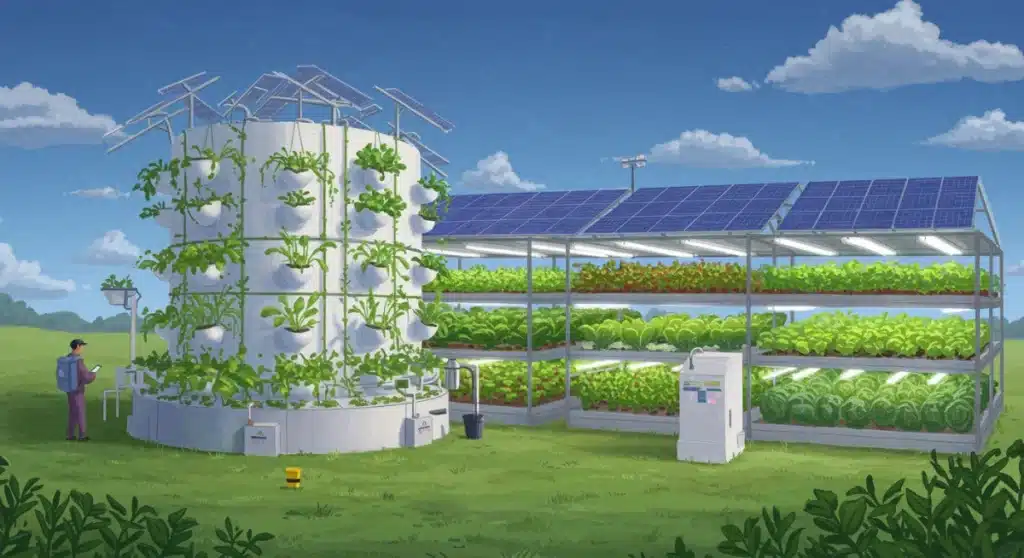
- Vertical Farming: Growing crops in vertically stacked layers, often indoors, using controlled environmental agriculture (CEA) technology. This method significantly reduces land and water use, and allows for year-round production in urban areas.
- Hydroponics and Aeroponics: Soil-less farming techniques that use water or mist to deliver nutrients directly to plant roots, conserving vast amounts of water compared to traditional methods.
- Regenerative Agriculture: A holistic approach to farming that focuses on soil health, biodiversity, and carbon sequestration. Practices include no-till farming, cover cropping, and rotational grazing.
The Consumer’s Role in Sustainable Choices
Consumers are increasingly demanding transparency and ethical practices from food producers. This growing awareness is driving market demand for sustainably sourced products, influencing everything from grocery store shelves to restaurant menus. The power of the purse is a significant driver in this transition.
From choosing organic produce to supporting local farmers, individual purchasing decisions collectively shape the direction of the food industry. This consumer-led movement is compelling corporations to re-evaluate their supply chains and adopt more environmentally friendly practices, fostering a more responsible food ecosystem.
The evolution towards sustainable food systems in the US is a complex but necessary journey. It involves a multi-faceted approach, integrating technological advancements with a deeper understanding of ecological principles and a strong commitment from all stakeholders, including the informed consumer.
Evolving Dietary Trends: Beyond Traditional American Cuisine
American dietary habits are in constant flux, moving beyond the traditional meat-and-potatoes stereotype towards a more diverse, health-conscious, and globally-inspired palate. This evolution is driven by a blend of health concerns, ethical considerations, and an adventurous spirit for new culinary experiences.
The shift is evident in grocery aisles, restaurant offerings, and even home cooking, where plant-based alternatives, international flavors, and nutrient-dense foods are gaining significant traction. Understanding these evolving trends is key to grasping the future of food consumption in the nation.
The Plant-Based Revolution
Perhaps no trend has captured public attention quite like the plant-based movement. What was once a niche market for vegans and vegetarians has exploded into a mainstream phenomenon, attracting flexitarians and those simply looking to reduce their meat intake.
- Alternative Proteins: Beyond traditional tofu and tempeh, the market is flooded with innovative plant-based meats, dairy alternatives, and even egg substitutes made from ingredients like peas, soy, and oats.
- Increased Availability: Plant-based options are now readily available in fast-food chains, fine dining establishments, and nearly every supermarket, making them accessible to a wider audience.
- Health and Environmental Drivers: Many consumers opt for plant-based diets due to perceived health benefits, such as reduced risk of heart disease, and a desire to lessen their environmental impact.
Focus on Health and Wellness
Americans are becoming more proactive about their health, and this directly translates to their food choices. There’s a growing emphasis on functional foods, personalized nutrition, and ingredients that support specific health goals, from gut health to cognitive function.
This trend has led to a surge in demand for whole, unprocessed foods, with a particular interest in superfoods, adaptogens, and probiotics. Consumers are also paying closer attention to ingredient labels, shunning artificial additives, excessive sugar, and highly processed components, seeking out transparency and natural goodness.
Global Flavors and Culinary Exploration
The US is a melting pot of cultures, and this diversity is increasingly reflected in its food trends. Americans are more open than ever to exploring international cuisines, leading to the popularization of ingredients and dishes from around the world.
From the spicy notes of Korean BBQ to the intricate flavors of Ethiopian stews and the fresh vibrancy of Vietnamese pho, global culinary influences are enriching the American diet. This trend fosters culinary creativity and expands the palate, making meal times an exciting journey of discovery.
The evolving dietary trends in the US paint a picture of a nation becoming more conscious, diverse, and adventurous in its food choices. These shifts are not merely fads but reflect deeper societal values related to health, ethics, and cultural exploration, profoundly influencing the future of the food industry.
Technology’s Transformative Role in Food Production and Distribution
Technology is not just an enabler but a true game-changer in shaping the future of food in the US. From optimizing agricultural yields to streamlining supply chains and enhancing food safety, digital innovations are revolutionizing every aspect of how food reaches our tables.
The integration of artificial intelligence, robotics, and biotechnology is paving the way for more efficient, sustainable, and transparent food systems. These advancements are crucial for meeting the demands of a growing population while mitigating environmental pressures.
AI and Robotics in Farming
The farm of the future will look vastly different from its predecessors, thanks to the increasing adoption of AI and robotics. These technologies are automating labor-intensive tasks, improving precision, and providing valuable data insights to farmers.
- Automated Harvesting: Robots are being developed to pick delicate fruits and vegetables, reducing labor costs and minimizing crop damage.
- Drone Monitoring: Drones equipped with advanced sensors provide farmers with real-time data on crop health, soil conditions, and irrigation needs, allowing for targeted interventions.
- AI-Powered Analytics: Artificial intelligence algorithms analyze vast datasets to predict weather patterns, optimize planting schedules, and identify potential pest outbreaks, enhancing decision-making.
Blockchain for Supply Chain Transparency
Consumers are increasingly demanding to know the origin of their food and the journey it takes to reach them. Blockchain technology offers an unprecedented level of transparency and traceability in the food supply chain.
By creating an immutable, decentralized ledger, blockchain can track every step of a food product’s journey, from farm to retail. This not only builds consumer trust but also helps in quickly identifying and recalling contaminated products, significantly improving food safety and reducing waste.
Biotechnology and Alternative Food Sources
Biotechnology is opening up new frontiers in food production, particularly in developing alternative protein sources that are both sustainable and scalable. Lab-grown meat, precision fermentation, and genetic editing are areas generating significant interest.
Cell-cultured meat, for example, offers the promise of real meat produced without animal slaughter, using significantly fewer resources. Precision fermentation allows for the creation of dairy proteins, fats, and other food components using microbes, offering sustainable alternatives to traditional animal products.
Technology’s impact on the food sector is undeniable and continues to accelerate. These innovations are not just about efficiency; they are about building a more resilient, transparent, and sustainable food system capable of addressing the complex challenges of the 21st century.
The Local Food Movement and Community Engagement
Amidst global supply chains and technological advancements, a powerful counter-movement is gaining momentum: the local food movement. This trend emphasizes sourcing food from nearby producers, fostering stronger community ties, and promoting economic resilience within regions.
The local food movement is a testament to the desire for freshness, quality, and a deeper connection to where our food comes from. It’s about supporting small businesses, reducing food miles, and enjoying the seasonal bounty of one’s own region.
Farmers’ Markets and CSAs
Farmers’ markets and Community Supported Agriculture (CSA) programs are at the heart of the local food movement. These initiatives provide direct channels for consumers to connect with farmers, offering fresh produce and a sense of community.
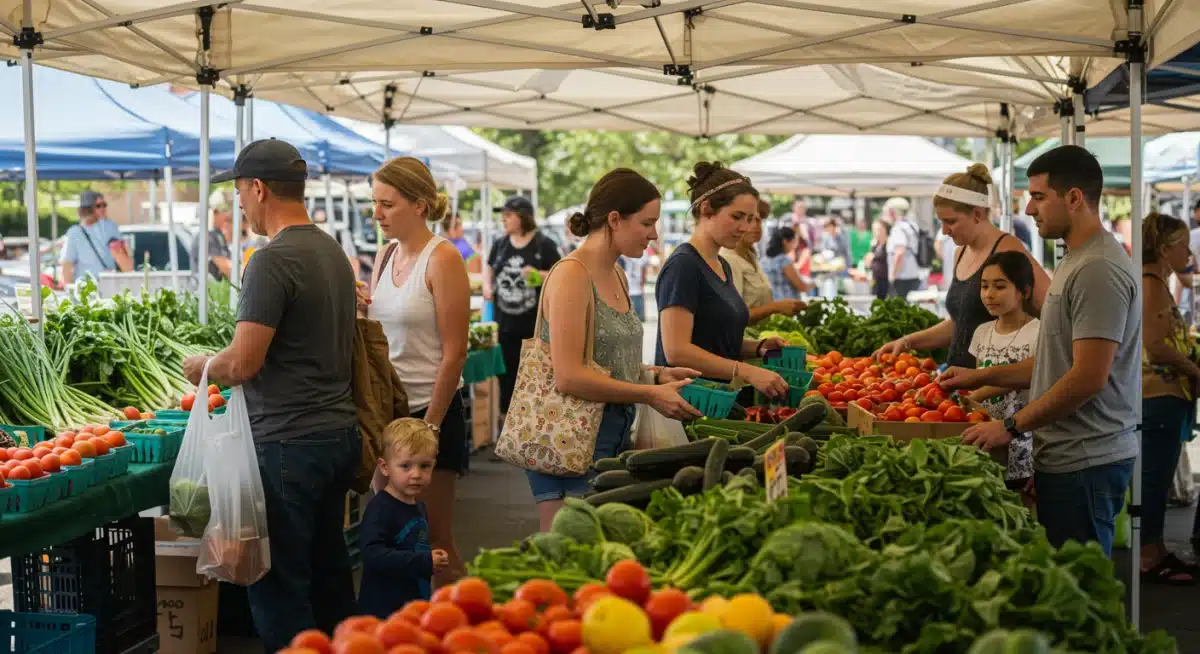
- Farmers’ Markets: These vibrant hubs allow consumers to purchase directly from growers, ensuring freshness and often supporting sustainable farming practices. They also serve as social gathering places, strengthening community bonds.
- Community Supported Agriculture (CSAs): In a CSA model, consumers purchase a share of a farm’s harvest at the beginning of the season, receiving regular deliveries of fresh produce. This provides financial stability for farmers and a direct connection to their food source for members.
Benefits of Local Sourcing
The advantages of a robust local food system extend far beyond just fresh produce. They encompass economic, environmental, and social benefits that contribute to healthier, more resilient communities.
Economically, buying local keeps money within the community, supporting local jobs and businesses. Environmentally, it reduces transportation costs and emissions, leading to a smaller carbon footprint. Socially, it builds stronger relationships between consumers and producers, fostering a sense of shared responsibility and knowledge about food systems.
The local food movement is more than just a trend; it’s a philosophy that champions community, sustainability, and quality. By investing in local food systems, Americans are not only enjoying fresher, healthier food but also contributing to the vitality and resilience of their own neighborhoods and regions.
Food Waste Reduction: A Critical Component of Sustainability
Food waste is a monumental challenge in the US, with an estimated 30-40% of the food supply going uneaten. This waste represents not only a loss of valuable resources but also a significant contributor to greenhouse gas emissions. Addressing food waste is paramount for a sustainable future of food.
Efforts to reduce food waste span the entire supply chain, from farms and manufacturers to retailers and individual households. Innovative solutions and behavioral changes are both necessary to tackle this pervasive issue effectively.
Strategies on the Farm and in Retail
Preventing food waste begins at the source. Farmers often face challenges like imperfect produce not meeting aesthetic standards, leading to significant waste. Retailers also contribute through overstocking and strict expiration date policies.
Initiatives like ‘ugly produce’ campaigns are encouraging consumers to embrace cosmetically imperfect fruits and vegetables, reducing farm-level waste. Retailers are also adopting better inventory management systems and donating unsold but still edible food to food banks and charities, rather than sending it to landfills.
Consumer Awareness and Home Practices
A significant portion of food waste occurs at the household level. Lack of awareness regarding food storage, portion control, and expiration dates contributes to food being thrown away unnecessarily.
Educational campaigns are crucial to empower consumers with knowledge and tools to reduce waste at home. This includes understanding ‘best by’ vs. ‘use by’ dates, proper food storage techniques, meal planning, and creative ways to use leftovers. Composting food scraps also diverts organic waste from landfills, turning it into valuable soil amendments.

Technological Solutions for Waste Management
Technology is playing an increasing role in optimizing food waste reduction efforts. From smart refrigerators that track inventory to apps that connect surplus food with those in need, innovation is key.
Advanced data analytics can help businesses forecast demand more accurately, minimizing overproduction. Upcycling food waste into new products, such as turning discarded fruit into healthy snacks or spent grain into flour, is another innovative approach gaining traction, demonstrating that waste can be a resource.
Reducing food waste is a complex challenge requiring a concerted effort from all stakeholders. By implementing strategies across the supply chain and empowering consumers, the US can make significant strides towards a more efficient and sustainable food system, ensuring that valuable resources are utilized to their fullest potential.
Policy and Regulatory Landscape Shaping Food’s Future
Government policies and regulations play a pivotal role in shaping the trajectory of the food system in the US. These frameworks can either accelerate or impede progress towards sustainability, health, and equitable access to food.
Understanding the current and emerging policy landscape is crucial for anyone interested in the future of food. From agricultural subsidies to labeling laws and food safety standards, governmental decisions have far-reaching impacts on what we eat and how it’s produced.
Incentivizing Sustainable Practices
Policymakers are increasingly recognizing the need to incentivize farmers and food businesses to adopt more sustainable practices. This can come in the form of grants, tax breaks, or subsidies for environmentally friendly methods.
- Conservation Programs: Government programs that fund practices like cover cropping, riparian buffers, and soil health initiatives help farmers transition to more sustainable models.
- Research and Development Funding: Investments in R&D for sustainable agriculture, alternative proteins, and food waste reduction technologies can accelerate innovation.
- Carbon Sequestration Credits: Developing markets for carbon credits can reward farmers for practices that sequester carbon in the soil, providing a new income stream.
Food Labeling and Consumer Information
Clear and comprehensive food labeling is essential for empowering consumers to make informed choices that align with their values and health goals. Policies around nutrition facts, origin labeling, and sustainability certifications are constantly evolving.
Debates continue around front-of-package labeling, which aims to provide quick, at-a-glance information about a product’s nutritional value. There’s also growing interest in standardizing labels for ethical sourcing, animal welfare, and environmental impact, helping consumers navigate complex purchasing decisions.
Addressing Food Insecurity and Access
Ensuring equitable access to healthy, affordable food remains a critical policy challenge. Food insecurity affects millions of Americans, highlighting systemic issues in the food system that require governmental intervention.
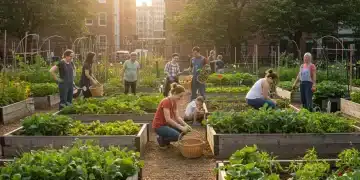
Policies aimed at strengthening food assistance programs, supporting community gardens, and improving infrastructure for food distribution in underserved areas are vital. Furthermore, urban planning that considers access to fresh produce, often termed ‘food deserts,’ is gaining traction as a way to promote public health and social equity.
The interplay between policy, regulation, and the food industry is complex, yet essential for driving meaningful change. By crafting thoughtful and forward-thinking policies, the US can foster a food system that is not only productive and innovative but also sustainable, healthy, and equitable for all its citizens.
The Future of Food in the US: A Holistic Perspective
The journey towards a sustainable and healthy food future in the US is not a linear path but a dynamic interplay of various forces. It requires a holistic perspective that acknowledges the interconnectedness of environmental stewardship, public health, technological innovation, and economic viability.
This comprehensive view helps us understand that changes in one area, such as dietary preferences, inevitably impact others, like agricultural practices or policy priorities. Embracing this interconnectedness is key to building a resilient and adaptable food system for generations to come.
Integrating Health and Environmental Goals
Increasingly, the goals of public health and environmental sustainability are converging within the food sector. Dietary recommendations are now often framed with an eye towards both human well-being and planetary health.
For instance, promoting plant-rich diets benefits individual health outcomes while simultaneously reducing the environmental footprint associated with meat production. This integration helps create a more compelling narrative for change, demonstrating that what’s good for us is often good for the Earth.
The Role of Education and Awareness
Empowering consumers and producers with knowledge is fundamental to driving positive change. Education about sustainable practices, healthy eating, and the impact of food choices fosters a more informed and engaged populace.
From school curricula that teach about food origins to public health campaigns promoting balanced nutrition, awareness initiatives can shift behaviors and create a culture that values food for its nutritional, social, and environmental worth. An educated consumer base is a powerful force for transformation.
Building Resilience in the Food System
The challenges of climate change, global pandemics, and economic instability underscore the need for a resilient food system. This means diversifying food sources, strengthening local supply chains, and investing in adaptive agricultural practices.
Resilience ensures that even when faced with disruptions, the food supply remains secure and accessible. It involves fostering biodiversity, supporting a variety of farm sizes and types, and creating robust distribution networks that can withstand unforeseen pressures.
Ultimately, the future of food in the US is a shared responsibility. It demands collaboration among farmers, scientists, policymakers, businesses, and individual consumers. By working together with a holistic vision, the nation can cultivate a food system that nourishes both its people and the planet, ensuring a vibrant and sustainable culinary landscape for the ages.
| Key Aspect | Brief Description |
|---|---|
| Sustainable Practices | Embracing eco-friendly farming, reducing waste, and conserving resources across the food supply chain. |
| Dietary Trends | Shifting towards plant-based options, health-conscious choices, and diverse global cuisines. |
| Technological Innovation | AI, robotics, and biotech are enhancing efficiency, transparency, and alternative food production. |
| Local Food Movement | Growing emphasis on community engagement, farmers’ markets, and reduced food miles. |
Frequently Asked Questions About the Future of Food in the US
The biggest drivers include growing consumer demand for ethical and eco-friendly products, technological advancements in agriculture, and increasing awareness of climate change impacts on food systems. Government policies and corporate responsibility initiatives also play a significant role in fostering sustainable practices.
American dietary trends are shifting towards more plant-based diets, with a rise in vegetarian and vegan options. There’s also a strong focus on health and wellness, leading to increased consumption of whole, unprocessed foods and an exploration of diverse global cuisines for new flavors and ingredients.
Technology is crucial, with AI and robotics optimizing farming efficiency and reducing waste. Blockchain enhances supply chain transparency, while biotechnology explores alternative protein sources like lab-grown meat and precision fermentation, revolutionizing how food is created and distributed efficiently.
Reducing food waste is vital because it addresses resource inefficiency, minimizes environmental impact by cutting greenhouse gas emissions, and improves food security. Significant amounts of food are wasted from farm to table, squandering water, energy, and labor, making waste reduction a key sustainability pillar.
Government policies significantly influence food’s future by incentivizing sustainable farming, regulating food labeling for consumer information, and addressing food insecurity through assistance programs. These frameworks guide agricultural practices, impact consumer choices, and aim to ensure equitable access to healthy food for all citizens.
Conclusion
The future of food in the US is undeniably dynamic, characterized by a powerful drive towards sustainability, innovative technological integration, and evolving dietary preferences. From the ground-breaking advancements in regenerative agriculture and plant-based alternatives to the critical focus on reducing food waste and strengthening local food systems, every aspect is undergoing significant transformation. This complex but exciting evolution promises a food landscape that is not only more resilient and efficient but also healthier for both its people and the planet. Ultimately, a collaborative effort among consumers, producers, and policymakers will be essential in navigating these changes and cultivating a truly sustainable and nourishing food future for all Americans.