Future of Food in US: Climate Change & 2026 Grocery Shopping
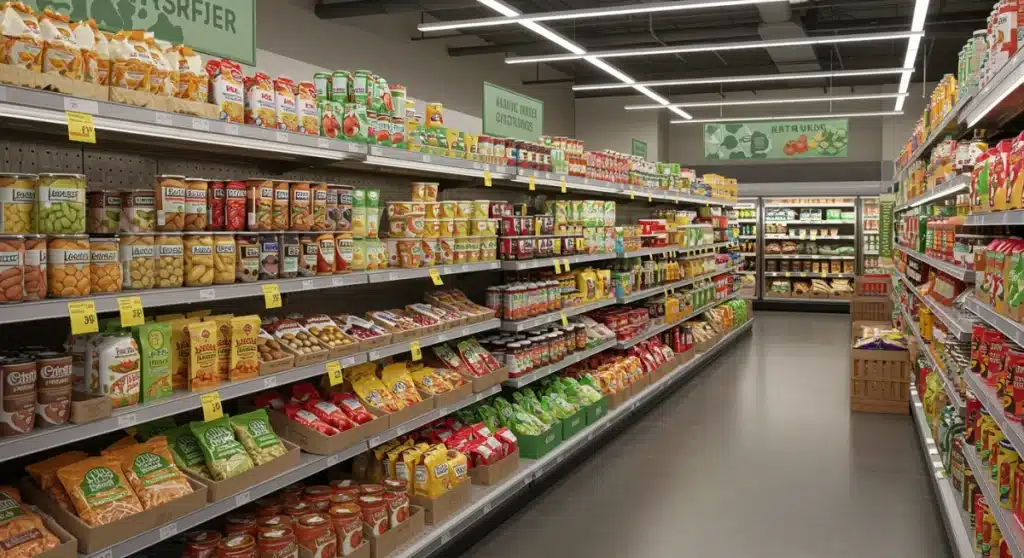
By 2026, climate change will significantly alter the future of food in the US, impacting everything from agricultural practices and supply chain stability to consumer preferences and the availability of goods in grocery stores across the nation.
Have you ever paused to consider how the contents of your grocery cart might look different in just a few short years? The impact of climate change is no longer a distant threat; it’s a present reality that is actively reshaping the future of food in the US: how climate change is reshaping grocery shopping in 2026. From farm to fork, every aspect of our food system is undergoing a significant transformation, prompting consumers and retailers alike to adapt to an evolving landscape of availability, price, and ethical considerations.
The Unfolding Crisis: Climate Change’s Direct Impact on US Agriculture
The foundation of our food supply is agriculture, and it stands on the front lines of climate change. Extreme weather events, shifting growing seasons, and increased pest pressures are already forcing American farmers to rethink traditional practices. This isn’t just about minor adjustments; it’s about fundamental changes to what can be grown where, and how reliably.
Extreme Weather and Crop Yields
Droughts, floods, and unseasonal freezes are becoming more frequent and intense across the US. These events directly devastate crop yields, leading to scarcity and price volatility for staple foods. Farmers in regions traditionally known for certain crops are finding their livelihoods increasingly precarious.
- Water Scarcity: Western states face chronic water shortages, impacting irrigated crops like almonds, fruits, and vegetables.
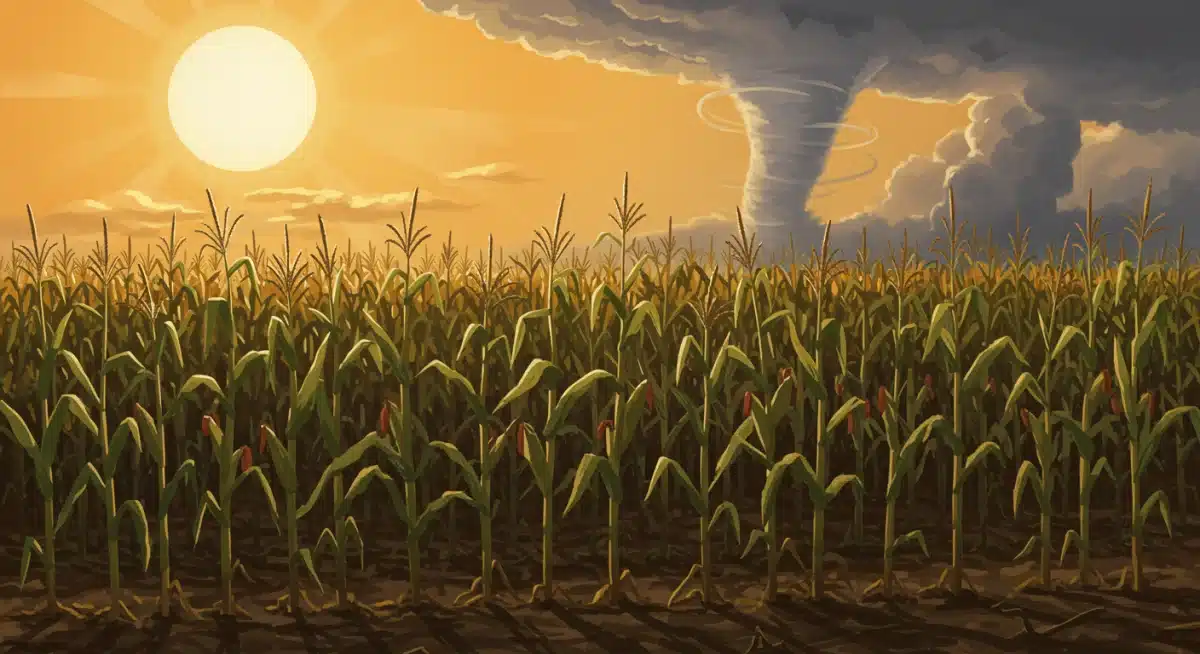
- Heatwaves: High temperatures stress plants, reduce pollination, and accelerate ripening, often diminishing quality and quantity for crops like corn and soybeans.
- Flooding: Midwestern farmlands, vital for grain production, are increasingly susceptible to destructive floods that wash away topsoil and destroy entire harvests.
- Unpredictable Seasons: Fluctuations in spring thaws and autumn frosts disrupt planting and harvesting schedules, making long-term planning challenging.
Pest and Disease Proliferation
Warmer temperatures extend the breeding seasons and geographical ranges of agricultural pests and plant diseases. This necessitates increased use of pesticides or the development of more resilient crop varieties, both of which come with their own set of environmental and economic implications.
The cumulative effect of these challenges is a less predictable and potentially less abundant food supply. This directly translates to higher costs for consumers and a greater reliance on resilient farming techniques that can withstand these environmental pressures. Understanding these agricultural shifts is crucial for comprehending the broader changes heading towards our grocery store shelves.
Supply Chain Vulnerabilities: From Farm to Shelf in a Changing Climate
Beyond the farm, the journey food takes to reach our plates is fraught with its own set of climate-induced challenges. The complex web of transportation, storage, and distribution—our food supply chain—is highly sensitive to disruptions. By 2026, we can expect to see significant adjustments as companies strive for greater resilience.
Transportation Hurdles and Infrastructure Strain
Climate change impacts transportation in multiple ways. Extreme weather can shut down major highways, rail lines, and ports, delaying deliveries and increasing spoilage. Infrastructure, from roads to bridges, is also vulnerable to damage from floods and severe storms, leading to costly repairs and rerouting.
- Fuel Costs: Longer routes due to weather disruptions or damaged infrastructure can increase fuel consumption and transportation costs, passed on to consumers.
- Perishable Goods: Delays are particularly detrimental for fresh produce and dairy, leading to higher waste rates and reduced availability.
- Labor Shortages: Disruptions can also impact the availability of truck drivers and other essential personnel needed to move goods.
Storage and Preservation Innovations
Maintaining optimal conditions for food storage is becoming more challenging with fluctuating temperatures and increased energy costs. This drives innovation in cold chain logistics and packaging solutions designed to extend shelf life and reduce waste, even under adverse conditions.
The drive for greater efficiency and reduced environmental footprint within the supply chain will likely lead to more localized sourcing where possible, and more advanced, climate-controlled warehousing. These adaptations are vital to ensuring a steady flow of goods, even as environmental variables become less stable. The vulnerabilities highlight the need for a more robust and adaptable system capable of absorbing climate shocks.
The Shifting American Palate: Consumer Choices in a New Era
As climate change impacts food availability and prices, American consumers are not passive observers. Their preferences, purchasing habits, and dietary choices are evolving, driving demand for new categories of food and influencing retailer strategies. By 2026, these shifts will be undeniable in grocery aisles.
Demand for Sustainable and Resilient Foods
There’s a growing awareness among consumers about the environmental footprint of their food. This translates into increased demand for locally sourced produce, plant-based alternatives, and foods grown using sustainable practices like regenerative agriculture or vertical farming. Shoppers are actively seeking options that promise less environmental impact.
- Plant-Based Boom: The market for meat and dairy alternatives continues to expand rapidly, driven by environmental concerns and health benefits.
- Local Sourcing: Consumers are increasingly prioritizing foods from nearby farms to reduce transportation emissions and support local economies.
- Certified Sustainable: Labels indicating organic, fair trade, or other sustainability certifications gain more traction as shoppers seek ethical choices.
Price Sensitivity and Food Waste Awareness
Rising food prices due to climate-related disruptions will make consumers more price-sensitive and lead to a greater focus on value. Simultaneously, awareness of food waste’s environmental impact is growing, prompting shoppers to be more mindful of what they buy and how they consume it.
These evolving consumer behaviors aren’t just fads; they represent a fundamental reevaluation of our relationship with food. Grocery stores are responding by stocking a wider array of sustainable products, investing in better waste management, and offering more information about food origins. Understanding these shifts is key to anticipating the marketplace of tomorrow.
Grocery Store Innovations: Adapting to Climate Realities
Grocery retailers are at the nexus of these transformations, tasked with meeting evolving consumer demands while navigating supply chain complexities. By 2026, the physical and operational landscape of grocery stores will reflect a concerted effort to adapt to climate change realities, offering new shopping experiences and product assortments.
Emphasis on Local and Regional Sourcing
To mitigate supply chain risks and cater to consumer preferences for sustainability, grocery stores are increasingly forging relationships with local and regional producers. This reduces transportation distances, supports local economies, and offers a more resilient supply of fresh goods.
- Farm-to-Store Programs: Direct partnerships with nearby farms ensure fresher produce and allow for better tracking of sourcing practices.
- Regional Distribution Centers: Investing in smaller, strategically located distribution hubs can reduce reliance on long-haul transport.
- Community Supported Agriculture (CSA) Integration: Some stores may partner with or host CSA pick-up points, further embedding local food systems.
Technological Integration for Efficiency and Transparency
Technology will play a pivotal role in optimizing operations and providing consumers with more information. From AI-powered inventory management that minimizes waste to blockchain technology offering farm-to-shelf traceability, innovation is key.
Smart shelves, personalized recommendations based on sustainable choices, and improved cold storage technologies will become more commonplace. These innovations aim to make the shopping experience more efficient, transparent, and aligned with environmental values, ultimately shaping how we interact with our food sources. The grocery store of 2026 will be a hub of sustainable and tech-forward solutions.
Policy, Regulation, and the Future of Food Security
The profound challenges posed by climate change to the food system are not solely a matter for individual consumers and businesses. Government policies and regulations play a critical role in shaping agricultural practices, supply chain resilience, and ultimately, national food security. By 2026, we anticipate a stronger, more coordinated policy response.
Incentives for Sustainable Agriculture
Federal and state governments are likely to expand programs that incentivize farmers to adopt climate-smart agricultural practices. These include techniques that improve soil health, conserve water, reduce greenhouse gas emissions, and enhance biodiversity, all crucial for long-term food production.
- Carbon Sequestration Programs: Payments to farmers for practices that capture carbon in the soil.
- Water Conservation Grants: Funding for efficient irrigation systems and water-saving technologies.
- Crop Insurance Reform: Adjusting policies to better support farmers adopting climate-resilient crops and methods.
Strengthening Supply Chain Infrastructure
Investment in resilient infrastructure is essential to protect the food supply from climate disruptions. This includes upgrading transportation networks, improving cold storage facilities, and fostering regional food hubs to shorten supply chains.
Regulatory frameworks may also evolve to promote greater transparency and accountability in food sourcing, ensuring that environmental and social impacts are considered throughout the supply chain. These policy shifts are designed to create a more robust and equitable food system, ensuring access to nutritious food for all Americans in the face of a changing climate. The interplay between policy and practice will largely determine the success of our adaptation efforts.
Consumer Empowerment: Navigating the New Grocery Landscape
As the food system adapts to climate change, consumers will find themselves with both new challenges and new opportunities in their grocery shopping endeavors. Empowering individuals with knowledge and tools will be crucial for making informed choices that benefit both personal health and planetary well-being. By 2026, proactive consumer engagement will be a defining characteristic of the food landscape.
Informed Purchasing Decisions
Access to clear and concise information about food origins, environmental impact, and ethical sourcing will become paramount. Shoppers will increasingly seek out labels, certifications, and digital tools that provide transparency, allowing them to align their purchases with their values.
- Nutritional Transparency: Clearer labeling regarding nutritional content and processing methods.
- Environmental Footprint Labels: Information on carbon emissions, water usage, and biodiversity impact of products.
- Ethical Sourcing Badges: Certifications indicating fair labor practices and animal welfare standards.
Embracing Food Innovation and Diversity
Consumers will be encouraged to explore a wider range of foods, including climate-resilient crops, alternative proteins, and locally adapted varieties. This diversification not only broadens culinary horizons but also supports a more robust and sustainable food system.
Educational initiatives, both in stores and online, will help consumers understand the benefits of these new options and how to incorporate them into their diets. Ultimately, the power of collective consumer choice will drive significant change, pushing retailers and producers towards more sustainable and resilient practices, thereby shaping the grocery shopping experience of the future. The empowered shopper of 2026 will be an agent of positive change.
| Key Aspect | Impact by 2026 |
|---|---|
| Agricultural Output | Increased volatility and shifts in crop types due to extreme weather, leading to higher prices and potential scarcity for some traditional staples. |
| Supply Chain | More localized sourcing, diversified transportation, and advanced cold chain logistics to enhance resilience against climate disruptions. |
| Consumer Behavior | Growing demand for sustainable, plant-based, and locally sourced foods, alongside increased price sensitivity and awareness of food waste. |
| Grocery Retailers | Adopting tech for efficiency, expanding sustainable product lines, and investing in localized distribution networks to meet new demands. |
Frequently Asked Questions About the Future of Food
Climate change is expected to increase food prices due to reduced crop yields from extreme weather, higher transportation costs from supply chain disruptions, and increased demand for climate-resilient products. Consumers may see more volatility in staple food costs.
Expect a greater variety of plant-based alternatives, climate-resilient crops (e.g., drought-resistant grains), and foods from vertical farms. There will also be an emphasis on locally sourced and sustainably produced items, often with clearer labeling about their environmental impact.
Yes, local food sourcing is projected to become significantly more common. It helps reduce supply chain vulnerabilities, lowers transportation emissions, and meets growing consumer demand for fresh, transparently sourced products. Grocery stores are actively building stronger relationships with regional farms.
Consumers can contribute by choosing locally sourced and plant-based options, reducing food waste at home, supporting brands with strong sustainability practices, and educating themselves on food’s environmental footprint. These choices collectively drive demand for sustainable change.
Technology will enhance efficiency and transparency. Expect AI-powered inventory, blockchain for traceability, smart packaging for extended shelf life, and apps providing detailed product information. These innovations aim to reduce waste and inform consumer choices.
Conclusion
The journey toward 2026 reveals a food landscape in the US profoundly shaped by the escalating impacts of climate change. From the fundamental challenges faced by American agriculture to the intricate vulnerabilities within our global supply chains, every segment of the food system is undergoing a necessary, often urgent, transformation. Consumers, driven by both necessity and a heightened awareness, are pivoting towards more sustainable, locally sourced, and plant-based options, thereby creating a powerful demand signal that retailers are actively responding to. Grocery stores are not merely passive recipients of these changes; they are innovating rapidly, adopting new technologies, and forging stronger regional partnerships to ensure resilience and meet evolving shopper expectations. Government policies are also beginning to align, offering incentives for climate-smart agriculture and investing in critical infrastructure to safeguard food security. Ultimately, the future of food in the US is a dynamic interplay of environmental pressures, market adaptations, and informed consumer choices. While challenges are significant, the collective movement towards a more resilient, sustainable, and transparent food system offers a hopeful outlook for what lands in our grocery carts in the years to come.