US Environmental Regulations: Impact on Daily Life

Understanding how US environmental regulations impact our daily lives is more critical than ever. From the food we eat to the air we breathe, new policies are constantly reshaping our environment and, by extension, our routines. Let’s delve into the specifics of these changes and what they mean for you.
The Foundations of Environmental Policy in the US
Environmental policy in the United States has a rich and evolving history, driven by public awareness, scientific advancements, and political will.
These policies aim to protect natural resources, mitigate pollution, and ensure a healthier future for all citizens. They are not static but continually adapt to new challenges and understandings.
At its core, US environmental regulation is a complex web of federal, state, and local laws. These laws touch upon various sectors, including air quality, water purity, waste management, and the conservation of biodiversity. Understanding these foundational elements helps us grasp the ripple effect on our everyday existence.
Key Legislation and Agencies
Several landmark pieces of legislation form the backbone of environmental protection in the US. These acts empower federal agencies to set standards, enforce compliance, and fund conservation efforts. Their influence is pervasive, shaping everything from industrial practices to consumer products.
Clean Air Act (CAA): Regulates air emissions from stationary and mobile sources, impacting industrial operations and vehicle standards.
Clean Water Act (CWA): Governs water pollution, establishing quality standards for surface waters and regulating pollutant discharges.
Endangered Species Act (ESA): Protects critically imperiled species from extinction as a consequence of economic growth and development.
Resource Conservation and Recovery Act (RCRA): Controls hazardous waste from generation to disposal, influencing recycling and waste management.
The Environmental Protection Agency (EPA) is the primary federal agency responsible for implementing and enforcing these laws.
Its role is crucial in translating legislative intent into actionable regulations that affect businesses, communities, and individuals nationwide. The EPA’s actions often lead to direct changes in how industries operate and how consumers interact with products and services.
In conclusion, the foundational environmental policies and agencies in the US are designed to safeguard our natural world. Their ongoing evolution means a continuous adaptation for industries and individuals, ensuring that environmental protection remains a dynamic and integral part of American society.
Impact on Energy Consumption and Home Life

New environmental regulations significantly influence how we consume energy in our homes, driving a shift towards greater efficiency and renewable sources. These policies are designed to reduce carbon footprints and lower utility costs over time, benefiting both the planet and household budgets. The changes manifest in various aspects of home life, from appliance choices to heating and cooling systems.
Homeowners and renters alike are experiencing the effects through updated building codes and incentivized programs. These initiatives encourage the adoption of technologies and practices that lessen our reliance on traditional, carbon-intensive energy sources. The long-term goal is to create more sustainable living environments across the nation.
Appliance Efficiency Standards
Federal regulations frequently update efficiency standards for household appliances. This means that new refrigerators, washing machines, and air conditioners are designed to consume less energy than their predecessors. When you purchase a new appliance, you are likely benefiting from these stricter efficiency requirements.
Energy Star Program: This voluntary program, backed by the EPA, helps consumers identify and choose energy-efficient products.
Reduced Utility Bills: High-efficiency appliances translate directly into lower monthly electricity and water bills for households.
Technological Innovation: Manufacturers are continually innovating to meet and exceed these standards, leading to better performing and more eco-friendly products.
These standards not only save consumers money but also reduce the overall demand for energy, which in turn decreases emissions from power plants. The cumulative effect of millions of households adopting these efficient appliances can be substantial in the fight against climate change.
Renewable Energy Incentives and Home Upgrades
Many environmental policies offer incentives for homeowners to invest in renewable energy sources like solar panels. Tax credits, rebates, and grants make these upgrades more accessible, accelerating the transition away from fossil fuels for residential power generation.
Beyond solar, regulations also promote energy-efficient home improvements, such as better insulation, double-pane windows, and smart thermostats. These measures reduce energy waste and improve indoor comfort. The initial investment often pays off through significant long-term savings and increased home value.
In conclusion, environmental regulations are actively transforming energy consumption patterns within American homes. By promoting efficiency and renewable energy adoption, these policies are not only mitigating environmental impact but also empowering consumers with smarter, more cost-effective ways to live.
Transportation: Shifting Towards Greener Commutes
The transportation sector is a major focus of US environmental regulations, as it contributes significantly to air pollution and greenhouse gas emissions.
New policies are designed to encourage a fundamental shift towards greener commutes and more sustainable modes of transport. This impacts everything from the cars we drive to the infrastructure available for public and active transportation.
These regulations are not just about reducing emissions; they also aim to improve public health by reducing smog and other harmful pollutants in urban areas. The changes are evident in vehicle manufacturing, fuel standards, and the growth of alternative transportation options.
Vehicle Emission Standards
The EPA sets stringent emission standards for new vehicles, pushing manufacturers to produce cleaner cars, trucks, and buses. These standards have led to significant advancements in engine technology and exhaust systems, drastically reducing pollutants released into the atmosphere. Consumers now have access to vehicles that are far more environmentally friendly than those of past decades.
Fuel Economy Standards (CAFE): These regulations mandate improvements in the average fuel economy of vehicles sold in the US, encouraging more efficient gasoline-powered cars.
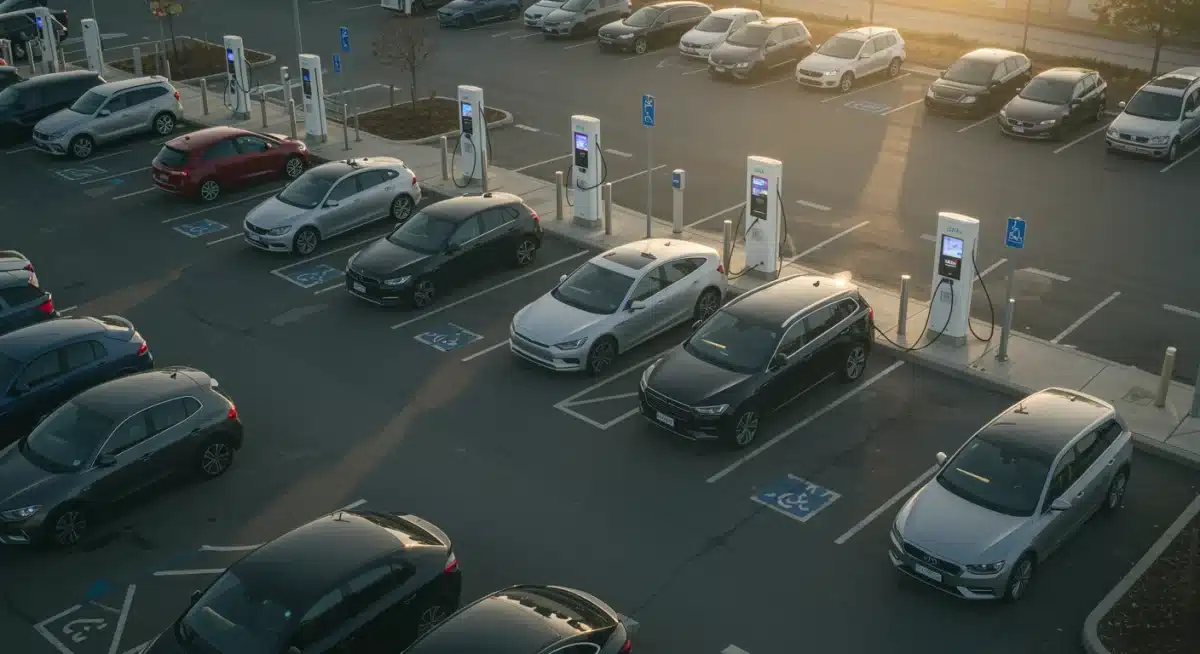
Electric Vehicle (EV) Mandates and Incentives: Various state and federal policies promote the production and purchase of EVs through tax credits, rebates, and charging infrastructure development.
Hybrid Technology: Regulations have also spurred the development and adoption of hybrid vehicles, which combine gasoline engines with electric motors for improved efficiency.
The push for lower emissions means that the internal combustion engine is continually being refined, while electric vehicles are becoming an increasingly viable and attractive option for many Americans. This transition has profound implications for fuel consumption and air quality.
Public Transportation and Active Commuting
Beyond individual vehicles, environmental regulations and related funding initiatives support the expansion and improvement of public transportation networks. Investing in buses, trains, and subways reduces the number of single-occupancy vehicles on the road, easing congestion and lowering overall emissions.
Furthermore, policies often encourage active commuting options like cycling and walking. This includes funding for bike lanes, pedestrian pathways, and safe routes to school programs. These initiatives not only benefit the environment but also promote healthier lifestyles and stronger communities.
In summary, US environmental regulations are driving a comprehensive transformation in transportation. By setting strict vehicle standards, incentivizing electric vehicles, and supporting public and active transport, these policies are paving the way for cleaner, more sustainable, and healthier commutes for millions of Americans.
Food Systems and Agricultural Practices
Environmental regulations are increasingly influencing the food systems and agricultural practices across the United States.
These policies aim to promote sustainable farming, reduce environmental degradation from agriculture, and ensure the safety and quality of our food supply. The impact can be seen in everything from how crops are grown to the types of food available on grocery store shelves.
The goal is to strike a balance between feeding a growing population and protecting vital natural resources like soil, water, and biodiversity. Farmers are adapting to new requirements and finding innovative ways to comply while maintaining productivity.
Sustainable Farming Initiatives
Government programs and regulations often incentivize sustainable farming practices that reduce chemical runoff, conserve water, and improve soil health. These initiatives help farmers adopt methods that are less impactful on the environment in the long run.
Organic Certification: Strict federal standards govern organic farming, which prohibits synthetic pesticides and fertilizers, impacting consumer choices for healthier, eco-friendly produce.
Water Conservation: Regulations promote efficient irrigation techniques and protect water bodies from agricultural pollution, directly affecting farming operations in drought-prone regions.
Soil Health Programs: Incentives for cover cropping, no-till farming, and crop rotation improve soil structure and reduce erosion, benefiting both the environment and long-term agricultural viability.
These practices not only safeguard the environment but can also lead to more resilient farms and healthier ecosystems. Consumers benefit from a wider range of sustainably produced foods and reduced exposure to harmful chemicals.
Food Waste Reduction and Packaging

Beyond farm-level practices, environmental regulations are also addressing food waste and packaging. Policies aim to divert food waste from landfills, where it produces methane, a potent greenhouse gas, and to encourage more sustainable packaging solutions.
This includes initiatives to promote composting, donation of edible surplus food, and improved food storage techniques. Packaging regulations are pushing for biodegradable materials, recycled content, and reduced overall packaging, influencing product design and consumer choices at the grocery store.
Ultimately, environmental regulations are fostering a more sustainable and responsible food system in the US. From promoting organic farming to reducing waste, these policies are transforming how our food is produced, processed, and consumed, leading to healthier outcomes for both people and the planet.
Water Quality and Conservation Efforts
Water quality and conservation are paramount concerns addressed by US environmental regulations, directly affecting the water we drink, use for recreation, and that sustains our ecosystems.
These policies are designed to prevent pollution, manage water resources efficiently, and ensure safe access to this vital resource for all Americans. The impact extends from municipal water treatment plants to individual household water usage.
The regulatory framework around water is comprehensive, encompassing everything from industrial discharges to agricultural runoff and urban stormwater management. These efforts are crucial for maintaining public health and protecting aquatic environments.
Safe Drinking Water Standards
The Safe Drinking Water Act (SDWA) sets national standards for drinking water quality, requiring public water systems to monitor and treat water for various contaminants. These regulations directly ensure the safety of the tap water consumed by millions of households daily.
Testing and Reporting: Water utilities must regularly test for contaminants and report results to the public, increasing transparency and accountability.
Infrastructure Investments: Regulations often drive investments in aging water infrastructure, leading to cleaner, more reliable water delivery systems.
Emerging Contaminants: The EPA continually evaluates and sets limits for new contaminants, such as PFAS (per- and polyfluoroalkyl substances), impacting water treatment technologies.
These standards are continuously updated based on scientific research and public health needs, meaning that the quality of drinking water is a dynamic and closely managed aspect of daily life. Consumers can have greater confidence in the water flowing from their taps.
Water Conservation Policies
Beyond purity, environmental regulations also promote water conservation, especially in regions prone to drought. Policies encourage efficient water use in agriculture, industry, and residential settings, recognizing water as a finite resource.
This includes mandates for water-efficient fixtures in new construction, incentives for xeriscaping (drought-tolerant landscaping), and restrictions on outdoor watering during dry periods. These measures aim to reduce overall water demand and ensure sustainable supplies for future generations.
In conclusion, US environmental regulations play a critical role in safeguarding our water resources. By enforcing strict drinking water standards and promoting comprehensive conservation efforts, these policies protect public health, preserve ecosystems, and ensure the long-term availability of clean water for all.
Waste Management and Recycling Initiatives
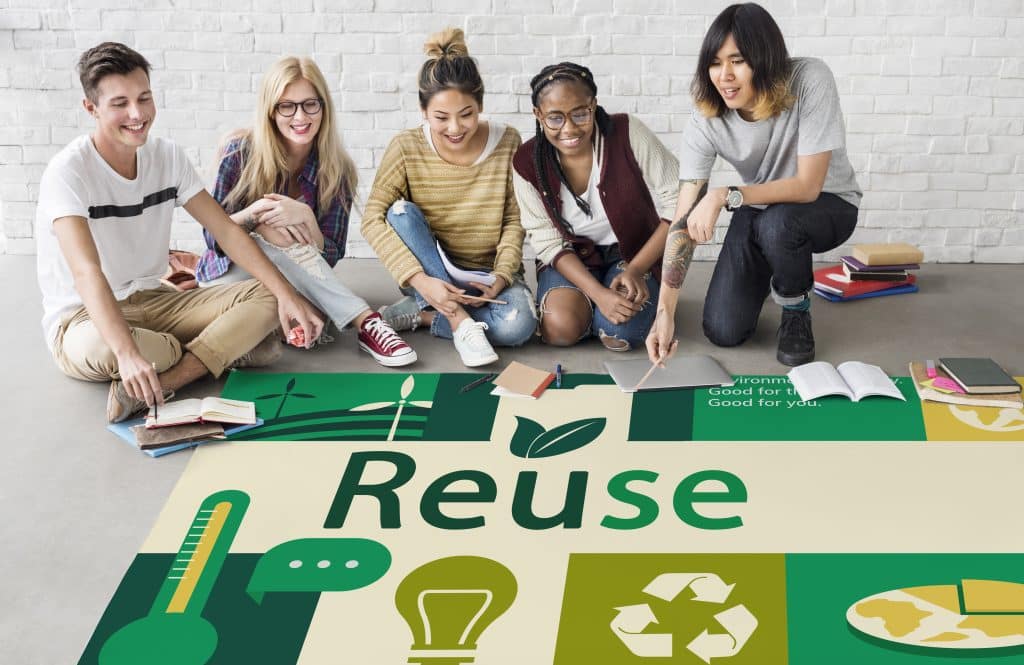
Waste management and recycling initiatives are central to US environmental regulations, aiming to reduce landfill waste, promote resource recovery, and mitigate pollution from disposal sites. These policies directly influence how households and businesses handle their trash, encouraging a shift towards a more circular economy.
The impact is visible in local recycling programs, product packaging, and the increasing availability of facilities for composting and hazardous waste disposal. The goal is to minimize environmental harm while maximizing the value extracted from discarded materials.
Recycling Programs and Extended Producer Responsibility
Many state and local governments implement mandatory recycling programs, often driven by federal guidelines and incentives. These programs make it easier for individuals to separate recyclables like plastics, paper, glass, and metals from general waste.
Curbside Collection: Widespread availability of curbside recycling services simplifies the process for households, increasing participation rates.
Deposit-Return Systems: Some states have bottle bills that offer a monetary incentive for returning beverage containers, significantly boosting recycling rates for specific items.
Extended Producer Responsibility (EPR): Emerging regulations hold producers accountable for the entire lifecycle of their products, including disposal, encouraging more recyclable product design.
These initiatives not only reduce the volume of waste sent to landfills but also conserve natural resources and save energy by using recycled materials in manufacturing. The economic benefits include job creation in the recycling industry and reduced costs associated with landfill expansion.
Hazardous Waste and E-Waste Management
Strict environmental regulations govern the disposal of hazardous waste, from household chemicals to industrial byproducts. These policies prevent toxic substances from contaminating soil and water, protecting both human health and ecosystems.
Furthermore, there’s a growing focus on electronic waste (e-waste), which contains valuable materials and hazardous components. Regulations and collection programs ensure that old electronics are properly recycled or disposed of, rather than ending up in landfills. This includes special collection events and designated drop-off points for items like batteries, old paint, and obsolete devices.
In essence, US environmental regulations are transforming waste management practices. By promoting comprehensive recycling programs and ensuring responsible disposal of hazardous materials, these policies are moving us towards a future where waste is seen as a resource, not just something to be discarded.
Public Health and Environmental Justice
The intersection of public health and environmental justice is a critical area where US environmental regulations exert profound influence.
Policies are increasingly designed not only to protect the environment but also to address disproportionate environmental burdens faced by marginalized communities. This focus aims to ensure that everyone, regardless of race, income, or zip code, has the right to a healthy environment.
These regulations tackle issues like localized pollution, access to clean resources, and the siting of polluting industries. The goal is to reduce health disparities linked to environmental factors and promote equitable access to environmental benefits.
Reducing Pollution in Vulnerable Communities
Environmental justice initiatives within regulatory frameworks prioritize reducing pollution in communities historically burdened by industrial emissions and other environmental hazards. This often involves stricter enforcement of existing laws and targeted programs to improve air and water quality in these areas.
Air Quality Monitoring: Enhanced monitoring in frontline communities helps identify and address pollution hotspots, leading to better respiratory health outcomes.
Lead Abatement Programs: Regulations and funding target the removal of lead paint and lead pipes, particularly in older, lower-income housing, protecting children from neurodevelopmental harm.
Superfund Sites: Federal programs prioritize the cleanup of hazardous waste sites, many of which are located near vulnerable populations, reducing exposure to toxic chemicals.
By focusing on these areas, regulations aim to rectify historical injustices and ensure that environmental protection benefits all segments of society, not just the privileged. This leads to tangible improvements in public health, such as reduced rates of asthma and other pollution-related illnesses.
Access to Green Spaces and Clean Resources
Environmental policies also promote equitable access to green spaces, clean water, and healthy food options, recognizing these as fundamental to public health. Regulations can influence urban planning to ensure parks, community gardens, and safe recreational areas are available in underserved neighborhoods.
Furthermore, efforts to combat food deserts and ensure access to clean, affordable drinking water are often intertwined with environmental justice goals. These policies help create healthier living environments and reduce health disparities.
In conclusion, US environmental regulations are increasingly embracing the principles of environmental justice. By targeting pollution in vulnerable communities and promoting equitable access to healthy resources, these policies are working to create a more just and healthier society where environmental burdens are shared fairly and benefits are accessible to all.
| Key Impact Area | Daily Life Effect |
|---|---|
| Energy & Home | More efficient appliances, renewable energy incentives, lower utility bills. |
| Transportation | Cleaner vehicles, increased EV options, improved public transport. |
| Food & Agriculture | Sustainable farming, organic options, less food waste, better packaging. |
| Water & Health | Safer drinking water, conservation efforts, reduced pollution in communities. |
Frequently Asked Questions About Environmental Regulations
New regulations drive investments in cleaner energy sources and energy efficiency. While these can sometimes lead to initial infrastructure costs, they often result in lower long-term utility bills due to reduced energy consumption and the increasing affordability of renewables like solar and wind power. Incentives for home efficiency also contribute to savings.
Yes, regulations and incentives play a significant role. Policies promoting EV adoption, such as federal tax credits and state rebates, help reduce the upfront cost for consumers. Additionally, increased demand driven by regulations encourages manufacturers to invest in production, leading to economies of scale and more competitive pricing over time.
Environmental policies influence food choices by promoting sustainable farming practices, organic certification, and reduced pesticide use.
This means you might see more organic options, products from farms using water-efficient methods, and packaging designed to be more environmentally friendly, reflecting a broader shift towards sustainable food systems.
Environmental justice is the fair treatment and meaningful involvement of all people, regardless of race, color, national origin, or income, with respect to the development, implementation, and enforcement of environmental laws. Regulations increasingly integrate this principle to address disproportionate environmental burdens faced by marginalized communities, ensuring equitable protection.
Absolutely. Individual actions contribute significantly. You can support these goals by recycling diligently, conserving water and energy at home, opting for energy-efficient appliances, choosing sustainable transportation like public transit or electric vehicles, and supporting businesses that prioritize environmental responsibility. Every conscious choice makes a difference.
Conclusion
The intricate web of US environmental regulations profoundly shapes the fabric of daily life for every American.
From the energy that powers our homes to the food on our tables, and the air we breathe, these policies are designed to foster a more sustainable and healthier future.
While they often require adjustments in consumer behavior and industrial practices, the long-term benefits of cleaner air, purer water, and a more resilient environment are undeniable. Understanding these impacts empowers us to make informed decisions and actively participate in building a more environmentally conscious society.