US Recycling Programs: What’s Changed & How to Recycle Right in 2026
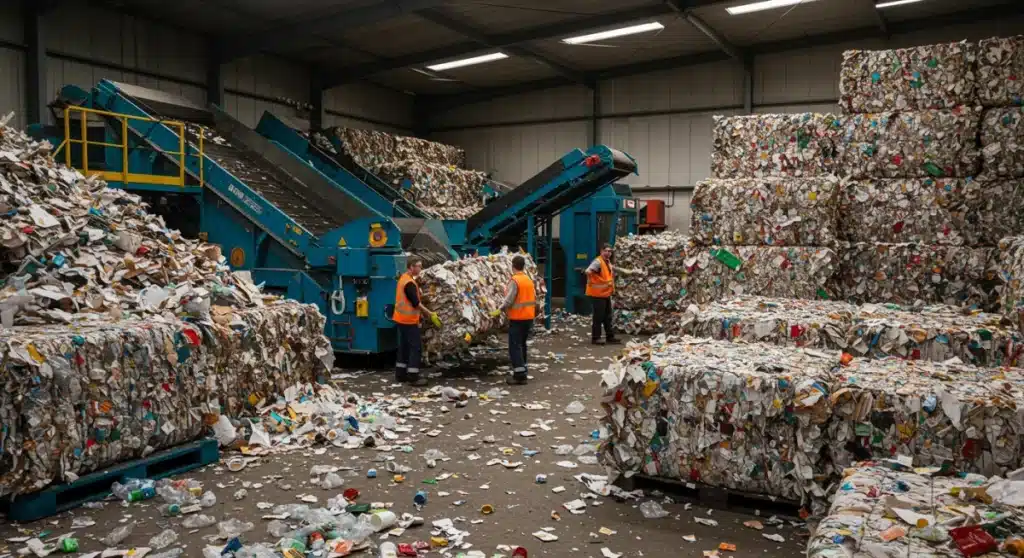
US Recycling Programs are undergoing significant transformations by 2026, driven by new policies and technological innovations aimed at increasing efficiency and reducing waste, requiring consumers to adapt their recycling habits for greater environmental impact.
The landscape of waste management in the United States is constantly evolving, and by 2026, significant shifts in
US Recycling Programs are set to redefine how we approach sustainability.
Understanding these changes is not just about compliance; it’s about actively participating in a more circular economy and ensuring our efforts truly make a difference.
Are you ready to adapt your recycling habits for a greener future?
Understanding the Current State of US Recycling in 2026
As we navigate 2026, the current state of US recycling is a complex mosaic of successes and challenges. While public awareness of recycling’s importance remains high, the actual efficacy and consistency of programs vary widely across states and municipalities.
This variability often leads to confusion and, unfortunately, contamination in recycling streams, undermining the very purpose of these initiatives.
The past few years have seen a critical reassessment of recycling infrastructure and practices. Many communities are grappling with outdated facilities, fluctuating commodity markets for recycled materials, and the sheer volume of waste generated daily.
This has spurred a national conversation about how to standardize and optimize recycling efforts to achieve genuinely sustainable outcomes.
The Challenge of Contamination
“Wishcycling” Phenomenon: Many well-intentioned individuals place non-recyclable items into bins, hoping they can be recycled, which introduces contaminants.
Lack of Uniformity: Different rules in different cities create confusion, making it difficult for residents to know what is accepted locally.
Economic Pressures: The cost of sorting and processing contaminated materials can be prohibitive, leading some facilities to send entire batches to landfills.
Addressing these issues requires a multi-faceted approach, combining public education, policy changes, and technological advancements.
The goal is not just to collect more materials, but to collect the right materials, ensuring they can be effectively reprocessed into new products. Without this fundamental shift, recycling remains a partial solution to a much larger waste crisis.
Key Policy Changes and Regulations Impacting Recycling
The year 2026 marks a pivotal period for policy changes and new regulations designed to invigorate and standardize US recycling programs.
Federal, state, and local governments are increasingly recognizing the need for a more coherent and robust national recycling strategy. These legislative efforts aim to tackle everything from producer responsibility to consumer incentives, creating a more cohesive framework.
One of the most significant shifts is the growing emphasis on Extended Producer Responsibility (EPR) laws. These policies place the financial and operational burden of managing a product’s end-of-life squarely on the manufacturers.
This encourages companies to design products that are inherently more recyclable, use recycled content, and minimize packaging waste from the outset.
Extended Producer Responsibility (EPR) Initiatives
Packaging Redesign: Manufacturers are incentivized to use mono-materials and easily separable components to improve recyclability.
Recycled Content Mandates: New laws may require a minimum percentage of recycled content in new products, boosting demand for recycled materials.
Funding for Infrastructure: EPR schemes often generate funds that can be reinvested into upgrading local recycling facilities and collection services.
Beyond EPR, there’s a push for greater transparency and data collection within the recycling industry. Governments are seeking to better understand material flows, identify bottlenecks, and measure the true environmental impact of recycling efforts.
This data-driven approach will be crucial for refining policies and ensuring that resources are allocated effectively, ultimately making recycling more impactful and less prone to inefficiencies.
Technological Innovations Driving Recycling Efficiency
Technological innovation is rapidly transforming the capabilities of US recycling programs, promising greater efficiency, higher material recovery rates, and reduced contamination.
From advanced sorting systems to chemical recycling processes, these breakthroughs are making it possible to reclaim materials that were previously unrecyclable or too costly to process. This technological leap is critical for meeting ambitious recycling targets and fostering a truly circular economy.
Artificial intelligence (AI) and robotics are at the forefront of this revolution. AI-powered optical sorters can identify and separate different types of plastics, papers, and metals with unprecedented accuracy and speed.
This significantly reduces the amount of manual labor required and minimizes contamination, ensuring that materials sent for reprocessing are of higher quality.
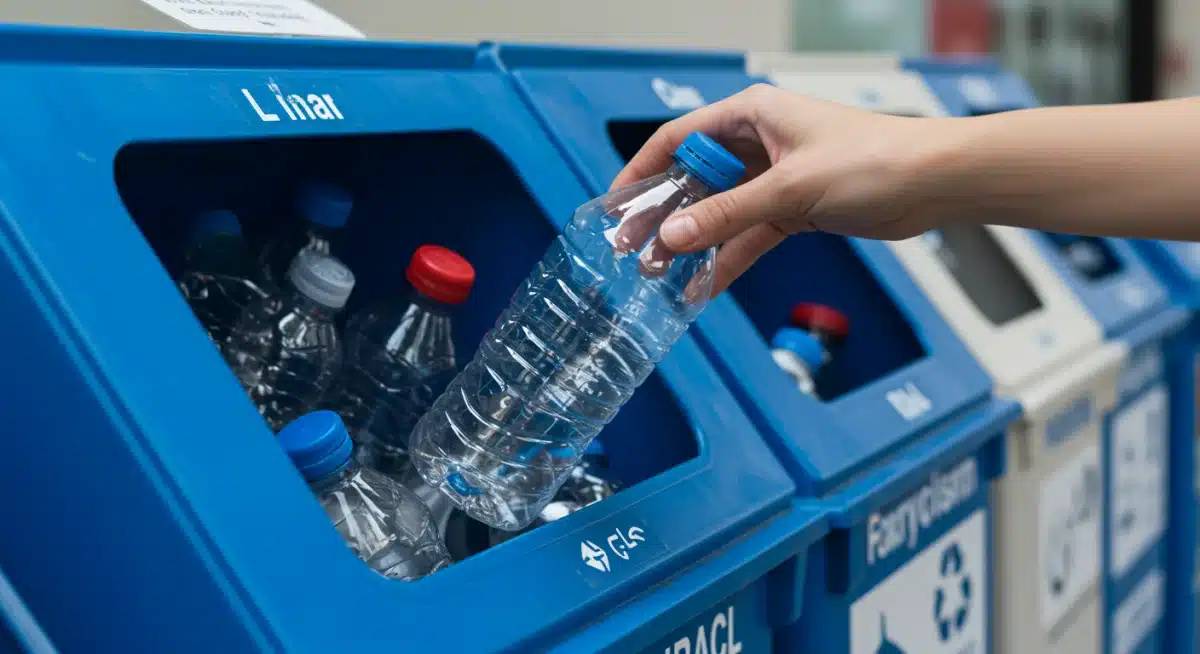
Advanced Sorting and Processing
Robotic Arms: Automated systems can quickly pick out specific items from a conveyor belt, improving efficiency and safety.
Near-Infrared (NIR) Spectroscopy: This technology allows sorters to distinguish between different types of plastics based on their chemical composition.
Chemical Recycling: Processes that break down plastics into their molecular components, allowing them to be rebuilt into new, virgin-quality plastics.
Furthermore, advancements in data analytics and sensor technology are providing real-time insights into recycling operations. This allows facilities to optimize their processes, predict maintenance needs, and adapt to changes in waste streams.
The integration of these smart technologies is not just about improving current practices but about building a resilient and future-proof recycling infrastructure capable of handling the complexities of modern waste.
How to Recycle Right: A Consumer’s Guide for 2026
Recycling right in 2026 is more important than ever, given the evolving policies and technologies. While the specifics might vary by location, there are universal principles that every consumer can adopt to ensure their recycling efforts are effective and contribute positively to environmental goals.
The key lies in understanding what your local program accepts, preparing materials correctly, and avoiding common pitfalls.
First and foremost, always check your local municipality’s recycling guidelines. These are often available on city websites or through waste management apps. What’s accepted in one county might not be in another, especially regarding plastics.
Paying attention to these local rules prevents “wishcycling,” which can contaminate entire batches of otherwise recyclable materials.
Essential Recycling Tips for Home
Clean and Dry: Always rinse food containers to remove residue. Food scraps can contaminate paper and cardboard, making them unrecyclable.
Know Your Plastics: Look for the chasing arrows symbol with a number (1-7), but remember that not all numbers are accepted everywhere. Focus on #1 (PET) and #2 (HDPE) as they are most widely recycled.
Flatten Cardboard: Break down cardboard boxes to save space in your bin and on the collection truck, improving efficiency.
No Plastic Bags in Curbside Bins: Plastic bags often jam sorting machinery. Recycle them at designated store drop-off locations.
Beyond these general guidelines, consider reducing your overall consumption and reusing items whenever possible.
Recycling is the last step in the waste hierarchy, following reduction and reuse. By adopting a more mindful approach to consumption, you can significantly lessen your environmental footprint and support the broader goals of sustainability, making recycling a more effective tool in a holistic strategy.
The Economic and Environmental Benefits of Effective Recycling
Effective recycling programs deliver far-reaching economic and environmental advantages that go well beyond simply reducing landfill waste.
When properly designed and managed, recycling systems transform discarded materials into valuable inputs for new products, strengthening supply chains, lowering production costs, and reducing environmental strain.
These outcomes highlight why investing in strong recycling infrastructure is both an economic strategy and an environmental necessity.
Economic Benefits of Recycling Programs
From an economic perspective, recycling programs are powerful job creators. They generate employment opportunities across multiple sectors, including material collection, transportation, sorting facility operations, equipment maintenance, processing, and manufacturing using recycled feedstock.
Compared to landfill disposal, recycling often supports significantly more jobs per ton of material processed.
Recycling programs also reduce dependence on virgin raw materials such as timber, petroleum, and mined metals. Extracting and refining new materials is often more expensive and energy-intensive than processing recycled content.
By reintegrating recovered materials into manufacturing, businesses can stabilize production costs and reduce exposure to volatile global commodity markets.
Local governments benefit financially as well. By diverting waste from landfills, municipalities reduce tipping fees and extend landfill lifespan.
These cost savings can be redirected toward essential community services such as education, infrastructure upgrades, or environmental initiatives. In addition, regions with strong recycling programs often attract green businesses and sustainable manufacturers, further stimulating local economic growth.
Extended Producer Responsibility (EPR) policies enhance these economic advantages by shifting part of the financial burden from taxpayers to producers.
This creates more sustainable funding streams for recycling programs while encouraging companies to design products that are easier and more cost-effective to recycle.
Environmental Benefits of Recycling Programs
The environmental impact of effective recycling programs is equally significant. Recycling conserves natural resources by reducing the need to extract raw materials.
For example, recycling aluminum dramatically lowers the need for bauxite mining, while paper recycling reduces deforestation pressures. Plastics recycling reduces demand for petroleum-based inputs.
Energy conservation is another major benefit. Manufacturing products from recycled materials typically requires less energy than producing them from virgin resources. Lower energy use directly translates into reduced greenhouse gas emissions, helping communities and industries meet climate targets.
Recycling programs also decrease pollution associated with mining, drilling, logging, and refining processes. By minimizing these activities, ecosystems experience less habitat disruption, soil degradation, and water contamination.
Additionally, reducing landfill waste lowers methane emissions, a potent greenhouse gas generated by decomposing organic materials.
Strengthening the Circular Economy
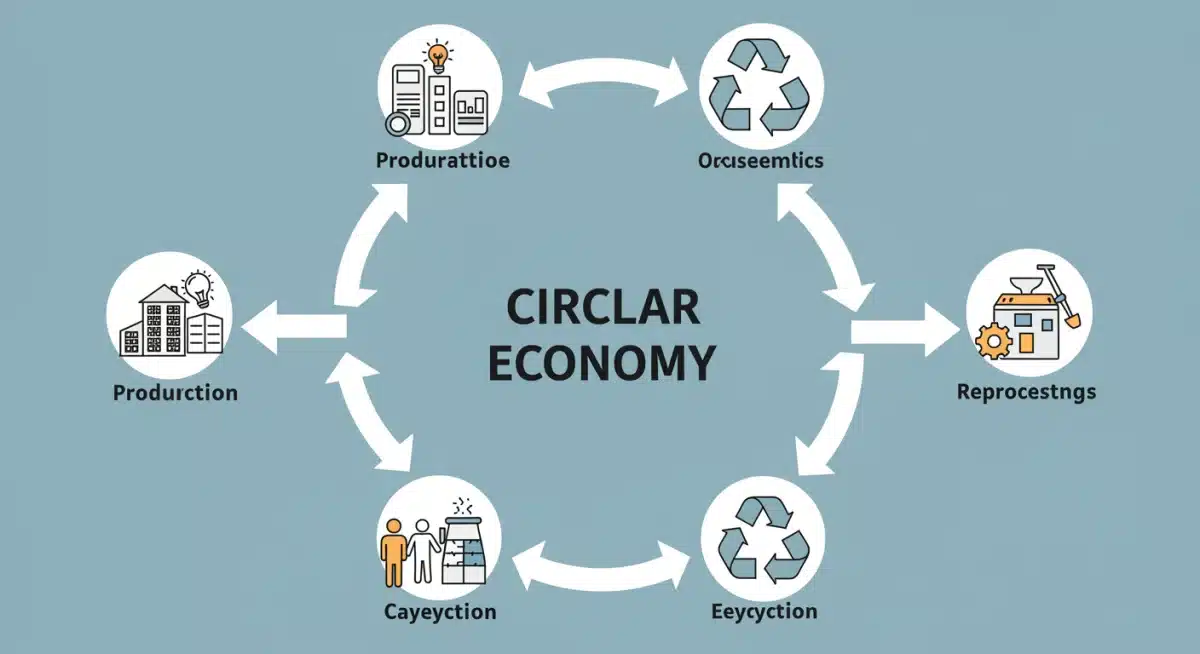
At a broader level, effective recycling programs are foundational to building a circular economy. Instead of the traditional linear model—produce, consume, dispose—a circular system keeps materials in use for as long as possible.
Recycling closes the loop by reintegrating materials back into production cycles, reducing waste and maximizing resource efficiency.
As technology continues to improve sorting accuracy and material recovery rates, recycling programs are becoming more efficient and environmentally impactful.
Investments in advanced facilities, domestic processing capabilities, and standardized labeling systems will further enhance both economic returns and environmental gains.
Long-Term Impact
The long-term success of recycling programs depends on consistent public participation, strong policy frameworks, and sustained infrastructure investment.
When communities prioritize proper recycling habits and governments support modernized systems, the combined economic and environmental benefits multiply.
Ultimately, effective recycling programs represent one of the most practical and scalable solutions for reducing waste, conserving resources, and supporting sustainable economic development.
By viewing recycling not merely as waste management but as resource management, communities can unlock substantial financial savings, job creation opportunities, and measurable climate benefits for generations to come.
Environmental Impact Highlights
Resource Conservation: Recycling aluminum saves 95% of the energy needed to produce new aluminum from ore. Similarly, making paper from recycled pulp uses significantly less energy and water.
Reduced Pollution: Manufacturing products from recycled materials typically results in less air and water pollution compared to using virgin resources.
Lower Greenhouse Gas Emissions: By reducing energy consumption and avoiding methane emissions from landfills, recycling plays a crucial role in combating climate change.
The environmental advantages are equally compelling. Recycling conserves finite natural resources, reduces the need for raw material extraction (which can be ecologically destructive), and decreases the energy consumption associated with manufacturing.
This holistic approach to waste management positions recycling not just as a waste disposal method, but as a vital component of a sustainable future and a thriving green economy.
Challenges and Future Outlook for US Recycling Programs
US recycling programs have made meaningful progress by 2026, but important challenges remain. Market volatility continues to impact recycling programs, especially when demand for recycled materials drops and processing becomes less profitable.
Strengthening domestic markets and implementing supportive policies are essential to stabilize recycling programs long-term.
Contamination also remains a major issue. When incorrect items enter recycling programs, entire loads can be rejected. Clear guidelines, public education, and better labeling systems are critical to improving efficiency and reducing waste.
Infrastructure investment is another key factor shaping the future of recycling programs. Some regions operate advanced facilities, while others lack modern equipment.
Continued funding, expanded Extended Producer Responsibility programs, and public-private partnerships will be vital to modernizing systems nationwide.
Despite these obstacles, the outlook for recycling programs is promising. With stronger policies, improved technology, and active community participation, recycling programs are becoming more resilient and better positioned to support a sustainable circular economy in the years ahead.
Overcoming Obstacles and Building Resilience
Market Development: Investing in domestic processing facilities and fostering industries that utilize recycled content can create stable demand.
Standardization Efforts: Developing national or regional guidelines for accepted materials could reduce consumer confusion and contamination rates.
Innovation in Waste Stream Management: Exploring new methods for hard-to-recycle items, such as multi-layer packaging and textiles, is essential.
The future outlook, however, remains optimistic. Increased public awareness, coupled with a renewed commitment from governments and industries, suggests a trajectory towards more resilient and effective recycling systems.
Continued investment in research and development, alongside robust policy frameworks like EPR, will be crucial in overcoming current challenges and building a sustainable waste management system for future generations, making US Recycling Programs a cornerstone of environmental stewardship.
| Key Point | Brief Description |
|---|---|
| Policy Shifts | New EPR laws and regulations are shifting responsibility to producers, encouraging sustainable design. |
| Technological Advancements | AI, robotics, and chemical recycling are boosting efficiency and material recovery rates. |
| Consumer Role | Checking local guidelines and proper material preparation are crucial for effective recycling. |
| Economic & Environmental Impact | Recycling creates jobs, conserves resources, and significantly reduces pollution and emissions. |
Frequently Asked Questions About US Recycling Programs
What are the major changes in US recycling programs by 2026?
By 2026, US recycling programs have undergone significant modernization. Key updates include the expansion of Extended Producer Responsibility (EPR) programs, increased funding for advanced sorting facilities powered by AI and robotics, and a stronger focus on domestic recycling infrastructure.
These improvements aim to standardize recycling programs across states, reduce contamination, and improve overall efficiency while strengthening local recycling markets.
How can I ensure I’m recycling correctly within local programs?
To participate effectively in local recycling programs, always consult your city or county’s official waste management website or mobile app. Recycling programs vary widely by region, especially regarding plastics and specialty materials.
As a general rule, rinse containers, flatten cardboard, and keep plastic bags out of curbside bins unless your program specifically accepts them. Following your local program’s guidelines helps prevent contamination and supports better processing outcomes.
What is Extended Producer Responsibility (EPR) in recycling programs?
Extended Producer Responsibility is a policy framework integrated into many state-level recycling programs. Under EPR programs, manufacturers are financially and operationally responsible for the end-of-life management of their products and packaging.
This encourages companies to design more recyclable materials and invest in stronger collection and processing systems. For consumers, EPR programs often mean clearer labeling, improved recycling access, and better infrastructure.
Are new technologies improving recycling programs?
Yes, modern recycling programs are increasingly powered by innovative technologies. AI-driven optical sorters, robotic arms, and near-infrared scanning systems significantly enhance the accuracy and speed of material separation.
Additionally, chemical recycling programs are emerging to process certain plastics that were previously difficult to recycle. These advancements are helping recycling programs recover more usable materials while reducing waste sent to landfills.
What challenges do US recycling programs still face?
Despite improvements, recycling programs continue to face obstacles such as contamination in recycling streams, fluctuating commodity prices for recycled materials, and uneven infrastructure investment across regions.
Strengthening recycling programs requires ongoing public education, stable domestic demand for recycled content, and consistent policy support. Overcoming these challenges will ensure recycling programs remain sustainable, efficient, and environmentally impactful for years to come.
Conclusion
The evolution of US recycling programs by 2026 marks a defining moment in America’s path toward long-term sustainability.
Updated recycling programs now reflect stricter policies, smarter infrastructure, and advanced sorting technologies designed to improve efficiency and reduce contamination. These improvements demonstrate how modern programs are becoming more data-driven, transparent, and results-oriented.
At the same time, successful recycling programs depend on shared responsibility. Federal initiatives, state-level policies, and local community programs are working together with businesses and households to strengthen circular economy practices.
From extended producer responsibility (EPR) programs to clearer labeling standards, these changes are helping consumers recycle correctly and with greater confidence.
Although challenges remain, today’s recycling programs are stronger and more adaptable than ever.
By actively participating in local recycling programs and staying informed about updated guidelines, individuals play a direct role in building resilient communities and protecting natural resources.
Supporting and engaging with these evolving programs is not just encouraged—it is essential for creating a cleaner, more sustainable future.