Inflation’s Impact on US Household Budgets: Adjustment Strategies

Inflationary pressures are profoundly reshaping how US households manage their finances, demanding strategic adaptations in spending, saving, and investment to maintain economic stability.
The rising cost of living has become an unavoidable reality for many Americans, with the impact of inflation on US household budgets: strategies for adjustment now a critical conversation. From the grocery store checkout to the gas pump, prices are climbing, challenging the financial stability of families across the nation.
This article delves into how these economic shifts are affecting everyday life and, more importantly, what practical steps households can take to navigate these turbulent waters.
Understanding the inflation landscape
Inflation, at its core, represents the rate at which the general level of prices for goods and services is rising, and consequently, the purchasing power of currency is falling.
For US households, this translates directly into higher costs for everything from food and housing to transportation and healthcare. Grasping the nuances of this economic phenomenon is the first step toward effective mitigation.
The current inflationary environment is influenced by a confluence of factors, including supply chain disruptions, increased consumer demand following pandemic-era restrictions, and geopolitical events. These elements combine to create a challenging economic backdrop that requires careful financial planning and agile responses from individuals and families.
Key drivers of current inflation
Several significant factors are fueling the present inflationary surge. Understanding these drivers can help households anticipate future price movements and plan accordingly.
Supply Chain Bottlenecks: Global supply chain issues continue to restrict the availability of goods, driving up prices due to scarcity.
Energy Price Volatility: Fluctuations in oil and gas prices directly impact transportation costs, which then ripple through the entire economy, affecting the price of almost all goods.
Labor Shortages: A tight labor market and rising wages, while beneficial for workers, can contribute to higher production costs for businesses, often passed on to consumers.
Increased Consumer Demand: Post-pandemic economic recovery led to a surge in consumer spending, outstripping the capacity of some industries to keep up.
Monitoring these drivers is crucial for households to make informed decisions about their spending and investments. While individual households cannot control macroeconomic forces, they can certainly adapt their financial strategies to minimize adverse effects.
Direct impact on everyday expenses
The most immediate and noticeable effect of inflation is the erosion of purchasing power. What once cost $100 might now cost $110 or $120, meaning that families must spend more to maintain the same standard of living. This pressure is felt acutely in several key areas of household expenditure.
From the weekly grocery run to monthly utility bills, the financial strain is palpable. Many households are finding themselves having to make difficult choices, prioritizing essential spending and cutting back on discretionary items. This section explores the specific ways inflation is affecting common household expenses.
Groceries and food costs
Food prices have been a major contributor to inflation, impacting every family’s budget. Staples like bread, milk, meat, and fresh produce have seen significant price hikes. This forces households to re-evaluate their dietary habits and shopping strategies.
Budget-friendly meal planning: Shifting to more economical ingredients and planning meals around sales can help.
Bulk buying: Purchasing non-perishable items in larger quantities when on sale can lead to savings over time.
Reducing food waste: Maximizing the use of purchased groceries prevents unnecessary spending and helps stretch the budget further.
These adjustments, while seemingly small, can collectively make a substantial difference in managing the rising cost of feeding a family. Strategic grocery shopping has become a survival skill in the current economic climate.
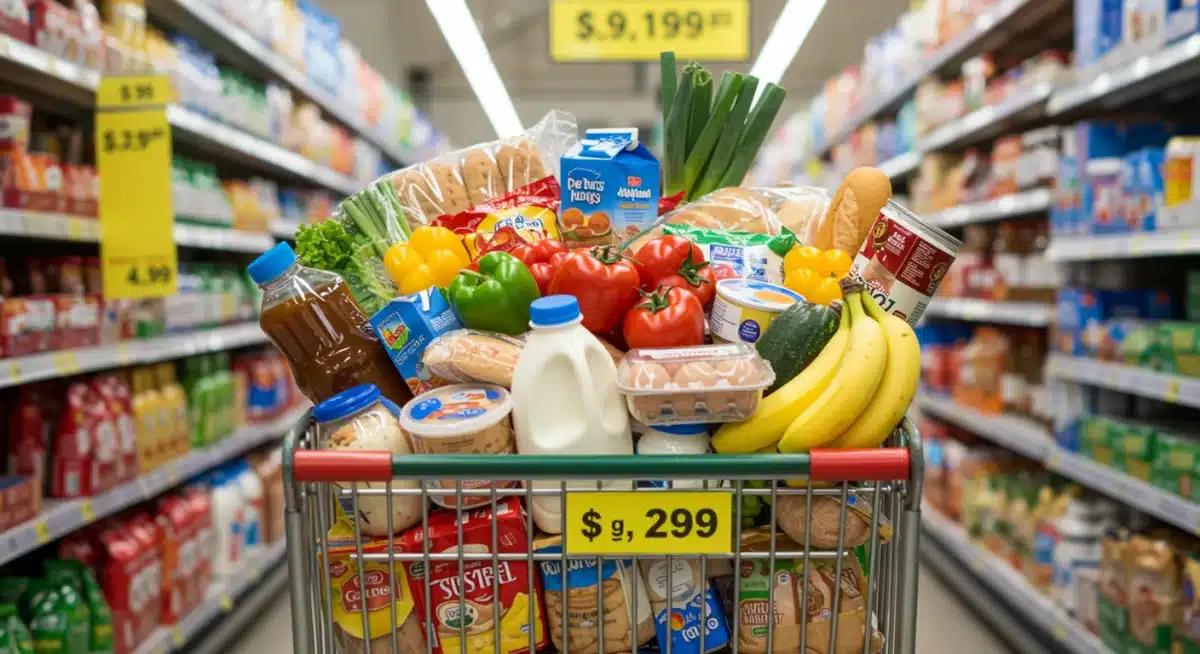
Beyond groceries, the cost of dining out has also increased, making home-cooked meals an even more attractive and necessary option for many families looking to save money. The cumulative effect of these price increases demands a proactive approach to food budgeting.
Housing and utility costs in an inflationary period
Housing, typically the largest expense for most households, is also not immune to inflationary pressures. Rent increases, higher mortgage rates, and escalating utility bills are placing significant burdens on American families. Understanding these dynamics is crucial for long-term financial planning.
Whether you own or rent, the cost of keeping a roof over your head and maintaining a comfortable living environment has risen. These increases often represent fixed or semi-fixed costs that are harder to cut back on, making them particularly challenging for household budgets.
Navigating rising housing expenses
For renters, lease renewals often come with increased monthly payments. Homeowners face higher property taxes and insurance premiums, alongside potentially steeper mortgage interest rates if they are on adjustable-rate mortgages or looking to refinance.
Negotiating rent: Some renters may find success in discussing lease terms with landlords, especially in less competitive markets.
Energy efficiency upgrades: Investing in energy-efficient appliances or making small home improvements can reduce utility bills over time.
Exploring refinancing options: Homeowners with high-interest mortgages might still find opportunities to refinance, though the current rate environment makes this less broadly appealing than in recent years.
Utilities, driven by energy costs, are another significant concern. Electricity, gas, and water bills have all seen upward trends. Implementing energy-saving habits and exploring alternative energy providers can offer some relief.
These strategies aim to mitigate the financial strain imposed by the rising cost of housing and essential services, ensuring that families can maintain their living situations without excessive financial stress.
Transportation and fuel budget adjustments
Transportation costs, particularly fuel prices, are highly sensitive to inflation and global events. For many US households, commuting to work, running errands, and traveling for leisure all become significantly more expensive when gas prices spike. This necessitates a re-evaluation of travel habits and choices.
The ripple effect of higher fuel costs extends beyond the gas pump, influencing the price of goods delivered by truck and the cost of public transportation. Adapting to these changes requires both immediate behavioral adjustments and potentially longer-term planning.
Strategies for reducing transportation costs
With gas prices fluctuating, households are actively seeking ways to reduce their dependence on personal vehicles or make their current modes of transport more economical. Small changes can add up to significant savings over time.
Consolidate trips: Planning errands to combine multiple stops into one outing saves on fuel and time.
Public transportation: Utilizing buses, trains, or carpooling can be a cost-effective alternative to driving alone.
Vehicle maintenance: Keeping tires properly inflated and ensuring regular engine maintenance can improve fuel efficiency.
Consider electric or hybrid vehicles: While a larger upfront investment, these vehicles offer long-term savings on fuel costs and maintenance.
Beyond daily commutes, families might also consider reducing discretionary travel or opting for closer, more affordable destinations for vacations. These adjustments help to cushion the impact of rising fuel costs on the overall household budget.
Embracing these strategies can help families regain some control over their transportation expenses, which are often a considerable portion of their monthly outgoings. Proactive planning is key to mitigating these inflationary pressures.
Financial planning and budgeting in an inflationary environment
Effective financial planning and rigorous budgeting are more critical than ever when inflation is high. Households need to gain a clear understanding of their income and expenses to identify areas where adjustments can be made.
This proactive approach helps in maintaining financial stability and even identifying opportunities for growth.
A well-structured budget acts as a roadmap, guiding spending decisions and ensuring that essential needs are met while also addressing financial goals. In an inflationary period, this roadmap needs to be reviewed and revised more frequently to stay relevant.
Revisiting and revising your budget
The traditional budgeting approach may require modifications to account for rapidly changing prices. It’s not just about cutting costs, but also about optimizing spending and protecting savings.
Track every dollar: Use budgeting apps or spreadsheets to monitor all income and expenditures, providing a clear picture of where money is going.
Prioritize needs over wants: Distinguish between essential expenses (housing, food, utilities) and discretionary spending (entertainment, dining out) to make informed cuts.
Build an emergency fund: A robust emergency fund provides a crucial safety net against unexpected expenses or further economic downturns.
Review subscriptions and services: Cancel unused subscriptions and negotiate better rates for services like internet and insurance.
In addition to cutting costs, consider ways to increase income, such as taking on a side hustle or negotiating a raise. Diversifying income streams can provide a stronger financial buffer against inflationary pressures.

Regularly reviewing your budget, ideally monthly, allows you to adapt to new price realities and ensure your financial plan remains aligned with your current economic situation and goals. This continuous process is vital for long-term financial health.
Long-term strategies for financial resilience
While immediate adjustments to spending and budgeting are crucial, developing long-term strategies is equally important for building financial resilience against ongoing or future inflationary periods. These strategies involve protecting savings, making smart investment choices, and continually seeking ways to enhance financial acumen.
Building resilience means not just reacting to inflation but proactively positioning your finances to withstand economic shocks. This holistic approach considers all aspects of your financial life, from debt management to retirement planning.
Protecting savings and investments
Inflation erodes the value of cash over time, making it essential to consider how your savings and investments are performing relative to the inflation rate. Simply letting money sit in a low-interest savings account means losing purchasing power.
Inflation-indexed investments: Explore options like Treasury Inflation-Protected Securities (TIPS) designed to protect against inflation.
Diversify investments: A well-diversified portfolio that includes stocks, real estate, and commodities can offer better protection against inflation than a concentrated one.
Evaluate debt: High-interest debt can become more burdensome during inflationary periods. Prioritize paying down consumer debt.
Invest in yourself: Acquiring new skills or furthering education can lead to higher earning potential, a powerful hedge against inflation.
Real estate, historically, has been considered a hedge against inflation, as property values and rental incomes tend to rise with general price levels. However, this also comes with its own set of risks and requires careful consideration.
Ultimately, the goal is to ensure that your money is working for you, not losing value to inflation. Consulting with a financial advisor can provide personalized guidance on how to best structure your investments and savings for long-term resilience.
Government and community resources for support
Navigating the challenges of inflation doesn’t have to be a solitary journey. Various government programs, community organizations, and non-profits offer resources and support to help US households cope with rising costs. Awareness and utilization of these resources can provide much-needed relief and guidance.
These resources range from financial assistance programs to educational initiatives designed to empower individuals with the knowledge and tools to manage their finances more effectively. Knowing where to look for help is a critical part of a comprehensive adjustment strategy.
Accessing available aid and guidance
Many programs are designed to assist with specific expenses that are heavily impacted by inflation, such as food, housing, and energy. Eligibility requirements vary, so it’s important to research what’s available in your area.
SNAP (Supplemental Nutrition Assistance Program): Provides food assistance to low-income individuals and families.
LIHEAP (Low Income Home Energy Assistance Program): Helps eligible households with heating and cooling costs.
Housing assistance programs: Local and federal programs offer support for rent, mortgage payments, and preventing homelessness.
Credit counseling services: Non-profit organizations offer free or low-cost counseling to help manage debt and create budgets.
Community food banks and pantries are also vital resources for families struggling with rising grocery costs. These organizations often provide more than just food, sometimes offering connections to other support services.
Staying informed about these options and not hesitating to seek help when needed can significantly alleviate the pressure of inflation on household budgets. Many of these programs are designed to be temporary bridges during difficult economic times.
| Key Adjustment Strategy | Brief Description |
|---|---|
| Revisit Budget Regularly | Continuously track income and expenses, prioritizing needs and adjusting spending to reflect current prices. |
| Optimize Spending Habits | Focus on smart grocery shopping, reducing transportation costs, and cutting discretionary expenses. |
| Protect Savings & Investments | Explore inflation-indexed investments and diversify portfolios to preserve purchasing power. |
| Utilize Available Resources | Leverage government and community programs for financial assistance and guidance. |
Frequently asked questions about inflation and household budgets
Current US inflation stems from a combination of factors including global supply chain disruptions, increased consumer demand post-pandemic, volatile energy prices, and labor shortages. These elements collectively drive up the cost of goods and services across various sectors of the economy.
Inflation reduces purchasing power by increasing the cost of goods and services. Essentially, each dollar buys less than it did before. Households must spend more money to acquire the same quantity of items, thereby stretching their budgets thinner and potentially forcing cuts in discretionary spending.
Immediate steps include creating a detailed budget to track spending, prioritizing essential expenses, reducing discretionary purchases, and seeking ways to save on recurring costs like groceries and transportation. Regularly reviewing and adapting the budget is also crucial.
Long-term strategies include investing in inflation-protected securities (TIPS), diversifying investment portfolios with assets like real estate or commodities, paying down high-interest debt, and investing in personal skills to increase earning potential. These measures aim to preserve or grow wealth over time.
Where can US households find support and resources during inflationary times?

During periods of rising inflation, many US households face increased pressure from higher costs of food, housing, utilities, and transportation. Fortunately, a wide range of government programs, nonprofit services, and community-based resources are available to provide both immediate relief and long-term financial stability.
Government Assistance Programs
Federal and state programs are often the first line of support for families managing tighter budgets:
Supplemental Nutrition Assistance Program (SNAP): Helps eligible households purchase groceries through an EBT card, reducing the burden of rising food prices.
Low Income Home Energy Assistance Program (LIHEAP): Assists with heating and cooling bills, especially critical during extreme weather seasons.
Medicaid & CHIP: Provide low-cost or free healthcare coverage, helping families avoid high medical expenses.
Housing assistance programs: Including Section 8 vouchers and rental relief initiatives, which help stabilize housing costs.
These programs are designed to ensure that essential needs—food, shelter, and healthcare—remain accessible even during economic strain.
Community Organizations and Local Support
Local communities play a vital role in helping households navigate inflation:
Food banks and pantries: Offer free groceries and essential supplies. Organizations like Feeding America operate nationwide networks.
Religious institutions and charities: Many provide emergency financial aid, meals, or utility assistance.
Local mutual aid groups: Grassroots networks where neighbors support each other directly with resources and services.
These resources are often more flexible and accessible, especially for those who may not qualify for federal programs.
Nonprofit Financial Counseling and Budget Support
Beyond immediate assistance, households can benefit from expert guidance to manage their finances more effectively:
National Foundation for Credit Counseling (NFCC): Offers free or low-cost financial counseling, debt management plans, and budgeting advice.
Consumer Credit Counseling Services (CCCS): Help individuals negotiate with creditors and create sustainable repayment plans.
Financial literacy programs: Many nonprofits and community centers provide workshops on budgeting, saving, and debt reduction.
These services empower households to adapt their financial habits, build resilience, and make informed decisions during uncertain economic times.
Conclusion
The persistent challenge of inflation on US household budgets demands a multifaceted and adaptable approach. From the immediate need to scrutinize daily spending to the strategic imperative of long-term financial planning, navigating these economic shifts requires both diligence and informed decision-making.
By understanding the underlying causes of inflation, making conscious adjustments to expenses in key areas like food, housing, and transportation, and proactively seeking out available support resources, American families can build greater resilience.
Ultimately, financial well-being in an inflationary era hinges on a commitment to continuous learning, careful budgeting, and strategic adaptation, ensuring that households are not just surviving but thriving amidst evolving economic landscapes.