Is the ‘Clean Girl’ Aesthetic Over? US Beauty Standards Shift
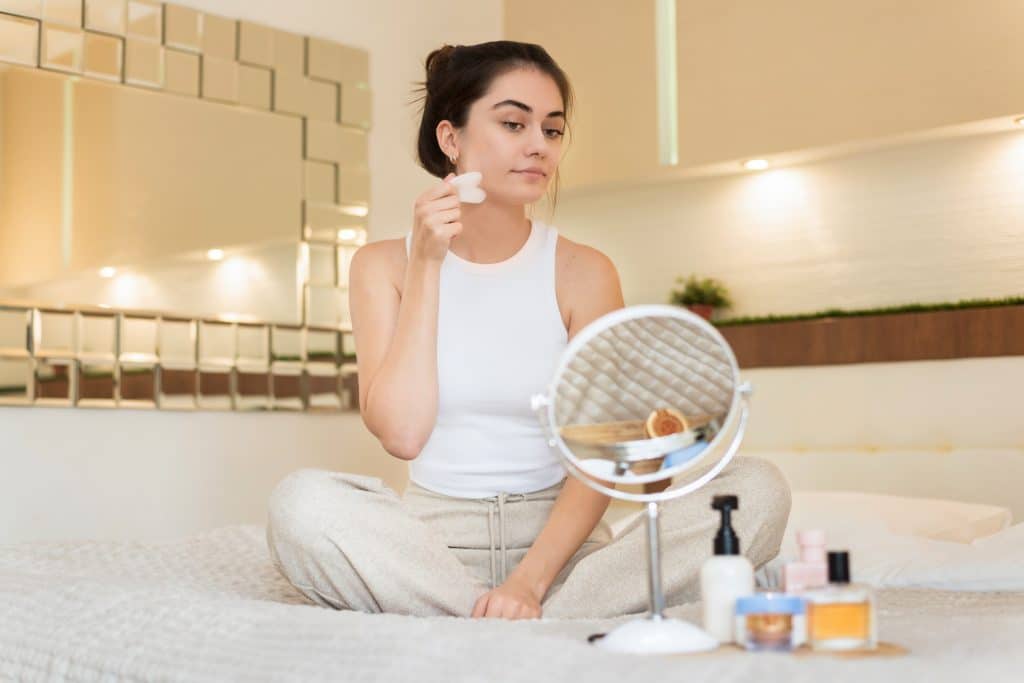
For years, the internet has buzzed with the allure of the Clean Girl Aesthetic Over, a look defined by dewy skin, slicked-back hair, and a ‘less is more’ approach to makeup. But is this era of effortless perfection truly coming to an end in the US beauty landscape? Let’s explore the evolving trends and what might be next.
Defining the ‘Clean Girl’ Aesthetic
The ‘Clean Girl’ aesthetic emerged as a dominant force in beauty, captivating audiences with its emphasis on natural beauty enhanced by strategic, minimalist products.
This trend wasn’t just about makeup; it encompassed a lifestyle of wellness, self-care, and a polished, understated elegance that resonated deeply with many.
At its core, the ‘Clean Girl’ look prioritized healthy, glowing skin achieved through meticulous skincare routines. Makeup was applied sparingly, focusing on enhancing natural features rather than masking them.
This philosophy aligned with a broader cultural shift towards authenticity and self-acceptance, encouraging individuals to embrace their inherent beauty with confidence.
Key Characteristics of the Look
Understanding the defining elements helps to contextualize its impact and subsequent evolution. The look was highly specific, almost a uniform for a certain aspiration.
Minimalist Makeup: Light coverage foundation or tinted moisturizer, brushed-up brows, a touch of blush, and a clear or nude lip gloss were staples.
Radiant Skin: A strong emphasis on a glowy, dewy complexion achieved through extensive skincare, hydration, and strategic highlighting.
Slicked-Back Hair: Often styled in a sleek bun or ponytail, contributing to the polished and effortless vibe.
Understated Fashion: Complementary neutral-toned clothing, often athletic-inspired or classic, reinforcing the ‘put-together’ yet casual persona.
The Underlying Philosophy
Beyond the visual components, the ‘Clean Girl’ aesthetic promoted a lifestyle of intentionality. It suggested that true beauty stemmed from well-being, both internal and external.
This aspirational element played a significant role in its widespread adoption, especially among younger demographics seeking a sense of control and refinement in their daily lives.
The ‘Clean Girl’ aesthetic offered a refreshing counterpoint to heavily contoured and dramatic makeup trends, advocating for a return to simplicity.
Its accessibility, with many of the core products being relatively affordable and techniques easy to master, also contributed to its broad appeal across various socioeconomic groups in the United States.
The Rise and Reign of Minimalist Beauty
Minimalist beauty, exemplified by the ‘Clean Girl’ aesthetic, didn’t just appear overnight; it was the culmination of several converging trends and cultural shifts in the US.
This movement gained significant traction as consumers became more educated about ingredients, sustainability, and the desire for products that offered tangible benefits beyond mere cosmetic enhancement.
The pandemic, ironically, played a pivotal role in accelerating this trend. With more time spent at home and less emphasis on formal appearances, many embraced simpler routines.
The focus shifted from elaborate makeup to nurturing skin health, creating a fertile ground for the ‘Clean Girl’ to flourish as the ideal of effortless, natural glow.
Social Media’s Amplifying Role
Platforms like TikTok and Instagram were instrumental in popularizing and disseminating the ‘Clean Girl’ aesthetic. Short-form videos demonstrating quick, effective routines, coupled with aspirational lifestyle content, made the look seem achievable and desirable.
Influencers became the arbiters of this new beauty standard, showcasing their ‘five-minute faces’ and ‘get ready with me’ routines.
Tutorials and Hacks: Countless videos broke down the look into easily digestible steps, making it accessible to a mass audience.
Aspirational Content: Influencers paired their beauty routines with wellness practices, healthy eating, and chic, minimalist fashion, creating a holistic lifestyle package.
Community Building: Hashtags and challenges fostered a sense of community around the aesthetic, encouraging participation and sharing of personal interpretations.
Why it Resonated with Americans
The ‘Clean Girl’ aesthetic tapped into a desire for authenticity and a rejection of overly complicated beauty routines. For many Americans, it offered a sense of control and a way to present a polished yet approachable image.
It also aligned with growing concerns about product overload and the environmental impact of excessive consumption, promoting a more conscious approach to beauty.
This minimalist approach also offered a perceived sense of maturity and sophistication. It suggested that one was confident enough to not rely on heavy makeup, signaling a deeper self-assurance. The aesthetic’s widespread appeal demonstrated a collective yearning for simplicity and a return to what many considered ‘classic’ beauty, adapted for the modern era.
Signs of a Shift: Is the ‘Clean Girl’ Aesthetic Over?
While the ‘Clean Girl’ aesthetic has enjoyed a prolonged moment in the spotlight, there are increasingly noticeable signs that its reign might be waning, or at least evolving significantly.
The beauty landscape is notoriously cyclical, and what was once fresh and innovative can quickly become ubiquitous and, eventually, a little stale. This natural progression is now evident as new, more expressive trends begin to capture public attention.
One of the clearest indicators of this shift is the emergence of counter-trends that deliberately move away from the minimalist ideal.
From bold makeup choices to more elaborate hairstyles, consumers are experimenting with looks that stand in stark contrast to the understated elegance of the ‘Clean Girl.’ This pushback suggests a growing desire for individuality and creativity that the minimalist aesthetic, by its very nature, tends to limit.
Emerging Counter-Trends
The beauty industry thrives on novelty, and after years of subtle enhancements, many are craving something more dramatic and fun. This has led to the rise of several distinct styles.
Maximalist Makeup: Think vibrant eyeshadows, graphic liners, heavy blush, and intricate lip looks. This is a direct rejection of the ‘no-makeup makeup’ philosophy.
Grunge Revival: A resurgence of darker, smudged eyeliners, berry-toned lips, and a generally moodier aesthetic, reminiscent of 90s fashion.
‘Mob Wife’ Aesthetic: Characterized by voluminous hair, dramatic makeup, and overtly glamorous fashion, emphasizing opulence and confidence.
Critiques and Inclusivity Concerns
Beyond the natural ebb and flow of trends, the ‘Clean Girl’ aesthetic has also faced increasing scrutiny, particularly regarding its perceived lack of inclusivity.
While seemingly universal, the look often presented a narrow ideal of beauty that was difficult for many to achieve without significant privilege or specific genetic predispositions.
Critics argued that the ‘effortless’ look often required extensive and expensive skincare routines, professional treatments, and a certain type of natural beauty that wasn’t universally attainable.
This led to feelings of exclusion for those who didn’t fit the mold, prompting a demand for more diverse and representative beauty narratives. The conversation around whether the Clean Girl Aesthetic Over is truly over often intersects with these important discussions about representation.
The Influence of Social Media on Shifting Beauty Norms
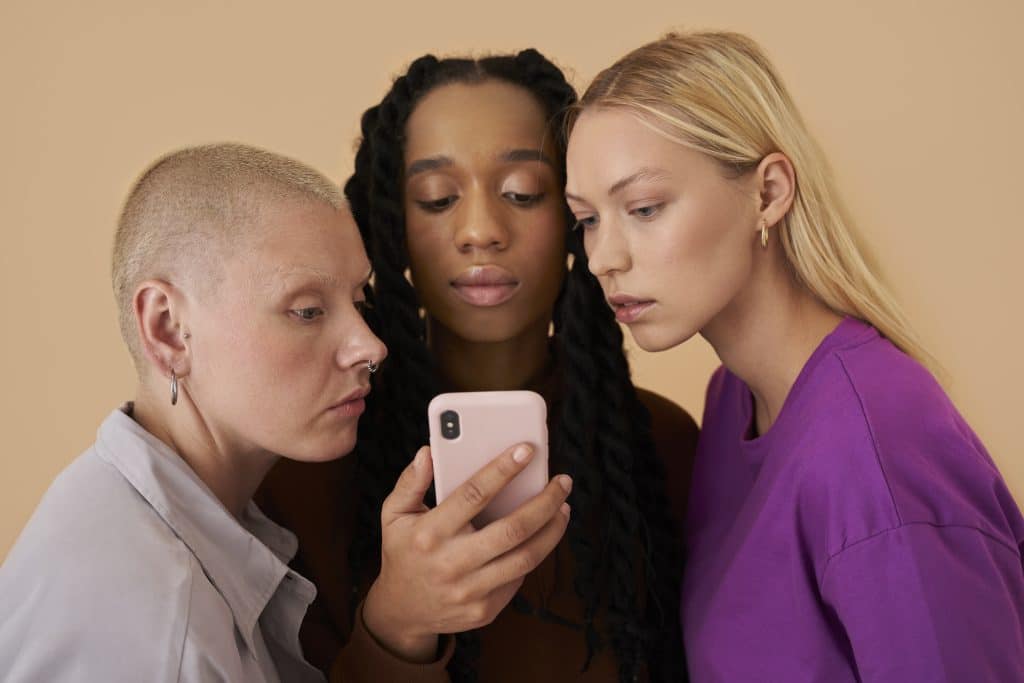
Social media platforms remain the primary drivers of beauty trends, but their influence is becoming more nuanced and fragmented.
While once powerful in establishing a singular aesthetic like the ‘Clean Girl,’ these platforms now facilitate a rapid proliferation of micro-trends, allowing for greater experimentation and diverse expressions. This dynamic environment means that no single aesthetic can dominate for as long as it once might have.
The algorithms of platforms like TikTok and Instagram are constantly evolving, pushing new content and creators to the forefront.
This constant refresh means that users are exposed to a broader spectrum of styles, from hyper-realism to fantastical looks, fostering an environment where niche aesthetics can quickly gain traction. This fragmentation actively works against the long-term dominance of any single, overarching trend.
TikTok and the Trend Cycle Acceleration
TikTok, in particular, has revolutionized the pace of trend cycles. What once took months or even years to evolve now shifts in a matter of weeks. The platform’s short-form video format encourages quick adoption and adaptation of trends, leading to a constant churn of new aesthetics.
Micro-trends: Specific looks or products gain viral status for a short period before being replaced by the next big thing.
Democratization of Beauty: More diverse voices and styles are able to find an audience, challenging traditional beauty gatekeepers.
DIY and Experimentation: Users are encouraged to try out new looks and share their interpretations, fostering a culture of creative self-expression.
From Aspiration to Authenticity
There’s a noticeable shift from aspirational perfection to a celebration of authenticity and individuality on social media.
While the ‘Clean Girl’ aesthetic often presented an idealized, sometimes unattainable, image, newer trends lean into personal expression, embracing quirks and imperfections. This move towards ‘realness’ resonates with a generation that values genuine connection over curated perfection.
This evolving landscape suggests that while the core tenets of healthy skin and self-care will likely remain, the rigid adherence to a specific ‘Clean Girl’ look is becoming less relevant.
Social media is now a space where multiple beauty ideals can coexist, and where personal interpretation is often celebrated more than strict adherence to a trend. This dynamic ensures that the question of whether the Clean Girl Aesthetic Over is not about replacement, but rather expansion.
The Resurgence of Expressive and Bold Beauty
As the pendulum swings away from the understated charm of the ‘Clean Girl’ aesthetic, the US beauty scene is witnessing a vibrant resurgence of expressive and bold looks.
This shift represents a collective desire for creativity, individuality, and a return to the joyful, transformative power of makeup. It’s a clear signal that many are ready to move beyond subtle enhancements and embrace more impactful statements.
This renewed interest in bold beauty is not merely a rejection of minimalism; it’s an affirmation of personal style and the role of makeup as an art form.
Consumers are seeking products and techniques that allow them to experiment, play, and showcase different facets of their personalities. This movement is characterized by a lack of strict rules, encouraging a more fluid and adventurous approach to beauty.
Key Features of the New Boldness
The current wave of expressive beauty encompasses a wide range of styles, but certain themes consistently emerge, highlighting a departure from previous norms.
Vibrant Color Palettes: Eyeshadows, eyeliners, and even blushes are appearing in an array of bright, unconventional colors.
Texture Play: Glitter, metallics, and glossy finishes are being used strategically to add dimension and visual interest.
Artistic Details: Graphic liners, face gems, and intricate designs are turning makeup into wearable art.
Statement Lips: Bold reds, deep berries, and even unconventional shades like blues and greens are making a strong comeback.
Celebrity and Influencer Impact
Celebrities and prominent beauty influencers are at the forefront of this expressive movement, showcasing daring looks on red carpets, social media, and in their daily lives.
Their willingness to experiment and challenge conventional beauty standards inspires their millions of followers to do the same. This trickle-down effect quickly translates into mainstream trends, making bold beauty more accessible and desirable.
From editorial campaigns to everyday street style, the visibility of these bold looks is normalizing what might have once been considered avant-garde. This cultural embrace of expressive beauty confirms that the conversation around whether the Clean Girl Aesthetic Over might be less about its demise and more about making space for a richer, more varied beauty dialogue.
The Future of US Beauty Standards: Hybrid and Inclusive
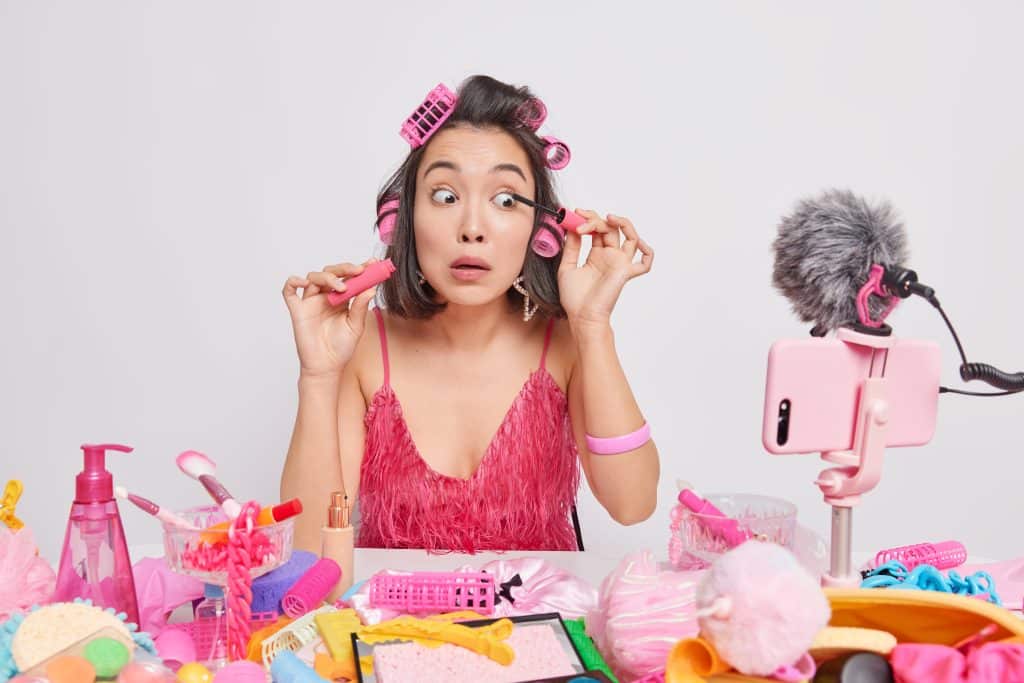
As we look ahead, the future of US beauty standards appears to be less about a singular dominating aesthetic and more about a diverse, hybrid, and increasingly inclusive landscape. The rigid definitions that once characterized beauty trends are giving way to a more fluid and personalized approach, where individuals feel empowered to define beauty on their own terms.
This evolution is a direct response to cultural shifts, technological advancements, and a growing demand for authenticity and representation.
The idea that one look must replace another is becoming outdated. Instead, expect to see a coexistence of various styles, where elements of minimalism can blend seamlessly with moments of maximalist expression.
This pick-and-choose approach allows for greater creativity and ensures that beauty remains a tool for self-expression rather than a conformity requirement.
Personalization and Customization
One of the strongest drivers of future beauty trends will be personalization. Consumers are increasingly seeking products and routines tailored to their specific needs, skin types, and aesthetic preferences.
This goes beyond shade matching; it encompasses customized skincare formulations, bespoke makeup palettes, and even AI-driven recommendations that cater to individual desires. The era of one-size-fits-all beauty is definitively over.
AI-Powered Beauty: Tools that analyze skin concerns or recommend products based on personal data.
DIY and Mix-and-Match: Encouraging users to create their own unique looks and combine different trends.
Sustainable and Ethical Choices: A growing demand for products that align with personal values, influencing purchasing decisions.
Embracing Authenticity and Diversity
Inclusivity will continue to be a non-negotiable aspect of beauty standards. Brands and media platforms are under increasing pressure to represent a wider range of skin tones, body types, ages, and gender identities.
This commitment to diversity is not just about marketing; it’s about fundamentally reshaping what is considered beautiful and ensuring that everyone feels seen and celebrated within the beauty narrative.
The conversation around whether the Clean Girl Aesthetic Over is truly over is less about a definitive ending and more about its integration into a broader, more accepting beauty philosophy.
The future is bright for a beauty landscape where individual expression reigns supreme, and where the lines between different aesthetics blur to create something uniquely personal and authentically American.
Navigating Beauty Trends in a Digital Age
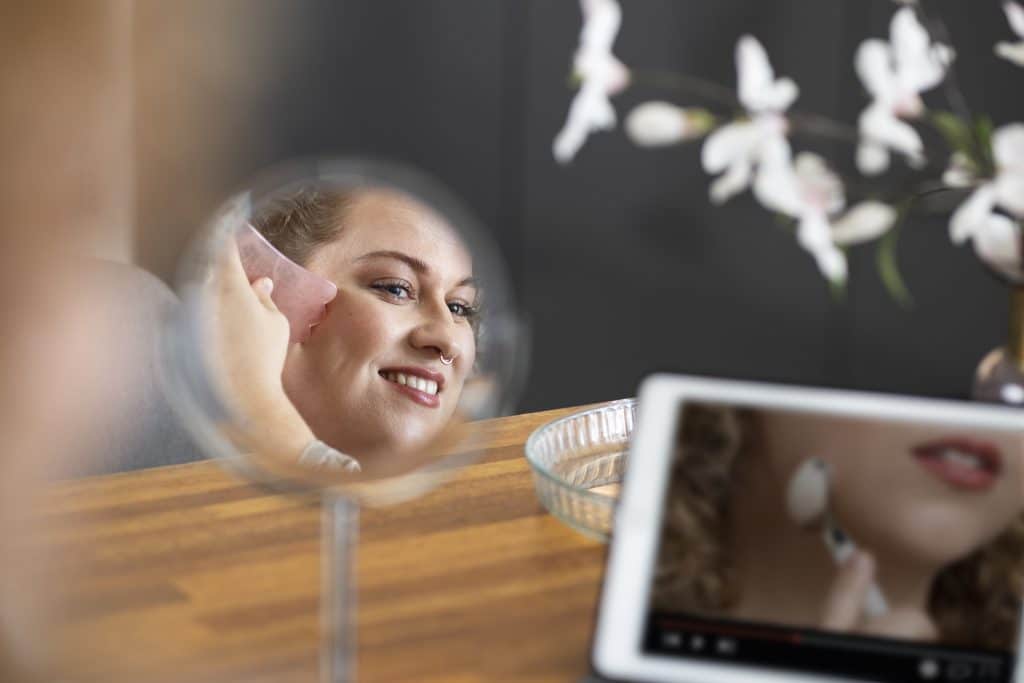
In our hyper-connected world, navigating beauty trends has become a dynamic and often overwhelming experience. The digital age, particularly through social media, has democratized access to beauty information and inspiration, but it has also accelerated the trend cycle to an unprecedented pace.
For consumers, this means a constant influx of new aesthetics, products, and techniques, making it challenging to discern what truly resonates with personal style versus fleeting fads.
The key to thriving in this environment is not to blindly follow every new trend, but to cultivate a discerning eye and a strong sense of self.
Understanding how trends emerge, evolve, and ultimately dissipate can empower individuals to make informed choices that align with their values and preferences, rather than feeling pressured to conform to every passing aesthetic.
The Role of Critical Consumption
With so much content available, critical consumption of beauty media is more important than ever. This involves questioning the narratives presented by influencers and brands, understanding the commercial motivations behind trends, and recognizing that what looks ‘effortless’ on screen often involves significant effort or resources behind the scenes.
Fact-Checking Claims: Verifying product efficacy and ingredient lists rather than relying solely on influencer endorsements.
Identifying Authenticity: Distinguishing genuine recommendations from sponsored content or paid promotions.
Challenging Unrealistic Ideals: Recognizing when trends promote unattainable standards of beauty and choosing to disengage from them.
Cultivating Personal Style and Well-being
Ultimately, the most sustainable approach to beauty in a digital age is to prioritize personal style and overall well-being over strict adherence to trends.
This means experimenting with different looks, understanding what makes one feel confident and comfortable, and investing in products and routines that support skin health and self-care rather than chasing an idealized image.
Whether the Clean Girl Aesthetic Over is truly over or merely transforming, the enduring lesson is that beauty is a journey of self-discovery and expression. Embracing this journey with an open mind and a critical perspective ensures that one remains in control of their own beauty narrative, regardless of what the latest social media sensation dictates.
| Key Aspect | Brief Description |
|---|---|
| Clean Girl Aesthetic | Minimalist makeup, radiant skin, slicked-back hair; emphasizes natural beauty and wellness. |
| Emerging Shifts | Movement towards maximalist, expressive, and bold makeup; rejection of strict minimalism. |
| Social Media Role | Accelerates trend cycles, democratizes diverse looks, shifts from aspiration to authenticity. |
| Future of Beauty | Hybrid, inclusive, and personalized; focus on individual expression and well-being over rigid trends. |
Frequently Asked Questions About Beauty Trends
No, the ‘Clean Girl’ aesthetic isn’t entirely gone but is evolving. While its strict dominance is lessening, its core principles of healthy skin and minimalist enhancement remain influential. It’s now part of a broader, more diverse beauty landscape that embraces various styles simultaneously.
Instead of a single replacement, there’s a rise in expressive and bold beauty. Trends like maximalist makeup, grunge revival, and the ‘Mob Wife’ aesthetic are gaining traction, emphasizing vibrant colors, dramatic looks, and personal creativity over minimalism.
Social media, especially TikTok, has accelerated trend cycles, fostering micro-trends and democratizing diverse beauty expressions. It has shifted focus from aspirational perfection to authenticity, allowing more varied looks to gain visibility and acceptance.
Yes, there’s a strong push towards more inclusive beauty standards in the US. Brands and media are increasingly representing diverse skin tones, body types, ages, and gender identities, moving away from narrow ideals and celebrating individual beauty in all its forms.
The future of beauty trends will likely be hybrid and highly personalized. Expect a coexistence of various styles, with an emphasis on individual expression, customization, and well-being. Authenticity and sustainability will also play crucial roles in shaping upcoming beauty narratives.
Conclusion
The question of whether the Clean Girl Aesthetic Over is truly over in the US is not a simple yes or no; rather, it signifies a dynamic evolution within the broader beauty landscape. While the minimalist, natural look has certainly seen its peak, its core principles of healthy skin and understated elegance are likely to endure, albeit integrated into a more diverse and inclusive framework.
The evolving beauty landscape suggests that the clean aesthetic is no longer the only dominant trend, as consumers increasingly embrace self-expression and individuality. Bold makeup looks, personalized skincare routines, and creative fashion choices are becoming more popular, reflecting a broader cultural shift toward authenticity and diversity.
While the clean girl style still influences modern beauty standards, the future of American beauty is moving toward a more vibrant, varied, and uniquely personal approach that encourages everyone to define their own identity.