Is the Side Part Back? Debating the Latest Hair Trend Dividing the US
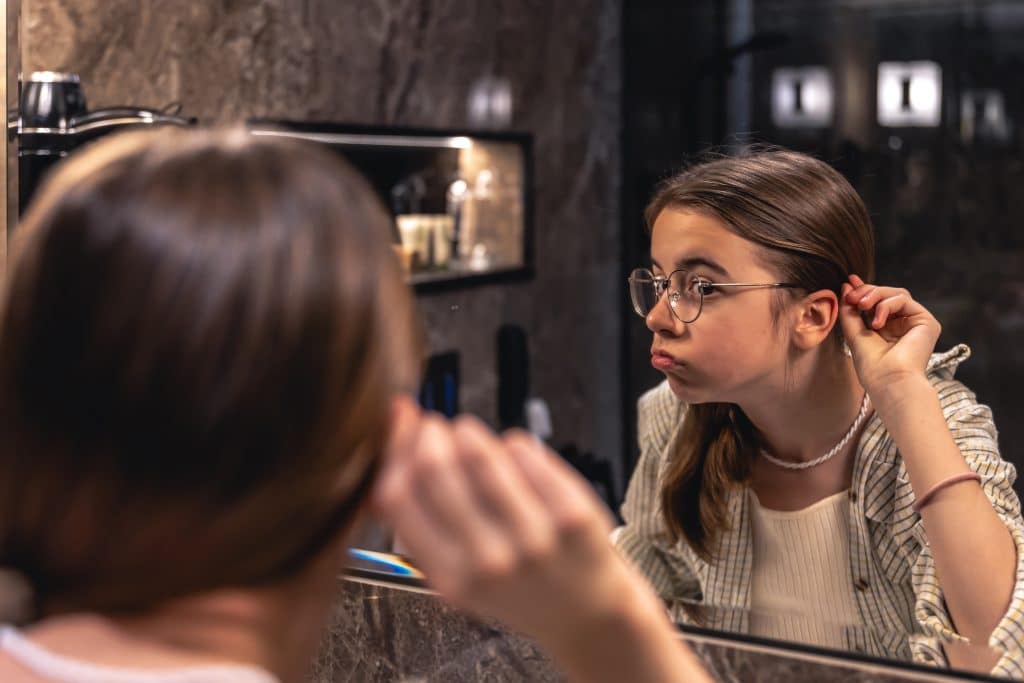
The return of the side part hairstyle is currently dividing the US, igniting a generational debate over whether this classic look is a stylish resurgence or an outdated trend.
The world of fashion and beauty is constantly in flux, with trends cycling through popularity like clockwork. But few hair phenomena have sparked as much passionate discussion as the question: Is the Side Part Back? Debating the Latest Hair Trend Dividing the US.
What was once a universally accepted, even sophisticated, hairstyle has become a surprising battleground, pitting generations against each other in a lighthearted yet fervent debate.
This article delves into the unexpected resurgence of the side part, exploring its origins, its fall from grace, and why its comeback is causing such a stir across the nation.
The Great Hair Divide: Gen Z vs. Millennials
The conversation around the side part isn’t just about hair; it’s a fascinating look into generational preferences and cultural shifts.
For years, the middle part reigned supreme, particularly among younger demographics. Its sleek, symmetrical appeal became synonymous with modern aesthetics and minimalist fashion, pushing the side part into what many considered stylistic obsolescence.
However, fashion is cyclical, and what’s old often becomes new again. The side part, once deemed a hallmark of an older generation, is subtly re-emerging, challenging the established norms and forcing a re-evaluation of what constitutes a ‘modern’ hairstyle.
This return is not uniform, nor is it universally embraced, leading to some amusing, and at times, pointed, discussions.
The Rise of the Middle Part
Symmetry and Balance: The middle part offers a clean, balanced look that complements many face shapes.
Modern Aesthetic: It became a staple in minimalist and contemporary fashion circles.
Celebrity Influence: Many influential figures adopted the middle part, solidifying its trend status.
Side Part’s Perceived Obsolescence
Association with the Past: For a period, it was seen as a relic of previous decades, particularly the early 2000s or even earlier.
‘Aging’ Perception: Some younger individuals associated it with older generations, making it seem less ‘fresh’.
Styling Challenges: For certain hair types, maintaining a perfect side part can be more challenging than a middle part.
The dynamic between Gen Z and Millennials, often amplified on social media platforms, has turned this hair debate into a cultural touchstone.
While Millennials might feel a nostalgic pull towards the side part, Gen Z, largely raised on the middle part aesthetic, views its return with skepticism, often humorously labeling it as an ‘elderly’ style.
This divide highlights how deeply personal style choices can become intertwined with generational identity, sparking discussions that go beyond mere aesthetics to touch upon broader cultural values and perceptions of ‘cool’.
A Historical Look at the Side Part’s Enduring Appeal
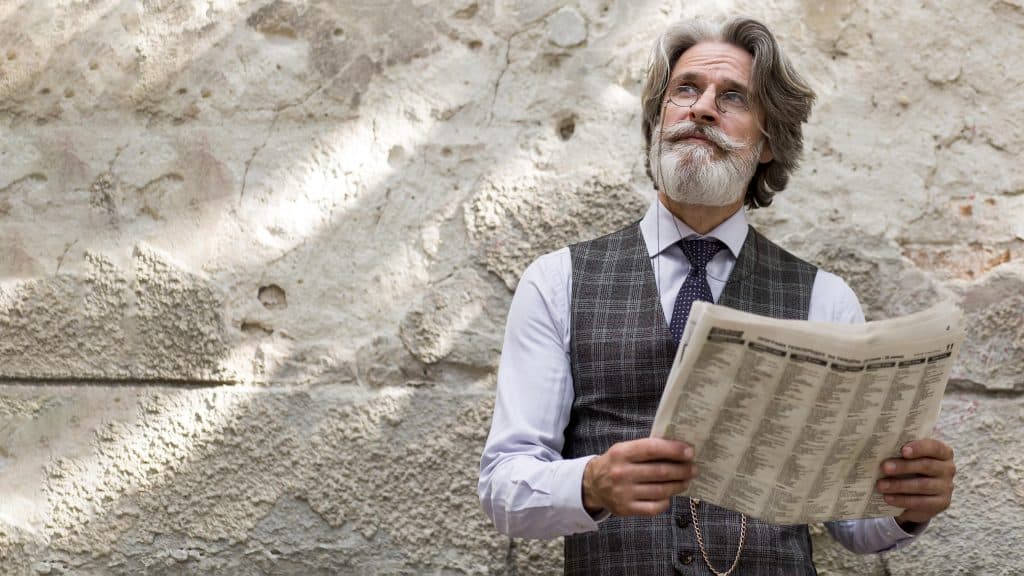
To understand the current debate, it’s essential to trace the side part’s long and varied history. This isn’t a new or fleeting style; it has been a consistent presence in fashion for over a century, adapting and evolving with each era. Its enduring appeal lies in its versatility and its ability to convey different messages, from formal elegance to rebellious charm.
From the structured waves of the 1920s flappers to the slicked-back looks of mid-century Hollywood idols, the side part has consistently delivered a sense of sophistication and deliberate styling.
It offers a clear, defined line that can frame the face beautifully, highlighting features and adding a touch of classic glamour. This historical context is crucial, as it reminds us that trends rarely disappear forever; they simply hibernate, waiting for the right moment to re-emerge with a fresh interpretation.
The Golden Age of the Side Part
In the early to mid-20th century, the side part was practically the default for both men and women. It symbolized an era of structured beauty and formal presentation.
Think of the iconic looks of movie stars like Cary Grant or Audrey Hepburn, whose side-parted hair exuded timeless elegance. This period established the side part as a symbol of refinement and maturity.
Evolution Through Decades
1950s & 60s: Maintained its popularity, often paired with voluminous styles for women and neat, combed-over looks for men.
1970s & 80s: While the middle part gained traction with the hippie movement, the side part still held its own, particularly in more corporate or polished aesthetics.
1990s & Early 2000s: Saw a significant resurgence, becoming a dominant style for pop stars, actors, and everyday individuals, often styled with bangs or layers.
The cyclical nature of fashion means that styles that once defined an era eventually return, often with a modern twist. The side part’s longevity is a testament to its fundamental aesthetic appeal and its adaptability.
Understanding this history helps contextualize why it’s making waves again, not just as a fleeting trend, but as a style with deep roots in cultural expression.

Social Media’s Role in Amplifying the Hair Debate
In today’s interconnected world, no trend can truly take hold or fade away without the powerful influence of social media.
Platforms like TikTok, Instagram, and X (formerly Twitter) have become the primary battlegrounds for the side part debate, turning what might have once been a quiet shift in fashion into a viral phenomenon.
Videos showcasing individuals trying on different parts, or humorously lamenting the ‘outdated’ nature of the side part, have garnered millions of views, fueling the conversation and solidifying the generational divide.
For Gen Z, who largely grew up with the middle part as the dominant style, the side part often symbolizes an aesthetic they associate with their parents’ generation or early 2000s fashion they deem ‘cringey.’ This perspective is often expressed through playful mockery, creating a distinct online culture around the debate.
Millennials, on the other hand, often defend the side part with a mix of nostalgia and genuine appreciation for its versatility, sometimes pushing back against the younger generation’s pronouncements with equal fervor.
TikTok: The Epicenter of the Debate
Viral Videos: Users post short, engaging videos comparing side and middle parts, often using humor and exaggerated reactions.
Generational Challenges: Specific challenges emerge where users try on the ‘opposing’ part, generating widespread discussion.
Influence on Trends: TikTok’s algorithm can quickly amplify certain aesthetics, making or breaking trends in a matter of days.
Instagram and X: Broader Discussions
While TikTok provides the visual and rapid-fire content, Instagram and X offer spaces for more nuanced discussions and sharing of opinions. Influencers and beauty commentators weigh in, providing styling tips, historical context, and personal preferences.
This broader discourse helps to shape public perception and keeps the debate alive, moving it beyond simple humor into more thoughtful explorations of personal style and identity.
Ultimately, social media acts as both a mirror and a megaphone for these trends. It reflects existing generational differences and amplifies them, ensuring that the side part debate remains a lively and engaging topic. It’s a testament to how digital platforms have transformed the way we consume and interact with fashion, turning individual style choices into collective cultural conversations.
The Psychology Behind Hair Parting Preferences
Beyond aesthetics and generational divides, there’s a fascinating psychological undercurrent to why people choose a particular hair part.
Our hair, and how we style it, is a powerful tool for self-expression, often communicating subtle messages about our personality, our perceived image, and even our subconscious preferences.
The choice between a side part and a middle part can therefore reveal more than just a passing trend; it can speak to deeper aspects of identity.
A middle part, with its inherent symmetry, can convey a sense of balance, openness, and a desire for a clean, natural look. It often aligns with minimalist aesthetics and a less ‘fussed-over’ appearance. On the other hand, a side part, by its very nature, introduces asymmetry, which can be interpreted in several ways.
It can suggest a more deliberate, styled approach, a touch of classic elegance, or even a hint of playful rebellion against uniformity. The direction of the part itself can also be significant, with some theories suggesting that parting on one side over the other can subtly alter facial perception.
Facial Symmetry and Perception
Middle Part: Often emphasizes facial symmetry, drawing attention to the center of the face.
Side Part: Can soften sharp features or highlight a preferred side of the face, creating a more dynamic look.
Balance vs. Interest: The middle part offers straightforward balance, while the side part introduces visual interest through asymmetry.
Personal Identity and Expression
Our hair choices are deeply personal. They are often a reflection of how we want to present ourselves to the world and how we feel about our own image.
For some, sticking to a middle part is a statement of contemporary relevance; for others, embracing the side part is a nod to timeless style or a comfortable return to a familiar look.
The emotional attachment to a particular hair part can be surprisingly strong, illustrating how integral these seemingly small decisions are to our overall self-perception.
This psychological dimension adds another layer to the side part debate. It’s not just about what looks good; it’s about what feels right, what communicates our identity, and how we navigate the ever-evolving landscape of personal style in a world saturated with visual information.
Styling the Side Part for a Modern Look
For those considering re-embracing the side part or trying it for the first time, the key to its successful return lies in modern interpretation. This isn’t about replicating past styles exactly, but rather infusing them with contemporary sensibilities.
The ‘new’ side part is less rigid and more adaptable, focusing on texture, volume, and effortless chic rather than a heavily sculpted look. It’s about making the side part work for today’s aesthetic, not forcing today’s aesthetic into an old mold.
One of the most effective ways to modernize a side part is through strategic layering and texturizing. Instead of a flat, severe part, aim for a soft, almost imperceptible line that allows for natural movement and volume.
This can be achieved with appropriate haircuts, styling products that add texture without stiffness, and blow-drying techniques that lift the hair at the root. The goal is to make the side part feel organic and updated, rather than dated.
Tips for a Contemporary Side Part
Softness is Key: Avoid harsh lines; aim for a soft, natural-looking part.
Texture and Volume: Incorporate texturizing sprays or mousses to add body and movement.
Strategic Layers: Ask your stylist for layers that complement a side part, adding shape and flow.
Face-Framing: Use the side part to enhance your facial features, allowing hair to gently sweep across the forehead or jawline.
Product Recommendations
The right products can make all the difference. Lightweight mousses can provide volume without weighing hair down, while sea salt sprays or texturizing powders can add grit and hold for a more undone, modern finish.
Heat protectants are also essential if using styling tools. The idea is to create a style that looks lived-in and natural, even if it took a few steps to achieve.
By focusing on these modern styling techniques, the side part can be transformed from a perceived relic into a fresh, versatile, and stylish option. It’s about embracing the classic while making it undeniably current, proving that good style truly is timeless, with a little creative reinvention.

Beyond Hair: The Broader Cultural Implications
The debate over the side part, while seemingly superficial, taps into much larger cultural phenomena at play in the United States.
It’s not just about where hair divides on the head; it’s about generational identity, the influence of social media on trends, and how we collectively decide what is ‘in’ and what is ‘out.’ This discussion serves as a microcosm for greater shifts in cultural values and the ever-present tension between tradition and innovation.
Generational differences are often highlighted through fashion and beauty choices. For Gen Z, rejecting the side part might be a way of asserting their unique identity and distancing themselves from the styles of older generations.
For Millennials, defending the side part could be a way of holding onto styles they grew up with, or simply appreciating a classic look that they believe transcends fleeting trends. This dynamic is not new, but social media has given it an unprecedented platform, allowing these debates to unfold publicly and rapidly.
The Cycle of Trends and Nostalgia
Fashion operates in cycles, and nostalgia plays a significant role. What was once popular often returns, sometimes with modifications, sometimes almost identically. The side part’s resurgence is a prime example of this.
It reflects a broader cultural inclination to revisit the past, perhaps out of a desire for comfort, familiarity, or a fresh perspective on established aesthetics. This return to classic styles often challenges the notion of linear progress in fashion, suggesting instead a more circular, repetitive pattern.
Cultural Identity and Self-Expression
Hair, like clothing, is a powerful form of non-verbal communication. It’s a way for individuals to express their identity, their affiliations, and their personal brand.
The side part debate, therefore, is also about the freedom of self-expression and the social pressures that can accompany stylistic choices. Whether one chooses a side part or a middle part, it’s a statement, and in today’s digital age, those statements are often scrutinized and debated on a grand scale.
Ultimately, the side part saga is more than just a beauty squabble. It’s a fascinating lens through which to view contemporary American culture, highlighting the interplay of generations, technology, and the enduring human desire for both conformity and individuality in our personal style.
Embracing Personal Style Over Passing Trends
In the midst of the fervent side part debate, a crucial message emerges: the ultimate arbiter of style should always be personal preference and what makes an individual feel confident and authentic. While trends provide inspiration and a snapshot of current cultural aesthetics, they should never dictate personal choices entirely.
The beauty of fashion and hair is its capacity for self-expression, allowing each person to curate a look that genuinely reflects who they are, irrespective of what TikTok says is ‘in’ or ‘out.’
The cyclical nature of trends means that today’s ‘outdated’ look can very quickly become tomorrow’s ‘must-have.’ This constant flux underscores the importance of developing a personal style that feels timeless to the individual, rather than chasing every fleeting fad.
Whether it’s a classic side part, a sleek middle part, or something entirely unique, the best hairstyle is always the one that makes you feel your best.
Confidence as the Ultimate Stylist
Authenticity Wins: Choosing a style that genuinely suits your personality and comfort level often projects more confidence than blindly following a trend.
Know Your Features: Understanding your face shape and hair type can guide you towards styles that are truly flattering, regardless of current popularity.
Experimentation is Key: Don’t be afraid to try different looks. What works for others might not work for you, and vice-versa.
The Enduring Power of Individuality
The side part debate has, in a way, inadvertently highlighted the power of individual choice. It has shown that while collective trends can be powerful, there is always room for personal interpretation and a refusal to conform.
This empowers individuals to make choices that resonate with their own sense of style, fostering a more diverse and interesting landscape of personal aesthetics. It reminds us that true style is about expressing oneself, not about adhering strictly to external dictates.
So, whether you’re team side part or team middle part, the most stylish decision you can make is to embrace what makes you feel good. After all, confidence is the most fashionable accessory, and it looks good with any hair part.
| Key Aspect | Brief Description |
|---|---|
| Generational Divide | Gen Z often favors middle parts, while Millennials are nostalgic for or prefer side parts, creating a cultural debate. |
| Historical Context | The side part has a long history, consistently reappearing in fashion cycles, symbolizing elegance and versatility. |
| Social Media Impact | Platforms like TikTok amplify the debate, turning hair choices into viral content and cultural commentary. |
| Modern Styling | Contemporary side parts emphasize softness, texture, and volume over rigid, sculpted looks to appear updated. |
Frequently Asked Questions About the Side Part Debate
The side part’s resurgence is largely driven by fashion’s cyclical nature and amplified by social media. Younger generations, accustomed to middle parts, often view the side part as an ‘old’ trend, sparking humorous and sometimes pointed discussions with older generations.
While the middle part remains popular, the side part is undeniably making a comeback, particularly among those seeking a more classic or sophisticated aesthetic. Its return reflects a broader trend of revisiting and modernizing styles from previous decades.
A middle part typically creates a symmetrical, balanced, and often more casual look. A side part introduces asymmetry, which can add sophistication, drama, or soften facial features, offering a more styled and deliberate appearance.
To modernize a side part, focus on softness, texture, and volume. Avoid harsh, flat parts. Use texturizing sprays, add layers, and aim for a natural, effortless flow rather than a stiff or overly sculpted look. A slightly messy side part can be very chic.
While hair part preferences are often linked to generational trends (e.g., Gen Z favoring middle parts, Millennials having a history with side parts), ultimately, personal style transcends age. Your choice is more about individual preference and confidence than strict generational adherence.
Conclusion
The lively debate surrounding whether the side part is truly back in style underscores a fascinating aspect of modern American culture: how even seemingly minor aesthetic choices can ignite widespread discussion and reflect deeper generational and cultural shifts.
From its historical elegance to its current social media-fueled resurgence, the side part has proven its enduring appeal and versatility.
Ultimately, the most impactful takeaway from this trend is the importance of personal style over fleeting fads. Whether you gravitate towards the classic charm of a side part or the contemporary sleekness of a middle part, the confidence and authenticity you bring to your chosen look will always be the most fashionable statement you can make.