Beyond the Gym: 10 Fitness Trends Sweeping the Nation
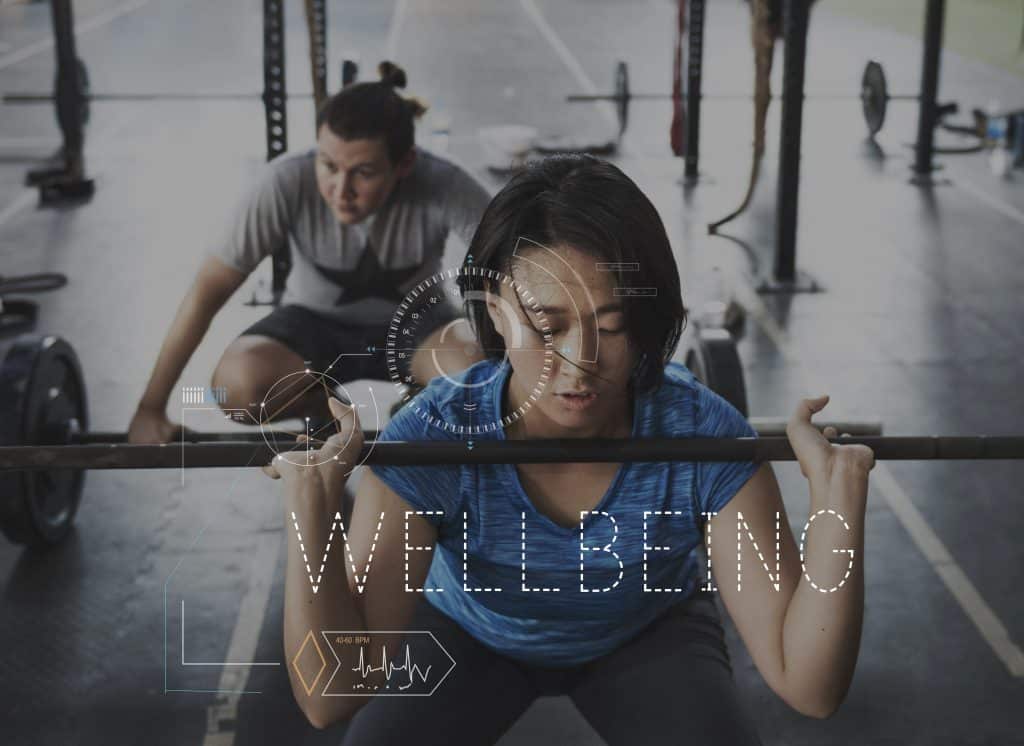
From ‘Hot Girl Walk’ to…What? The Latest Fitness Trends Sweeping the Nation are constantly shifting, reflecting evolving societal values, technological advancements, and a deeper understanding of what it means to be truly healthy.
The days of one-size-fits-all workout routines are long gone, replaced by a vibrant tapestry of practices designed to cater to diverse needs and preferences.
This article delves into the dynamic landscape of American fitness, exploring the movements gaining traction and reshaping how we approach our physical and mental well-being.
The Evolution of Fitness: Beyond Fleeting Fads
Fitness is no longer just about shedding pounds or building muscle; it’s a holistic pursuit encompassing mental clarity, emotional balance, and sustainable lifestyle changes.
The rapid pace of modern life, coupled with increased awareness of self-care, has propelled a shift towards more personalized and adaptable fitness solutions. We’ve moved from rigid gym routines to flexible, integrated approaches that fit seamlessly into daily schedules.
This evolution is driven by several factors, including the accessibility of information, the rise of community-focused activities, and a growing appreciation for functional movement. People are seeking more than just physical exertion; they want experiences that enrich their lives and provide lasting benefits. This desire for depth and meaning in fitness is precisely what distinguishes current trends from superficial fads.
The Rise of Functional Fitness
Functional fitness focuses on exercises that mimic real-life movements, preparing the body for everyday tasks. This approach emphasizes strength, balance, coordination, and flexibility, making activities like lifting groceries or playing with children easier and safer.
Bodyweight Training: Utilizes an individual’s own weight for resistance, making it accessible anywhere.
Kettlebell Workouts: Builds strength, endurance, and power through dynamic movements.
Resistance Bands: Offers versatile resistance for muscle strengthening and rehabilitation.
Plyometrics: Incorporates jumping and explosive movements to improve power and agility.
The appeal of functional fitness lies in its practicality. It’s not about achieving an aesthetic ideal but about enhancing quality of life. By training movements rather than isolated muscles, individuals gain a more resilient and capable body, reducing the risk of injury and improving overall physical performance in daily activities.
In conclusion, the fitness landscape is maturing, moving beyond quick fixes to embrace practices that offer long-term health and wellness. Functional fitness, with its emphasis on real-world applicability, stands out as a prime example of this positive shift, empowering individuals to live more active and pain-free lives.
Mindful Movement and Holistic Well-being

In an increasingly fast-paced world, many Americans are turning to fitness practices that prioritize mental tranquility alongside physical exertion. Mindful movement, a category encompassing disciplines like yoga, Pilates, and Tai Chi, offers a sanctuary from daily stressors, fostering a deeper connection between mind and body.
These practices are not merely about stretching or strengthening; they are about cultivating presence, improving focus, and enhancing overall well-being.
The growing popularity of mindful movement reflects a broader cultural shift towards holistic health. People are recognizing that physical health cannot be separated from mental and emotional health.
Integrating mindfulness into exercise routines helps reduce anxiety, improve sleep quality, and enhance emotional regulation, making these practices invaluable tools for modern life.
Yoga’s Enduring Appeal and New Variations
Yoga continues to be a cornerstone of mindful movement, but its evolution has seen the emergence of numerous styles catering to diverse preferences. From restorative practices to dynamic flows, there’s a yoga style for every body and every mood.
Vinyasa Flow: Synchronizes breath with movement, creating a dynamic and fluid practice.
Restorative Yoga: Uses props to support the body, promoting deep relaxation and stress reduction.
Aerial Yoga: Incorporates a hammock to support and deepen stretches, offering unique inversions.
Goat Yoga: Combines gentle yoga poses with interactions with friendly goats, adding a playful element.
Pilates, another mindful practice, focuses on core strength, flexibility, and precise movements. Its emphasis on controlled breathing and proper alignment makes it highly effective for injury prevention and rehabilitation, as well as for toning and strengthening the body.
The trend towards mindful movement underscores a desire for balance and inner peace. These practices offer a unique blend of physical challenge and mental calm, providing a much-needed antidote to the pressures of contemporary society. Embracing mindful movement is an investment in both physical vitality and mental resilience.
High-Intensity Interval Training (HIIT) and Its Adaptations
While mindful movement gains traction, the demand for efficient, results-driven workouts remains strong. High-Intensity Interval Training, or HIIT, continues to dominate the fitness scene due to its effectiveness in a short amount of time.
HIIT involves short bursts of intense exercise followed by brief recovery periods, making it ideal for busy individuals seeking maximum impact from their workouts.
The scientific backing for HIIT’s benefits, including improved cardiovascular health, increased metabolism, and enhanced endurance, has solidified its place in modern fitness.
However, as with any popular trend, HIIT has undergone adaptations to make it more accessible and sustainable for a wider audience, moving beyond its initial, often intimidating, perception.
Micro-Workouts and Time Efficiency
One significant adaptation of HIIT is the rise of micro-workouts. These are ultra-short, high-intensity sessions, sometimes lasting as little as 5-10 minutes, that can be easily integrated throughout the day.
This approach combats the common barrier of ‘no time for exercise’ and promotes consistent activity.
Desk Workouts: Quick bursts of activity performed at or near a workstation.
Stair Sprints: Utilizing stairs for short, intense cardiovascular intervals.
Tabata Protocols: Specific 4-minute HIIT routines involving 20 seconds of work and 10 seconds of rest.
Bodyweight Circuits: Short circuits of exercises like burpees, squats, and push-ups.
The appeal of micro-workouts lies in their flexibility and psychological benefit. Even a few minutes of intense activity can boost energy, improve mood, and contribute to overall fitness goals. This strategy makes fitness less of a chore and more of an achievable daily habit, fostering greater adherence to exercise routines.
Furthermore, the evolution of HIIT includes more personalized approaches. Trainers and apps are now offering adaptive HIIT programs that scale intensity based on individual fitness levels, making it less daunting for beginners while still challenging for advanced athletes. This customization ensures that HIIT remains a powerful tool for diverse populations.
In summary, HIIT’s enduring popularity is a testament to its efficacy, and its ongoing evolution, particularly through micro-workouts and personalized adaptations, ensures its continued relevance in the dynamic world of American fitness. It provides a potent solution for those seeking significant results within limited timeframes.
The Digital Revolution in Fitness: Apps, Wearables, and Virtual Classes
Technology has profoundly transformed the fitness landscape, making personalized training, diverse workouts, and progress tracking more accessible than ever before.
The digital revolution in fitness, driven by innovative apps, sophisticated wearables, and immersive virtual classes, has democratized access to health and wellness, allowing individuals to pursue their fitness goals from virtually anywhere.
This integration of technology into daily routines has removed many traditional barriers to exercise, such as geographical limitations or the need for expensive gym memberships. It offers flexibility, convenience, and a wealth of data-driven insights that empower users to make informed decisions about their health journeys.
Wearable Technology and Data-Driven Insights
Wearable devices, from smartwatches to fitness trackers, have become indispensable tools for many. These devices offer real-time data on heart rate, sleep patterns, activity levels, and calorie expenditure, providing a comprehensive overview of one’s health metrics.
Activity Tracking: Step counts, distance covered, and active minutes.
Heart Rate Monitoring: Real-time heart rate zones for optimized training.
Sleep Analysis: Insights into sleep stages and overall sleep quality.
Recovery Metrics: Data on body readiness and optimal recovery times.
The power of wearable technology lies in its ability to provide actionable insights. By understanding their body’s responses to activity and rest, individuals can tailor their workouts, improve recovery strategies, and optimize their overall well-being. This data-driven approach fosters a more scientific and personalized path to fitness.
Virtual classes and fitness apps have also exploded in popularity, offering a vast library of on-demand and live workouts.
From yoga and Pilates to strength training and dance, these platforms provide expert instruction and a sense of community, all from the comfort of home. The interactive nature of many virtual classes, often including real-time feedback and social features, further enhances engagement.
The digital revolution in fitness is not just a passing trend; it’s a fundamental shift in how we approach health. By leveraging technology, individuals can access tailored experiences, track their progress with precision, and stay motivated on their wellness journeys, making fitness more integrated and effective than ever before.
Community-Driven Fitness and Social Connection
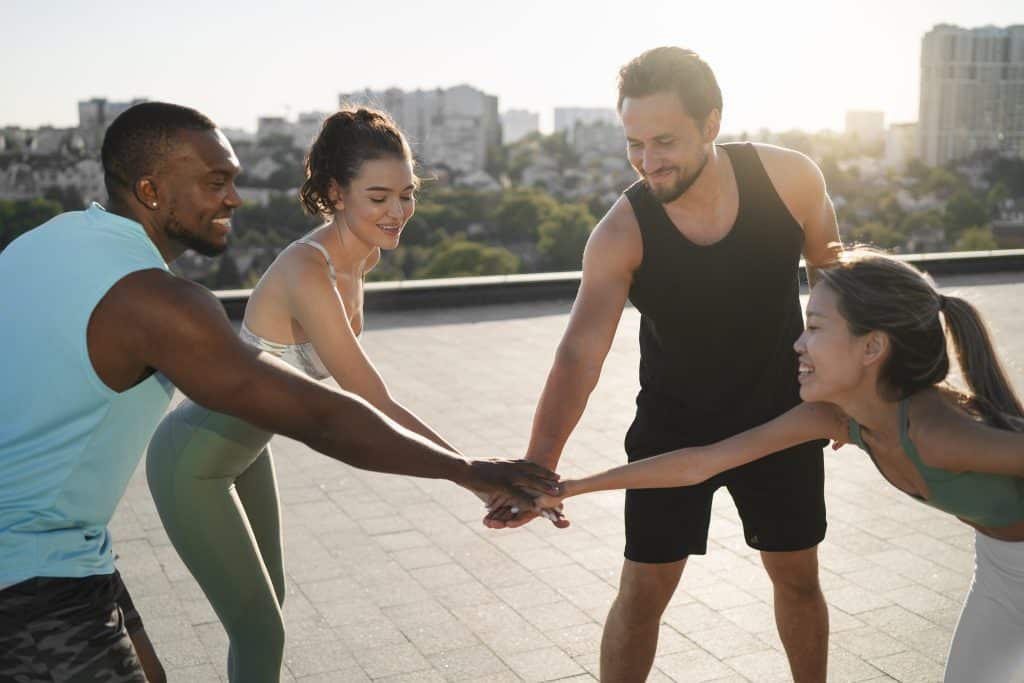
While technology continues to empower individuals with personalized fitness tools, the industry is expanding beyond solo workouts and embracing the value of community-driven wellness. Group fitness classes, recreational sports leagues, running clubs, and outdoor adventure groups are flourishing as people seek benefits that extend beyond physical exercise alone.
These social fitness experiences provide motivation, accountability, encouragement, and a strong sense of belonging that many individuals find difficult to achieve through independent training.
The advantages of community fitness reach beyond improved strength or endurance. Exercising alongside others can help reduce feelings of loneliness, create meaningful social connections, and transform workouts into enjoyable shared experiences.
By moving beyond isolated gym routines, participants often discover greater consistency and enthusiasm for maintaining an active lifestyle.
This growing emphasis on connection demonstrates that fitness is about much more than individual achievement. It reflects a cultural shift beyond personal performance metrics toward experiences that nurture both physical and emotional well-being.
As a result, many Americans are looking beyond traditional exercise models and embracing fitness as a pathway to stronger communities, deeper relationships, and a more balanced approach to health.
The Rise of Boutique Fitness Studios
Boutique fitness studios, offering specialized classes in a more intimate setting, exemplify this trend. These studios often cultivate a strong sense of community, with instructors who know participants by name and foster a supportive environment. From cycling studios to barre classes, they offer unique experiences that build loyalty and camaraderie.
Spin Classes: High-energy indoor cycling sessions with motivational instructors.
Barre Workouts: Blends ballet, Pilates, and yoga for strength and flexibility.
CrossFit Boxes: High-intensity functional movements performed in a group setting.
Orangetheory Fitness: Heart rate-based interval training with real-time performance tracking.
Outdoor group activities are also seeing a resurgence. Running clubs, hiking groups, and even urban walking tours provide opportunities to connect with nature and fellow enthusiasts. These activities leverage the mental health benefits of being outdoors while fostering social bonds, creating a powerful combination for holistic well-being.
Furthermore, the concept of ‘fitness challenges’ has gained popularity, where groups or individuals compete against themselves or others to achieve specific goals over a set period. These challenges often incorporate a social element, with online forums or in-person meetups, providing encouragement and shared motivation.
Ultimately, community-driven fitness underscores the idea that exercise can be a source of joy and connection, not just a means to an end. By integrating social interaction into physical activity, these trends make fitness more engaging, sustainable, and enjoyable for individuals across the nation.
Sustainable and Accessible Fitness for All
As fitness continues to evolve, the conversation is moving beyond performance metrics and aesthetic goals to embrace sustainability, accessibility, and inclusivity.
Modern wellness trends encourage people to look beyond traditional fitness standards and adopt practices that are effective, environmentally conscious, and adaptable to different body types, ages, and ability levels. This shift reflects a deeper understanding of health that goes beyond competition and promotes a more supportive and welcoming fitness culture.
Sustainable fitness focuses on habits that last beyond short-term challenges or extreme transformation programs.
Rather than pursuing intense routines that may be difficult to maintain, individuals are encouraged to develop consistent, moderate activity patterns that fit naturally into daily life. This philosophy extends beyond immediate results and prioritizes long-term health, resilience, and overall well-being.
By thinking beyond quick fixes and temporary motivation, people can build fitness routines that evolve with their changing needs and lifestyles. This approach recognizes that true health extends beyond physical appearance, emphasizing longevity, balance, and a lifelong commitment to movement and wellness.
Inclusive Fitness Programs
Accessibility is key to ensuring that everyone, regardless of their background or physical condition, can participate in fitness. This includes developing programs for individuals with disabilities, offering varied intensity levels, and making fitness more affordable.
Adaptive Sports: Tailored physical activities for individuals with disabilities.
Chair Yoga: Modified yoga poses performed while seated, suitable for all mobility levels.
Free Outdoor Workouts: Community-led exercise sessions in parks and public spaces.
Senior Fitness Classes: Programs designed to improve strength, balance, and flexibility in older adults.
The fitness movement is expanding beyond traditional gym environments as more people embrace outdoor activities that foster a deeper connection with nature.
Hiking, trail running, cycling, and wild swimming are gaining popularity because they offer benefits that go beyond physical exercise, including stress reduction, mental clarity, and greater appreciation for the natural world.
At the same time, consumers are looking beyond conventional fitness products and choosing eco-friendly gear, sustainable apparel, and environmentally conscious wellness practices.
The conversation around health has also evolved beyond appearance-focused goals. Influenced by the body positivity movement, modern fitness culture increasingly emphasizes self-acceptance, confidence, and overall well-being.
This perspective encourages individuals to look beyond weight, body shape, or aesthetic standards and instead focus on how movement improves energy levels, mental health, strength, and quality of life.
Ultimately, these emerging trends demonstrate that fitness extends beyond workouts and personal achievement. By prioritizing inclusivity, sustainability, and long-term wellness, the industry is moving beyond outdated definitions of health and creating opportunities for people of all backgrounds and abilities to participate.
This broader vision of fitness benefits not only individuals but also communities and the environment, making healthy living more accessible and meaningful for everyone.
Nutrition and Recovery: The Unsung Heroes of Fitness
No discussion of modern fitness trends would be complete without looking beyond exercise and recognizing the essential roles of nutrition and recovery.
While innovative workouts and fitness challenges often capture attention, long-term success depends on factors that extend beyond the gym. Proper nutrition, hydration, and restorative practices provide the foundation for sustained energy, improved performance, and overall health.
Today’s fitness culture encourages individuals to think beyond calorie burning and workout intensity by embracing a more holistic approach to wellness. Nutrition and recovery are no longer viewed as secondary considerations; instead, they have become core components of an effective fitness strategy. This broader perspective goes beyond short-term results and focuses on supporting the body’s ability to perform, adapt, and thrive over time.
By looking beyond traditional training methods and prioritizing smart fueling, quality sleep, stress management, and recovery techniques, individuals can reduce injury risk, improve consistency, and enhance overall well-being. This shift reflects a growing understanding that true fitness extends beyond physical activity alone and is built upon a balanced lifestyle that supports both body and mind.
Personalized Nutrition Approaches
Gone are the days of generic diet plans. The trend now leans heavily towards personalized nutrition, informed by individual needs, dietary preferences, and even genetic factors. This bespoke approach ensures that individuals are fueling their bodies in the most effective way for their specific goals.
Macronutrient Tracking: Balancing protein, carbohydrates, and fats for optimal energy and recovery.
Plant-Based Diets: Growing interest in vegetarian and vegan eating for health and ethical reasons.
Gut Health Focus: Emphasizing probiotics and fiber for improved digestion and immunity.
Hydration Monitoring: Understanding the critical role of water intake for performance and health.
Recovery strategies have expanded beyond traditional rest days, embracing a more comprehensive approach to physical wellness and performance. Active recovery methods, such as gentle stretching, mobility exercises, yoga, and foam rolling, are becoming increasingly popular for maintaining movement while supporting muscle repair.
Additionally, innovative recovery tools like cryotherapy, infrared saunas, and percussion massage devices are helping fitness enthusiasts recover faster and reduce post-workout discomfort, enabling more consistent training routines.
The conversation around fitness now extends beyond exercise itself to include the critical role of sleep quality. Modern wearable technology and health apps provide detailed insights into sleep patterns, empowering individuals to make adjustments that enhance recovery and overall well-being. Quality sleep is now widely recognized as essential for hormonal regulation, mental clarity, muscle growth, and long-term health.
This broader perspective moves beyond surface-level fitness goals and highlights the interconnected relationship between exercise, nutrition, recovery, and rest. By looking beyond calories burned and workouts completed, individuals can build sustainable habits that support lasting performance, improved health outcomes, and a more balanced approach to fitness.
| Key Trend | Brief Description |
|---|---|
| Functional Fitness | Exercises mimicking daily movements for improved strength and mobility. |
| Mindful Movement | Practices like yoga and Pilates focusing on mind-body connection and well-being. |
| Digital Fitness | Apps, wearables, and virtual classes for accessible and data-driven workouts. |
| Community Workouts | Group activities and boutique studios fostering social connection and motivation. |
Frequently Asked Questions About Fitness Trends
The ‘Hot Girl Walk’ is a walking trend popularized on social media, encouraging individuals to walk for at least four miles daily while focusing on positive thoughts. Its popularity stemmed from its simplicity, accessibility, and emphasis on mental well-being alongside physical activity, making it an easy entry point into fitness for many.
Current fitness trends emphasize holistic well-being, sustainability, and personalization, moving beyond single-focused fads. They integrate mental health, data-driven insights, community support, and accessibility, offering more comprehensive and long-lasting benefits compared to short-lived, appearance-driven routines of the past.
Yes, wearable fitness devices can be highly effective. They provide valuable data on activity, heart rate, and sleep, offering insights that help users understand their bodies better. This data empowers individuals to make informed decisions about their workouts and recovery, leading to more personalized and efficient progress toward their fitness goals.
Nutrition plays a central and increasingly recognized role in modern fitness. It’s seen as an integral component, not just an adjunct, for optimal performance, recovery, and overall health. Current trends emphasize personalized nutrition plans that support specific fitness goals and overall well-being, moving away from generic diets.
Finding a sustainable fitness routine involves exploring various options to discover what you genuinely enjoy and can consistently maintain. Consider activities that fit your lifestyle, budget, and physical capabilities. Experiment with functional fitness, mindful movement, or community groups, and prioritize listening to your body and integrating adequate rest.
Conclusion
The fitness landscape in America is a dynamic and ever-evolving domain, demonstrating a clear shift from ephemeral fads to more profound, sustainable, and inclusive practices. From the simplicity of the ‘Hot Girl Walk’ to the sophisticated integration of technology and community, the overarching theme is a move towards holistic well-being.
Individuals are increasingly seeking fitness routines that not only challenge their bodies but also nourish their minds, connect them with others, and seamlessly integrate into their daily lives.
The emphasis on functional movement, mindful practices, efficient HIIT, digital integration, and strong community bonds reflects a maturing understanding of health—one that values longevity, accessibility, and personal fulfillment above all else.
As these trends continue to shape how Americans approach their physical and mental health, the future of fitness promises to be more personalized, engaging, and beneficial for everyone.