US Energy Consumption in 2026: Trends and Conservation Tips
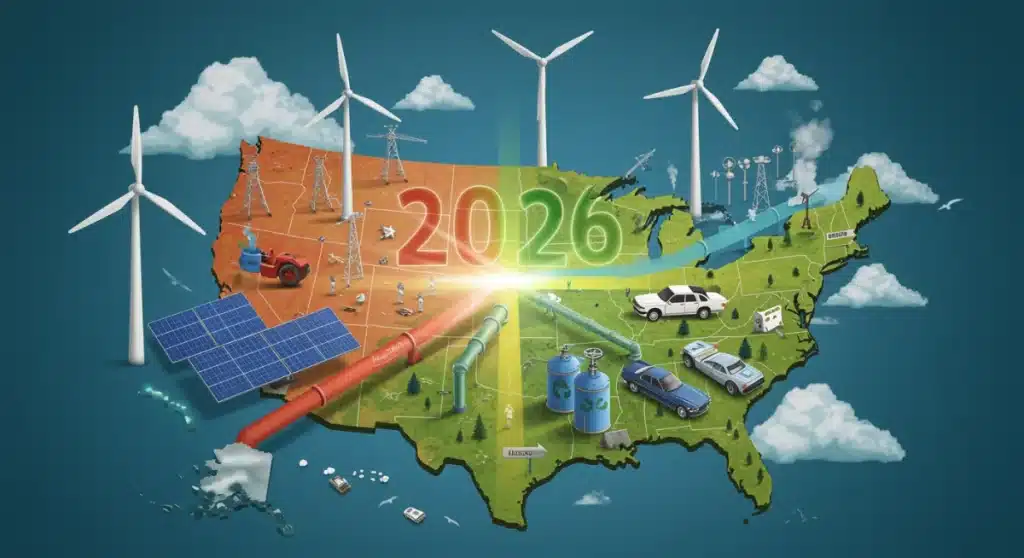
As we approach 2026, the landscape of US energy consumption is undergoing a significant transformation.
From policy shifts to technological advancements, various factors are reshaping how America powers its homes, businesses, and transportation. This article delves into the anticipated trends and offers practical conservation tips to navigate this evolving energy future.
Understanding current energy landscape and future projections
The current US energy landscape is a complex tapestry woven from traditional fossil fuels and rapidly expanding renewable sources.
Projections for 2026 indicate a continued shift, driven by both market forces and policy initiatives aimed at decarbonization and energy independence. This section explores the foundational elements shaping these projections.
Historically, the US has relied heavily on coal, oil, and natural gas. While these sources still play a significant role, their dominance is steadily eroding.
The push for cleaner energy, coupled with cost reductions in renewable technologies, is accelerating this transition. Understanding these dynamics is crucial for anticipating the energy mix of tomorrow.
Key drivers of change
Technological advancements in renewable energy generation and storage.
Government policies promoting clean energy and carbon reduction.
Increasing consumer demand for sustainable and environmentally friendly options.
Global energy market fluctuations and geopolitical influences.
The interplay of these drivers creates a dynamic environment where predictions must account for multiple variables. For instance, while natural gas has served as a bridge fuel, its long-term viability is increasingly questioned in the face of aggressive decarbonization targets.
On the other hand, the rapid deployment of solar and wind power continues to surprise even optimistic forecasts.
Moreover, the integration of smart grid technologies and advanced energy management systems will play a pivotal role in optimizing energy distribution and consumption patterns.
The rise of renewable energy sources by 2026
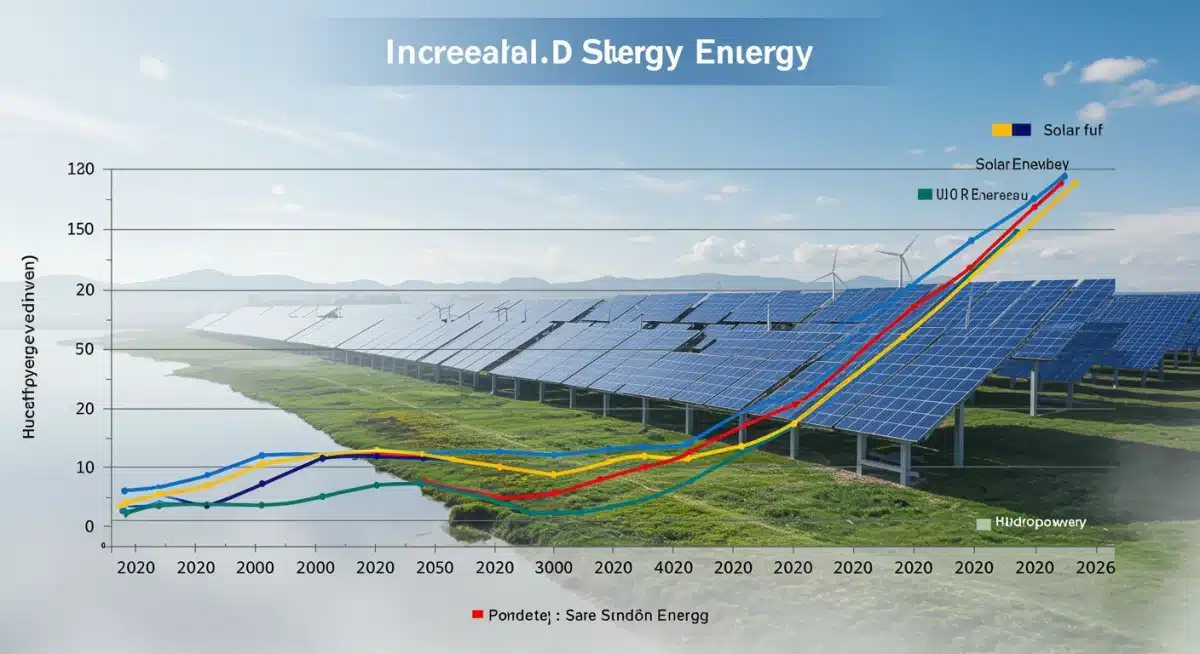
By 2026, renewable energy is expected to constitute an even larger share of the US energy portfolio. Solar and wind power, in particular, are poised for substantial growth, driven by declining costs, improved efficiency, and supportive regulatory frameworks. This surge in renewables will significantly alter the national energy mix.
The economic benefits of renewables are becoming undeniable. The cost of generating electricity from solar and wind has fallen dramatically over the past decade, making them competitive, and often cheaper, than new fossil fuel power plants. This economic advantage, combined with environmental imperatives, fuels their expansion.
Solar power’s expanding footprint
Solar energy continues its impressive trajectory, with both utility-scale projects and distributed rooftop installations contributing to its growth. Innovations in panel efficiency and energy storage solutions are making solar an increasingly reliable power source.
Decreasing installation costs for both residential and commercial systems.
Advancements in battery storage technology enhancing grid stability.
Federal and state incentives encouraging solar adoption.
The integration of solar power into smart grids allows for more efficient management of electricity flow, reducing waste and enhancing overall system reliability. Communities are increasingly taking advantage of community solar programs, broadening access to clean energy for a wider demographic.
Wind energy’s powerful contribution
Wind power, especially offshore wind, is another cornerstone of the renewable energy revolution. Large-scale wind farms are being developed across various states, capitalizing on strong, consistent winds. The sheer capacity of these projects makes them significant contributors to the grid.
The strategic placement of wind farms—both onshore and offshore—plays a vital role in optimizing us energy production by maximizing energy capture while minimizing environmental impact. Careful site selection ensures stronger, more consistent wind resources, contributing to a more efficient and sustainable us energy system
Moreover, advancements in transmission infrastructure are critical for bringing wind power from often remote locations to urban centers where demand is highest. Investment in these areas will ensure that the full potential of wind energy can be realized by 2026.
Impact of electrification on US energy demand
Electrification, particularly in the transportation and building sectors, is set to profoundly impact US energy demand by 2026.
As more vehicles become electric and heating systems transition away from fossil fuels, the demand for electricity will inevitably rise. This shift presents both opportunities and challenges for the energy grid.
The transition to electric vehicles (EVs) is a prime example. The increasing adoption of EVs means a significant portion of transportation energy, traditionally derived from gasoline, will be converted to electricity. This requires a robust charging infrastructure and a reliable, clean power supply.
Electric vehicles and grid readiness
The rapid growth of the EV market necessitates substantial investment in charging infrastructure and grid upgrades. Smart charging solutions, which allow vehicles to charge during off-peak hours, will be crucial for managing this increased demand without overwhelming the grid.
Expansion of public and private charging networks nationwide.
Development of vehicle-to-grid (V2G) technology for energy storage.
Government incentives for EV purchases and charging infrastructure development.
Furthermore, the integration of renewable energy sources with EV charging can create a virtuous cycle, where clean energy powers clean transportation. This synergy is a key component of achieving broader decarbonization goals.
Electrifying buildings and industries
Beyond transportation, the electrification of heating, cooling, and industrial processes is another major trend. Heat pumps, for instance, are significantly more energy-efficient than traditional fossil fuel furnaces, offering both environmental and economic benefits. Industries are also exploring electric alternatives for various operations.
This widespread electrification will require careful planning to ensure the grid can handle the increased load, especially during peak demand periods. Investment in energy efficiency measures within buildings will also be critical to mitigate the overall increase in electricity consumption.
The challenge lies in ensuring that the electricity supplied for these electrified sectors comes increasingly from renewable sources, otherwise, the environmental benefits could be offset by increased fossil fuel burning at power plants. This highlights the interconnectedness of renewable energy growth and electrification.
Energy efficiency and conservation strategies for 2026
Even with the growth of renewable energy, energy efficiency and conservation remain paramount. Reducing overall consumption lessens the strain on the grid, lowers energy costs for consumers, and diminishes the environmental footprint. By 2026, these strategies will be more critical than ever.
Conservation isn’t just about turning off lights; it encompasses a wide range of actions, from individual behavioral changes to large-scale technological implementations. Every kilowatt-hour saved contributes to a more sustainable and resilient energy future.
Smart home technologies for reduced consumption
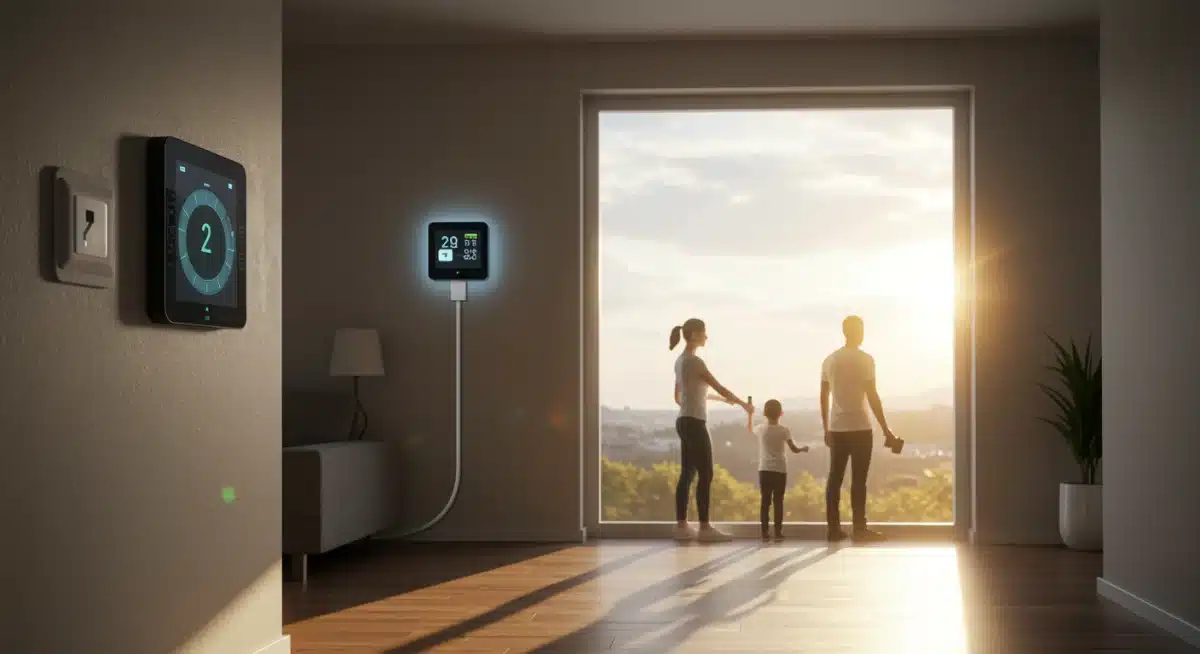
Smart home devices offer powerful tools for managing and reducing energy use. Smart thermostats, lighting systems, and appliances can be programmed to optimize energy consumption based on occupancy, time of day, and external conditions, leading to significant savings.
Programmable thermostats that learn household routines.
Smart lighting with motion sensors and dimming capabilities.
Energy-monitoring devices providing real-time consumption data.
These technologies empower consumers to take an active role in their energy management, providing insights and automation that were previously unavailable. The data collected by smart devices can also help identify areas for further efficiency improvements.
Behavioral changes and collective impact
While technology plays a crucial role, simple behavioral changes by individuals and communities can have a massive collective impact. These small adjustments, when adopted by millions, significantly contribute to overall energy conservation goals.
Encouraging habits like unplugging electronics when not in use, using natural light whenever possible, and optimizing appliance usage can lead to substantial energy savings across the nation. Public awareness campaigns and educational initiatives are vital for fostering these changes.
Furthermore, community-level initiatives, such as energy challenges and neighborhood audits, can foster a sense of collective responsibility and drive widespread adoption of conservation practices. The cumulative effect of these efforts cannot be overstated in achieving national energy goals.
Policy and regulatory frameworks shaping energy’s future
Government policies and regulatory frameworks are instrumental in directing the trajectory of US energy consumption towards 2026 and beyond.
These policies provide incentives for renewable energy adoption, set efficiency standards, and guide infrastructure development, playing a critical role in shaping the energy transition.
The federal government, through legislation and executive orders, can significantly influence market behavior. State-level policies often complement federal efforts, sometimes even leading the way with more ambitious targets for clean energy and emissions reductions.
Federal initiatives and incentives
Federal programs, such as tax credits for solar panels or electric vehicle purchases, directly reduce the financial burden on consumers and businesses, thereby accelerating the adoption of clean technologies. Research and development funding also supports innovation in energy storage and efficiency.
Investment in renewable energy infrastructure and grid modernization.
Grants and loans for energy efficiency upgrades in homes and businesses.
Regulations promoting cleaner emissions standards for power generation.
The Infrastructure Investment and Jobs Act, for example, allocates significant funding towards improving the nation’s energy infrastructure, including investments in smart grid technologies and electric vehicle charging stations. These sustained investments are crucial for long-term energy security.
State and local leadership
Many states and municipalities are at the forefront of energy policy, setting ambitious renewable portfolio standards (RPS) and implementing building codes that mandate higher energy efficiency. These localized efforts often serve as models for broader national policy.
Local governments can also implement zoning laws that favor renewable energy installations and develop community choice aggregation programs, allowing local entities to procure electricity on behalf of their residents, often from cleaner sources. This decentralized approach fosters innovation and responsiveness to local needs.
The diversity of state and local approaches creates a rich ecosystem of policy experimentation, allowing for the identification of best practices that can be scaled up. This bottom-up innovation is a powerful driver of the energy transition.
Challenges and opportunities in the energy transition

The transition to a cleaner, more sustainable energy future by 2026 is not without its challenges, yet it also presents immense opportunities. Addressing issues like grid modernization, energy storage, and ensuring equitable access to clean energy will be crucial for a successful transition.
One of the primary challenges is the intermittency of some renewable sources, like solar and wind. This necessitates robust energy storage solutions and a flexible grid that can balance supply and demand effectively.
Overcoming grid infrastructure limitations
The existing US electrical grid, largely built in the 20th century, was not designed for the complex, bidirectional flow of electricity required by a high penetration of renewable energy. Modernizing this infrastructure is a monumental, yet essential, task.
Investing in smart grid technologies for enhanced monitoring and control.
Developing long-distance transmission lines to connect renewable-rich areas to demand centers.
Implementing cybersecurity measures to protect critical energy infrastructure.
Advancing energy storage solutions
Energy storage, particularly battery technology, is a game-changer for renewables. It allows excess energy generated during peak production times (e.g., sunny afternoons for solar) to be stored and dispatched when needed, mitigating intermittency issues.
Beyond lithium-ion batteries, research into novel storage technologies, such as flow batteries, compressed air energy storage, and green hydrogen, holds promise for even greater scalability and efficiency. Breakthroughs in these areas will be critical for achieving a truly reliable renewable energy system.
The economic viability of energy storage technologies is rapidly improving, positioning them as a cornerstone of the evolving US energy landscape.
As innovation accelerates and production scales up, the cost of storage solutions—particularly lithium-ion batteries—continues to decline, making them increasingly accessible for both large-scale utilities and everyday households.
Falling Costs and Expanding Adoption
Over the past decade, advancements in manufacturing and technology have significantly reduced the cost of battery storage. This trend is transforming US energy systems by making storage solutions more financially attractive for:
Utility-scale projects, where large battery systems store excess electricity from renewable sources
Residential users, who can pair home batteries with solar panels to reduce reliance on the grid
Commercial operations, seeking to manage energy demand and lower peak electricity costs
As prices continue to fall, more consumers and businesses are integrating storage into their energy strategies.
Enhancing Grid Stability and Reliability
Energy storage plays a critical role in stabilizing the US energy grid. By storing electricity when supply exceeds demand and releasing it when needed, storage systems help balance fluctuations and prevent outages.
Key benefits include:
Reducing strain during peak demand periods
Providing backup power during emergencies or grid disruptions
Supporting frequency regulation and voltage control
These capabilities make storage essential for maintaining a reliable and resilient energy infrastructure.
Enabling Renewable Energy Integration
One of the biggest challenges in US energy is the intermittent nature of renewable sources like solar and wind. Energy storage directly addresses this issue by capturing excess generation and making it available when production drops.
This allows for:
Greater reliance on clean energy without compromising reliability
Smoother integration of solar and wind into the grid
Reduced dependence on fossil fuel backup systems
As a result, storage is a key enabler of a cleaner and more sustainable energy mix.
Supporting the Future of Decentralized Energy
Energy storage is also driving the shift toward decentralized US energy systems, where power is generated and stored closer to where it is used. This includes:
Homes with solar-plus-storage setups
Community microgrids that operate independently during outages
Businesses optimizing their own energy consumption
This decentralization increases energy independence and reduces vulnerability to large-scale grid failures.
As costs continue to decline and technology improves, energy storage will become an increasingly integral part of the US energy ecosystem. Its ability to enhance grid stability, support renewable integration, and empower consumers makes it a vital component of the nation’s transition toward a more efficient, resilient, and sustainable energy future.
| Key Trend | Brief Description |
|---|---|
| Renewable Energy Growth | Significant increase in solar and wind power adoption due to cost reductions and policy support. |
| Electrification Impact | Rising electricity demand from electric vehicles and building electrification. |
| Conservation Importance | Crucial role of energy efficiency and smart technologies in managing demand. |
| Policy Influence | Federal and state policies driving the energy transition and infrastructure modernization. |
Frequently asked questions about US energy consumption in 2026
The primary drivers include technological advancements in renewables, government policies promoting clean energy, increasing consumer demand for sustainable options, and global energy market fluctuations. These factors collectively push the US towards a more diversified and less carbon-intensive energy mix.
Renewable energy, especially solar and wind, will significantly increase its share in the US energy portfolio. This demands grid modernization, advanced energy storage solutions, and smart grid technologies to manage intermittency and ensure reliable power delivery across the nation.
Electrification in transportation (EVs) and buildings (heat pumps) will substantially increase electricity demand. This shift requires robust charging infrastructure, grid upgrades, and a growing supply of clean electricity to realize environmental benefits and support growth.
Homeowners can actively support us energy efficiency by adopting modern technologies like programmable thermostats and intelligent lighting systems. These innovations help optimize energy usage by automatically adjusting to daily routines and reducing unnecessary consumption.
In addition, simple behavioral changes play a crucial role in improving us energy conservation. Actions such as unplugging unused devices, maximizing natural daylight, and using appliances during off-peak hours can significantly lower both energy consumption and monthly costs.
Government policies play a central role in accelerating the transformation of US energy, guiding how energy is produced, distributed, and consumed across the country. Through a combination of financial incentives, regulatory frameworks, and long-term infrastructure planning, federal and state governments are actively shaping a cleaner, more efficient energy future.
Conclusion
The trajectory of US energy consumption towards 2026 is clearly marked by a profound shift towards greater sustainability and efficiency. The accelerating adoption of renewable energy sources, coupled with the widespread electrification of key sectors, is redefining how America powers itself.
While challenges related to grid modernization and energy storage persist, the future of US energy holds significant opportunities for innovation and economic growth.
Advancements in technology, combined with supportive policy frameworks and widespread conservation efforts, will be key to building a more resilient, clean, and secure US energy system for the years ahead.