US Voting Rights 2026: New Regulations & Your Voice
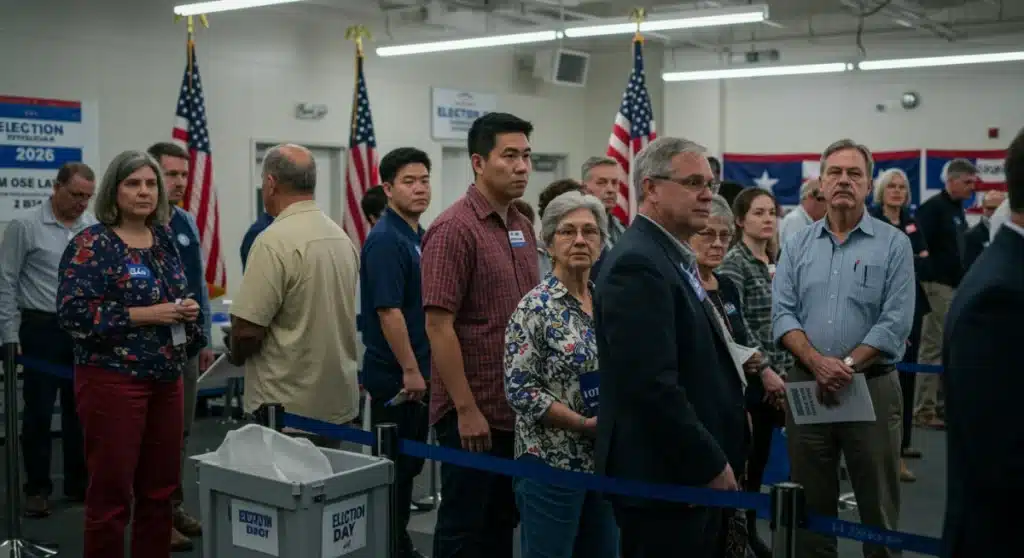
As we approach 2026, the landscape of US voting rights in 2026 continues to evolve, bringing with it new regulations and challenges.
It’s more important than ever to understand these changes to ensure every eligible voice is heard. This article delves into what you need to know to navigate the upcoming electoral season effectively.
The evolving landscape of US voting rights
The right to vote is a cornerstone of American democracy, yet its exercise has been a subject of continuous debate and legislative action. Every election cycle brings new discussions and, often, new laws that can significantly alter how citizens participate.
In recent years, states have been particularly active in modifying their election laws. These changes often reflect differing philosophies on election security versus voter access. Understanding this dynamic is key to comprehending the shifts we might see by 2026.
Historical context of voting rights in America
From property qualifications to the fight for universal suffrage, the history of voting rights in the US is a long and complex journey. Major milestones, like the 15th, 19th, and 26th Amendments, expanded the franchise, but challenges persist.
15th Amendment (1870): Granted African American men the right to vote.
19th Amendment (1920): Extended suffrage to women.
Voting Rights Act of 1965: Outlawed discriminatory voting practices.
26th Amendment (1971): Lowered the voting age to 18.
Each of these moments marked a significant step forward, but also highlighted the ongoing need for vigilance in protecting these fundamental rights. The current environment continues this legacy of evolution and adaptation.
The constant evolution of election laws means that what was true for the last election may not hold for the next. Staying informed about these changes at both federal and state levels is paramount for any engaged citizen. This section sets the stage for a deeper dive into the specific regulations emerging for 2026.
Key federal and state legislative trends for 2026
As we look towards 2026, both federal and state legislatures are actively shaping the future of voting. These legislative efforts often fall into categories of either expanding voter access or enhancing election security, sometimes leading to heated debates.
Federally, discussions around comprehensive voting rights legislation continue, though consensus remains elusive. States, however, are often the primary arenas for significant shifts, with each state having considerable autonomy in setting its own election rules.
Federal legislative outlook
While major federal overhauls are challenging to pass, smaller, targeted federal actions or judicial rulings can still influence the national landscape. These often revolve around issues of campaign finance, redistricting, or the protection of election workers.
The balance of power in Congress and the composition of the Supreme Court can heavily impact the viability and interpretation of any federal voting rights initiatives. Citizens should monitor these developments closely to understand their potential ripple effects.
State-level regulatory changes to watch
State legislatures are the laboratories of democracy when it comes to election law. We’re seeing a variety of trends emerge, from changes to voter ID requirements to modifications in early voting and mail-in ballot procedures.
Voter ID Laws: Some states are implementing stricter photo ID requirements, while others maintain broader forms of identification.
Mail-in Voting: Regulations around absentee ballots, including application processes and drop-off locations, are frequently updated.
Early Voting Periods: The duration and availability of in-person early voting vary widely and are subject to change.
Voter Registration: States are exploring automatic voter registration, same-day registration, and stricter deadlines.
These state-specific changes mean that understanding the rules in your particular state will be crucial for casting your ballot effectively in 2026. The patchwork of laws across the country creates a complex environment for voters.
The legislative trends for 2026 highlight a continuous push and pull between different visions for American elections. Staying informed about these federal and state-level changes empowers voters to adapt and advocate for their preferred electoral processes.
Impact of new regulations on voter access and participation
New voting regulations, regardless of their intent, invariably have an impact on voter access and overall participation rates. The effects can be far-reaching, influencing everything from turnout demographics to the ease with which citizens can cast their votes.
For example, stricter voter ID laws might reduce voter fraud, but they could also disproportionately affect elderly voters, students, or low-income individuals who may not have readily accessible forms of ID.
Potential barriers to voting
Some regulations, while framed as security measures, can inadvertently create barriers for certain populations. These might include reduced polling hours, fewer polling locations, or limitations on who can return a ballot.
It is essential to critically evaluate whether new rules address genuine concerns without unduly burdening eligible voters. Advocacy groups often play a crucial role in highlighting these potential unintended consequences.
Enhancing voter access initiatives
Conversely, some states are actively working to expand voter access. These initiatives often include automatic voter registration, online registration portals, and extended early voting periods. Such measures aim to make voting as convenient as possible for all eligible citizens.
The goal of these reforms is often to increase overall participation and ensure that administrative hurdles do not disenfranchise voters. The success of these initiatives can be measured by increased voter registration and turnout rates.
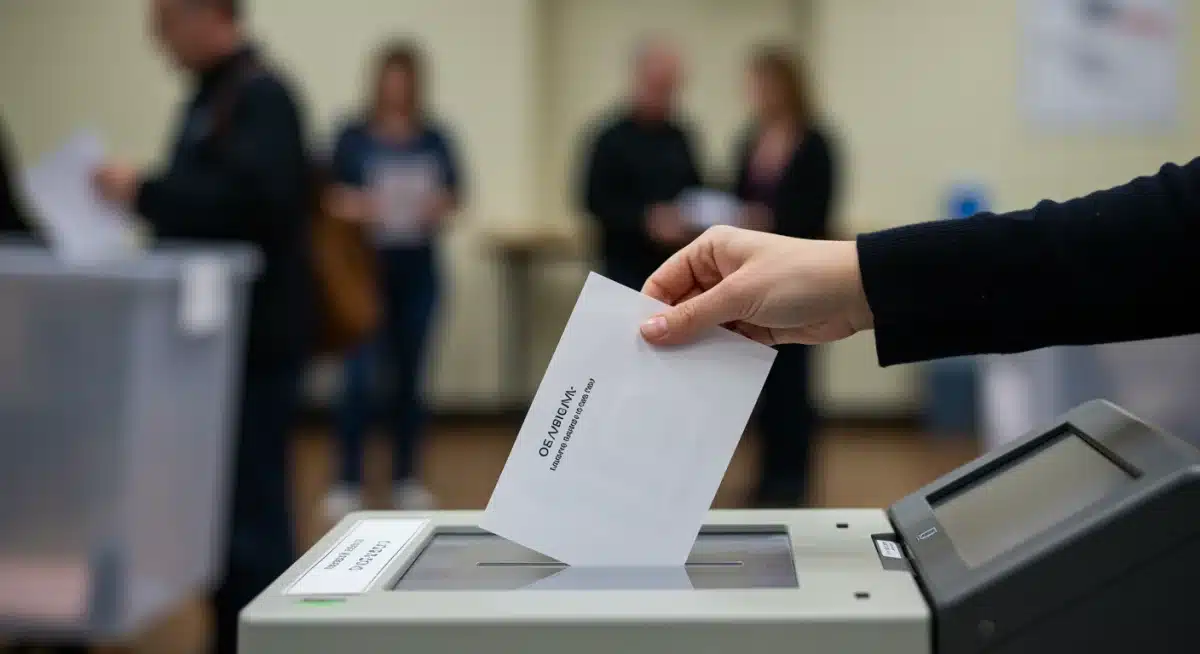
The impact of new regulations on voter access and participation is a critical aspect of election integrity. Understanding how these changes might affect different communities is vital for ensuring equitable access to the ballot box in 2026.
Ensuring your voice is heard: voter registration and engagement
In an environment of evolving regulations, proactive steps are essential to ensure your voice is heard. This begins with voter registration, which is the foundational step for participation in any election.
It’s not enough to simply be eligible; you must be properly registered and aware of your registration status. Deadlines and requirements can vary by state, making it important to check local election office websites.
Checking and updating your voter registration
Many states offer online tools to check your voter registration status. This is a quick and easy way to confirm you’re on the rolls and that your information is current. If you’ve moved or changed your name, you’ll likely need to update your registration.
Online Portals: Most states have websites where you can verify your registration.
County Election Offices: Contact your local election officials for assistance.
Registration Drives: Look for community organizations hosting voter registration events.
Don’t wait until the last minute. Proactive verification can prevent unnecessary stress and potential disenfranchisement on Election Day. A small effort now can make a big difference.
Active civic engagement beyond the ballot box
Ensuring your voice is heard goes beyond just casting a ballot. Active civic engagement plays a crucial role in shaping policy and influencing the political landscape. This can take many forms, from attending town halls to volunteering for campaigns.
Engaging with elected officials, participating in local government, and staying informed about issues are all vital components of a healthy democracy. Your involvement can help advocate for the voting rights and policies you believe in.
By taking responsibility for your voter registration and actively engaging in civic life, you empower yourself and contribute to a more robust democratic process. These actions are fundamental to ensuring your voice resonates in 2026 and beyond.
Navigating voter identification requirements in 2026
Voter identification requirements are among the most frequently debated and changed aspects of election law. As 2026 approaches, it’s crucial for every voter to understand the specific ID rules in their state to avoid any last-minute issues at the polls.
These requirements range from states that request a photo ID to those that accept a broader array of documents, or even those that don’t require an ID at all if your signature matches. Knowing your state’s particular rules is non-negotiable.
Types of acceptable voter ID
The definition of an acceptable voter ID can vary significantly. Some states strictly require a government-issued photo ID, such as a driver’s license or passport. Others might accept non-photo IDs like utility bills, bank statements, or even a signed affidavit.
Photo ID States: Often require a driver’s license, state ID card, military ID, or US passport.
Non-Photo ID States: May accept utility bills, bank statements, government checks, or other official documents with your name and address.
No ID Required: A few states do not require ID if your signature can be verified.
It’s important to check the precise list of acceptable IDs for your state, as these lists can be updated. Many states provide this information clearly on their Secretary of State or election board websites.
What to do if you don’t have an acceptable ID
If you discover you don’t have the required identification, don’t panic. Many states offer solutions. Some provide free state ID cards for voting purposes, while others allow provisional ballots that can be counted once your identity is verified through other means.
Contact your local election officials well in advance of Election Day to understand your options. They can guide you through the process of obtaining the necessary ID or utilizing alternative procedures to ensure your vote is counted.
Understanding and preparing for voter identification requirements is a practical step every citizen should take. Being aware of your state’s rules and proactively addressing any potential issues will ensure a smooth voting experience in 2026.
Resources and advocacy for voting rights
Navigating the complexities of voting rights and regulations can be challenging, but numerous resources and advocacy groups are dedicated to assisting voters and protecting the integrity of the electoral process. These organizations provide valuable information, support, and a platform for collective action.
Whether you need help with voter registration, understanding new laws, or reporting issues, knowing where to turn can make a significant difference. These resources are vital for both individual voters and the broader democratic system.
Access to trustworthy information is essential for protecting and understanding voting rights, and several well-established, non-partisan organizations provide valuable support in this area.
Platforms like Vote.org, League of Women Voters, and American Civil Liberties Union play a critical role in educating voters and promoting fair access to elections.
These organizations offer state-by-state guides that help individuals navigate specific voting rights requirements, including registration deadlines, identification rules, and mail-in voting options. They also provide easy-to-use tools for voter registration and status checks, making the process more accessible and transparent.
In addition, these resources frequently update users on legislative developments that may impact voting rights, ensuring that citizens remain informed about any changes that could affect their ability to participate in elections.
By relying on these credible sources, individuals can confidently exercise their voting rights and contribute to a more informed and engaged electorate.

These platforms are excellent starting points for anyone looking to understand their rights or get involved in voter advocacy. They often have hotlines and local chapters that can provide personalized support.
How to get involved in advocacy efforts
Beyond simply voting, citizens can play an active role in advocating for fair and accessible elections. This can include volunteering for non-partisan voter education campaigns, contacting elected officials about proposed legislation, or joining local civic groups.
Volunteer: Assist with voter registration drives or poll worker recruitment.
Contact Legislators: Share your opinions on proposed voting rights legislation.
Support Advocacy Groups: Donate or lend your skills to organizations working to protect voting rights.
Educate Others: Share accurate information with friends, family, and community members.
Your involvement, however small, contributes to the collective effort to safeguard democratic principles. Active advocacy helps ensure that the concerns of ordinary citizens are considered in the ongoing evolution of voting laws.
Utilizing available resources and actively engaging in advocacy are powerful ways to protect and strengthen voting rights in the United States. When individuals take the time to stay informed about election laws, registration requirements, and policy updates, they are better equipped to ensure their voices—and the voices of others—are heard and respected.
Advocacy plays a crucial role in safeguarding these rights, whether through community organizing, supporting nonpartisan initiatives, or participating in public discussions about election integrity and accessibility. Collective action can influence policy decisions and promote fair practices that uphold the democratic process.
By remaining engaged and proactive, citizens help shape a future where voting rights are protected, expanded, and accessible to all eligible voters. This ongoing commitment is essential to ensuring that every vote can be cast and counted fairly in 2026 and beyond.
| Key Point | Brief Description |
|---|---|
| Evolving Regulations | US voting laws are constantly changing at federal and state levels, impacting voter access. |
| Voter Access Impact | New rules can create barriers or enhance ease of voting, affecting different demographics. |
| Registration & Engagement | Proactive registration and active civic involvement are crucial for having your voice heard. |
| ID Requirements | Understanding state-specific voter ID laws is essential to avoid issues at the polls. |
Frequently asked questions about 2026 US voting rights
The biggest changes often stem from state-level legislation focusing on voter ID, early voting periods, and mail-in ballot procedures. Federal efforts may also influence election administration, though comprehensive reforms are less common. Voters should monitor their state’s election board websites for specific updates.
Most states provide online portals through their Secretary of State or local county election office websites where you can quickly verify your registration status. It’s recommended to check well in advance of any election to ensure your information is up-to-date and accurate.
If you lack the required ID, contact your local election officials immediately. Many states offer free state ID cards for voting or allow provisional ballots that can be counted once your identity is verified. Proactive communication is key to resolving any ID issues.
Yes, numerous non-partisan organizations like Vote.org, the League of Women Voters, and the ACLU provide comprehensive, state-specific guides and resources on voting regulations. Your local county election office is also an invaluable source of accurate information regarding local rules.
You can advocate by volunteering for voter registration drives, contacting your elected officials about proposed legislation, or supporting reputable non-profit organizations dedicated to voting rights. Educating yourself and others on election processes is also a powerful form of civic engagement.
Conclusion
The journey towards 2026 highlights the ongoing importance of understanding and actively participating in our democratic process.
The landscape of US voting rights is dynamic, shaped by continuous legislative efforts at both federal and state levels. Being informed about new regulations, proactively managing your voter registration, and understanding identification requirements are not just responsibilities, but powerful tools to ensure your voice is heard.
Furthermore, engaging with advocacy groups and local civic initiatives strengthens the collective effort to uphold fair and accessible elections for all. Your active involvement is the cornerstone of a vibrant democracy, making every election, especially in 2026, a true reflection of the people’s will.