US Voting Law Changes: What to Know Before 2026 Elections

The evolving landscape of US voting laws presents crucial changes for the 2026 elections, impacting voter registration, ballot access, and overall election security. Staying informed is essential for every eligible citizen.
The democratic process in the United States is constantly evolving, and understanding these shifts is paramount for every citizen. As we approach the mid-term elections in 2026, significant US voting laws 2026 changes are already taking shape, potentially reshaping how Americans cast their ballots and how votes are counted. Staying informed about these updates is not just a civic duty; it’s a vital step in safeguarding your right to participate.
Understanding the Current Landscape of Voting Legislation
Before delving into future changes, it’s crucial to grasp the existing framework of voting legislation in the United States. Voting laws are not uniform; they vary significantly from state to state, creating a complex patchwork of regulations that can often be confusing for voters.
These state-level differences encompass everything from voter registration deadlines and identification requirements to early voting options and methods of ballot submission. The federal government sets broad guidelines, primarily through acts like the Voting Rights Act, but much of the granular detail is determined at the state and local levels. This decentralized approach means that a change in one state’s laws might have no bearing on a neighboring state, making a comprehensive understanding challenging but essential.
Federal vs. State Authority in Voting Laws
The balance of power between federal and state governments in election administration is a recurring theme in American political discourse. While the U.S. Constitution grants states the primary role in setting election rules, Congress has historically intervened to protect voting rights, particularly for marginalized communities.
- Federal Influence: Acts like the National Voter Registration Act (Motor Voter Act) mandate certain registration opportunities.
- State Autonomy: States generally control specifics such as polling place hours, ballot design, and vote counting procedures.
- Judicial Review: Courts often play a critical role in interpreting and enforcing both federal and state election laws, leading to ongoing legal challenges.
The tension between these levels of authority often leads to debates and legislative battles, particularly as political parties seek to shape election rules in ways they believe will benefit their candidates. This dynamic environment is a key factor in the continuous evolution of voting laws across the nation.
In essence, the current landscape is a mosaic of diverse regulations, each influenced by historical precedents, political priorities, and judicial interpretations. A thorough understanding of this foundation is the first step toward navigating the upcoming changes effectively and ensuring your voice is heard in the democratic process.
Key Legislative Trends Shaping the 2026 Elections
As the 2026 elections draw closer, several legislative trends are emerging that could significantly impact voter access and election integrity. These trends reflect ongoing debates about the balance between securing elections and ensuring broad participation. States are continuously evaluating and modifying their election codes, often in response to perceived vulnerabilities or calls for greater accessibility.
These legislative movements are not monolithic; they often represent opposing philosophies. Some states are moving towards stricter requirements, citing concerns about election security and fraud, while others are expanding access, emphasizing the importance of maximizing voter participation. Understanding these divergent paths is crucial for anticipating the specific changes that might affect you.
Voter ID Laws: Evolving Requirements
Voter identification laws continue to be a contentious issue. Many states are either strengthening existing ID requirements or introducing new ones, often specifying the types of identification considered valid at the polls.
- Photo ID Mandates: An increasing number of states require government-issued photo identification.
- Non-Photo ID Options: Some states permit non-photo IDs like utility bills or bank statements.
- Provisional Ballots: Voters without proper ID may cast provisional ballots, which are counted only after their eligibility is verified.
These changes can pose challenges for certain demographics, such as elderly voters, students, or low-income individuals who may not have easy access to required forms of identification. Advocacy groups are actively monitoring these changes and often provide resources to help voters comply.
Mail-in Voting and Absentee Ballots
The expansion of mail-in voting during recent election cycles has led to both increased accessibility and heightened scrutiny. States are now refining their laws regarding who can vote by mail, the application process, and how ballots are returned and secured.
Some states are making permanent the expanded use of mail-in ballots, while others are reverting to stricter absentee voting rules, often requiring an excuse to vote by mail. There’s also a significant focus on ballot security measures, including signature verification processes and the use of official drop boxes. These modifications aim to address concerns about ballot integrity while maintaining convenient options for voters who cannot or prefer not to vote in person.
The legislative trends for 2026 suggest a continued divergence in state approaches to voting. Voters should actively monitor local news and official election websites to understand the specific changes implemented in their jurisdiction, ensuring they are prepared for the upcoming electoral cycle.
Impact on Voter Registration and Eligibility
Changes in voting laws often have a direct and significant impact on voter registration processes and eligibility criteria. These modifications can range from adjustments to registration deadlines to new requirements for proving residency or citizenship. It’s not uncommon for states to introduce automatic voter registration, while others might implement purges of voter rolls, both of which have distinct implications for the electorate.
Understanding these shifts is fundamental, as an eligible citizen might inadvertently lose their right to vote if they are unaware of new registration procedures or changes to their eligibility status. The onus is often on the individual voter to stay updated with their state’s specific requirements, highlighting the importance of reliable information sources.
Deadlines and Methods for Registration
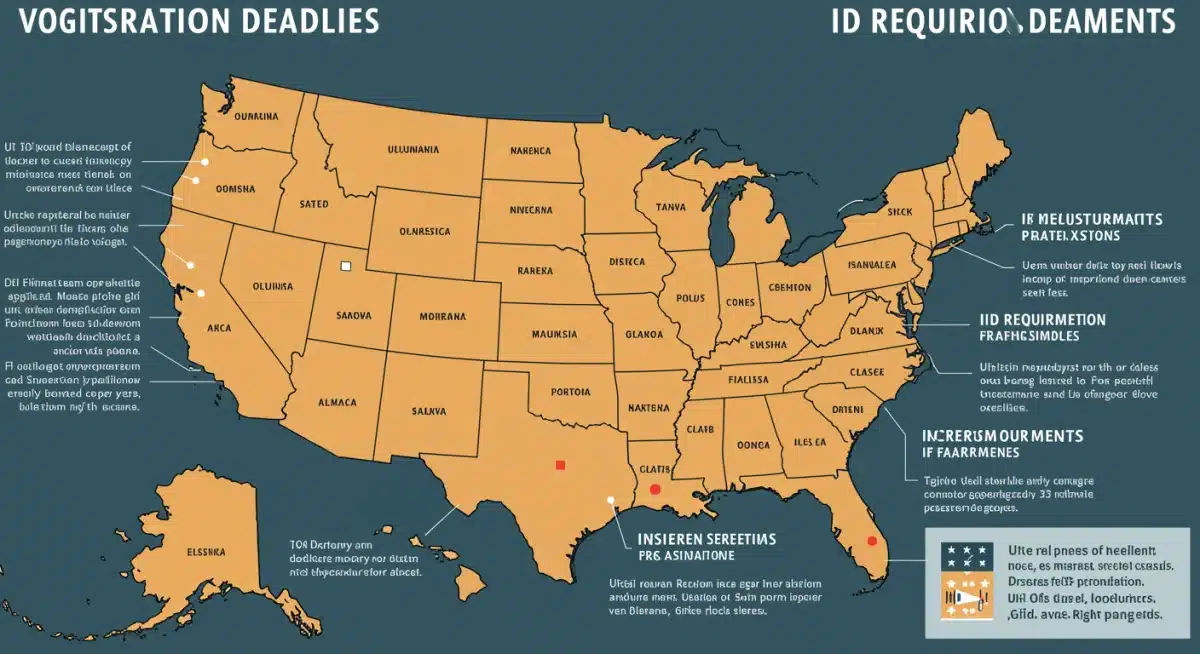
Voter registration deadlines are not static and can be altered by state legislatures. Some states offer same-day registration, allowing individuals to register and vote on Election Day, while others have deadlines weeks or even months in advance.
- Online Registration: Many states have modernized with online voter registration portals.
- Mail-in Registration: Traditional mail-in forms remain available in all states.
- In-Person Registration: Often available at election offices or DMV locations.
It’s crucial for prospective voters to verify the specific deadlines and accepted registration methods in their state well before the 2026 elections. Missing a deadline, even by a day, can result in being unable to vote.
Felon Disenfranchisement and Restoration of Rights
The laws surrounding felon disenfranchisement vary wildly across the U.S. Some states automatically restore voting rights upon release from prison, while others require completion of parole or probation, or even a separate application process. There are also states where certain felony convictions result in permanent disenfranchisement.
Recent years have seen movements in several states to either restrict or expand these rights, reflecting differing views on civic reintegration and punishment. For individuals with past felony convictions, understanding their state’s specific laws regarding the restoration of voting rights is paramount. These changes can be complex and may require legal assistance or consultation with voter advocacy groups to navigate successfully.
Staying informed about voter registration and eligibility rules is a proactive step toward ensuring your ability to participate in the democratic process. These laws are dynamic, and what was true for the last election might not hold for 2026, making continuous vigilance essential.
Ballot Access and Voting Methods: What to Expect
The ways in which Americans can cast their votes are continually evolving, driven by technological advancements, security concerns, and efforts to enhance convenience. For the 2026 elections, voters should anticipate further adjustments to ballot access and available voting methods. These changes are often aimed at balancing the ease of voting with the integrity of the electoral process, leading to a diverse array of options across different states.
From early in-person voting to the expansion or contraction of mail-in ballot options, understanding the specific methods available in your locality is critical. These variations mean that a voting strategy that works in one county might not be applicable in another, even within the same state.
Early Voting Opportunities
Many states have embraced early in-person voting, allowing citizens to cast their ballots at designated locations weeks before Election Day. This method aims to reduce congestion at polling places on Election Day and provide flexibility for voters with busy schedules.
- Duration: Early voting periods can range from a few days to several weeks.
- Locations: Often held at county election offices, community centers, or temporary polling sites.
- Benefits: Reduces wait times, accommodates work schedules, and provides flexibility.
However, some states are re-evaluating the extent of early voting, potentially shortening periods or reducing the number of available locations. Voters should verify the early voting schedule and sites specific to their jurisdiction for the 2026 elections.
Mail-in Ballots and Drop Boxes
The use of mail-in ballots has become a prominent feature in recent elections, and states are continuing to refine their regulations regarding this method. While some states have moved towards universal mail-in voting, sending ballots to all registered voters, others maintain stricter rules requiring voters to request an absentee ballot with a valid excuse.
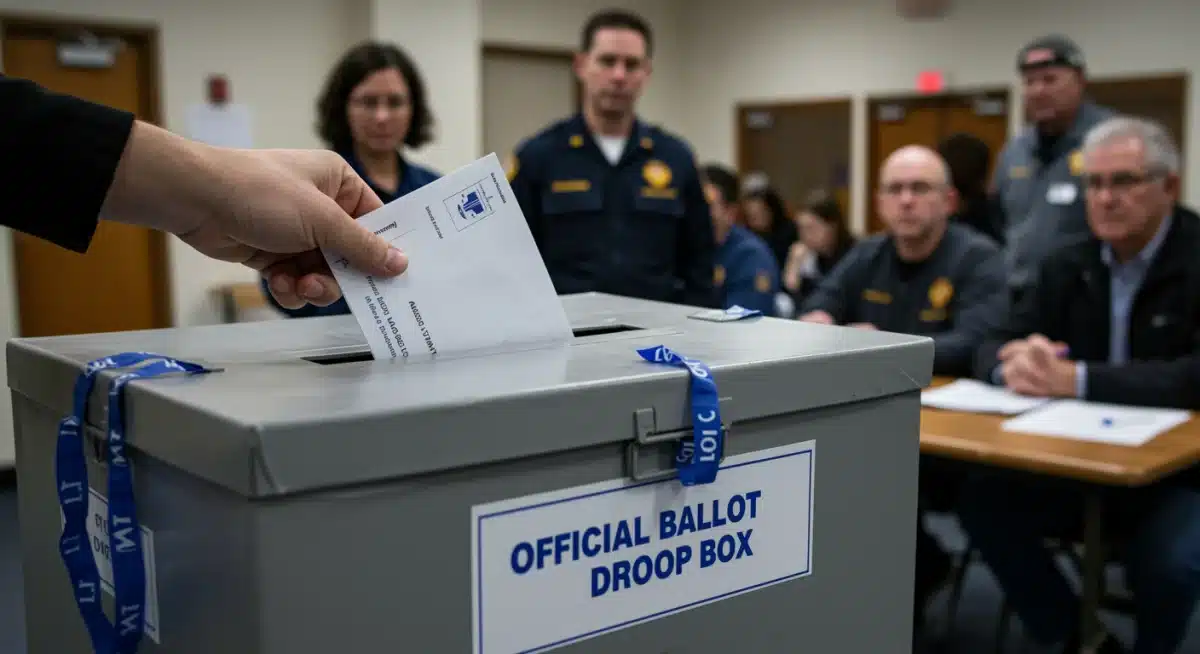
The availability and security of ballot drop boxes are also under scrutiny. Many states are increasing the number of secure drop boxes to provide a convenient and safe alternative to mailing ballots, while others are imposing limitations on their placement and monitoring. Voters relying on mail-in ballots should be aware of:
- Application Deadlines: When to request a mail-in ballot.
- Return Deadlines: When the ballot must be received by election officials.
- Signature Verification: The process used to match signatures on ballots with those on file.
The evolving landscape of ballot access and voting methods underscores the importance of proactive information gathering. Voters must consult official state and local election resources to ensure they are fully prepared to cast their vote using the most appropriate and secure method available to them.
Election Security and Integrity Measures
Ensuring the security and integrity of elections remains a top priority for states and federal agencies, especially in the wake of heightened concerns. As we look towards the 2026 elections, expect to see continued implementation and refinement of various measures designed to protect the electoral process from tampering, fraud, and cyber threats. These efforts are critical for maintaining public confidence in election outcomes and upholding the democratic process.
The focus on election security is multifaceted, encompassing everything from the physical security of ballots and voting machines to the digital resilience of voter registration databases and election night reporting systems. States are investing in new technologies and protocols, often in collaboration with federal cybersecurity experts, to safeguard against potential vulnerabilities. Voters should be aware that some of these security enhancements might subtly alter their voting experience.
Audits and Post-Election Reviews
To bolster confidence in election results, many states are expanding and refining their post-election audit processes. These audits serve as a crucial check on the accuracy of vote counts and the reliability of voting equipment.
- Risk-Limiting Audits (RLAs): Increasingly adopted, RLAs statistically verify election outcomes and can detect errors.
- Manual Recounts: Some states mandate manual recounts for close races or as a standard procedure.
- Transparency: Many audits are conducted publicly, allowing observers to witness the process.
These reviews are designed to catch discrepancies and ensure that the reported results accurately reflect the ballots cast, providing an important layer of verification to the electoral system.
Cybersecurity Enhancements for Election Systems
The digital components of election administration are increasingly targeted by malicious actors, prompting states to significantly enhance their cybersecurity defenses. This includes protecting voter registration databases, electronic poll books, and systems used for transmitting unofficial results on election night.
Investments are being made in:
- Threat Detection: Advanced systems to identify and neutralize cyber threats.
- Data Encryption: Protecting sensitive voter information.
- Training: Equipping election officials with the knowledge to identify and respond to cyber incidents.
These cybersecurity measures are often invisible to the average voter but are vital for the smooth and secure operation of elections. They represent a continuous effort to stay ahead of evolving threats and ensure the integrity of the digital infrastructure supporting our democracy.
The ongoing commitment to election security and integrity is a dynamic process, with states constantly adapting to new challenges. While these measures are primarily managed by election officials, an informed electorate that understands the efforts being made can contribute to overall trust and participation in the democratic system.
State-Specific Changes and Their Implications
Given the decentralized nature of U.S. election administration, understanding state-specific changes is paramount for voters. While national trends provide a general overview, the real impact of new voting laws will be felt at the local level. Each state has its own legislative calendar and political dynamics, leading to a unique set of reforms that can vary significantly from one election cycle to the next.
These state-level modifications can affect everything from the most basic aspects of voting, such as where and when you can register, to the more complex procedures surrounding ballot casting and counting. It’s not enough to be generally aware of changes; voters must actively seek information pertinent to their specific state and even their county or municipality.
Notable State Reforms Across the Nation
Across the country, states are pursuing diverse legislative agendas regarding voting. For example, some states might be enacting stricter voter ID laws, while others are expanding automatic voter registration. The implications of these changes can be profound.
- Texas: Has recently focused on strengthening election integrity measures, including stricter rules for mail-in voting and voter assistance.
- New York: Has generally moved towards expanding voter access, with measures like early voting and no-excuse absentee voting.
- Georgia: Implemented significant changes to its voting laws, including new requirements for absentee ballot applications and limitations on drop box access.
These examples illustrate the varied approaches states are taking. Each reform, whether expanding or restricting access, comes with its own set of arguments from proponents and opponents, highlighting the deeply partisan nature of many of these legislative battles.
How to Stay Informed About Your State’s Laws
Staying current with your state’s voting laws requires proactive engagement. Official sources are always the most reliable for accurate and up-to-date information. Relying on anecdotal evidence or social media rumors can lead to confusion and potentially disenfranchisement.
Key resources include:
- State Election Websites: The official website of your Secretary of State or State Board of Elections is the primary source for comprehensive information on voting laws, registration, and election dates.
- Local Election Offices: Your county or city election office can provide specific details about polling locations, local deadlines, and available services.
- Non-Partisan Voter Advocacy Groups: Organizations like the League of Women Voters often provide accessible summaries of voting laws and educate voters on their rights.
By regularly consulting these resources, voters can ensure they are fully prepared for the 2026 elections, avoiding last-minute surprises and confidently exercising their right to vote according to the laws of their state.
Advocacy, Legislation, and Future Outlook
The landscape of U.S. voting laws is not static; it is constantly shaped by ongoing advocacy efforts, legislative initiatives, and judicial rulings. As we look beyond the immediate changes for 2026, it’s clear that the debate over voting rights and election administration will continue to be a central feature of American politics. Various organizations and political parties are actively working to influence these laws, often reflecting deeply held beliefs about the nature of democracy and the role of government.
Understanding these ongoing efforts provides insight into the potential trajectory of voting reforms in the years to come. The interplay between grassroots movements, legislative bodies, and the courts creates a dynamic environment where the rules of engagement for future elections are continuously being negotiated and redefined. This continuous evolution means that vigilance and engagement will remain critical for all citizens.
The Role of Voter Advocacy Groups
Voter advocacy groups play a pivotal role in shaping public discourse and influencing legislative outcomes. These organizations work on multiple fronts, from lobbying lawmakers to educating the public and providing legal support to challenge restrictive voting laws.
- Educating Voters: Providing clear, non-partisan information on voter registration, ID requirements, and ballot access.
- Lobbying: Advocating for legislation that expands voter access and protects voting rights.
- Litigation: Challenging laws perceived as discriminatory or unduly restrictive in court.
These groups often serve as crucial watchdogs, monitoring proposed legislation and ensuring that the voices of all eligible voters are represented in the policy-making process. Their efforts can significantly impact the accessibility and fairness of future elections.
Potential Federal Reforms and Their Prospects
While much of the recent activity around voting laws has occurred at the state level, there is ongoing discussion and occasional attempts to pass federal legislation that would establish national standards for elections. Such federal reforms could standardize aspects like voter registration, early voting periods, and felon re-enfranchisement, overriding state-specific variations.
However, passing comprehensive federal voting rights legislation often faces significant political hurdles, including:
- Partisan Divisions: Deep disagreements between political parties on the scope and necessity of federal intervention.
- Filibuster: The Senate filibuster rule often requires broad bipartisan support, which can be difficult to achieve on contentious issues.
- States’ Rights Arguments: Opposition from those who believe election administration should remain primarily a state responsibility.
Despite these challenges, the debate over federal voting rights legislation is likely to continue, with proponents arguing for a more uniform and equitable electoral system across the nation. The outcome of these debates will significantly influence the long-term future of U.S. voting laws and the accessibility of the ballot box.
The future outlook for U.S. voting laws is one of continued flux and contention. Both state and federal efforts, alongside the tireless work of advocacy groups, will determine the framework for elections beyond 2026. Staying engaged with these developments is essential for every citizen invested in the health and fairness of American democracy.
Preparing for the 2026 Elections: A Voter’s Checklist
With the landscape of U.S. voting laws constantly shifting, proactive preparation is the best way to ensure your voice is heard in the 2026 elections. Don’t wait until the last minute; taking a few simple steps now can prevent potential issues and guarantee a smooth voting experience. Being an informed and prepared voter is not only a right but a responsibility, especially when the rules are subject to change.
The goal is to eliminate any uncertainty about your eligibility, registration status, and the process of casting your ballot. By following a structured approach to preparation, you can navigate the complexities of election laws with confidence and contribute effectively to the democratic process.
Verify Your Voter Registration Status
This is perhaps the most critical first step. Voter rolls are sometimes updated, and individuals can be removed due to changes in address, inactivity, or other reasons. Always verify your registration well in advance of an election.
- Online Check: Most states offer online portals where you can quickly check your registration status using your name and date of birth.
- Contact Local Election Office: If you cannot find your registration online, contact your county or city election office directly.
- Update Information: If you’ve moved or changed your name, update your registration promptly.
Confirming your registration status ensures that you are indeed on the voter rolls and eligible to cast a ballot in your current precinct.
Understand Your State’s ID Requirements
As voter ID laws continue to evolve, it’s essential to know precisely what form of identification your state requires at the polls. This can prevent delays or the need to cast a provisional ballot.
Check if your state requires:
- Photo ID: Such as a driver’s license, state ID card, or passport.
- Non-Photo ID: Like a utility bill, bank statement, or government check.
- No ID: Some states do not require any ID for registered voters.
If you need to obtain a new ID or update an existing one, do so well before election season. Many states offer free voter ID cards for those who need them.
Know Your Voting Options and Deadlines
Familiarize yourself with all the available voting methods in your state and the associated deadlines. This includes early voting, mail-in ballots, and Election Day voting.
- Early In-Person Voting: Dates, times, and locations.
- Mail-in/Absentee Voting: Application deadlines, return deadlines, and secure drop box locations.
- Election Day Voting: Polling place location, hours, and what to expect.
Creating a personal voting plan that includes how, when, and where you will cast your ballot can significantly reduce stress and ensure your participation. By taking these proactive steps, you can confidently navigate the US voting laws 2026 changes and exercise your fundamental right to vote.
| Key Aspect | Brief Description |
|---|---|
| Voter Registration | Deadlines and methods are changing; verify your status and update information promptly. |
| Voter ID Laws | Requirements for identification at the polls are evolving; know your state’s specific rules. |
| Ballot Access | Early voting, mail-in ballots, and drop box regulations are being refined by states. |
| Election Security | Enhanced audits and cybersecurity measures are being implemented to ensure integrity. |
Frequently Asked Questions About 2026 US Voting Laws
You can typically check your voter registration status through your state’s official election website, usually managed by the Secretary of State or State Board of Elections. These sites often have a dedicated portal where you can enter your personal details to verify your status and update your information if needed.
It’s highly probable that voter ID requirements will continue to evolve. Many states are actively reviewing and modifying these laws. It’s crucial to consult your specific state’s election website closer to the 2026 elections to understand the exact types of identification accepted at the polls.
Federal voting laws establish broad protections and guidelines, such as the Voting Rights Act. State voting laws, however, govern the specifics of election administration, including voter registration, ballot types, polling place operations, and identification requirements. This creates a diverse legal landscape across the U.S.
Mail-in voting procedures vary by state. Some states offer universal mail-in ballots, while others require an application and a valid excuse. Check your state’s election website for specific instructions on how to request a mail-in ballot, application deadlines, and secure return methods.
Election security measures include enhanced cybersecurity for voter databases, post-election audits, and physical security for ballots and machines. While largely unseen, these measures ensure the integrity of your vote and the accuracy of results. They aim to build trust in the electoral process without directly altering your voting experience.
Conclusion
The evolving nature of US voting laws 2026 demands continuous vigilance and proactive engagement from every eligible citizen. From shifts in voter registration and ID requirements to changes in ballot access and robust election security measures, the landscape of American democracy is dynamic. Staying informed through official state and local election resources, and understanding the nuances of federal versus state authority, are critical steps toward ensuring your voice is effectively heard. Your participation is the cornerstone of a healthy democracy, and being prepared is the best way to uphold that principle in the upcoming elections.