How US Communities Address Homelessness: Innovative Programs
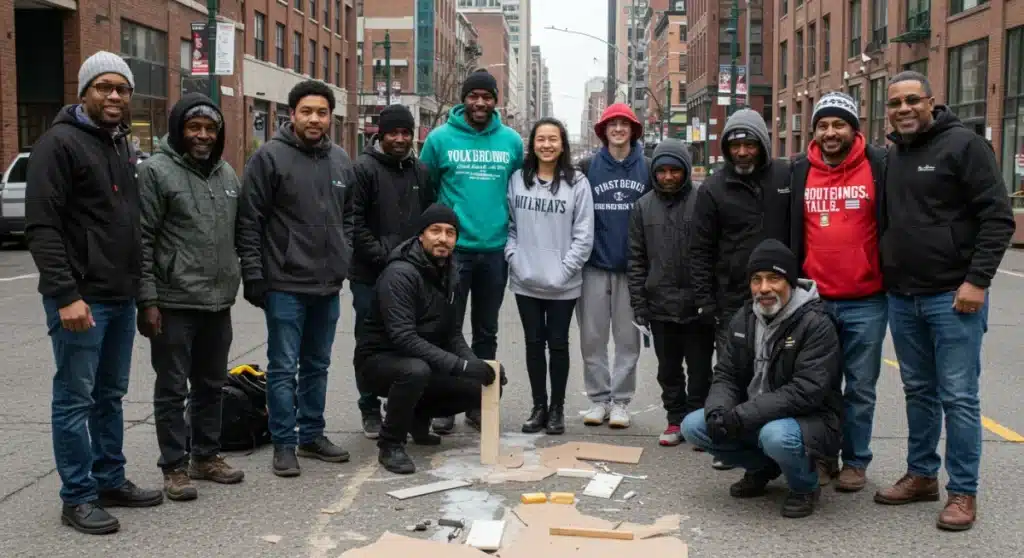
US communities are implementing a diverse array of innovative programs and comprehensive support systems to tackle homelessness, focusing on housing-first approaches, mental health integration, and community partnerships for lasting change.
The challenge of homelessness in the United States is complex and multifaceted, affecting millions of individuals and families across the nation. However, amidst these challenges, a wave of innovation and compassion is sweeping through various communities, transforming how they approach this pressing issue.
This article delves into How US Communities Are Addressing Homelessness: Innovative Programs and Support, exploring the creative solutions, collaborative efforts, and profound impacts these initiatives are making in the lives of those most vulnerable.
Understanding the Landscape of Homelessness in America
Before diving into solutions, it’s crucial to grasp the current state of homelessness in the US. It’s not a monolithic problem; rather, it’s a diverse set of circumstances stemming from economic hardship, mental health crises, substance abuse, domestic violence, and systemic inequalities. Understanding these underlying causes is the first step toward crafting effective, humane responses.
Homelessness manifests in various forms, from unsheltered individuals living on the streets to families residing in temporary shelters or transitional housing.
Each demographic faces unique challenges, requiring tailored interventions rather than a one-size-fits-all approach. Recent data indicates a persistent, sometimes increasing, number of people experiencing homelessness, underscoring the urgency of these community efforts.
The Diverse Faces of Homelessness
The population experiencing homelessness is incredibly diverse, encompassing veterans, youth, families with children, and individuals with chronic health conditions. This diversity necessitates a broad spectrum of services that can adapt to different needs and life experiences.
Veterans: Many veterans struggle with homelessness due to trauma, mental health issues, and difficulties transitioning to civilian life.
Youth: Young people, often fleeing abusive homes or aging out of foster care, face unique vulnerabilities on the streets.
Families: Economic instability and lack of affordable housing are primary drivers for families experiencing homelessness, impacting children’s development and education.
Addressing homelessness effectively means acknowledging these diverse experiences and designing programs that are inclusive and accessible to all. This foundational understanding allows communities to build more robust and empathetic support systems.
The Housing First Approach: A Paradigm Shift
One of the most significant shifts in how US communities are addressing homelessness is the widespread adoption of the Housing First model.
This approach prioritizes providing immediate access to stable and permanent housing, without preconditions like sobriety or participation in treatment programs. The philosophy is simple: once basic needs like shelter are met, individuals are better equipped to address other challenges in their lives.
The Housing First model has demonstrated remarkable success rates in retaining housing and improving overall well-being. It recognizes that housing is a fundamental human right and a prerequisite for successful recovery and integration into society. This contrasts sharply with traditional models that often require individuals to achieve certain milestones before qualifying for housing assistance.
Benefits of Housing First
The effectiveness of Housing First stems from several key benefits that empower individuals and reduce the long-term costs associated with homelessness.
Increased Housing Stability: Studies consistently show higher rates of housing retention compared to traditional approaches.
Improved Health Outcomes: Access to stable housing leads to better physical and mental health, as individuals can more easily access healthcare services.
Reduced Public Costs: Providing housing is often more cost-effective than managing chronic homelessness through emergency services, hospitals, and incarceration.
Enhanced Quality of Life: Residents report greater autonomy, dignity, and opportunities for personal growth and community engagement.
By focusing on housing as the primary intervention, communities are not only providing immediate relief but also laying the groundwork for long-term stability and success for individuals experiencing homelessness. This shift represents a more humane and economically sound strategy.
Integrated Services and Holistic Support
Beyond providing a roof over one’s head, successful programs recognize the need for comprehensive, integrated support services. These services address the complex web of issues often intertwined with homelessness, such as mental health disorders, substance use, unemployment, and lack of education. Many US communities are now building robust networks of support, ensuring individuals receive the care they need to thrive.
These integrated approaches often involve multidisciplinary teams comprising social workers, mental health professionals, case managers, and employment specialists. They work collaboratively to create individualized support plans, ensuring that services are coordinated and accessible. The goal is to treat the whole person, not just the symptom of homelessness.
Key Components of Integrated Support
Effective integrated support systems are characterized by their comprehensiveness and person-centered design.
Mental Health and Substance Use Treatment: On-site or easily accessible services are crucial for addressing underlying conditions.
Employment and Education Programs: Vocational training, job placement, and educational opportunities empower individuals to gain financial independence.
Healthcare Access: Connecting individuals to primary care, dental services, and specialized medical treatments is vital for overall well-being.
Life Skills Training: Programs focusing on budgeting, cooking, hygiene, and social skills help residents maintain independence and integrate into the community.
The synergy between housing and these wraparound services is what truly makes a difference, enabling individuals to not only exit homelessness but to build stable, fulfilling lives. This holistic approach is a cornerstone of effective community responses.

Community-Led Initiatives and Public-Private Partnerships
Many of the most impactful programs for addressing homelessness are born from the grassroots efforts of community members and strengthened through strategic public-private partnerships.
Local churches, non-profits, businesses, and government agencies are increasingly pooling resources and expertise to create innovative solutions tailored to their specific community needs. This collaborative spirit fosters a sense of shared responsibility and collective action.
These partnerships are a cornerstone of effective solutions to homelessness, bringing together diverse stakeholders to create more comprehensive and sustainable outcomes.
They can take many forms, including joint funding initiatives, coordinated outreach programs, and shared service delivery models that integrate housing, healthcare, employment support, and social services into a unified approach.
Each sector contributes unique strengths that enhance the overall impact. Non-profit organizations often bring flexibility, innovation, and deep on-the-ground experience in working with vulnerable populations.
Government agencies provide essential funding, policy support, and large-scale infrastructure. Meanwhile, local businesses and community volunteers contribute resources, employment opportunities, and grassroots engagement that strengthen community ties.
By combining these strengths, the collective impact model ensures that efforts are not fragmented but aligned toward common goals.
This coordination helps reduce inefficiencies, avoid duplication of services, and make better use of available resources. It also allows for more consistent and long-term support systems, rather than short-term or isolated interventions.
Ultimately, these collaborative approaches create a more resilient framework for addressing homelessness—one that is adaptable, resource-efficient, and capable of delivering lasting change within communities.
Examples of Successful Partnerships
Across the US, numerous examples highlight the power of collaboration in tackling homelessness.
“Built for Zero” Campaigns: Communities like Rockford, IL, and Grand Rapids, MI, have achieved functional zero for veteran or chronic homelessness through data-driven, cross-sector collaboration.
Business Coalitions: Local businesses contribute funds, offer employment opportunities, and donate goods and services to support homeless individuals.
University Engagements: Academic institutions provide research, volunteer labor, and expertise to help design and evaluate effective programs.
These community-led initiatives and robust partnerships are vital for creating a comprehensive safety net and fostering an environment where individuals experiencing homelessness can find pathways to stability and belonging.
Preventative Measures and Early Intervention

While responding to existing homelessness is critical, many US communities are also focusing on preventative measures and early intervention strategies to stop homelessness before it starts.
This proactive approach aims to identify individuals and families at risk and provide timely support to prevent them from losing their housing. Prevention is often more cost-effective and less disruptive than addressing chronic homelessness.
Early intervention programs can include rental assistance, mediation services for landlord-tenant disputes, legal aid, and financial counseling. By addressing the root causes of housing instability, such as sudden job loss, medical emergencies, or family crises, these programs help individuals maintain their current housing and avoid the trauma of homelessness.
Strategies for Prevention
A multi-pronged approach to prevention is essential, encompassing various social and economic support systems.
Eviction Prevention Programs: Providing legal assistance, rental subsidies, and mediation services to prevent evictions.
Rapid Re-housing: For those who do experience homelessness, rapid re-housing provides short-term rental assistance and services to quickly move them into permanent housing.
Youth Homelessness Prevention: Programs focused on at-risk youth, including family mediation, safe housing options, and support for those aging out of foster care.
Investing in prevention and early intervention not only reduces the number of people who become homeless but also strengthens the overall stability and resilience of communities. It’s a forward-thinking strategy that yields significant long-term benefits.
Addressing Systemic Barriers and Advocating for Change
Beyond direct services, many communities are actively working to address the systemic barriers that contribute to homelessness. This involves advocating for policy changes at local, state, and federal levels, challenging discriminatory practices, and promoting equitable access to affordable housing and resources. True societal change requires tackling the root causes of inequality and injustice.
Advocacy efforts play a vital role in addressing the root causes of homelessness by pushing for systemic reforms that create long-term, sustainable solutions.
A primary focus is increasing the supply of affordable housing, which remains one of the most critical factors in preventing and reducing homelessness. This includes supporting policies that encourage the development of low-income housing, provide rental assistance, and incentivize inclusive zoning practices.
Strengthening tenant protections is another key priority. Measures such as rent stabilization, eviction prevention programs, and legal support for tenants help reduce housing instability and keep individuals and families from falling into homelessness in the first place.
Advocates also emphasize expanding access to mental health care and addiction treatment services. Many individuals experiencing homelessness face complex health challenges, and ensuring timely, affordable, and compassionate care is essential for both prevention and recovery. Integrating these services with housing programs can significantly improve outcomes.
Reforming aspects of the criminal justice system is equally important, as incarceration and legal barriers often contribute to cycles of homelessness. Efforts to reduce recidivism, remove barriers to employment and housing for formerly incarcerated individuals, and promote rehabilitation over punishment can help break this cycle.
Together, these systemic changes are fundamental to building a more just and inclusive society—one where homelessness is addressed not just as an immediate crisis, but as a preventable condition shaped by policy, access, and opportunity.
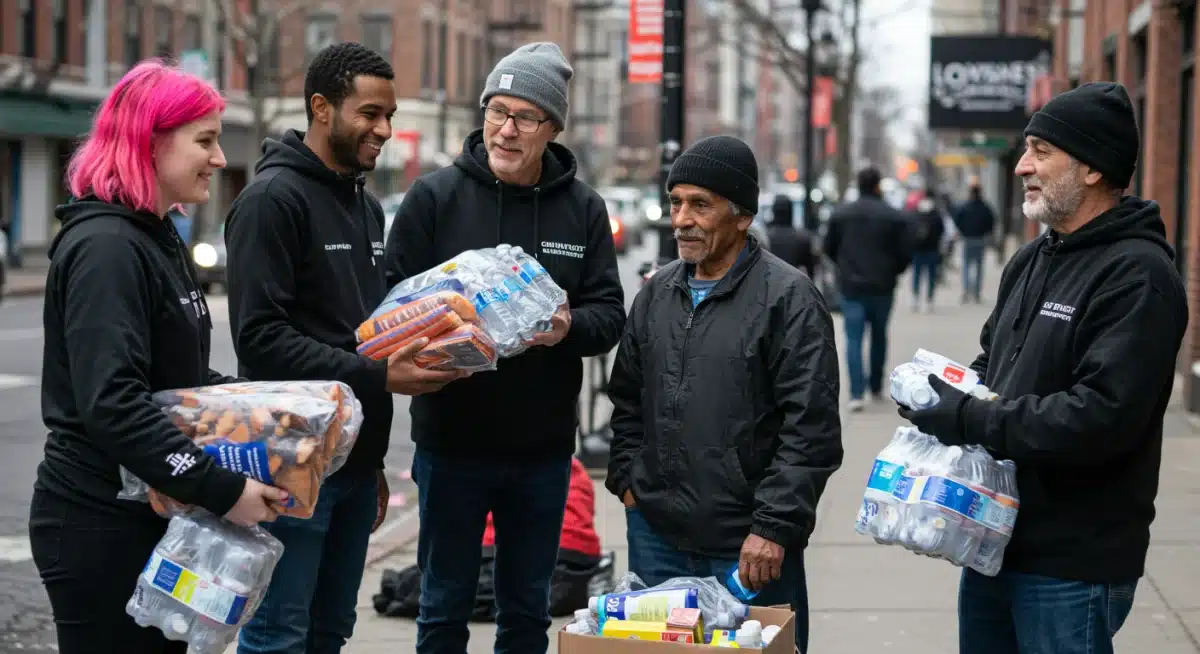
Policy and Advocacy Priorities
A concerted effort to influence policy can create lasting change and reduce the prevalence of homelessness.
Affordable Housing Development: Lobbying for zoning reforms, tax incentives, and funding for the construction of more affordable housing units.
Tenant Protections: Advocating for stronger eviction moratoriums, right-to-counsel for tenants, and reasonable rent control measures.
Funding for Support Services: Pushing for increased government funding for mental health, substance use treatment, and social support programs.
By addressing systemic issues, communities are not just mitigating the effects of homelessness but actively working to dismantle the structures that perpetuate it, paving the way for a more equitable future. This broader scope of action is essential for sustainable progress.
The Role of Data and Technology in Solutions
Modern approaches to addressing homelessness increasingly leverage data and technology to improve efficiency, target interventions, and measure impact.
Communities are using advanced data analytics to understand demographic trends, identify individuals most in need, and track the effectiveness of various programs. This data-driven approach allows for continuous improvement and more strategic allocation of resources.
Technology is becoming an increasingly powerful tool in addressing homelessness, transforming how outreach and service delivery are conducted across US communities.
Mobile applications now play a vital role in connecting individuals experiencing homelessness with essential resources such as shelters, food programs, healthcare services, and job opportunities. These tools provide real-time information, making it easier for individuals to access help when and where they need it most.
In addition, integrated data systems are improving coordination among service providers. By securely sharing information across agencies, these systems help reduce duplication of services, ensure more personalized care, and allow organizations to track outcomes more effectively. This coordinated approach enables faster responses and more efficient use of limited resources.
The impact of these technological advancements extends beyond efficiency—they enhance the overall responsiveness and effectiveness of support systems. With better data insights and streamlined communication, communities can identify gaps, allocate resources more strategically, and ultimately provide more comprehensive and timely support to those in need.
Technological Innovations in Action
From predictive analytics to digital resource mapping, technology is transforming how communities combat homelessness.
Homeless Management Information Systems (HMIS): Centralized databases that track client data, service utilization, and housing outcomes, providing valuable insights for program improvement.
Mobile Outreach Apps: Applications that allow outreach workers to quickly assess needs, connect individuals to services, and provide real-time updates on resource availability.
Predictive Analytics: Using data to identify individuals at high risk of homelessness, enabling targeted preventative interventions.
The integration of data and technology into homelessness response strategies is making these efforts smarter, more efficient, and ultimately more effective in achieving lasting solutions for individuals and communities.
| Key Focus Area | Brief Description |
|---|---|
| Housing First Model | Prioritizes immediate, unconditional housing access as a foundation for stability and recovery. |
| Integrated Support Services | Comprehensive wraparound services addressing mental health, substance use, employment, and life skills. |
| Community Partnerships | Collaboration between non-profits, government, businesses, and volunteers for collective impact. |
| Prevention & Early Intervention | Proactive strategies like rental assistance and legal aid to prevent housing loss. |
Frequently Asked Questions About Homelessness Solutions
The Housing First model provides immediate, permanent housing to individuals experiencing homelessness without preconditions like sobriety or treatment. It’s effective because stable housing is a fundamental human need, allowing individuals to address other challenges like mental health and employment more successfully once their basic shelter needs are met.
Integrated services offer a comprehensive range of support, including mental health care, substance abuse treatment, job training, and life skills education. By addressing the multiple issues often intertwined with homelessness holistically, these services help individuals build stability and independence for long-term well-being.
Community partnerships unite non-profits, government agencies, businesses, and volunteers to share resources and expertise. This collaborative approach creates more comprehensive and sustainable solutions, leveraging diverse strengths to address local needs and maximize impact in the fight against homelessness.
Yes, preventative measures and early intervention strategies are crucial. These include eviction prevention programs, emergency rental assistance, legal aid for tenants, and financial counseling. By addressing housing instability risk factors proactively, communities can help individuals maintain their homes and avoid becoming homeless.
Technology enhances homelessness solutions through data analytics, mobile outreach apps, and integrated information systems. It helps identify at-risk individuals, track program effectiveness, coordinate services, and connect people with resources more efficiently, making interventions smarter and more targeted for better outcomes.
Conclusion
The journey to end homelessness in the US is ongoing, marked by both persistent challenges and inspiring progress. Through innovative programs like Housing First, the integration of comprehensive support services, the power of community-led initiatives, and a commitment to prevention and systemic change, US communities are demonstrating that homelessness is a solvable problem.
By embracing data-driven strategies and fostering strong partnerships, these efforts are not just providing temporary relief but are building sustainable pathways to stability and dignity for thousands of individuals, reinforcing the belief that every person deserves a place to call home.