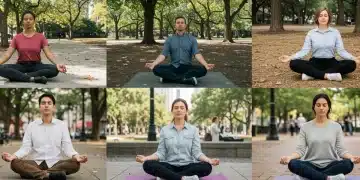
Gratitude’s Power: 5-Minute Daily Practice for US Mental Well-being

In the fast-paced landscape of the United States, finding moments of peace and fostering positive mental health can feel like a challenge. Yet, the profound impact of a simple, consistent practice is often overlooked.
We delve into The Power of Gratitude: How a 5-Minute Daily Practice Can Transform Your Mental Well-being in the US, revealing how this accessible habit can reshape your perspective and enhance your life.
Understanding the Science Behind Gratitude and Mental Well-being
Gratitude is more than just saying ‘thank you’; it’s a powerful positive emotion that has been extensively studied for its profound effects on mental and physical health.
In the context of the US, where stress levels are often high, understanding the scientific underpinnings of gratitude can provide a compelling reason to integrate it into daily life.
Research indicates that regularly practicing gratitude can literally rewire the brain. It activates regions associated with reward, moral cognition, and self-referential judgments, leading to a more positive outlook.
This isn’t just anecdotal; neuroimaging studies have shown tangible changes in brain activity among individuals who consistently engage in grateful thinking.
The Neural Pathways of Appreciation
When you feel grateful, your brain releases neurochemicals like dopamine and oxytocin. Dopamine is known as the ‘feel-good’ neurotransmitter, playing a crucial role in motivation and pleasure. Oxytocin, often called the ‘love hormone,’ fosters bonding and trust, enhancing social connections.
Dopamine Release: Boosts mood and reinforces positive behaviors.
Oxytocin Production: Strengthens social bonds and reduces feelings of isolation.
Prefrontal Cortex Activation: Improves decision-making and emotional regulation.
Moreover, gratitude has been linked to reduced levels of cortisol, the primary stress hormone. Lower cortisol levels contribute to better sleep, improved immune function, and a decreased risk of chronic diseases, all vital for overall well-being in a society grappling with widespread health concerns.
Psychological Benefits Beyond the Brain
Beyond the neurological changes, gratitude cultivates a range of psychological benefits. It shifts focus from what one lacks to what one has, fostering a sense of abundance rather than scarcity.
This cognitive reframing is essential for combating negative thought patterns and building resilience against adversity.
Studies have shown that grateful individuals report higher levels of happiness and life satisfaction. They tend to be more optimistic, less materialistic, and less prone to envy.
These psychological advantages create a protective buffer against mental health challenges prevalent in the US, such as anxiety and depression.
In essence, the science confirms that gratitude is not merely a pleasant emotion but a fundamental tool for enhancing mental well-being.
Its ability to positively alter brain chemistry and foster healthier psychological states makes it an invaluable practice for anyone seeking a more fulfilling life in the United States.
The Simplicity of a 5-Minute Daily Gratitude Practice
The beauty of a gratitude practice lies in its profound simplicity and minimal time commitment. In a nation where time is often considered a precious commodity, the idea of transforming mental well-being with just five minutes a day is incredibly appealing.
This small investment can yield significant returns, making it accessible to even the busiest individuals across the US.
Starting a daily gratitude routine doesn’t require elaborate rituals or specialized equipment. It’s about intentionally setting aside a brief period to acknowledge the good things in your life, no matter how small they may seem.
This deliberate act of recognition is what initiates the positive cascade of psychological and neurological benefits.
Choosing Your Gratitude Method
There are several effective ways to incorporate gratitude into your daily routine, each adaptable to individual preferences and lifestyles. The key is consistency and finding a method that resonates with you, making it enjoyable rather than a chore.
Gratitude Journaling: Dedicate a small notebook or a digital document to jot down 3-5 things you’re grateful for each day.
Mental Scan: Before getting out of bed or falling asleep, mentally list things you appreciate.
Gratitude Jar: Write down grateful moments on small slips of paper and put them in a jar, to be reread later.
The specific method is less important than the act of doing it consistently. Whether you prefer writing, speaking, or simply thinking, the goal is to cultivate a habit of appreciative reflection. This brief pause in your day can serve as a powerful mental reset, shifting your focus from challenges to blessings.

Many Americans find it helpful to integrate their gratitude practice with existing routines, such as during their morning coffee, while commuting, or before dinner. This piggybacking strategy makes it easier to establish and maintain the habit, ensuring that those five minutes become a non-negotiable part of the day.
Overcoming Initial Hurdles
Initially, some may find it challenging to identify things to be grateful for, especially during difficult times. However, gratitude isn’t about ignoring problems; it’s about acknowledging the good alongside the bad.
Start with the basics: a warm bed, a hot cup of coffee, the sun shining, or a kind word from a colleague.
The more you practice, the easier it becomes to notice and appreciate the myriad blessings in your life. This simple, daily commitment to gratitude is a testament to its power, requiring minimal effort for maximum impact on mental well-being across the diverse lives of people in the US.
Real-World Impacts: How Gratitude Transforms Lives in the US
The theoretical benefits of gratitude are compelling, but its real-world impact truly underscores its transformative power.
Across the United States, individuals from all walks of life are discovering how a consistent gratitude practice can profoundly alter their daily experiences, leading to tangible improvements in various aspects of their lives.
From bustling urban centers to quiet rural communities, stories emerge consistently about how shifting one’s focus to appreciation fosters resilience, strengthens relationships, and even improves physical health.
This isn’t just about feeling good; it’s about actively building a more robust and fulfilling life.
Enhanced Emotional Resilience
In a society marked by frequent challenges and uncertainties, emotional resilience is a critical asset. Gratitude acts as a powerful buffer against stress and adversity, enabling individuals to navigate difficult situations with a more positive outlook.
When faced with setbacks, grateful people tend to recover faster and perceive challenges as opportunities for growth rather than insurmountable obstacles.
Reduced Stress Levels: Lower cortisol and improved coping mechanisms.
Increased Optimism: A more hopeful perspective on future events.
Greater Resilience: Ability to bounce back from difficult experiences more effectively.
This enhanced resilience is particularly vital in the US, where mental health issues are a growing concern. Practicing gratitude provides a proactive tool for individuals to strengthen their emotional fortitude, offering a sense of control and agency in their well-being journey.
Stronger Social Connections
Gratitude is inherently relational. Expressing appreciation to others not only makes them feel valued but also strengthens the bonds between individuals. In a country that sometimes struggles with social fragmentation, fostering these connections can lead to more supportive communities and personal relationships.
When you regularly acknowledge the kindness and contributions of others, you cultivate a cycle of positive interaction.
This can lead to increased empathy, forgiveness, and a greater sense of belonging, all of which are fundamental components of mental well-being. For many Americans, this means deeper friendships, more harmonious family dynamics, and a stronger sense of community.
Improved Physical Health Outcomes
While often associated with mental health, gratitude also has surprising benefits for physical well-being. Studies have linked regular gratitude practice to better sleep quality, lower blood pressure, and a stronger immune system. This holistic impact highlights how interconnected our mental and physical states truly are.
Individuals who practice gratitude tend to be more mindful of their health, engaging in healthier behaviors and adhering to medical advice more consistently.
This proactive approach to self-care contributes significantly to overall vitality, underscoring gratitude’s comprehensive role in transforming lives across the US.
Overcoming Common Obstacles to Daily Gratitude

While the benefits of a 5-minute daily gratitude practice are undeniable, integrating it into a busy American lifestyle isn’t always straightforward.
Many individuals encounter common obstacles that can derail their intentions, from a lack of time to feelings of cynicism. Recognizing these hurdles is the first step toward effectively overcoming them and maintaining a consistent practice.
The key to sustained gratitude lies in developing strategies that address these challenges head-on.
By understanding the typical roadblocks, you can consciously implement methods to ensure your daily dose of appreciation remains an integral part of your routine, contributing positively to your mental well-being in the US.
The ‘No Time’ Fallacy
One of the most frequently cited reasons for not practicing gratitude is a perceived lack of time. In a culture that often glorifies constant busyness, finding even five minutes for reflection can feel like an indulgence. However, this perspective often overlooks the profound impact those few minutes can have on productivity and overall mental clarity.
Integrate with existing routines: Pair gratitude with morning coffee, commuting, or before bed.
Set a daily reminder: Use your phone or calendar to prompt your 5-minute practice.
Start small: Even 60 seconds of reflection is better than nothing, building up to five minutes.
The truth is, everyone can spare five minutes. It’s about prioritizing mental well-being and recognizing that this brief pause can enhance, rather than detract from, your daily schedule. By reframing gratitude as an essential investment in yourself, the ‘no time’ excuse quickly dissipates.
Battling Cynicism and Negativity
For some, particularly those facing significant life challenges, the idea of feeling grateful can seem disingenuous or even impossible.
A prevailing cynical mindset or a period of intense negativity can make it difficult to identify anything positive. However, gratitude is not about ignoring pain; it’s about finding small beacons of light amidst the darkness.
Start with extremely basic things: the comfort of a chair, the taste of water, the sound of music. These simple observations can gradually chip away at a negative outlook.
Over time, as your perception shifts, you’ll find it easier to recognize more profound blessings. Consistency, even when it feels forced, is crucial in retraining your brain to seek out the positive.
By proactively addressing these common obstacles, anyone in the US can successfully integrate a daily gratitude practice into their life, unlocking its powerful benefits for enhanced mental well-being. It’s a journey of small steps, but each step contributes to a more appreciative and resilient self.
Integrating Gratitude into Your American Lifestyle
Successfully weaving a 5-minute gratitude practice into the fabric of daily life in the United States requires intentionality and adaptability.
Given the diverse routines and demands that characterize American lifestyles, finding personalized ways to integrate this habit is crucial for its long-term success. It’s about making gratitude a natural, almost automatic, part of your day rather than an isolated task.
The goal is to move beyond simply scheduling five minutes and instead, to create prompts and environments that naturally encourage grateful reflection.
This thoughtful integration ensures that gratitude becomes a sustainable practice, continuously enhancing your mental well-being within your unique context.
Morning Rituals and Commute Mindfulness
For many Americans, the morning sets the tone for the entire day. Integrating gratitude into your morning ritual can be a powerful way to start on a positive note. Instead of immediately checking emails or social media, dedicate the first few minutes to grateful reflection.
Morning Journaling: Before coffee, write down three things you are grateful for.
Mindful Commute: On your way to work, notice and appreciate elements of your surroundings.
Affirmations: Speak aloud three things you are grateful for while getting ready.
Even during a busy commute, whether by car, train, or bus, you can practice gratitude. Instead of focusing on traffic or delays, take a moment to appreciate the convenience of transportation, the beauty of the landscape, or the simple fact of having a job to go to. This shift in focus can dramatically reduce commute-related stress.
Gratitude at Work and During Breaks
The workplace can be a significant source of stress, making it an ideal environment for a gratitude intervention.
A quick 5-minute gratitude practice during a coffee break or before a challenging meeting can help maintain perspective and foster a more positive work environment.
Consider expressing gratitude to colleagues for their help, appreciating a successful project, or simply being thankful for a comfortable workspace.
These small acts of appreciation can improve team dynamics and reduce feelings of burnout, contributing to overall mental well-being for professionals across the US.
Furthermore, gratitude can extend to how you interact with technology. Instead of mindlessly scrolling, use your phone to send a quick thank-you message to someone, or use an app designed for gratitude journaling.
The key is to be intentional about how you use your time, ensuring that gratitude finds its place amidst your digital interactions.
By strategically integrating gratitude into various parts of your day, it ceases to be an extra task and becomes an inherent part of your American lifestyle, continually uplifting your mental well-being.
Sustaining Your Gratitude Journey: Long-Term Benefits
Embarking on a 5-minute daily gratitude practice is a commendable first step, but the true transformative power lies in its consistent, long-term application.
Sustaining this journey unlocks a cascade of enduring benefits that significantly enhance mental well-being and overall life satisfaction for individuals throughout the US. It’s not a quick fix, but a cumulative process that builds resilience and happiness over time.
Just like physical exercise, the effects of gratitude deepen and become more ingrained with regular practice. This sustained commitment fosters a profound shift in perspective, making gratefulness a natural lens through which you view the world, even amidst life’s inevitable challenges.
Cultivating a Grateful Mindset
One of the most significant long-term benefits is the development of a ‘grateful mindset.’ This isn’t just about performing a daily exercise; it’s about fundamentally altering your cognitive patterns to more readily identify and appreciate the positive aspects of life. Over time, your brain becomes more adept at noticing blessings, even in mundane circumstances.
Automatic Positive Framing: Naturally interpret situations with a more optimistic lens.
Reduced Rumination: Less dwelling on negative thoughts and experiences.
Enhanced Problem-Solving: Approach challenges with a more creative and hopeful attitude.
This mindset shift provides a powerful internal resource, enabling you to navigate the complexities of modern American life with greater ease and emotional stability. It becomes a default setting, rather than an effortful act, continuously supporting your mental health.
Building Lasting Happiness and Life Satisfaction
Research consistently demonstrates a strong correlation between sustained gratitude practices and higher levels of happiness and life satisfaction.
This isn’t fleeting joy, but a deeper, more abiding sense of contentment that permeates various areas of your life – personal, professional, and social.
By regularly acknowledging the good, you cultivate an internal environment that is less susceptible to external fluctuations.
This allows for a more stable and profound sense of well-being, fostering a greater appreciation for your life as a whole. For many in the US, this translates into a more meaningful existence, enriched by a conscious awareness of its gifts.
Inspiring Others and Creating a Ripple Effect
The long-term practice of gratitude doesn’t just benefit the individual; it often creates a positive ripple effect that extends to family, friends, and community.
When you consistently express and embody gratitude, you inspire those around you to adopt similar perspectives, fostering a more positive and supportive environment.
This can lead to stronger relationships, increased acts of kindness, and a greater sense of collective well-being. In a nation where community spirit is highly valued, the sustained practice of gratitude can contribute to a more compassionate and connected society, underscoring its far-reaching importance.
Gratitude as a Tool for Stress Reduction and Resilience in the US
In the United States, where high-pressure work environments, economic concerns, and societal expectations often contribute to elevated stress levels, finding effective tools for stress reduction and building resilience is paramount.
A 5-minute daily gratitude practice emerges as a remarkably potent and accessible strategy, offering a natural antidote to the pervasive pressures of modern life.
Gratitude doesn’t eliminate stress; rather, it changes our relationship with it. By shifting our focus from perceived threats to acknowledged blessings, we can reframe our experiences and cultivate a more resilient psychological state, better equipped to weather life’s storms.
Reframing Stressful Situations
One of the most powerful ways gratitude combats stress is by encouraging cognitive reframing. When faced with a challenging situation, a grateful mindset allows us to seek out the silver lining, learn from the experience, or appreciate the resources we have to cope.
Perspective Shift: Viewing problems as opportunities for growth.
Emotional Regulation: Better management of anxiety and frustration.
Reduced Catastrophizing: Less tendency to inflate the severity of issues.
For example, a traffic jam can be reframed not as a frustrating delay, but as an unexpected moment to listen to a podcast, practice deep breathing, or simply enjoy a quiet moment. This subtle but significant shift in perspective can prevent minor irritations from escalating into major stressors.
Building Emotional Fortitude
Consistent gratitude practice strengthens emotional fortitude, making individuals less vulnerable to the detrimental effects of chronic stress. By regularly acknowledging positive experiences, even small ones, people build a reservoir of positive emotions that can be drawn upon during difficult times.
This emotional resilience helps Americans cope with job insecurity, health crises, or personal setbacks without being overwhelmed. It fosters a sense of inner strength and self-efficacy, knowing that even amidst adversity, there are things to appreciate and reasons to hope.
Moreover, gratitude encourages the release of endorphins, natural mood elevators that can counteract the physiological symptoms of stress.
This biological response, combined with the psychological benefits, makes gratitude a comprehensive tool for enhancing mental well-being in the face of daily pressures.
Ultimately, by dedicating just five minutes a day to gratitude, individuals in the US can proactively arm themselves against stress, cultivate enduring resilience, and foster a more peaceful and balanced existence.
| Key Aspect | Brief Description |
|---|---|
| Brain Rewiring | Gratitude activates reward pathways, boosting dopamine and oxytocin, improving mood and social bonds. |
| Time Efficiency | A simple 5-minute daily practice offers significant mental well-being returns for minimal effort. |
| Resilience Boost | Fosters emotional fortitude, stress reduction, and a more positive outlook on challenges. |
| Holistic Health | Improves sleep, strengthens immunity, and enhances social connections for overall well-being. |
Frequently Asked Questions About Gratitude Practice
Yes, absolutely. The power of gratitude lies in its consistency, not necessarily its duration. Even 5 minutes of focused reflection daily can begin to rewire your brain for positivity and significantly impact your mental well-being over time. The key is to make it a non-negotiable part of your routine.
It’s common to feel this way, especially during challenging times. Start with the simplest things: a roof over your head, a warm drink, the ability to breathe, or a comfortable seat. Gratitude isn’t about ignoring problems but acknowledging small blessings. The more you practice, the easier it becomes to find things to appreciate.
While not a substitute for professional treatment, consistent gratitude practice can be a powerful complementary tool. It helps shift focus from negative thought patterns, reduces stress hormones, and promotes positive emotions, which can alleviate symptoms of anxiety and depression. Consult a mental health professional for personalized advice.
Integrate it with an existing daily habit, like morning coffee or before bed. Use reminders, vary your methods (journaling, mental lists, sharing), and remember the positive impact it has on your mental well-being. Consistency is key; even on days you don’t feel like it, try for a minute or two.
Gratitude has a powerful ripple effect that extends far beyond a simple moment of appreciation. When individuals regularly express gratitude, it strengthens personal relationships and creates deeper emotional connections.
Acknowledging the kindness, support, or efforts of others helps people feel valued and respected, which naturally fosters trust and stronger bonds in friendships, families, and workplaces.
Practicing gratitude also encourages empathy and emotional awareness. When people consciously reflect on what they are thankful for, they become more attentive to the positive actions and contributions of those around them.
This shift in perspective can reduce negative thinking patterns and help individuals respond to challenges with greater patience, understanding, and compassion.
In addition, gratitude can influence the overall emotional atmosphere within a community. Positive expressions of appreciation often inspire others to adopt a similar mindset.
A simple “thank you,” a note of appreciation, or acknowledging someone’s effort can create a chain reaction of kindness. Over time, these small gestures help cultivate a culture of respect, support, and encouragement.
Scientific research has also linked gratitude practices to improved mental well-being. Regularly reflecting on positive experiences can lower stress levels, enhance emotional resilience, and promote a more optimistic outlook on life.
This can be especially valuable in today’s fast-paced environment, where many people experience daily pressures related to work, finances, and responsibilities.
For individuals across the United States, incorporating gratitude into everyday life does not require major changes.
Simple habits—such as writing down three things you are grateful for each day, expressing appreciation to a colleague, or taking a moment to reflect on positive moments—can gradually transform how people perceive their experiences.
Ultimately, when you radiate gratitude, you contribute to a more supportive and connected environment. This positive mindset not only enhances your own emotional well-being but also helps strengthen the social fabric of your community, creating a cycle of positivity that benefits everyone involved.
Conclusion
The journey to enhanced mental well-being in the United States, often perceived as complex and demanding, can begin with a remarkably simple, yet profoundly effective, practice: daily gratitude.
As we’ve explored, dedicating just five minutes each day to acknowledging the positive aspects of life can initiate a cascade of benefits, from rewiring the brain for optimism to bolstering emotional resilience and strengthening social bonds.
This accessible habit is not merely a fleeting trend but a scientifically validated tool that empowers individuals to navigate the stresses of modern life with greater grace and contentment.
By consciously choosing to focus on appreciation, anyone can unlock a deeper sense of happiness and cultivate a more fulfilling existence, proving that truly, the power of gratitude is within reach for all.