Maximize Credit Card Rewards: 5% Cash Back Strategies in the USA

Strategically selecting credit cards that align with your spending habits is crucial for maximizing rewards, enabling you to earn significant cash back, often up to 5%, on everyday purchases across the USA.
Are you ready to maximize credit card rewards and transform your daily spending into tangible savings? In today’s financial landscape, simply owning a credit card isn’t enough; the real game-changer is understanding how to leverage its benefits to earn significant cash back, often hitting the impressive 5% mark, right here in the USA.
Understanding the Rewards Landscape: Beyond Basic Cash Back
Navigating the complex world of credit card rewards can feel overwhelming, but at its core, it’s about matching your spending patterns with the right card offers. Many consumers settle for basic 1% or 2% cash back, unaware of the potential to earn much more. The key lies in understanding the different types of reward structures and how they can be optimized for your unique financial life.
Beyond flat-rate cash back, many cards offer bonus categories that rotate quarterly or fixed higher percentages on specific spending types. These are the cards that truly allow you to maximize credit card rewards. For instance, a card might offer 5% cash back on groceries one quarter, then on gas or online shopping the next. Being strategic about which card you use for which purchase is paramount to unlocking these higher reward tiers.
The allure of 5% cash back
Achieving 5% cash back is not a myth; it’s a strategically attainable goal for many consumers in the USA. These high reward rates are typically found in rotating bonus categories or on specific purchases through certain retailers. The challenge, and the opportunity, is to stay informed about these offers and adapt your spending habits to align with them. This proactive approach ensures you’re not leaving money on the table.
- Rotating Categories: Many popular cards offer 5% cash back on categories that change every three months, such as gas stations, wholesale clubs, or specific streaming services.
- Fixed Bonus Categories: Some cards provide a consistent 5% (or similar high rate) on specific categories year-round, often for purchases made at particular merchants or for certain types of spending like online shopping.
- Sign-up Bonuses: While not a continuous 5%, generous sign-up bonuses can provide a massive initial boost to your rewards, equivalent to a very high cash back rate on initial spending.
The goal is to identify which cards consistently offer rewards in the areas where you spend the most. Don’t just chase the highest percentage; ensure it aligns with your actual expenditures to genuinely maximize credit card rewards. Ignoring this alignment can lead to missed opportunities or even overspending in an attempt to hit bonus thresholds.
In conclusion, the first step to maximizing your credit card rewards is to move beyond the basic understanding of cash back. Delve into the nuances of rotating and fixed bonus categories, and recognize the power of strategic card usage to achieve those coveted 5% cash back rates on your everyday purchases.
Assessing Your Spending Habits: The Foundation of Smart Card Selection
Before diving into the myriad of credit card options, a critical self-assessment of your spending habits is essential. This isn’t about judging your expenditures, but rather understanding where your money consistently goes. Are you a frequent traveler, a grocery store regular, or do you spend a significant amount on dining out? Your answers will directly inform which credit cards will offer the most value.
Take a few moments to review your bank statements or use a budgeting app to categorize your spending over the past few months. Look for patterns: where do you spend the most? What are your biggest recurring expenses? This data-driven approach is the cornerstone of choosing a credit card that truly aligns with your financial lifestyle and helps you maximize credit card rewards effectively.
Identifying your top spending categories

Once you have a clear picture of your spending, you can pinpoint the categories where you can earn the most rewards. For example, if you spend hundreds of dollars each month on groceries, a card offering 3-5% cash back on supermarket purchases will be far more beneficial than one offering high rewards on travel, if you rarely leave home. This personalized approach is what separates casual card users from savvy reward maximizers.
- Groceries: Many families spend a significant portion of their budget here. Cards often offer elevated cash back at U.S. supermarkets.
- Gas/Commuting: For those who drive frequently, gas station rewards can add up quickly. Some cards also cover public transit.
- Dining/Entertainment: Restaurant and entertainment spending is a common category for bonus rewards, especially for social individuals.
- Online Shopping: With the rise of e-commerce, cards offering bonus points or cash back for online purchases are increasingly valuable.
Don’t forget about less obvious categories like utilities, streaming services, or even healthcare expenses. Some cards offer elevated rewards on these, too. Understanding your unique financial footprint is not just about finding the best card; it’s about finding the best card for you. This foundational step ensures that every dollar you spend is working harder for you, leading to greater cash back accumulation.
In summary, a thorough and honest assessment of your spending habits forms the indispensable groundwork for selecting the most rewarding credit cards. By identifying your key expenditure areas, you can strategically choose cards that offer superior cash back percentages, truly enabling you to maximize credit card rewards.
Choosing the Best Cards: A Deep Dive into High-Yield Options
With a clear understanding of your spending, the next step is to research and select credit cards that offer the highest return on your typical purchases. This often involves looking beyond the most advertised cards and digging into their specific reward structures. The goal is to build a small portfolio of cards that collectively cover your major spending categories at elevated cash back rates, helping you to maximize credit card rewards.
Many credit card issuers in the USA offer compelling programs designed to attract specific types of spenders. Some excel in travel rewards, others in general cash back, and a select few offer rotating 5% categories that can be incredibly lucrative if managed correctly. It’s not about having dozens of cards, but rather the right combination of cards that complement your lifestyle.
Popular cards with 5% cash back potential
Several cards consistently appear on lists for high cash back potential, particularly in their bonus categories. These often include cards from issuers like Chase, Discover, and Citibank, which are known for their rotating 5% cash back calendars. Understanding their quarterly schedules and spending limits is key to fully capitalizing on these offers. It’s like having a personalized discount code for your everyday purchases.
- Chase Freedom Flex: Known for its rotating 5% cash back categories (up to a quarterly limit) that often include popular spending areas like gas, groceries, and streaming services.
- Discover it Cash Back: Offers 5% cash back on rotating categories each quarter (up to a quarterly limit), with past categories including Amazon.com, restaurants, and wholesale clubs.
- Citi Custom Cash Card: Provides 5% cash back on your top eligible spend category each billing cycle (up to a monthly limit), automatically adapting to where you spend the most.
Beyond these, look for cards that offer consistent high percentages in categories specific to you. For example, if you frequently shop at a particular grocery chain, there might be a co-branded card offering elevated rewards there. Always read the fine print regarding spending caps, activation requirements for rotating categories, and any annual fees that might offset your earned rewards.
In conclusion, choosing the best credit cards involves careful research and a strategic alignment with your spending habits. By focusing on cards that offer high-yield bonus categories, especially those coveted 5% cash back options, you can significantly enhance your reward earnings and truly maximize credit card rewards.
Strategic Card Usage: Timing, Stacking, and Avoiding Pitfalls
Once you’ve selected the optimal credit cards for your spending profile, the next crucial step is mastering strategic card usage. This isn’t just about swiping the right card; it involves timing your purchases, understanding how to ‘stack’ rewards, and diligently avoiding common pitfalls that can negate your hard-earned cash back. Smart usage is the bridge between having a good card and truly maximizing its potential.
Effective strategy means being aware of your card’s rotating categories, activating them on time, and sometimes even planning larger purchases around these bonus periods. It also means being mindful of annual fees, interest rates, and overspending—factors that can quickly erode any cash back benefits. The goal is to make your credit cards work for you, not the other way around.
Maximizing rotating categories and stacking rewards
For cards with rotating 5% cash back categories, timing is everything. Make sure to activate the bonus categories each quarter. Then, prioritize using that card for purchases within those categories up to the spending limit. For example, if gas stations are a 5% category, try to fill up your tank or buy gift cards for future gas purchases using that specific card.
- Activate Quarterly: Always remember to activate rotating bonus categories each quarter; rewards are not automatic.
- Plan Purchases: If possible, align larger purchases with relevant bonus categories (e.g., buying electronics when online retailers are 5% back).
- Utilize Shopping Portals: Many card issuers and third-party sites offer additional cash back or points when you shop through their online portals, effectively ‘stacking’ rewards on top of your card’s base earnings.
Beyond rotating categories, consider ‘stacking’ rewards. This involves combining your credit card’s rewards with other savings opportunities, such as loyalty programs, online shopping portals, or store-specific discounts. For instance, using a card that offers 5% cash back on groceries at a store where you also have a loyalty card can yield double the benefits. However, always pay your statement balance in full and on time to avoid interest charges, which can quickly wipe out any rewards earned.
In conclusion, strategic card usage is about being proactive and informed. By timing your purchases, stacking rewards, and diligently avoiding debt, you can ensure that every transaction contributes meaningfully to your goal of maximizing credit card rewards and achieving significant cash back.
Monitoring and Management: Keeping Your Rewards on Track
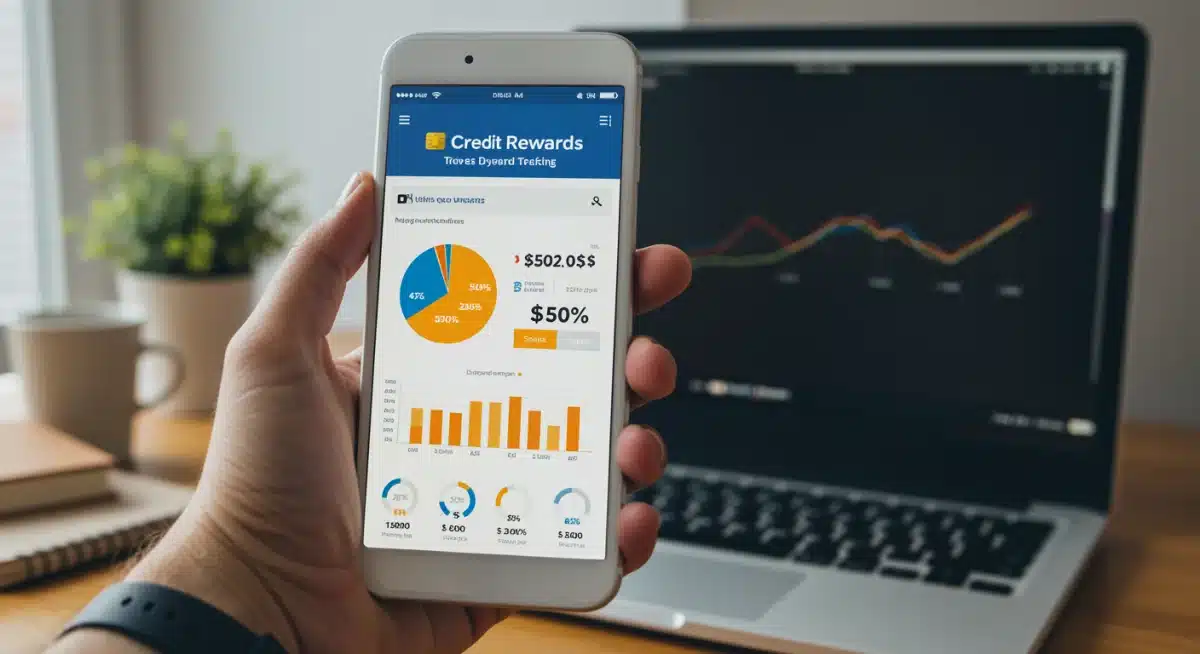
Earning rewards is only half the battle; effectively monitoring and managing them is crucial to ensure you’re getting the most out of your credit cards. This involves regularly checking your reward balances, understanding redemption options, and staying vigilant about any changes to your card’s terms and conditions. A passive approach to rewards management often leads to missed opportunities and suboptimal returns.
Many cardholders accumulate points or cash back without a clear redemption strategy, allowing rewards to expire or be redeemed for less than their maximum value. To truly maximize credit card rewards, an active and organized approach to monitoring your earnings and planning your redemptions is indispensable. This ensures that your efforts translate into tangible financial benefits.
Redemption strategies and reward optimization
The best way to redeem your cash back or points depends on your financial goals. For cash back cards, direct deposit into a bank account or statement credits are often the most straightforward and valuable options. However, some cards might offer a slight bonus for redeeming for gift cards or travel, so it’s worth comparing the redemption rates.
- Regular Balance Checks: Periodically review your rewards balance through your card issuer’s online portal or app to track your progress.
- Understand Redemption Options: Familiarize yourself with all available redemption methods (cash back, statement credit, gift cards, travel, merchandise) and their respective values.
- Set Redemption Goals: Decide what you want to use your rewards for (e.g., holiday shopping, a mini-vacation, offsetting a large bill) to keep you motivated and focused.
Beyond redemption, regularly review your credit card statements for accuracy and to ensure you’re receiving the correct reward rates. Card issuers sometimes change their reward structures or terms, so staying informed about these updates is vital. Consider using a spreadsheet or a dedicated app to track your various card rewards, especially if you have multiple cards with different programs. This centralized approach helps you maintain an overview and make informed decisions.
In summary, effective monitoring and management are key to converting your earned rewards into real value. By regularly checking balances, understanding redemption options, and staying informed about card changes, you can ensure you consistently maximize credit card rewards and achieve your financial objectives.
Beyond Cash Back: Exploring Other Valuable Reward Types
While cash back is a popular and straightforward reward type, the world of credit card rewards extends far beyond direct money back. Understanding these alternative reward structures, such as travel points, airline miles, and flexible points programs, can open up even greater value, especially for those with specific spending and lifestyle goals. To truly maximize credit card rewards, it’s beneficial to consider the full spectrum of options available.
For some, the flexibility and potentially higher redemption value of points-based systems far outweigh the simplicity of cash back. These programs often come with their own set of rules, transfer partners, and redemption sweet spots, requiring a bit more effort to master but offering significant upside for savvy users. It’s about finding the reward type that aligns best with your personal aspirations.
Travel points and airline miles

Travel-focused credit cards are a dream for frequent flyers and explorers. Instead of cash back, these cards often yield points or miles that can be redeemed for flights, hotel stays, car rentals, and other travel expenses. The value per point can often exceed 1 cent, especially when transferred to airline or hotel loyalty programs during promotional periods. This means your rewards can stretch further for travel than they might as pure cash back.
- Airline Co-branded Cards: Earn miles directly with a specific airline, often including perks like free checked bags and priority boarding.
- Hotel Co-branded Cards: Accumulate points for stays at a particular hotel chain, frequently offering elite status benefits and free nights.
- Flexible Travel Points: Cards like Chase Ultimate Rewards or American Express Membership Rewards offer points that can be transferred to various airline and hotel partners, providing immense flexibility and potentially higher value.
The key to maximizing travel rewards is understanding transfer ratios and looking for bonus offers. A point worth 1 cent when redeemed for cash might be worth 1.5 or 2 cents when transferred to a partner airline for a business class flight. This leverage is what makes travel rewards so attractive to a specific segment of the population. However, it’s crucial to use these points; letting them expire or sit unused diminishes their value.
In conclusion, while 5% cash back is fantastic, don’t overlook the power of other reward types. Travel points and airline miles, when used strategically, can offer even greater value, particularly for those whose lifestyles involve frequent travel. Exploring these options is another powerful way to maximize credit card rewards beyond just cash.
The Importance of Responsible Credit Card Management
While the allure of earning 5% cash back and maximizing credit card rewards is strong, it’s paramount to remember that these benefits are only truly valuable when accompanied by responsible credit card management. Mismanaging your cards can quickly negate any rewards earned through high-interest charges, fees, or damage to your credit score. The smartest reward earners are always the most diligent card managers.
Responsible usage means consistently paying your balance in full and on time, keeping your credit utilization low, and only applying for cards you can genuinely manage. Credit cards are powerful financial tools, and like any tool, they require careful handling to yield positive results and avoid detrimental consequences.
Avoiding debt and maintaining a healthy credit score
The golden rule of credit card rewards is simple: never carry a balance. Interest rates on credit cards typically far exceed any cash back or points you might earn. Paying 15-20% interest to earn 5% cash back is a losing proposition every single time. Treat your credit card like a debit card, only spending what you can afford to pay off immediately.
- Pay in Full: Always pay your credit card statement balance in its entirety by the due date to avoid interest charges and late fees.
- Monitor Credit Utilization: Keep your credit utilization ratio (the amount of credit you use compared to your total available credit) below 30% to positively impact your credit score.
- Check Your Credit Report: Regularly review your credit report for errors and identity theft, ensuring your financial health remains intact.
Maintaining a healthy credit score is another critical aspect of responsible credit card management. A strong credit score not only allows you to qualify for the best reward credit cards but also secures lower interest rates on loans, better insurance premiums, and even influences housing and employment opportunities. Your credit cards play a significant role in building and maintaining this score, so managing them wisely is an investment in your overall financial future.
In conclusion, the pursuit of maximizing credit card rewards must always be balanced with responsible financial habits. By avoiding debt, paying on time, and nurturing a healthy credit score, you ensure that the benefits you reap from your cards are genuine and contribute positively to your long-term financial well-being.
| Key Strategy | Brief Description |
|---|---|
| Assess Spending Habits | Analyze where you spend most to identify high-reward categories. |
| Choose Right Cards | Select cards with 5% bonus categories matching your top expenditures. |
| Strategic Usage | Activate rotating categories, stack rewards, and pay balances in full. |
| Monitor & Manage | Regularly track rewards, understand redemption values, and avoid debt. |
Frequently asked questions about credit card rewards
5% cash back means you receive five cents back for every dollar you spend in eligible categories. For example, if you spend $100 on groceries in a 5% bonus category, you’ll get $5 back. This significantly boosts your savings compared to standard 1% or 2% rates.
Yes, several popular credit cards in the USA offer rotating 5% cash back categories each quarter, covering common expenses like gas, groceries, and online shopping. Some cards also offer a consistent 5% on your top spending category automatically.
The best reward credit card aligns with your personal spending habits. Analyze your monthly expenses to identify your top categories (e.g., dining, travel, groceries) and then choose a card that offers the highest reward rates in those specific areas.
For maximizing rewards, a combination of 2-3 cards is often ideal. This allows you to cover more high-spending categories with elevated reward rates. However, only take on multiple cards if you can manage them responsibly and pay balances in full.
The biggest pitfall is carrying a balance and incurring interest, which quickly negates any rewards. Other traps include not activating bonus categories, paying annual fees for unused perks, and overspending to chase rewards. Always pay in full.
Conclusion
Successfully navigating the world of credit card rewards, particularly aiming for that lucrative 5% cash back, is a journey of informed decision-making and disciplined execution. By understanding your spending habits, strategically selecting cards that align with those patterns, and diligently managing your accounts, you can transform everyday purchases into substantial savings. Remember, the true power of these financial tools lies not just in their reward potential, but in your ability to wield them responsibly, ensuring that the benefits always outweigh any potential drawbacks. Embrace these strategies, and you’ll be well on your way to maximizing your credit card rewards in the USA.