Future of US Education: Curriculum Changes & Resource Access
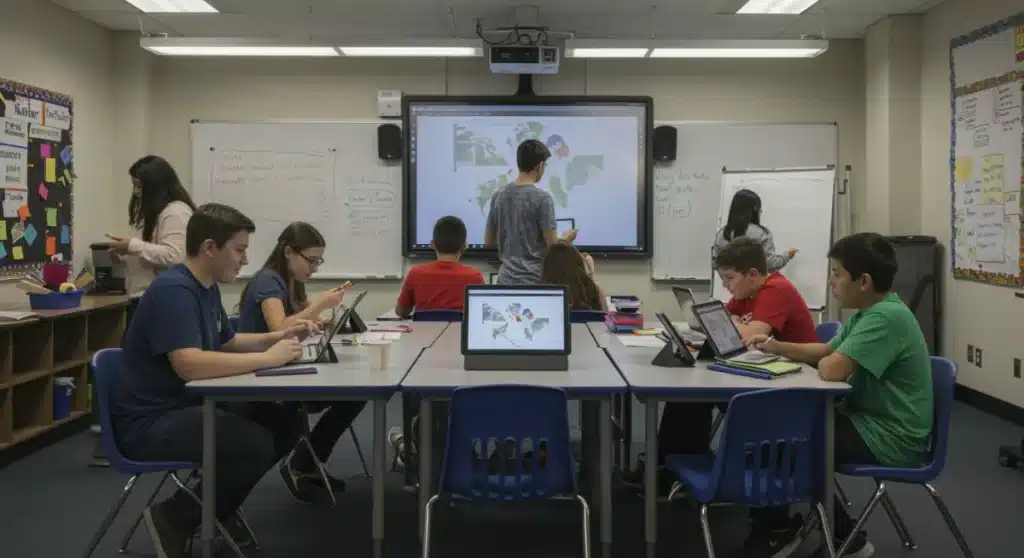
The landscape of learning in America is undergoing a profound transformation. Understanding the future of US education involves examining significant shifts in curriculum design and the ongoing efforts to ensure equitable access to resources for every student.
This evolution is not merely academic; it reflects broader societal changes and technological advancements that demand a more adaptive and inclusive approach to schooling.
Rethinking the Core: Curriculum Changes in the Digital Age
The traditional curriculum, once a static blueprint for learning, is now a dynamic entity, constantly adapting to the demands of a rapidly changing world.
Educators and policymakers recognize the need to equip students with skills far beyond rote memorization, focusing instead on critical thinking, creativity, and problem-solving. This shift is fundamental to preparing the next generation for challenges unforeseen by previous educational models.
One of the primary drivers behind these curriculum changes is the pervasive influence of technology. Digital literacy is no longer an optional skill but a foundational requirement. Schools are integrating coding, data analysis, and digital citizenship into their core subjects, ensuring students can navigate and contribute to the digital landscape effectively.
Emphasis on STEAM and 21st-Century Skills
The move from STEM (Science, Technology, Engineering, Mathematics) to STEAM (adding Arts) highlights a broader understanding of innovation. Creative thinking and design principles are now seen as integral to solving complex problems, fostering a more holistic educational experience.
Critical Thinking: Encouraging students to analyze information, evaluate arguments, and form reasoned judgments.
Creativity and Innovation: Fostering original thought, artistic expression, and inventive problem-solving.
Collaboration: Developing teamwork skills through group projects and interdisciplinary studies.
Communication: Enhancing both written and verbal expression for diverse audiences.
Beyond specific subjects, there’s a growing emphasis on interdisciplinary learning, connecting different areas of knowledge to provide a more comprehensive understanding of complex topics. This approach encourages students to see the interconnectedness of subjects and apply knowledge across various contexts, mirroring real-world scenarios.
The evolution of curriculum also involves a greater focus on personalized learning. Recognizing that every student learns differently, educators are exploring adaptive technologies and flexible instructional models that cater to individual pace and style. This tailored approach aims to maximize engagement and ensure that learning is both effective and meaningful for each student.
Ultimately, these curriculum changes are designed to foster adaptable, resilient, and well-rounded individuals capable of thriving in an increasingly complex and interconnected global society. The focus is on preparing students not just for college or a career, but for a lifetime of continuous learning and adaptation.
Expanding Horizons: Access to Educational Resources
Ensuring equitable access to educational resources is a cornerstone of a fair and effective education system. While curriculum changes address what is taught, resource access determines who can truly benefit from these advancements.
The digital divide, socio-economic disparities, and geographical isolation continue to pose significant challenges to achieving true equity.
Initiatives are underway to bridge these gaps, leveraging technology and community partnerships. Providing every student with reliable internet access and appropriate devices is a critical first step. Beyond hardware, access to high-quality digital content, online tutoring, and virtual learning platforms is becoming increasingly important, especially in underserved areas.
Bridging the Digital Divide
The COVID-19 pandemic starkly highlighted existing inequalities in digital access. Efforts to address this include:
Community Wi-Fi Hotspots: Establishing free or low-cost internet access points in public spaces.
Device Distribution Programs: Providing laptops or tablets to students who lack personal devices.
Subsidized Internet Services: Partnering with internet providers to offer affordable plans for low-income families.
Furthermore, access to experienced and well-trained educators is a resource that cannot be overlooked. Teacher shortages, particularly in critical subjects and rural areas, impact the quality of education.
Programs focused on teacher recruitment, professional development, and retention are vital for ensuring all students have access to excellent instruction.
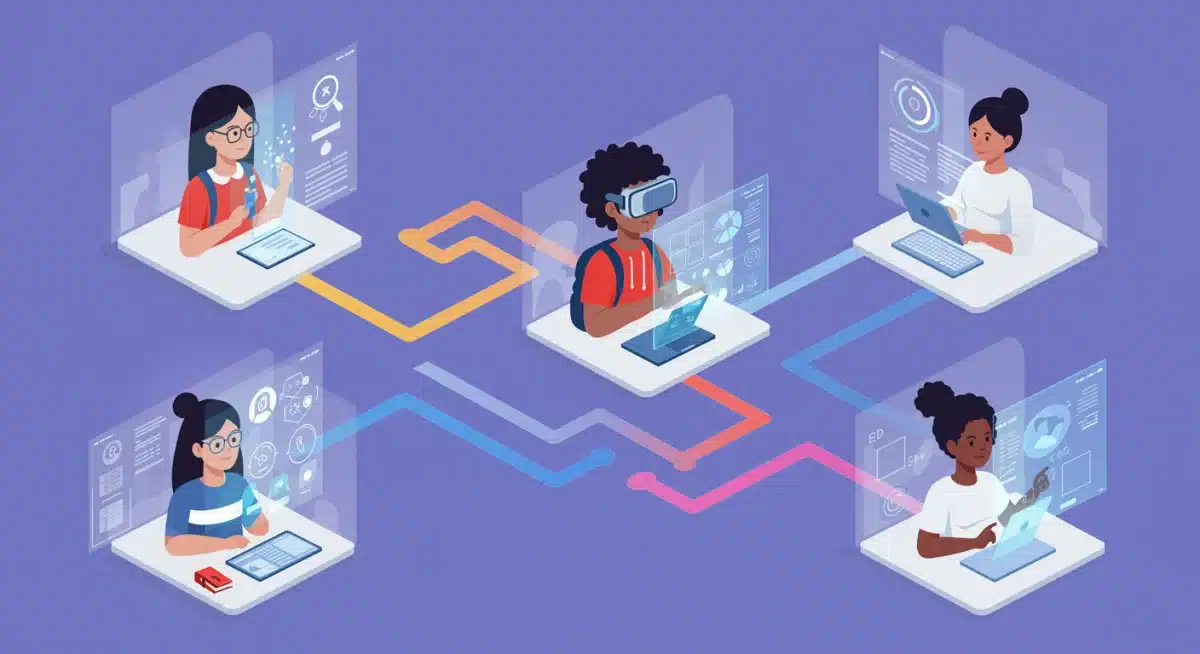
Beyond the classroom, access to extracurricular activities, counseling services, and special education support are equally important. These resources contribute to a student’s holistic development, addressing social-emotional needs and providing opportunities for enrichment that complement academic learning. Many schools are now integrating mental health support as a fundamental resource.
The quest for equitable access is an ongoing challenge, requiring sustained investment, innovative solutions, and collaborative efforts from governments, communities, and educational institutions. It’s about creating an environment where every student, regardless of their background or location, has the tools and support they need to succeed.
Personalized Learning: Tailoring Education to Individual Needs
Personalized learning represents a significant paradigm shift in education, moving away from a one-size-fits-all model to one that adapts to each student’s unique learning style, pace, and interests. This approach leverages technology to deliver customized educational experiences, fostering deeper engagement and more effective learning outcomes.
At its core, personalized learning involves continuous assessment to understand a student’s strengths and weaknesses, followed by the delivery of content and activities specifically designed to meet those needs. This can include adaptive software, individualized learning plans, and project-based assignments that allow students to explore topics of personal relevance.
Adaptive Technologies and Data-Driven Instruction
The rise of educational technology has made personalized learning more feasible than ever. AI-powered platforms can assess student performance in real-time, adjusting the difficulty and type of content presented. This data-driven approach allows educators to intervene proactively and provide targeted support.
AI-Powered Tutoring: Intelligent systems offering personalized feedback and guidance.
Flexible Pacing: Students can progress through material at their own speed, mastering concepts before moving on.
Choice and Voice: Empowering students to select topics and projects aligned with their interests.
However, personalized learning is not solely about technology. It also emphasizes the role of the teacher as a facilitator and mentor, guiding students through their learning journeys. Teachers design engaging experiences, provide one-on-one support, and foster a collaborative classroom environment where students can learn from each other.
The benefits extend beyond academic achievement. Personalized learning has been shown to increase student motivation, self-efficacy, and ownership over their education. By allowing students to pursue their passions and learn in ways that resonate with them, it cultivates a lifelong love of learning.
Implementing personalized learning successfully requires robust infrastructure, ongoing professional development for teachers, and a commitment to continuous improvement. It’s an investment in the individual potential of every student, promising a more engaging and effective educational future.
The Role of Technology in Transforming Education
Technology is not just a tool in modern education; it is a transformative force reshaping how, what, and where students learn. From virtual reality simulations to collaborative online platforms, digital innovations are breaking down traditional barriers and opening new avenues for engagement and access. This integration is crucial for the future of US education.
Beyond simply digitizing textbooks, technology enables interactive learning experiences that were previously impossible. Virtual field trips can transport students to distant historical sites or scientific labs, while augmented reality can bring complex concepts to life in the classroom. These immersive experiences deepen understanding and make learning more memorable.
EdTech Innovations and Their Impact
The landscape of educational technology (EdTech) is constantly evolving, introducing new tools and methodologies that enhance the learning process. These innovations are designed to make education more accessible, engaging, and effective.
Virtual and Augmented Reality: Creating immersive learning environments for science, history, and vocational training.
Gamification: Incorporating game-like elements to increase engagement and motivation in academic tasks.
Learning Management Systems (LMS): Centralized platforms for coursework, communication, and progress tracking.
Open Educational Resources (OER): Free and openly licensed educational materials reducing costs and increasing access.
Moreover, technology facilitates global collaboration, allowing students from different cultures and countries to work together on projects, sharing perspectives and building intercultural competencies. This prepares them for an interconnected global workforce and fosters a broader worldview.
The responsible integration of technology also involves teaching digital citizenship and media literacy. Students must learn to critically evaluate information, understand online privacy, and engage respectfully in digital spaces. This ensures they are not just consumers of technology but responsible and ethical digital citizens.
While technology offers immense potential, its effective implementation requires thoughtful planning, adequate training for educators, and a focus on pedagogical goals rather than simply adopting new gadgets. When used strategically, technology can truly revolutionize the learning experience, making education more dynamic and relevant for all.
Addressing Equity and Inclusivity in Learning Environments

True progress in education cannot be achieved without a steadfast commitment to equity and inclusivity. These principles ensure that every student, regardless of their background, identity, or ability, has the opportunity to reach their full potential. The future of US education hinges on dismantling systemic barriers and fostering learning environments where all feel valued and supported.
Addressing equity means actively working to close achievement gaps that persist along socio-economic, racial, and geographic lines. This involves targeted interventions, additional resources for underserved communities, and policies that promote fair access to high-quality educational opportunities from early childhood through higher education.
Strategies for Inclusive Education
Creating truly inclusive learning environments requires a multifaceted approach that considers diverse needs and experiences. This goes beyond mere access to resources; it involves pedagogical and cultural shifts.
Culturally Responsive Teaching: Incorporating diverse perspectives and experiences into the curriculum.
Universal Design for Learning (UDL): Designing instruction to be accessible to all learners from the outset.
Trauma-Informed Practices: Creating supportive environments that acknowledge and address the impact of trauma on learning.
Special Education Support: Ensuring robust services and accommodations for students with disabilities.
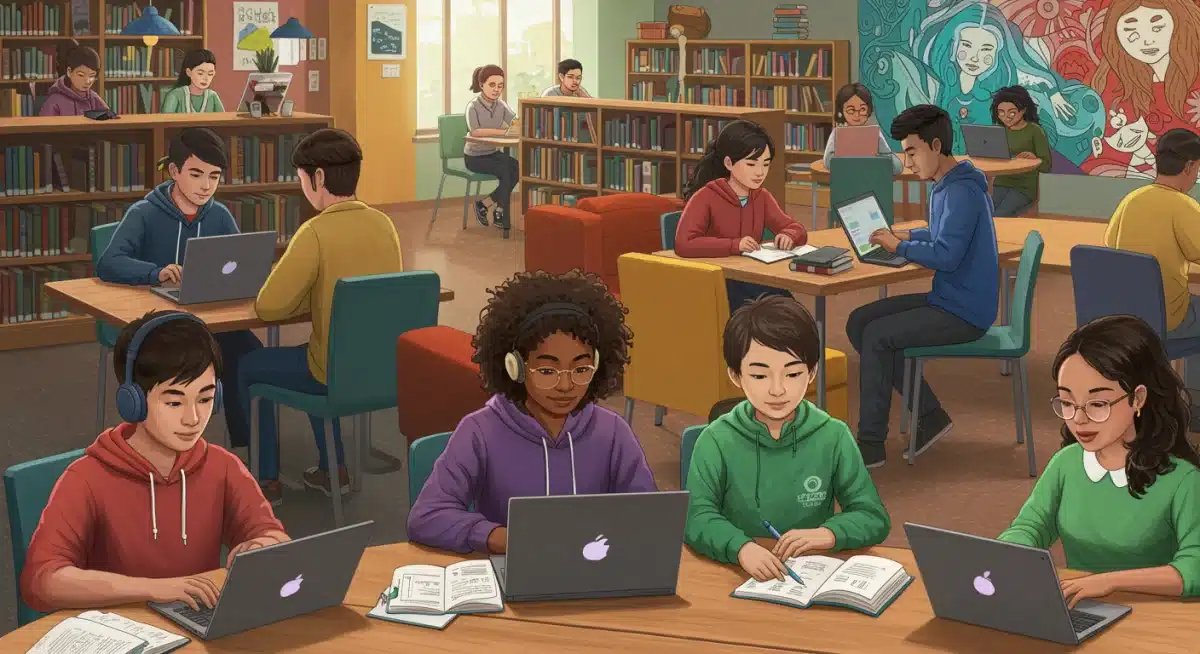
Inclusivity also extends to fostering a sense of belonging for all students, including those from LGBTQ+ communities, English language learners, and students with diverse religious or cultural backgrounds. This requires creating safe spaces, promoting respectful dialogue, and celebrating diversity as a strength.
Furthermore, equitable access to mental health services and social-emotional learning programs is crucial. These supports help students navigate personal challenges, develop resilience, and build healthy relationships, all of which are foundational to academic success and overall well-being.
The journey towards full equity and inclusivity is ongoing, demanding continuous effort, self-reflection, and a willingness to challenge existing norms. By prioritizing these values, the US education system can move closer to its ideal of providing a high-quality, empowering education for every single student.
Preparing for the Workforce of Tomorrow: Skills and Pathways
The rapid evolution of the global economy and technological advancements mean that the workforce of tomorrow will look significantly different from today’s. Consequently, education must adapt to prepare students not just for existing jobs, but for roles that have yet to be invented. This forward-looking approach is central to the future of US education.
Beyond traditional academic knowledge, employers increasingly seek candidates with strong soft skills, such as adaptability, problem-solving, critical thinking, and emotional intelligence. These are the transferrable skills that enable individuals to thrive in dynamic work environments and navigate career changes throughout their lives.
Career and Technical Education (CTE) Revival
Career and Technical Education (CTE) programs are experiencing a resurgence, moving beyond their traditional vocational focus to incorporate high-tech skills and pathways to in-demand careers. These programs offer hands-on learning experiences and often lead to industry-recognized certifications.
Apprenticeships and Internships: Providing real-world work experience and mentorship opportunities.
Industry Partnerships: Collaborating with businesses to align curriculum with workforce needs.
Dual Enrollment Programs: Allowing high school students to earn college credits or vocational certifications.
Entrepreneurial Education: Fostering innovation and the skills needed to start and run businesses.
The emphasis is also shifting towards continuous learning and upskilling. The idea that education ends after college is becoming obsolete. Educational institutions are exploring micro-credentials, bootcamps, and flexible online courses to support lifelong learning and career transitions for adults.
Moreover, guidance counseling is evolving to provide students with more comprehensive career exploration tools and insights into emerging industries. Helping students understand the diverse pathways available to them, from traditional four-year degrees to skilled trades and entrepreneurial ventures, is key to empowering informed decisions.
Ultimately, preparing students for the workforce of tomorrow means fostering resilience, curiosity, and a proactive approach to learning and career development. It’s about equipping them with the tools to not only adapt to change but to drive innovation and shape their own professional futures.
Community Engagement and Parental Involvement
The success of educational reforms and advancements in the US education system is deeply intertwined with strong community engagement and active parental involvement. Schools are not isolated institutions; they are integral parts of their communities, and their effectiveness is significantly enhanced when supported by a collaborative network of stakeholders.
When parents are actively involved in their children’s education, students tend to achieve higher academic outcomes, exhibit better attendance, and demonstrate more positive behavior. This involvement can range from volunteering in the classroom to assisting with homework, or simply maintaining open communication with teachers and school administration.
Strengthening Home-School Partnerships
Building robust partnerships between homes and schools is crucial for creating a supportive learning ecosystem. This requires intentional strategies and mutual respect between educators and families.
Regular Communication Channels: Utilizing parent-teacher conferences, newsletters, and digital platforms to keep families informed.
Parent Education Workshops: Offering resources and training to help parents support learning at home.
Family Engagement Events: Organizing school events that invite families to participate in their child’s educational journey.
Culturally Sensitive Outreach: Ensuring communication and engagement strategies are respectful of diverse cultural backgrounds.
Beyond parents, broader community engagement brings invaluable resources and perspectives to schools. Local businesses can offer internships and mentorships, community organizations can provide after-school programs and social services, and volunteers can enrich the learning environment in countless ways.
Furthermore, community input is vital in shaping educational policies and curriculum development. When schools listen to the needs and aspirations of their community, the education they provide becomes more relevant and responsive to local contexts and challenges.
Fostering these relationships requires sustained effort, trust-building, and a shared vision for student success. By recognizing the powerful role of community and parents, the future of US education can create a more holistic, supported, and effective learning experience for every child.
| Key Aspect | Brief Description |
|---|---|
| Curriculum Evolution | Shifting to 21st-century skills, STEAM, and interdisciplinary learning to foster critical thinking and creativity. |
| Equitable Access | Efforts to bridge the digital divide, provide devices, and ensure all students have quality resources. |
| Personalized Learning | Tailoring education through adaptive technologies and individualized plans to meet diverse student needs. |
| Workforce Preparedness | Focus on soft skills, CTE, and lifelong learning to prepare students for future careers. |
Frequently Asked Questions About US Education’s Future
The US curriculum is increasingly focusing on 21st-century skills like critical thinking, creativity, and collaboration. There’s a strong shift towards STEAM education, integrating arts with science, technology, engineering, and mathematics, to foster holistic development and prepare students for an evolving job market.
Efforts include bridging the digital divide by providing internet access and devices to underserved students. Additionally, there’s a focus on expanding access to high-quality digital content, online tutoring, and ensuring equitable distribution of skilled educators across all regions to enhance learning opportunities.
Technology is central to personalized learning, enabling adaptive software, AI-powered tutoring, and data-driven instruction. These tools allow educators to tailor content and pace to individual student needs, maximizing engagement and ensuring more effective, customized learning experiences for everyone.
Schools are implementing culturally responsive teaching, universal design for learning, and trauma-informed practices. They are also enhancing special education support and fostering safe, welcoming environments for all students, regardless of background, identity, or ability, to promote a sense of belonging and success.
Education is evolving to focus on soft skills like adaptability and problem-solving, alongside a revival of Career and Technical Education (CTE) programs. This includes apprenticeships, industry partnerships, and dual enrollment to provide practical experience and pathways to in-demand careers, preparing students for an ever-changing job market.
Conclusion
The journey towards a more effective, equitable, and future-ready education system in the United States is complex and multifaceted.
The ongoing changes in curriculum, driven by the need for 21st-century skills and personalized learning, are reshaping what and how students learn. Simultaneously, the concerted efforts to improve access to resources, bridge digital divides, and foster inclusive environments are crucial for ensuring that these advancements benefit all students.
Technology acts as a powerful enabler, transforming pedagogical approaches and expanding learning opportunities, while strong community and parental involvement remain foundational to student success.
As these transformations continue, the emphasis remains on preparing a generation that is not only academically proficient but also adaptable, resilient, and equipped to navigate the complexities of a rapidly evolving world, ultimately shaping a brighter future for the nation.