American Education’s Future: 3 Shaping Trends
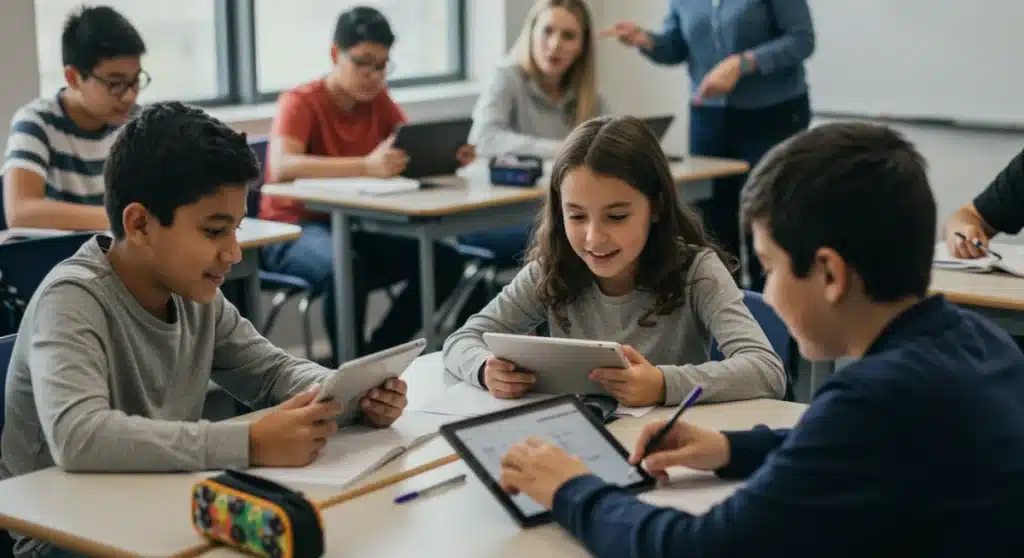
The evolving landscape of American education is being significantly reconfigured by three primary forces: a shift towards personalized learning, the pervasive integration of digital technologies, and an increased emphasis on career-focused curricula.
The landscape of learning in the United States is in constant flux, adapting to societal shifts and technological advancements. Understanding American education trends is crucial for parents, educators, and policymakers alike, as it reveals the pathways students will navigate in the coming decades. This article delves into three pivotal trends that are actively reshaping the future of schools across the nation.
The rise of personalized learning pathways
Personalized learning is rapidly moving from a theoretical ideal to a practical reality in American classrooms. This approach acknowledges that each student possesses a unique set of strengths, weaknesses, interests, and learning styles, and aims to tailor educational experiences accordingly.
Gone are the days when a one-size-fits-all curriculum was the norm. Modern educational philosophies advocate for dynamic, student-centered environments where learning is adaptive and responsive. This means leveraging data to inform instructional decisions and providing students with agency over their educational journey.
Individualized instructional design
At its core, personalized learning involves customizing the pace, content, and methods of instruction to meet individual student needs. This can manifest in various ways, from differentiated assignments to flexible grouping strategies.
Educators are increasingly utilizing diagnostic assessments to pinpoint specific areas where students might require additional support or advanced challenges. This diagnostic data then informs the creation of learning plans that are as unique as the students themselves.
- Adaptive software platforms provide tailored exercises.
- Teachers act as facilitators, guiding individual progress.
- Students gain more control over their learning objectives.
- Flexible pacing allows mastery before moving on.
Student agency and choice
A key component of personalized learning is fostering student agency, empowering learners to take an active role in their education. This often involves offering choices in how they demonstrate understanding or which topics they delve into more deeply.
When students have a voice in their learning, they become more engaged and motivated. This shift from passive reception to active participation cultivates a sense of ownership and responsibility for their academic growth. Projects, inquiry-based learning, and self-directed studies are common manifestations of this trend.
Ultimately, the goal of personalized learning is to ensure every student can achieve their full potential, not by fitting them into a rigid mold, but by recognizing and nurturing their individual capabilities. This pedagogical shift is profoundly impacting how curriculum is developed and how teachers are trained, aiming for a more equitable and effective educational system.
Digital integration and technological advancements
The pervasive influence of technology is fundamentally transforming American education, moving beyond mere supplementary tools to become integral components of the learning process. Digital integration encompasses everything from virtual classrooms and online resources to advanced educational software and artificial intelligence.
This trend is driven by the need to prepare students for a digitally-driven world, while also offering new pedagogical opportunities. The pandemic accelerated the adoption of many digital tools, proving their utility and necessity in maintaining educational continuity.
Virtual and augmented reality in learning
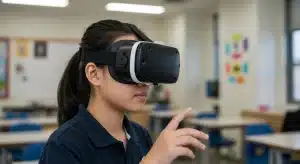
Beyond traditional screen-based learning, virtual reality (VR) and augmented reality (AR) are beginning to offer immersive educational experiences. These technologies can transport students to historical events, explore complex biological systems, or conduct virtual lab experiments.
The potential for VR and AR to make abstract concepts tangible and engaging is immense. Imagine dissecting a frog virtually or walking through ancient Rome from your classroom. These tools provide unprecedented opportunities for experiential learning that were once impossible or impractical.
AI and adaptive learning platforms
Artificial intelligence (AI) is playing an increasingly significant role in shaping personalized learning experiences. AI-powered adaptive learning platforms can analyze student performance in real-time, identify areas of struggle, and then recommend targeted resources or adjust the difficulty of content.
This allows for highly individualized instruction at scale, freeing up teachers to focus on higher-level mentoring and support. AI can also automate grading for certain tasks, providing instant feedback to students and reducing teacher workload.
- AI algorithms personalize content delivery.
- Automated feedback loops enhance student practice.
- Data analytics inform teaching strategies.
- Virtual tutors offer supplementary support.
The ongoing digital transformation in education demands continuous professional development for educators and robust infrastructure investment. As technology continues to evolve, so too will its integration into the classroom, promising a more interactive, accessible, and efficient learning environment for all students.
Emphasis on career-focused curricula and skills

The traditional academic pipeline, solely focused on preparing students for four-year universities, is broadening to include a stronger emphasis on career readiness and the development of practical, employable skills. This shift reflects a growing recognition that not all students will pursue a traditional college path, and that a diverse range of skills is needed in the modern workforce.
Schools are increasingly partnering with local industries and businesses to create pathways that directly lead to meaningful employment or further specialized training. The goal is to equip students with the competencies necessary to thrive in a rapidly changing global economy.
Vocational and technical education resurgence
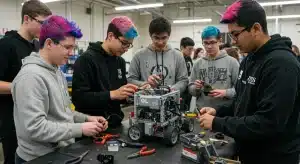
Vocational and technical education (CTE) programs are experiencing a revitalization, moving beyond traditional trades to include high-tech fields. These programs offer hands-on training in areas like cybersecurity, advanced manufacturing, healthcare, and digital media.
The stigma once associated with vocational training is diminishing as parents and students recognize the value of direct career pathways that often lead to well-paying jobs without the burden of significant college debt. These programs provide a clear link between classroom learning and real-world application.
Soft skills development and critical thinking
Beyond specific technical skills, there is a renewed focus on developing “soft skills” that are universally valuable in any profession. These include critical thinking, problem-solving, communication, collaboration, and adaptability.
Employers consistently cite these skills as essential for success, yet they are often overlooked in traditional academic settings. Modern curricula are integrating project-based learning and group work to naturally cultivate these competencies, preparing students for the complexities of professional life.
- Project-based learning fosters teamwork.
- Public speaking assignments build communication.
- Case studies enhance problem-solving.
- Internships provide real-world experience.
This emphasis on career-focused education aims to ensure that high school graduates are not only academically prepared but also possess the practical skills and professional attributes needed to succeed in their chosen pathways, whether that’s immediate employment, military service, or higher education.
Equity and access in American education
Ensuring equitable access to quality education remains a paramount challenge and a significant trend shaping American schools. Disparities in resources, opportunities, and outcomes persist across different socioeconomic and demographic groups. Addressing these gaps is crucial for the nation’s future.
Efforts are being made to dismantle systemic barriers that prevent certain student populations from reaching their full potential. This involves targeted interventions, policy changes, and a re-evaluation of funding models to support underserved communities.
Bridging the digital divide
The rapid shift to digital learning during the pandemic highlighted the severe consequences of the digital divide. Many students lacked reliable internet access or adequate devices at home, hindering their ability to participate in remote learning.
Schools and communities are now working to bridge this gap by providing hotspots, devices, and digital literacy training. Ensuring universal access to technology is not just about equity in emergencies, but about providing fundamental tools for modern learning and future success.
Culturally responsive teaching
Culturally responsive teaching is gaining traction as an essential pedagogical approach. This method recognizes and values the diverse cultural backgrounds of students, integrating their experiences and perspectives into the curriculum and teaching practices.
By making learning relevant and connected to students’ lived realities, educators can increase engagement, improve academic performance, and foster a more inclusive classroom environment. This approach helps affirm students’ identities and builds bridges between home and school cultures.
- Curriculum reflects diverse histories and traditions.
- Teachers build strong relationships with families.
- Instructional materials represent varied perspectives.
- Student voice is central to classroom discussions.
The pursuit of equity in education is an ongoing journey that requires continuous commitment and innovation. By focusing on equitable access and culturally responsive practices, American education can strive to create a system where every student, regardless of their background, has the opportunity to thrive.
Mental health and well-being support
Beyond academic achievement, there is a growing recognition of the critical importance of student mental health and well-being. Schools are increasingly being tasked with providing comprehensive support systems to address the rising rates of anxiety, depression, and stress among young people.
This trend involves integrating social-emotional learning (SEL) into the curriculum, increasing access to mental health professionals, and fostering a supportive school culture. The goal is to create environments where students feel safe, connected, and equipped to manage their emotional lives.
Social-emotional learning (SEL) integration
Social-emotional learning (SEL) programs teach students essential life skills, such as self-awareness, self-management, social awareness, relationship skills, and responsible decision-making. These competencies are vital not only for personal well-being but also for academic success and future career prospects.
SEL is no longer seen as an add-on but as an integral part of a holistic education. By explicitly teaching these skills, schools can help students develop resilience, empathy, and conflict resolution abilities, preparing them for challenges both inside and outside the classroom.
Increased access to mental health professionals
Many schools are expanding their mental health services, hiring more counselors, psychologists, and social workers. The demand for these services has increased significantly, highlighting the need for readily available support within the school setting.
Early intervention and accessible resources can prevent minor issues from escalating into more serious problems. Schools are also working to destigmatize mental health discussions, encouraging students to seek help when needed without fear of judgment.
- On-site counselors provide immediate support.
- Referral systems connect students to external services.
- Wellness programs promote positive coping strategies.
- Staff training enhances awareness of mental health issues.
Addressing student mental health is a complex but essential undertaking. By prioritizing well-being alongside academic rigor, schools can cultivate healthier, more resilient individuals who are better prepared to learn and contribute positively to their communities.
Community engagement and partnerships
The idea of schools operating as isolated entities is giving way to a model of deep community engagement and strategic partnerships. This trend recognizes that education is a shared responsibility and that strong connections between schools, families, and local organizations can significantly enhance student outcomes.
These partnerships can take many forms, from parent involvement initiatives to collaborations with local businesses, non-profits, and higher education institutions. The collective impact of these relationships creates a more robust and supportive ecosystem for learning and development.
Family involvement and communication
Engaging families as active partners in their children’s education is a cornerstone of this trend. Effective communication channels, parent education programs, and opportunities for families to contribute to school activities foster a sense of shared purpose.
When parents and guardians are informed and involved, students tend to perform better academically and exhibit more positive behaviors. Schools are exploring innovative ways to reach diverse family populations, ensuring that all voices are heard and valued.
Collaborations with local organizations
Schools are increasingly teaming up with local businesses, community centers, and non-profit organizations to enrich educational offerings. These collaborations can provide students with internships, mentoring opportunities, access to specialized resources, and real-world learning experiences.
For example, a partnership with a local tech company might offer coding workshops, while a collaboration with a food bank could involve students in community service projects. These partnerships extend the learning environment beyond the classroom walls, connecting academic concepts to practical applications and civic engagement.
- Mentorship programs link students with professionals.
- After-school programs offer specialized enrichment.
- Community service projects build civic responsibility.
- Resource sharing expands available learning tools.
By fostering strong bonds with the wider community, schools can leverage external expertise and resources, creating a more dynamic, relevant, and supportive educational experience for all students. This integrated approach strengthens the fabric of both the school and the community it serves.
| Key Trend | Brief Description |
|---|---|
| Personalized Learning | Tailoring education to individual student needs, pace, and interests for optimized outcomes. |
| Digital Integration | Embedding technology, including AI, VR, and online platforms, into daily learning processes. |
| Career-Focused Curricula | Emphasizing vocational training and essential soft skills for direct workforce readiness. |
| Equity and Access | Addressing disparities in resources and opportunities, alongside fostering culturally responsive teaching. |
Frequently asked questions about American education trends
Personalized learning is an educational approach that customizes the learning experience to meet the individual needs, interests, and learning styles of each student. It often involves adaptive technologies, flexible pacing, and student choice to foster deeper engagement and mastery.
Technology is transforming US classrooms by integrating digital tools like AI-powered platforms, virtual reality, and online resources. This enhances engagement, offers personalized instruction, automates administrative tasks, and prepares students for a technology-driven future workforce.
Career-focused education is gaining importance to better align schooling with workforce needs. It equips students with practical skills, vocational training, and essential soft skills, offering diverse pathways beyond traditional university routes and addressing employer demands for job-ready graduates.
Mental health support is increasingly vital in modern schools to address rising student anxiety and stress. It involves integrating social-emotional learning, increasing access to counselors, and fostering supportive environments to ensure students’ psychological well-being, which directly impacts their academic success and overall development.
Community partnerships benefit American education by linking schools with businesses, non-profits, and families. These collaborations provide students with real-world experiences, internships, mentorships, and additional resources, creating a more holistic and supportive learning ecosystem that extends beyond the classroom walls.
Conclusion
The evolution of American education reflects a dynamic response to a rapidly changing world. The three major trends discussed—personalized learning, digital integration, and career-focused curricula—alongside crucial considerations for equity, well-being, and community engagement, are collectively forging a more adaptable, inclusive, and effective educational system. As these transformations continue, schools are striving to equip students not just with knowledge, but with the skills, resilience, and opportunities needed to navigate complex futures and contribute meaningfully to society.