The Evolution of Memes: What’s Trending Now and Why?
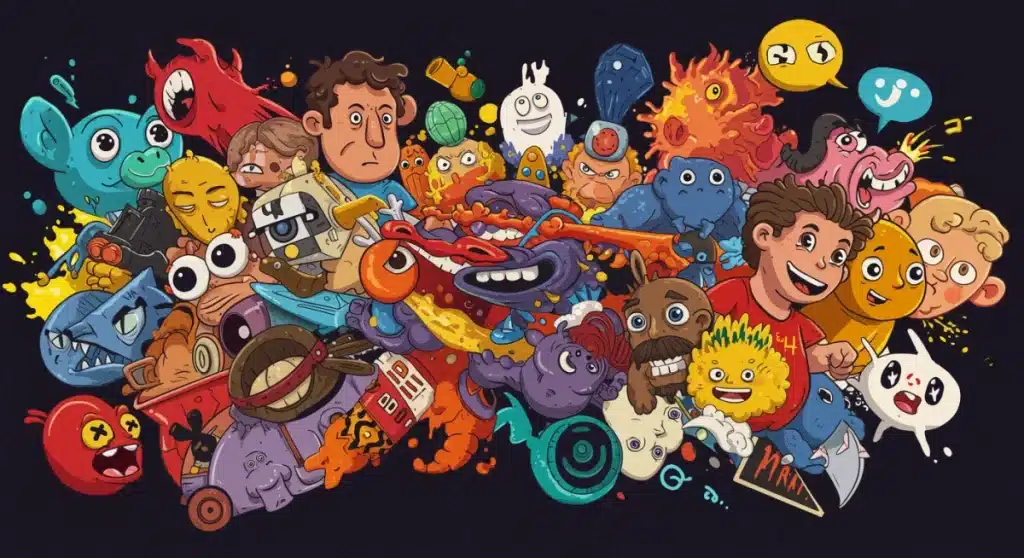
Memes have evolved from simple internet jokes into a complex form of digital communication, reflecting and shaping contemporary culture through viral trends and diverse formats, driven by rapid sharing and collective humor.
The digital landscape is constantly shifting, and few phenomena capture its transient nature as perfectly as memes. To truly understand the evolution of memes: what’s trending now and why?, we must delve into their origins, explore their current forms, and analyze the underlying cultural currents that propel them into viral stardom.
The Genesis of Memes: From Dawkins to Digital Artifacts
The concept of a ‘meme’ predates the internet, coined by Richard Dawkins in his 1976 book, The Selfish Gene. He described memes as units of cultural information that spread from mind to mind, much like genes spread in biology. This foundational idea laid the groundwork for understanding how ideas replicate and evolve within human culture.
In the digital age, this concept found its true home. Early internet forums and bulletin boards became breeding grounds for rudimentary memes. These were often simple text-based jokes, ASCII art, or slightly altered images shared among niche communities. The barrier to entry was higher, limiting their spread and evolution to a dedicated few.
Early Internet Memes and Their Impact
The late 1990s and early 2000s saw the rise of iconic figures like the Dancing Baby, which captivated early internet users with its primitive animation and novel concept of viral content. These early memes were significant because they demonstrated the power of digital networks to disseminate cultural units rapidly, creating shared experiences across geographical divides.
- The Dancing Baby (1996): One of the first widely recognized viral videos, showcasing the nascent power of internet sharing.
- All Your Base Are Belong to Us (2000): A mistranslation from a video game that became an enduring phrase, illustrating how linguistic quirks could become cultural touchstones.
- Badger Badger Badger (2003): A simple Flash animation with a catchy tune, proving that repetition and absurdity could be key ingredients for virality.
These initial forays into digital memetics established a pattern: simple, relatable, or absurd content, easily replicable, could achieve widespread recognition. They were the ancestors of today’s complex meme ecosystem, proving that the internet was ripe for a new form of cultural expression.
The early internet memes, while primitive by today’s standards, were crucial in defining the mechanics of virality. They taught us that content doesn’t need high production value to be popular; it needs to resonate, be easily shareable, and often, possess an element of novelty or humor. This period was essential for setting the stage for the explosive growth and diversification of memes we witness today.
The Golden Age of Image Macros: Relatability and Rapid Spread
The mid-2000s ushered in what many consider the golden age of image macros. These were often images with bold text superimposed, typically in Impact font, conveying a relatable joke, observation, or reaction. Platforms like 4chan, Reddit, and later, Facebook, became central to their creation and dissemination.
This era saw memes move beyond niche communities into the mainstream. The simplicity of their format made them incredibly accessible to create and share, democratizing meme production. Suddenly, anyone with basic image editing skills could contribute to the cultural zeitgeist.
Iconic Image Macro Formats
Memes like “Distracted Boyfriend,” “Success Kid,” and “Grumpy Cat” became household names, embodying universal emotions or situations in a humorous way. Their power lay in their immediate recognizability and versatility, allowing users to adapt them to countless contexts while retaining their core meaning.
- Distracted Boyfriend: A classic example of conveying complex relationship dynamics or societal choices through a single, humorous image.
- Success Kid: An image of a baby clenching his fist, used to express small victories or moments of triumph.
- Grumpy Cat: A cat with a perpetually displeased expression, embodying universal annoyance or pessimism.
The rise of image macros coincided with the explosion of social media, providing the perfect infrastructure for their rapid sharing. A meme could be created, go viral, and be understood by millions within hours. This speed of dissemination was unprecedented and fundamentally changed how cultural trends emerged and evolved.
Image macros perfected the art of visual shorthand. They allowed complex ideas or emotional states to be communicated instantly, often with a punchline that resonated deeply with a broad audience. This era cemented memes as a powerful, albeit often humorous, form of mass communication.
Video Memes and GIFs: Adding Movement and Emotion
As internet speeds increased and platforms evolved, static image macros began to share the spotlight with more dynamic forms: video memes and animated GIFs. These formats added another layer of expression, allowing for movement, sound, and a greater range of emotional nuance.
Video platforms like YouTube became instrumental in the rise of video memes. Short, often absurd clips, or snippets from movies and TV shows, found new life as viral content. GIFs, with their ability to loop endlessly, became perfect for capturing reactions and conveying moods in a concise, shareable package.
The Expressive Power of Motion
GIFs, in particular, became a staple of online conversations. They offered a way to react to messages, express feelings, or punctuate jokes without needing words. This visual language transcended linguistic barriers, making them universally understood and loved.
- Rickrolling: A classic prank involving an unexpected appearance of Rick Astley’s “Never Gonna Give You Up,” demonstrating the power of anticipation and subversion in video memes.
- Doge (Shiba Inu): While often an image macro, its expressive face and fragmented internal monologue perfectly translated into animated forms, capturing a wide range of emotions and often humorous inner thoughts.
- Dramatic Chipmunk: A simple, short video clip of a chipmunk turning its head dramatically, used as a reaction to sudden or surprising events.
The introduction of motion to memes expanded their communicative potential significantly. A well-chosen GIF could convey more emotion and context than a paragraph of text, making online interactions richer and more engaging. This shift marked a crucial step in the meme’s evolution from static joke to dynamic conversational tool.
Video memes and GIFs allowed for greater creativity and storytelling within the meme format. They leveraged the growing capabilities of internet technology to deliver more immersive and expressive content, further solidifying memes’ role as a dominant form of digital cultural exchange.
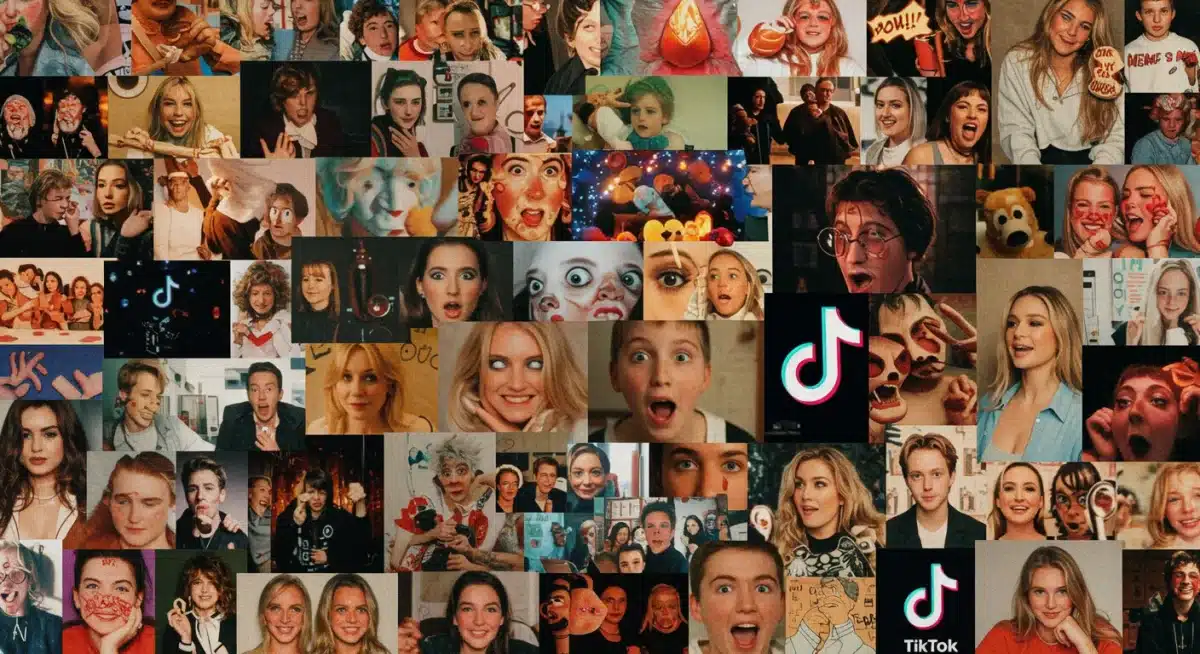
Memes in the Social Media Age: TikTok, Instagram, and Beyond
Today, the meme landscape is heavily influenced by social media giants like TikTok, Instagram, and Twitter. These platforms, with their emphasis on short-form content, visual storytelling, and algorithm-driven discovery, have accelerated the meme lifecycle and diversified their forms.
TikTok, in particular, has revolutionized meme culture. Its focus on user-generated videos, challenges, and trending sounds creates an environment where memes can emerge organically and spread globally within hours. The platform’s duet and stitch features encourage collaboration and iteration, leading to rapid meme evolution.
The Impact of TikTok on Meme Trends
TikTok memes are often characterized by their ephemeral nature. Trends come and go quickly, demanding constant engagement and creativity from users. This fast-paced environment fosters a unique blend of collective participation and individual expression.
- Dance Challenges: Users replicate specific dance moves to trending songs, often with a humorous or ironic twist.
- Audio Trends: Specific audio clips, often from movies, TV shows, or original content, are used as soundtracks for various comedic or relatable scenarios.
- POV (Point of View) Memes: Users act out scenarios from a specific perspective, often using text overlays to provide context.
Instagram and Twitter continue to be vital for image and text-based memes, often serving as platforms where TikTok trends are re-shared and contextualized for different audiences. The cross-pollination of memes across platforms is a defining characteristic of the current era, ensuring wider reach and longer shelf lives for some viral content.
The social media age has transformed meme consumption into an active, participatory experience. Users are not just passive viewers but active creators and distributors, constantly contributing to the ever-flowing stream of digital culture. This collaborative aspect is central to understanding why certain memes trend.
The Psychology Behind Virality: Why Do Memes Trend?
Understanding why certain memes go viral and others fade into obscurity requires a look into human psychology and social dynamics. It’s not merely about humor; it’s about connection, relatability, and often, a shared understanding of the absurd or the profound.
One key factor is relatability. Memes that articulate common experiences, emotions, or frustrations often resonate deeply with a broad audience. When people see their own thoughts or feelings reflected in a meme, they are more likely to share it, creating a chain reaction.
Key Psychological Drivers of Meme Virality

Emotional resonance is another powerful driver. Memes that evoke strong emotions—whether joy, anger, surprise, or empathy—tend to be shared more frequently. Humor, in particular, is a potent tool for connection and stress relief, making funny memes inherently shareable.
- Shared Experience: Memes that tap into universal human experiences or current events foster a sense of collective understanding.
- Emotional Connection: Content that evokes strong feelings, especially humor or nostalgia, tends to be highly shareable.
- Novelty and Surprise: Unexpected twists or original concepts can capture attention and drive initial virality.
- Simplicity and Replicability: Memes that are easy to understand and adapt allow for widespread user participation and iteration.
Furthermore, memes often serve as a form of social currency. Sharing a trending meme can signify that one is “in the know,” connected to current culture, and possesses a sense of humor. This social aspect encourages sharing, as people seek to affirm their identity and connections within their social circles.
The transient nature of trends also plays a role. The urgency to participate in a current meme before it becomes outdated creates a powerful incentive for rapid adoption and sharing. This interplay of psychology, social dynamics, and technological platforms creates the perfect storm for virality.
The Cultural Impact: Memes as Social Commentary and Communication
Beyond their entertainment value, memes have evolved into a significant form of social commentary and a unique mode of communication. They can encapsulate complex ideas, political satire, or cultural observations in a concise and impactful way, often bypassing traditional media gatekeepers.
Memes provide a platform for marginalized voices to express dissent, share experiences, or build communities. Their decentralized nature allows for rapid dissemination of alternative narratives, making them a powerful tool for grassroots movements and cultural shifts.
Memes as a Form of Modern Folk Art
Considered by many as a modern form of folk art, memes reflect the collective consciousness of the internet. They are constantly evolving, adapting to new events, and incorporating elements from diverse cultural sources. This organic growth makes them a rich tapestry of contemporary thought and feeling.
- Political Satire: Memes frequently comment on political events, figures, and policies, often with sharp wit and critical insight.
- Social Justice: They serve as vehicles for discussing social issues, raising awareness, and fostering solidarity around various causes.
- Identity Expression: Memes allow individuals and groups to express their identities, subcultures, and shared interests in creative ways.
The impact of memes extends to language itself. Phrases, images, and concepts originating as memes often transcend their digital origins and become integrated into everyday conversation. This demonstrates their profound influence on how we communicate and understand the world around us.
Ultimately, memes are more than just jokes; they are a dynamic and influential force in shaping modern culture. Their ability to convey complex messages, foster community, and reflect societal trends makes them an indispensable part of the digital age’s communication toolkit.
Navigating the Future: The Ever-Evolving Meme Landscape
The future of memes is as unpredictable as the internet itself, but certain trends suggest continued evolution and diversification. As technology advances, so too will the formats and platforms that host these cultural artifacts. Augmented reality (AR) and virtual reality (VR) could open new dimensions for immersive, interactive memes, pushing the boundaries of what’s possible.
The increasing sophistication of AI and deepfake technology also presents both exciting and challenging prospects. While AI could generate highly personalized or complex memes, it also raises questions about authenticity and the potential for misuse. The ethical considerations surrounding AI-generated content will undoubtedly become a more prominent discussion in meme culture.
Emerging Trends and Challenges

We can expect memes to become even more integrated into niche communities, with highly specialized inside jokes and references. This fragmentation might make it harder for truly universal memes to emerge, but it will also foster deeper connections within smaller, dedicated groups.
- AI-Generated Memes: The rise of AI tools could lead to automated meme creation, offering new forms of humor but also posing questions about originality.
- Interactive Memes: AR and VR technologies might enable memes that users can physically interact with, blurring the lines between digital content and physical reality.
- Hyper-Niche Content: As online communities become more specialized, memes may cater to increasingly specific interests, leading to a broader array of less universally recognized trends.
Furthermore, the interplay between memes and mainstream media will likely intensify. What starts as a niche internet joke can quickly be picked up by news outlets, advertisers, and even political campaigns, demonstrating the pervasive influence of meme culture on broader society.
The meme landscape will continue to be a reflection of our collective consciousness, adapting to new technologies, social shifts, and global events. Its dynamic nature ensures that while specific trends may fade, the fundamental human need for shared humor, commentary, and connection will keep the meme evolving indefinitely.
| Key Aspect | Description |
|---|---|
| Early Origins | From Dawkins’ concept to simple text and image jokes on early internet forums. |
| Image Macros Era | Golden age of relatable images with superimposed text, popularized by social media. |
| Modern Trends | Dominated by video memes, GIFs, and short-form content on platforms like TikTok. |
| Cultural Significance | Memes serve as social commentary, communication tools, and reflections of collective consciousness. |
Frequently Asked Questions About Memes
The primary factor driving meme virality today is relatability, often combined with emotional resonance and ease of replication. Memes that tap into shared experiences, current events, or universal emotions tend to spread rapidly across social platforms, fostering a sense of collective understanding and participation.
TikTok has revolutionized meme culture by emphasizing user-generated video content, challenges, and trending sounds. Its features like duets and stitches encourage rapid iteration and collaboration, leading to a faster meme lifecycle and a more dynamic, participatory creation and consumption process.
Memes are becoming both more complex and simpler simultaneously. While formats like video memes and AR filters offer greater complexity, the core appeal often lies in their immediate digestibility and ease of understanding. There’s a constant tension between straightforward humor and layered cultural commentary.
Memes play a crucial role in social commentary by providing a concise, often humorous, way to critique political events, societal norms, and cultural phenomena. They allow for rapid dissemination of alternative narratives and can empower marginalized voices, influencing public discourse outside traditional media channels.
The future of memes will likely involve further integration with emerging technologies like AR/VR and AI, leading to more immersive and personalized content. We can also anticipate a continued trend towards hyper-niche communities and an even faster pace of trend cycles, reflecting an increasingly dynamic digital culture.
Conclusion
From the early days of simple digital artifacts to the complex, rapidly evolving landscape of today, the evolution of memes reflects a profound shift in how we communicate, entertain, and engage with culture. Memes are not just fleeting jokes; they are powerful barometers of our collective consciousness, tools for social commentary, and a testament to human creativity and adaptability in the digital age. As technology continues its relentless march forward, so too will memes, constantly reinventing themselves and solidifying their place as an indispensable part of our daily digital lives.