Mastering Meme Trends: Stay Relevant in Internet Humor
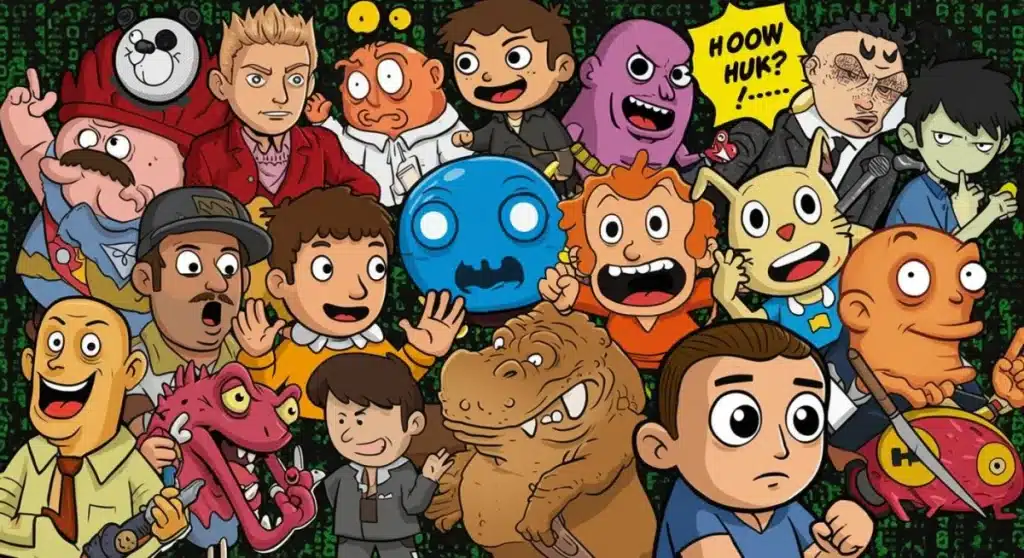
Understanding the latest meme trends is essential for anyone looking to remain current in the fast-paced world of internet humor, as these cultural artifacts often reflect and shape contemporary digital discourse.
In the whirlwind of the digital age, internet humor evolves at lightning speed. Keeping up with the latest meme trends is not just about entertainment; it’s about understanding cultural shifts, social commentary, and the very language of online communication. Have you ever felt lost in a conversation filled with references you don’t quite grasp? This guide will help you navigate the dynamic landscape of internet humor, ensuring you stay relevant and connected.
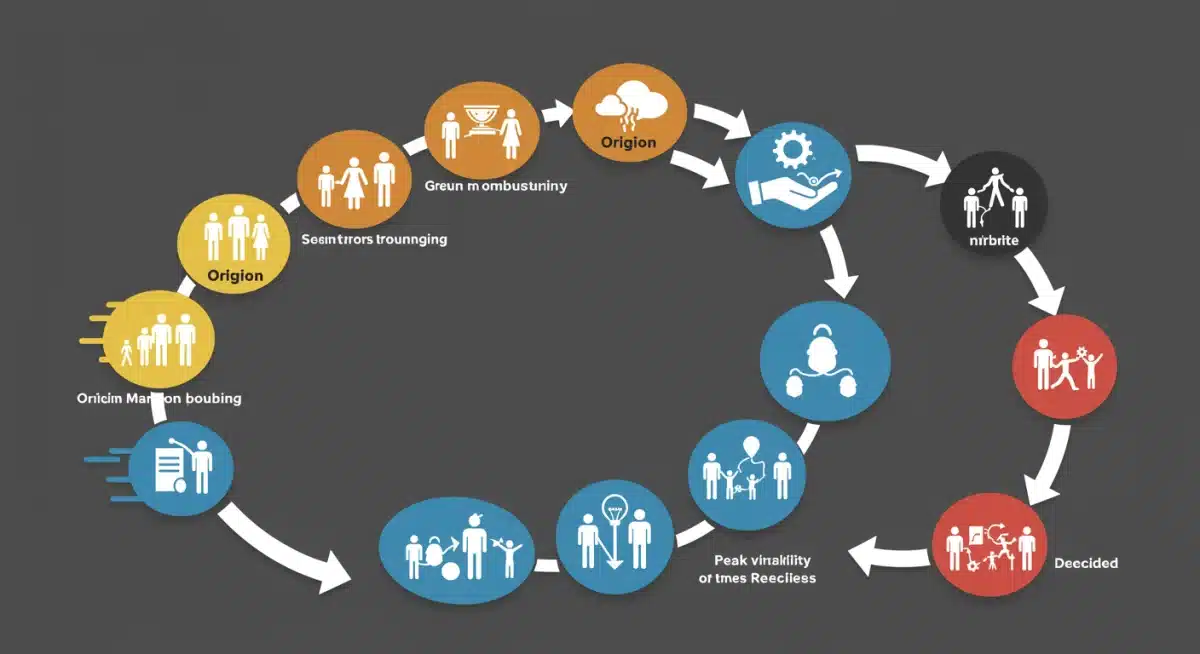
Understanding the Anatomy of a Meme: From Origin to Virality
Memes are more than just funny pictures; they are cultural touchstones, rapidly shared and adapted pieces of media that reflect collective sentiments, jokes, and observations. Their journey from a niche online corner to global virality is often unpredictable, yet follows certain patterns that can be observed and understood.
The origin of a meme can be incredibly diverse. It might start as a screenshot from a movie, a bizarre news headline, a candid photo of an animal, or even a simple phrase. What gives it power is its relatability and adaptability, allowing countless variations to emerge and resonate with different audiences.
The Genesis of Viral Content
A meme’s birth is often accidental. Someone posts something online that, for reasons sometimes inexplicable, strikes a chord. This initial spark then gets picked up by early adopters who begin to share and modify it. This early phase is crucial for establishing the meme’s core identity.
- Original Content Creation: The initial image, video, or phrase that begins the trend.
- Early Adopter Amplification: Influencers or highly engaged communities discover and share the content.
- Relatability Factor: The content resonates with a broad audience due to shared experiences or emotions.
The Mechanics of Spread and Adaptation
Once a meme gains traction, its spread becomes exponential. Social media platforms act as superhighways for this content, allowing it to reach millions in a matter of hours. Users don’t just share; they actively participate in its evolution, creating new versions that add layers of meaning and humor.
Adaptation is key to a meme’s longevity. A meme that can be easily remixed, captioned, or applied to various situations tends to last longer and achieve broader appeal. Think of classic meme templates that have been reinterpreted thousands of times, each version adding a fresh perspective.
In conclusion, understanding how memes originate and achieve virality involves recognizing the initial spark, the role of early adopters, and the critical ability of the content to be adapted and reinterpreted by a diverse online community. This dynamic process is what keeps internet humor fresh and engaging.

Decoding Current Meme Trends: What’s Hot Right Now?
Staying relevant means being aware of what’s currently captivating the internet’s attention. The landscape of internet humor is constantly shifting, with new memes emerging daily and others fading into obscurity. Identifying these trends requires a keen eye for patterns and an understanding of the cultural zeitgeist.
Currently, many popular memes lean into self-deprecating humor, relatable daily struggles, and ironic takes on serious topics. The humor often comes from unexpected juxtapositions or exaggerated reactions to mundane situations. This reflects a collective desire for authenticity and a shared understanding of life’s absurdities.
The Rise of Niche and Hyper-Specific Memes
While some memes achieve universal recognition, there’s a growing trend towards highly niche and hyper-specific humor. These memes often originate within particular online communities—be it gaming, specific fandoms, or professional groups—and gain their humor from inside jokes and shared experiences that outsiders might not immediately grasp.
- Community-Specific References: Memes that require prior knowledge of a particular group or subculture.
- Deep-Fried Memes: Heavily compressed and distorted images, often with ironic or surreal captions.
- Comment Section Humor: Jokes and running gags that originate and thrive within social media comment threads.
The Influence of Social Media Platforms
Each social media platform fosters its own unique meme culture. TikTok, for instance, is a hotbed for video-based memes, challenges, and audio trends that spread rapidly through short-form content. Instagram often sees more aesthetic or aspirational memes, while Twitter remains a hub for text-based humor, witty observations, and political satire.
Understanding the platform-specific nuances is vital. A meme that thrives on TikTok might not translate well to Facebook, and vice-versa. Creators and consumers of internet humor often adapt their content to fit the format and audience of each platform, showcasing the dynamic nature of meme propagation.
In essence, current meme trends are a mosaic of broad relatable humor and highly specific niche content, all shaped and propelled by the distinct ecosystems of various social media platforms. Keeping an ear to the ground across these diverse spaces is key to grasping the full picture of what’s currently resonating.
The Cultural Impact of Memes: More Than Just a Laugh
Beyond their entertainment value, memes have become a significant force in shaping cultural discourse, political commentary, and even advertising. They serve as a reflection of societal anxieties, joys, and shared experiences, often communicating complex ideas in a digestible and impactful way.
Memes can mobilize communities, spark discussions, and even influence public opinion. Their ability to spread rapidly and resonate deeply makes them powerful tools for both social change and commercial marketing. They are, in many ways, the modern-day equivalent of editorial cartoons or catchy slogans.
Memes as Social and Political Commentary
Many memes emerge as a direct response to current events, political developments, or social issues. They can distill complex narratives into a single, humorous image or phrase, allowing for widespread understanding and commentary. This form of communication is particularly effective among younger demographics who are highly engaged with digital media.
From critiquing government policies to highlighting social injustices, memes provide an accessible entry point for engagement. They can simplify issues, making them easier to discuss and share, even if sometimes oversimplified. This democratizes the conversation, allowing anyone with an internet connection to participate.
The Role of Memes in Marketing and Branding
Businesses and brands are increasingly leveraging memes to connect with audiences on a more authentic and relatable level. A well-placed, timely meme can make a brand appear current, humorous, and in tune with its target demographic. However, this strategy comes with risks, as misusing a meme can quickly backfire and lead to public ridicule.
Successful meme marketing requires a deep understanding of the meme’s original context, its audience, and the brand’s voice. It’s about participating in the culture, not just appropriating it. Brands that genuinely engage with meme culture often see higher levels of engagement and brand loyalty.
Ultimately, memes are a powerful cultural phenomenon, acting as both a mirror and a megaphone for society. Their influence extends far beyond mere humor, impacting how we communicate, consume information, and even how brands connect with us.
How to Identify Emerging Meme Trends Before They Go Viral
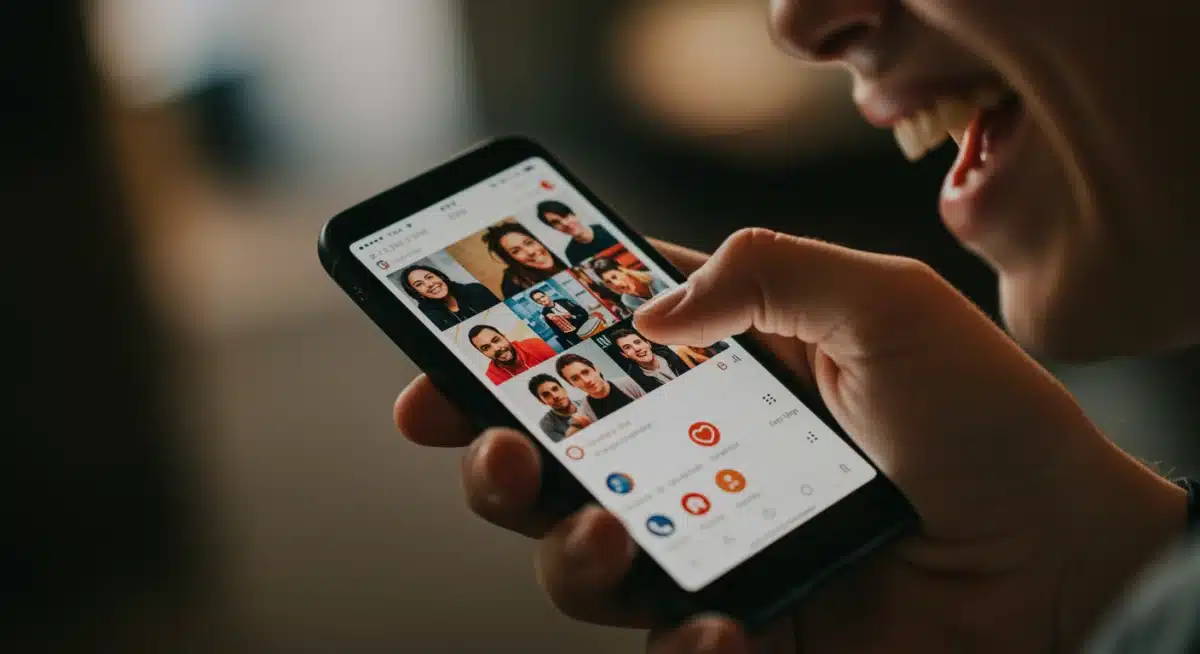
Getting ahead of the curve in meme culture can be challenging, but it’s not impossible. Identifying emerging trends before they explode requires a combination of active observation, participation in online communities, and a good understanding of what makes content shareable. It’s about sensing the subtle shifts in online humor.
Early detection often means being present in the spaces where memes are born. This could be specific subreddits, niche Discord servers, certain TikTok creators, or even obscure corners of Twitter. These communities often act as incubators for new humor, testing its resonance before it breaks out into the mainstream.
Monitoring Subcultures and Niche Communities
The internet is a vast collection of subcultures, each with its own unique humor and communication style. Paying attention to these smaller, often more experimental communities can provide early indicators of what’s to come. These groups are often the first to adopt new formats or create original content that later becomes widely popular.
- Reddit Subreddits: Many popular memes originate from specific subreddits like r/memes, r/dankmemes, or even highly specialized ones.
- TikTok For You Page: Analyzing recurring sounds, filters, or video formats can reveal nascent trends.
- Twitter Discussions: Following trending topics and observing how users are creating and sharing visual or text-based jokes.
Analyzing Content Virality Signals
Beyond simply observing, it’s helpful to understand the signals that indicate potential virality. This includes rapid increases in shares, comments, and saves on social media posts. When a piece of content starts to generate numerous variations or spin-offs, it’s a strong sign that it’s gaining traction and becoming a meme.
Look for content that is highly adaptable, emotionally resonant, or surprisingly original. If a piece of humor can be easily recontextualized or applied to different situations, its chances of becoming a widespread meme are significantly higher. The ability to be remixed is a powerful indicator of future virality.
In summary, becoming adept at identifying emerging meme trends involves active immersion in diverse online communities and a strategic analysis of content virality signals. This proactive approach allows you to anticipate and understand the next wave of internet humor.
Crafting Your Own Memes: Engaging with Internet Humor
Beyond simply consuming memes, creating your own can be a fantastic way to engage with internet humor, express creativity, and even build an online presence. Crafting a successful meme involves understanding the core principles of what makes content shareable and humorous in the digital realm.
The best memes often blend relatability with an unexpected twist. They tap into shared experiences or feelings, but present them in a fresh, often ironic, or exaggerated way. Authenticity and a clear understanding of your target audience’s humor are paramount.
Principles of Meme Creation
When creating a meme, start with a concept that you find genuinely funny or insightful. Does it address a common frustration? Does it offer a unique perspective on a current event? The foundation of any good meme is a strong, relatable idea. Then, consider the visual or textual format that best conveys that idea.
Simplicity and clarity are also crucial. Memes are often consumed quickly, so their message needs to be immediate and easy to understand. Avoid overly complex jokes or visuals that require too much explanation, as these tend to hinder rapid sharing.
- Relatability: Tap into shared experiences, emotions, or observations.
- Simplicity: Keep the message clear and easy to digest quickly.
- Originality/Twist: Offer a fresh perspective or an unexpected punchline.
Tools and Platforms for Meme Generation
There are numerous free and accessible tools available for meme creation. Websites like Imgflip, MemeGenerator, and Kapwing offer templates for popular memes, allowing you to easily add your own captions. For video memes, simple editing apps on smartphones can be incredibly effective, especially for platforms like TikTok.
Experiment with different formats and styles. Don’t be afraid to try out new ideas, even if they seem silly at first. The internet rewards creativity and a willingness to experiment. The more you practice, the better you’ll become at understanding what resonates with online audiences.
To summarize, crafting your own memes is an active way to participate in internet humor, requiring a balance of relatable concepts, clear communication, and a willingness to experiment with various online tools and platforms to convey your unique comedic voice.
The Ethics of Meme Sharing: Responsibility in Digital Humor
While memes are often lighthearted, their widespread reach means that ethical considerations are crucial. Responsible meme sharing involves understanding the potential impact of your content, respecting intellectual property, and being mindful of the messages you amplify. Not all humor is harmless, and the internet has a long memory.
Before sharing or creating a meme, it’s important to pause and consider its implications. Does it punch down or up? Does it perpetuate harmful stereotypes? Is it based on misinformation? Asking these questions helps ensure that your participation in internet humor is positive and constructive.
Avoiding Harmful and Offensive Content
The anonymous nature of the internet can sometimes lead to a lowered sense of accountability, resulting in the spread of offensive or harmful memes. These can target individuals, marginalized groups, or promote hateful ideologies. Consciously choosing not to share such content is a vital part of ethical online behavior.
It’s also important to be critical of the source of a meme. Is it designed to spread misinformation or propaganda? Memes can be powerful tools for manipulation, and being discerning about what you share helps combat the spread of harmful narratives. Your shares contribute to the overall online discourse.
Respecting Intellectual Property and Context
Many memes are based on existing images, videos, or phrases that may be copyrighted. While fair use often applies to transformative works like memes, it’s still an area that requires awareness. Additionally, understanding the original context of a meme is crucial to avoid misinterpreting its meaning or using it inappropriately.
For example, a meme that originated as an inside joke within a specific community might be offensive if taken out of context and applied to a different situation. Ethical sharing means making an effort to understand the meme’s origins and ensuring your usage is respectful and appropriate.
In conclusion, engaging with internet humor ethically means taking responsibility for the content you share, actively avoiding harmful material, and showing respect for intellectual property and original context. This mindful approach ensures that memes remain a source of joy and commentary, rather than harm.
Future of Memes: What’s Next for Internet Humor?
Predicting the exact trajectory of internet humor is like trying to catch smoke, but certain trends and technological advancements offer clues about the future of memes. As digital culture continues to evolve, so too will the ways we create, share, and consume humorous content online.
One clear direction is the increasing integration of AI and augmented reality (AR) into meme creation. These technologies could allow for more personalized, interactive, and immersive meme experiences, blurring the lines between static images and dynamic, evolving content.
AI and Augmented Reality in Meme Creation
Imagine AI tools that can instantly generate meme variations based on a text prompt, or AR filters that allow you to embody a meme character in real-time. These technologies could democratize meme creation even further, making it accessible to anyone with a smartphone and an idea. The speed of meme evolution could accelerate dramatically.
- AI-Generated Memes: Algorithms creating novel meme concepts or variations based on current trends.
- AR Filters: Interactive filters that allow users to become or interact with meme elements in their real environment.
- Deepfake Memes (Ethical Concerns): Advanced AI creating highly realistic, but potentially problematic, humorous content.
The Convergence of Physical and Digital Meme Experiences
We’re already seeing memes transcend digital screens and appear in physical spaces, from protest signs to mainstream advertising. This convergence is likely to grow, with memes becoming more seamlessly integrated into our everyday lives, both online and off. Live events, art installations, and even fashion could increasingly draw inspiration from viral internet humor.
Furthermore, the platforms themselves will continue to evolve, influencing how memes are shared. New social media apps, virtual reality environments, and even metaverse platforms could become the next frontier for internet humor, offering novel ways for memes to propagate and interact with users.
Looking ahead, the future of memes points towards a more technologically advanced, interactive, and pervasive form of humor. AI and AR will likely empower new creation methods, while the boundaries between digital and physical meme experiences continue to dissolve, making internet humor an even more integral part of our daily lives.
| Key Aspect | Brief Description |
|---|---|
| Meme Anatomy | Memes originate from diverse sources, gain virality through relatability and adaptation, and spread via social platforms. |
| Current Trends | Includes self-deprecating humor, niche content, and platform-specific formats like TikTok challenges and Twitter commentary. |
| Cultural Impact | Memes influence social commentary, political discourse, and marketing strategies, reflecting and shaping societal narratives. |
| Future Outlook | Anticipates AI and AR integration, leading to more personalized and immersive meme experiences, blurring digital and physical lines. |
Frequently Asked Questions About Meme Trends
A meme typically goes viral due to its relatability, adaptability, and emotional resonance. Content that taps into shared experiences or offers a fresh, humorous perspective is more likely to be widely shared and adapted across various online communities and platforms.
To stay updated, actively engage with diverse social media platforms like TikTok, Reddit (especially meme-focused subreddits), and Twitter. Observing trending topics, specific creators, and community discussions are effective ways to spot emerging humor and content.
No, not all memes are suitable for marketing. Ethical use requires understanding the meme’s original context, avoiding offensive content, and ensuring it aligns with brand values. Misusing a meme can lead to negative public perception and backlash, so careful consideration is essential.
Social media platforms are central to meme trends, acting as primary propagation channels. Each platform fosters unique meme cultures and formats, influencing how content is created and shared. For instance, TikTok favors video memes, while Twitter excels in text-based humor and quick reactions.
The future of memes is likely to involve increased integration of AI and augmented reality, leading to more personalized and interactive content. Memes may also further blur the lines between digital and physical spaces, becoming more pervasive in everyday culture and communication.
Conclusion
Navigating the latest meme trends is an ongoing journey through the vibrant and ever-changing landscape of internet humor. From understanding their origins and cultural impact to ethically engaging with and even creating them, memes offer a unique window into contemporary society and digital communication. By staying curious, observant, and responsible, you can not only keep pace with internet humor but also actively contribute to its evolution, ensuring your relevance in this fast-paced digital world.