Diet and Mood: 5 Foods to Boost Mental Health in the US
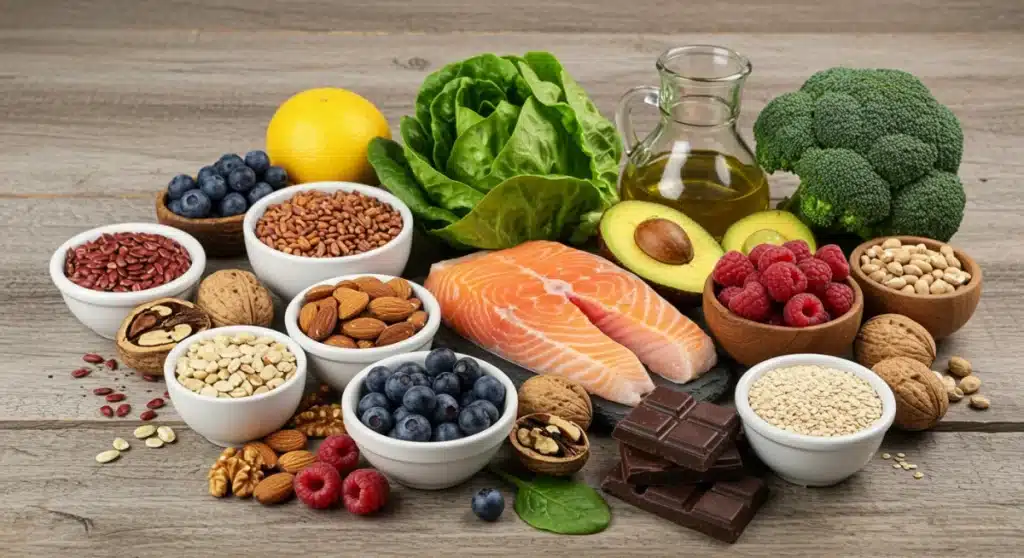
Have you ever noticed how certain foods can lift your spirits or, conversely, leave you feeling sluggish and irritable? The powerful connection between what you eat and how you feel is undeniable.
In the United States, where dietary habits vary widely, understanding the link between diet and mood: 5 foods to boost your mental health in the US can be a game-changer for overall well-being.
It’s time to explore how simple dietary adjustments can lead to profound improvements in your emotional landscape.
Understanding the Gut-Brain Axis
The gut-brain axis is a fascinating bidirectional communication system that links the central nervous system with the enteric nervous system, the latter often referred to as our ‘second brain.’
This complex network is crucial for regulating not only digestion but also our emotions, stress responses, and cognitive functions. Emerging research continues to unveil the profound impact of our gut microbiome on this axis, suggesting that a healthy gut is a cornerstone of a healthy mind.
When we consume certain foods, they directly influence the composition and activity of the trillions of microorganisms residing in our digestive tract.
These microbes produce various neuroactive compounds, including neurotransmitters like serotonin and dopamine, which play critical roles in mood regulation. An imbalance in this delicate ecosystem, known as dysbiosis, has been linked to several mental health conditions, including anxiety and depression.
The Microbiome’s Role in Mental Well-being
Your gut microbiome acts as a chemical factory, converting food components into substances that can either support or hinder your mental state. A diverse and balanced microbiome is associated with better mental resilience and emotional stability.
Conversely, a diet high in processed foods, sugar, and unhealthy fats can foster the growth of detrimental bacteria, leading to inflammation and disrupting the gut-brain communication.
Neurotransmitter Production: Many gut bacteria produce neurotransmitters, such as serotonin, which is vital for mood regulation.
Immune System Modulation: The gut microbiome influences the immune system, and chronic inflammation is a known factor in mood disorders.
Gut Barrier Integrity: A healthy microbiome helps maintain the integrity of the gut lining, preventing harmful substances from entering the bloodstream and affecting the brain.
Therefore, nurturing your gut flora through diet is not just about physical health; it’s a direct investment in your mental well-being. By choosing foods that promote a flourishing gut microbiome, you are essentially feeding your brain with the right signals for optimal emotional balance.
Omega-3 Fatty Acids: The Brain’s Best Friend
Omega-3 fatty acids are essential fats that our bodies cannot produce, meaning we must obtain them through our diet.
These powerful nutrients are fundamental components of cell membranes throughout the body, particularly in the brain, where they play a vital role in maintaining brain structure and function.
Their anti-inflammatory properties are also key to protecting brain cells and supporting overall neurological health.
Research consistently highlights the significance of omega-3s, specifically EPA (eicosapentaenoic acid) and DHA (docosahexaenoic acid), in mental health. These fatty acids are crucial for neurotransmitter function, cell signaling, and reducing oxidative stress in the brain. A deficiency in omega-3s has been correlated with an increased risk of mood disorders, including depression and anxiety, underscoring their importance in a balanced diet.
Sources of Omega-3s for Mood Enhancement
Incorporating a variety of omega-3 rich foods into your diet is a straightforward way to support your mental health. Fatty fish are particularly abundant in EPA and DHA, making them excellent choices for direct brain benefits.
For those who prefer plant-based options, certain seeds and nuts provide alpha-linolenic acid (ALA), a precursor to EPA and DHA, although the conversion rate in the body can vary.
Fatty Fish: Salmon, mackerel, sardines, and tuna are rich sources of EPA and DHA. Aim for at least two servings per week.
Flaxseeds and Chia Seeds: These plant-based powerhouses are packed with ALA. Incorporate them into smoothies, oatmeal, or salads.
Walnuts: Another excellent plant-based source of ALA, walnuts make a great snack or addition to various dishes.
Regular consumption of omega-3 fatty acids can contribute to improved mood stability, reduced symptoms of depression, and enhanced cognitive performance. Making these foods a regular part of your diet is a flavorful and effective strategy for boosting your mental well-being.

Berries and Antioxidants: Protecting Your Brain
Berries are not just delicious; they are nutritional powerhouses, particularly renowned for their high antioxidant content.
These vibrant fruits, such as blueberries, strawberries, and raspberries, are packed with flavonoids and anthocyanins, compounds that give them their rich colors and potent health benefits. Antioxidants play a critical role in protecting our bodies, and especially our brains, from oxidative stress.
Oxidative stress occurs when there’s an imbalance between free radicals and antioxidants in the body.
This imbalance can damage cells, including brain cells, and has been implicated in the development of various neurodegenerative diseases and mood disorders.
By neutralizing free radicals, antioxidants help to safeguard brain health, reduce inflammation, and support optimal cognitive function.
The Role of Flavonoids in Mental Resilience
Flavonoids, a type of antioxidant abundant in berries, have been shown to cross the blood-brain barrier and exert direct effects on brain cells.
They can enhance blood flow to the brain, promote the growth of new brain cells, and improve neuronal signaling, all of which contribute to better mood and cognitive performance. Regular consumption of berries has been linked to improved memory, attention, and reduced symptoms of depression.
Blueberries: Often hailed as a superfood, blueberries are particularly rich in anthocyanins, which have strong antioxidant and anti-inflammatory effects.
Strawberries: These popular berries provide a good source of vitamin C, another powerful antioxidant, alongside various flavonoids.
Raspberries: Packed with ellagic acid, raspberries offer additional antioxidant protection and contribute to overall brain health.
Incorporating a variety of berries into your daily diet is a simple yet effective way to arm your brain with the protective power of antioxidants.
Whether fresh, frozen, or added to smoothies, their delicious taste and mood-boosting benefits make them an ideal dietary addition.
Fermented Foods: Nurturing Your Gut, Nurturing Your Mind
Fermented foods have been a staple in human diets for centuries, valued for their unique flavors and preservative qualities. Beyond their culinary appeal, these foods are teeming with beneficial probiotics, live microorganisms that can significantly enhance gut health.
Think of foods like yogurt, kefir, sauerkraut, kimchi, and kombucha – all undergo a fermentation process that introduces good bacteria into your digestive system.
The connection between fermented foods and mental health lies in their ability to positively influence the gut microbiome.
A thriving gut microbiome, rich in diverse beneficial bacteria, is crucial for maintaining the integrity of the gut lining and supporting the production of essential neurotransmitters like serotonin.
This, in turn, can have a direct impact on mood regulation, stress response, and overall emotional well-being.
Probiotics and the Gut-Brain Connection
Probiotics in fermented foods help to restore balance to the gut flora, especially after disturbances caused by antibiotics, stress, or an unhealthy diet. This rebalancing can reduce inflammation, improve nutrient absorption, and optimize the communication pathways of the gut-brain axis. Studies have shown that regular consumption of probiotic-rich foods can lead to reductions in anxiety and depression symptoms.
Yogurt and Kefir: Dairy-based fermented products that are excellent sources of diverse probiotic strains. Opt for plain, unsweetened varieties to avoid added sugars.
Sauerkraut and Kimchi: Fermented cabbage dishes that offer a potent dose of probiotics and are rich in vitamins and fiber.
Kombucha: A fermented tea beverage that provides probiotics and antioxidants, offering a refreshing way to support gut health.
Making fermented foods a regular part of your diet is a delicious and effective strategy for supporting your gut microbiome and, by extension, boosting your mental health. These foods not only enhance digestion but also contribute to a more resilient and balanced emotional state.

Dark Chocolate: A Sweet Treat for Your Brain
For many, dark chocolate is a beloved indulgence, but its benefits extend far beyond its rich taste. This delicious treat, particularly varieties with a high cocoa content (70% or more), is a surprising ally in promoting mental well-being.
Dark chocolate is packed with compounds that can positively influence mood, reduce stress, and even enhance cognitive function, making it a truly ‘sweet’ addition to a balanced diet.
The key to dark chocolate’s mood-boosting properties lies in its rich profile of antioxidants, particularly flavonoids, and its ability to stimulate the production of feel-good neurotransmitters. It also contains small amounts of caffeine and theobromine, which can provide a gentle stimulating effect, improving alertness and focus.
Furthermore, the act of savoring dark chocolate itself can be a comforting and pleasurable experience, contributing to a sense of well-being.
How Dark Chocolate Boosts Your Mood
The flavonoids in dark chocolate are powerful antioxidants that can improve blood flow to the brain, enhancing cognitive function and mood.
These compounds also stimulate the production of endorphins, natural opiates that produce feelings of pleasure and reduce pain. Moreover, dark chocolate contains tryptophan, an amino acid that is a precursor to serotonin, a neurotransmitter crucial for mood regulation.
Flavonoids: These antioxidants improve brain blood flow and reduce oxidative stress, supporting cognitive health and mood.
Endorphin Release: Consumption can trigger the release of endorphins, leading to feelings of happiness and euphoria.
Serotonin Precursors: Tryptophan in dark chocolate aids in serotonin production, which is vital for stable mood.
While dark chocolate offers numerous benefits, moderation is key due to its caloric content. A small square or two (around 1-2 ounces) a few times a week can be a delightful and effective way to incorporate this mood-boosting food into your diet, providing a guilt-free pleasure that nourishes both body and mind.
Leafy Greens and Whole Grains: Sustained Energy and Stability
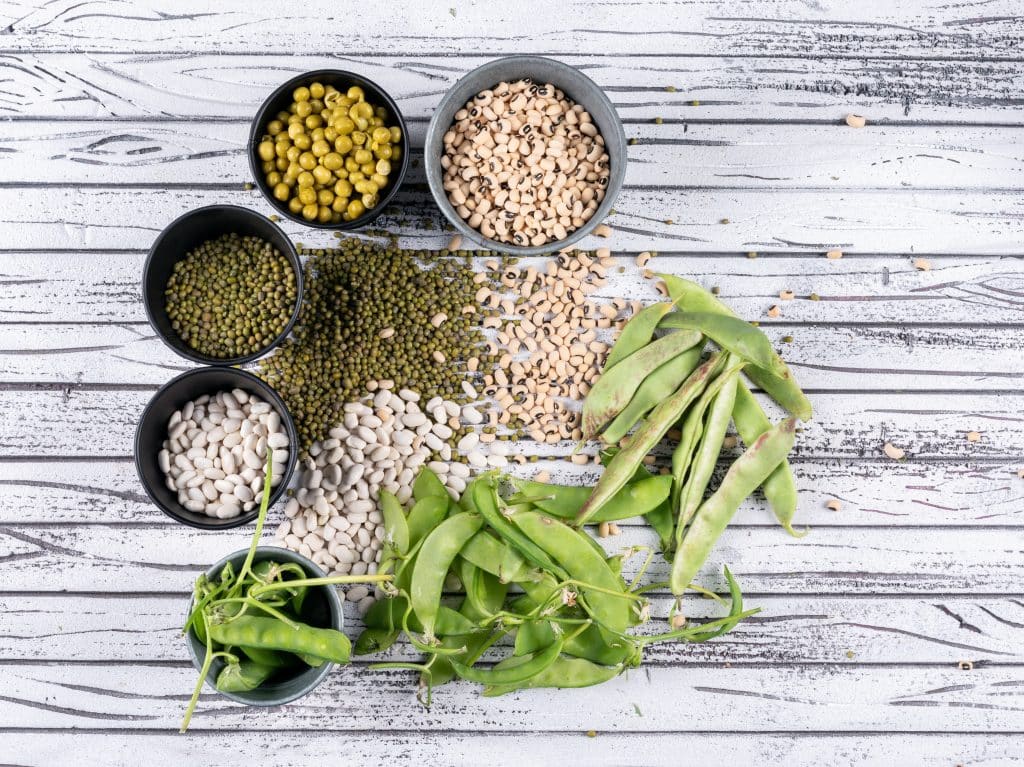
When considering foods that boost mental health, leafy greens and whole grains might not be the first things that come to mind, but their role is undeniably crucial.
These dietary staples provide a steady supply of nutrients essential for brain function and sustained energy, preventing the mood swings often associated with blood sugar fluctuations. They are fundamental for maintaining overall mental stability and cognitive clarity.
Leafy greens, such as spinach, kale, and collard greens, are abundant in vitamins, minerals, and antioxidants. They are particularly rich in folate, a B vitamin vital for neurotransmitter synthesis and mood regulation.
Whole grains, including oats, brown rice, and quinoa, offer complex carbohydrates that provide a slow and steady release of glucose into the bloodstream, fueling the brain without causing energy crashes.
The Benefits of Folate and Complex Carbohydrates
Folate plays a critical role in the production of serotonin, dopamine, and norepinephrine, neurotransmitters that are essential for mood regulation. A deficiency in folate has been linked to symptoms of depression and fatigue.
By ensuring adequate intake of leafy greens, you are directly supporting your brain’s ability to produce these vital chemicals. Whole grains, on the other hand, stabilize blood sugar levels, which is crucial for preventing irritability, anxiety, and difficulty concentrating.
Folate in Leafy Greens: Essential for producing mood-regulating neurotransmitters, supporting emotional balance.
Complex Carbohydrates in Whole Grains: Provide a stable energy source for the brain, preventing mood dips and maintaining focus.
Fiber Content: Both leafy greens and whole grains are rich in fiber, supporting a healthy gut microbiome, which further benefits mental health.
Integrating nutrient-dense foods into your diet, especially leafy greens and whole grains, is a fundamental strategy for supporting long-term mental health.
A balanced diet that includes these foods helps provide steady energy, essential vitamins, and key minerals that the brain needs to function effectively throughout the day.
| Key Food Group | Mental Health Benefit |
|---|---|
| Omega-3 Fatty Acids | Supports brain function, reduces inflammation, improves mood stability. |
| Berries | High in antioxidants, protects brain cells, enhances cognitive function. |
| Fermented Foods | Boosts gut microbiome, aids neurotransmitter production, reduces anxiety. |
| Dark Chocolate | Contains flavonoids, stimulates endorphins, improves blood flow to the brain. |
Frequently Asked Questions About Diet and Mood
While individual responses vary, some people report noticing improvements in mood and energy levels within a few days to weeks of making significant dietary changes. Consistent healthy eating habits are crucial for long-term benefits, as the gut microbiome and brain chemistry take time to adapt and optimize.
Yes, foods high in refined sugars, unhealthy fats, and processed ingredients can negatively impact mood. They can lead to blood sugar crashes, inflammation, and an imbalance in gut bacteria, all of which are linked to increased anxiety, irritability, and depressive symptoms over time.
While some supplements, like omega-3s or probiotics, can be beneficial, whole foods provide a complex array of nutrients, fiber, and synergistic compounds that often work better together than isolated supplements. It’s generally recommended to prioritize whole food sources for optimal mental health benefits.
Absolutely. Well-planned vegetarian and vegan diets can be incredibly beneficial for mental health, often rich in fruits, vegetables, whole grains, and legumes. Careful attention to nutrient intake, such as ensuring adequate omega-3s from plant sources and vitamin B12, is important for optimal results.
Proper hydration plays a vital role in maintaining both physical and mental well-being. While many people associate drinking water mainly with physical health, its impact on brain function and emotional balance is equally significant.
The human brain is composed of nearly 75% water, meaning even small changes in hydration levels can influence how the brain performs throughout the day.
When the body becomes even mildly dehydrated, cognitive performance can decline. Research has shown that inadequate hydration may lead to symptoms such as fatigue, irritability, headaches, and difficulty concentrating.
These effects occur because dehydration can reduce blood flow and oxygen delivery to the brain, making it harder for the body to maintain optimal neurological function.
Hydration also plays a key role in regulating mood. When the body lacks sufficient fluids, stress hormones may increase, contributing to feelings of anxiety or mental fog.
In contrast, maintaining proper hydration supports neurotransmitter function, helping the brain communicate more effectively and stabilize emotional responses.
Another important factor is energy regulation. Water assists in transporting essential nutrients to brain cells and removing metabolic waste. When hydration levels are balanced, the brain can process information more efficiently, which may improve focus, productivity, and overall emotional resilience throughout the day.
Incorporating good hydration habits is simple yet powerful. Drinking water consistently throughout the day—rather than waiting until you feel thirsty—helps maintain steady fluid levels.
Consuming water-rich foods such as cucumbers, watermelon, oranges, and leafy greens can also contribute to daily hydration while providing valuable vitamins and antioxidants.
For adults in the United States, general guidelines suggest aiming for about 8–10 cups of water per day, though individual needs may vary depending on activity level, climate, and overall health. Paying attention to hydration is a small daily habit that can deliver meaningful benefits for mental clarity, emotional stability, and long-term wellness.
Ultimately, staying properly hydrated is one of the simplest and most effective ways to support both brain health and mood balance. By making water intake a daily priority, individuals can help maintain better focus, improved energy levels, and a more stable, positive state of mind.
Conclusion
The intricate relationship between our diet and our mental well-being is a powerful one, often underestimated in its profound impact.
By understanding and embracing the link between diet and mood: 5 foods to boost your mental health in the US, we can take proactive steps towards a more balanced and resilient emotional state.
Integrating omega-3 fatty acids, antioxidant-rich berries, beneficial fermented foods, mood-lifting dark chocolate, and nutrient-dense leafy greens and whole grains into your daily routine offers a holistic approach to nurturing both your body and mind.
Remember, small, consistent dietary changes can lead to significant improvements in how you feel, fostering a brighter and more stable mental landscape.