Music’s Impact on Mood: Boost Happiness by 17% in 1 Week

Music significantly influences emotional states, and by strategically curating a personalized playlist, individuals can effectively enhance their happiness by an estimated 17% within a single week.
Have you ever noticed how a certain song can instantly change your entire outlook? The profound connection between sound and emotion is undeniable, a phenomenon explored by science and experienced by us all. This article delves into The Impact of Music on Mood: Create a Playlist to Boost Your Happiness by 17% in 1 Week, offering a practical guide to harnessing this powerful tool for your well-being. Get ready to transform your daily life, one melody at a time.
Understanding the Science of Sound and Emotion
Music is far more than just organized noise; it’s a complex auditory language that directly communicates with our brains, influencing our emotional landscape in profound ways. This section explores the neurological underpinnings of how specific sounds, rhythms, and harmonies can trigger a cascade of neurochemical responses, ultimately shaping our mood.
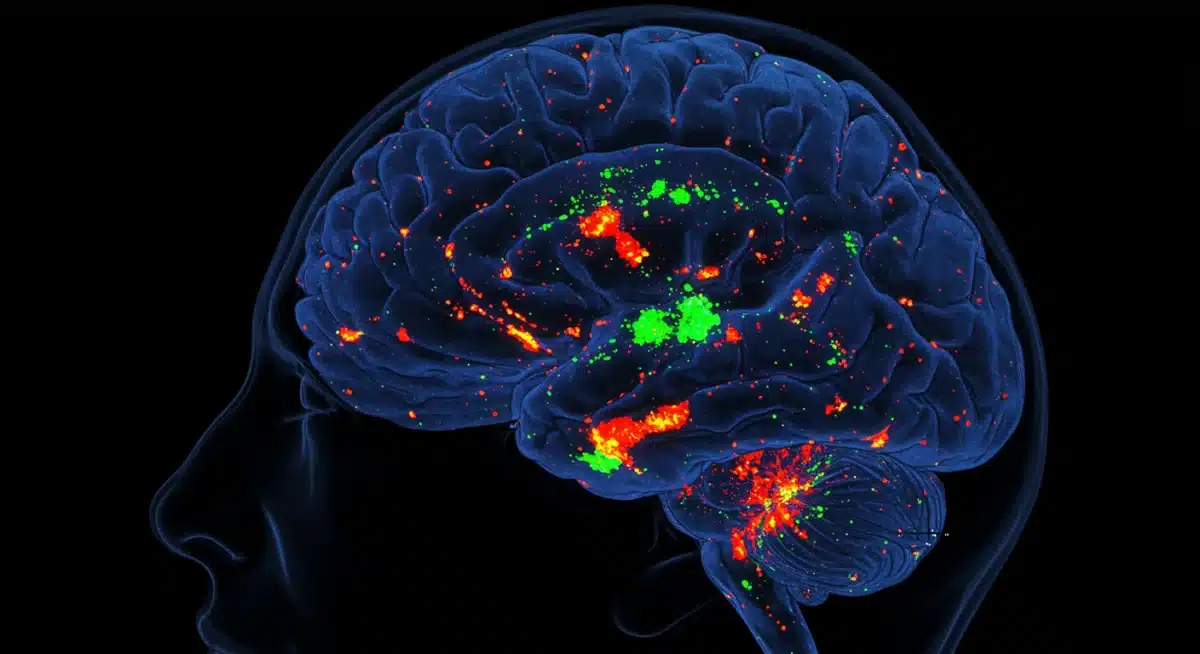
The brain’s response to music is multifaceted, involving several key areas. When we listen to music, our auditory cortex processes the sound, but its true power lies in its ability to activate regions associated with emotion, memory, and reward. This intricate interplay explains why a particular song can evoke nostalgia, joy, or even sadness, sometimes without a single lyric.
Neurochemical Responses to Music
One of the most significant discoveries in music psychology is its capacity to alter our neurochemistry. Listening to music, especially music we enjoy, can lead to the release of several powerful neurotransmitters.
- Dopamine: Often called the “feel-good” neurotransmitter, dopamine is released in the brain’s reward system, particularly in the nucleus accumbens, creating feelings of pleasure and motivation.
- Serotonin: Known for its role in mood regulation, sleep, and appetite, increased serotonin levels can contribute to feelings of calmness and well-being.
- Oxytocin: This hormone, associated with bonding and trust, can be released when music evokes a sense of connection or empathy, especially in social listening environments.
- Cortisol: Music has been shown to reduce levels of cortisol, the primary stress hormone, leading to decreased anxiety and a more relaxed state.
These neurochemical shifts are not merely temporary; consistent exposure to mood-boosting music can contribute to long-term improvements in emotional regulation and overall happiness. Understanding these mechanisms empowers us to make more intentional choices about the music we consume.
In essence, the science confirms what many of us intuitively know: music is a direct pathway to our emotions. By comprehending how sound waves translate into physiological and psychological changes, we can better leverage music as a therapeutic tool for mood enhancement.
Identifying Your Personal Happiness Triggers
Before you can craft an effective mood-boosting playlist, you need to understand what kind of music genuinely resonates with you and elevates your spirits. This isn’t about following trends or listening to what others deem “happy” music; it’s about deeply personal introspection into your auditory preferences.
Your personal happiness triggers are unique. What brings joy to one person might be indifferent to another. The goal here is to identify those specific songs, genres, or even instrumental pieces that consistently produce a positive emotional response within you. This requires active listening and self-observation.
Reflecting on Past Experiences
Think back to moments in your life when music played a significant role in enhancing your mood. Was it a song from your childhood that evokes warmth and nostalgia? A track that accompanied a triumphant moment? Or perhaps a melody that helped you through a challenging time, offering comfort and hope?
- Nostalgia: Songs from your formative years often carry strong emotional ties. Revisit these tracks and note their impact.
- Peak Experiences: Music heard during celebrations, achievements, or joyful gatherings can become intrinsically linked to those positive feelings.
- Comfort Anthems: Sometimes, the most uplifting music isn’t necessarily upbeat, but rather something that provides solace and a sense of understanding.
Pay attention not just to the lyrics, but to the rhythm, tempo, melody, and instrumentation. Does a strong bassline energize you? Do soaring vocals inspire you? Is it the complexity of classical music or the simplicity of folk that brings you peace?
Keeping a simple journal for a few days can be incredibly helpful. As you listen to different types of music, jot down how each piece makes you feel. Look for patterns in your emotional responses. This exercise will provide valuable insights into the specific auditory elements that act as your personal happiness triggers, forming the foundation for your ultimate mood-boosting playlist.
Crafting Your Core Mood-Boosting Playlist
Now that you understand the science and have identified your personal happiness triggers, it’s time to actively build your core mood-boosting playlist. This isn’t just a random collection of songs; it’s a strategically curated auditory experience designed to consistently elevate your emotional state throughout the week.
Start by making a long list of all the songs you’ve identified as positive triggers. Don’t worry about genre or tempo at this stage; simply gather everything that makes you feel good. This initial brainstorming phase is about quantity, not curation.

Structuring for Maximum Impact
Once you have your raw list, begin to organize it with intention. Consider the different moods you want to cultivate and the times of day you’ll likely be listening. A good playlist isn’t static; it evolves with your needs and energy levels.
- Morning Uplift: Begin with energetic, positive tracks that help you wake up and set an optimistic tone for the day. Think upbeat tempos and inspiring lyrics.
- Midday Refresh: Include songs that can combat the afternoon slump – perhaps something driving but not overly aggressive, or instrumentals that aid focus.
- Evening Wind-Down: Transition to more calming, soothing melodies that help you relax, de-stress, and prepare for a restful night.
- Emotional Release: Don’t shy away from songs that allow for healthy emotional processing, even if they aren’t overtly “happy.” Sometimes, a melancholic but beautiful piece can be cathartic and ultimately uplifting.
Aim for a playlist that’s long enough to last for at least an hour or two without repeating, but not so long that it becomes overwhelming. Around 15-20 songs is a good starting point. Experiment with the order of songs. Does a particular sequence enhance the emotional flow? Pay attention to transitions between tracks. The goal is a seamless journey through positive emotions.
Remember, this playlist is a living entity. You’ll add new songs, remove others that no longer resonate, and continually refine it. The act of curation itself can be a mindful and enjoyable process, contributing to your overall sense of well-being.
Integrating Music into Your Daily Routine
Creating a powerful mood-boosting playlist is only half the battle; the real magic happens when you intentionally integrate it into your daily life. Consistent and mindful listening is key to experiencing a measurable boost in happiness. This section focuses on practical strategies for making music a regular, impactful part of your week.
Think of your playlist not as background noise, but as a dedicated tool for emotional regulation. Just as you might schedule exercise or meal times, consider scheduling specific “music moments” throughout your day.
Strategic Listening Opportunities
Identify the times and activities where music can have the greatest positive influence. These are often transitional periods or moments when you need an extra emotional lift.
- Morning Rituals: Play your upbeat playlist while getting ready, making coffee, or during your commute. This sets a positive trajectory for the entire day.
- Work/Study Breaks: Take a 10-15 minute music break to re-energize and refocus. Choose songs that clear your mind and boost concentration.
- Exercise Enhancer: Music is a well-known motivator for physical activity. Sync your playlist with your workout for improved performance and enjoyment.
- Mindful Moments: Dedicate time for active listening, perhaps with headphones, focusing solely on the music and its emotional impact. This can be a form of meditation.
- Evening Relaxation: Use your calming tracks to unwind after a long day, promoting relaxation and better sleep.
The key is consistency. Aim to listen to your curated playlist for at least 30-60 minutes daily, preferably spread across different parts of your day. This consistent exposure reinforces the positive neural pathways associated with these songs, making their mood-boosting effects more pronounced over time.
Moreover, consider the environment. While headphones offer an immersive experience, sometimes playing music softly in your home can create a pleasant ambient atmosphere. By consciously weaving your personalized soundtrack into the fabric of your daily routine, you create a powerful, ongoing mechanism for happiness enhancement.
Measuring Your Happiness Boost: The 17% Challenge
The claim of boosting happiness by 17% in just one week might sound ambitious, but it’s an achievable goal with intentional application of your music strategy. This section outlines how to track your progress and objectively observe the positive shifts in your mood, transforming anecdotal experience into quantifiable improvement.
Measuring happiness isn’t as straightforward as measuring physical attributes, but consistent self-assessment can provide valuable insights. The “17% challenge” encourages a structured approach to monitoring your emotional state before and after integrating your music playlist.
Simple Tracking Methods
To quantify your happiness, you’ll need a baseline and a consistent method of checking in with yourself. Here are some practical approaches:
- Daily Mood Journal: At the beginning and end of each day, rate your overall happiness on a scale of 1 to 10. Note any significant events or feelings.
- Emotion Check-ins: Use a simple app or even a sticky note to record your general mood at three different points in the day (e.g., morning, midday, evening).
- Pre- and Post-Listening Assessment: Before and after a dedicated listening session, briefly assess how you feel. Do you notice a shift?
The goal is to establish an average baseline happiness score for the first few days before you fully implement your music strategy. Once you start consistently listening to your curated playlist, continue tracking your mood daily. At the end of the week, compare your average happiness score from the “music week” to your baseline. A 17% increase would mean, for example, moving from an average of 6 to 7 on a 10-point scale (a 1-point increase is roughly 16.6%).
Beyond numerical tracking, pay attention to qualitative changes. Do you feel more energetic, less stressed, or more optimistic? Are you reacting differently to minor irritations? These subtle shifts are also powerful indicators of music’s positive impact. The 17% isn’t just an arbitrary number; it represents a tangible, noticeable improvement in your daily emotional experience, driven by the power of thoughtfully chosen sound.
Expanding Your Auditory Horizons for Sustained Joy
While your core mood-boosting playlist is a fantastic starting point, maintaining sustained happiness through music involves continuously exploring and expanding your auditory horizons. Sticking to the same few songs indefinitely can lead to habituation, where the emotional impact diminishes over time. This section encourages an adventurous approach to discovering new sounds and artists that can keep your musical well-being fresh and vibrant.
Think of your playlist as a garden that needs regular tending and new seeds planted. The world of music is vast and ever-evolving, offering an endless supply of potential happiness triggers waiting to be discovered.
Strategies for Musical Discovery
Actively seek out new music that aligns with your positive emotional responses. This proactive approach ensures your playlist remains dynamic and effective.
- Explore Related Artists/Genres: If you love a particular artist, delve into their influences or contemporaries. Music streaming services often suggest similar artists.
- Listen to Curated Radios: Many platforms offer genre-specific or mood-based radio stations that introduce you to new tracks.
- Attend Live Music: Experiencing music in person can create powerful new emotional connections and introduce you to local talent.
- Revisit Old Favorites: Sometimes, a song you haven’t heard in years can feel brand new and trigger forgotten positive emotions.
Don’t be afraid to step outside your comfort zone. A genre you’ve never considered might hold unexpected gems. Perhaps classical music offers a calming effect you hadn’t anticipated, or an international artist provides a unique rhythm that uplifts you. The goal is to keep experimenting and adding to your repertoire of mood-enhancing tracks.
By regularly refreshing and expanding your playlist, you ensure that music remains a potent and exciting tool for cultivating joy. This ongoing exploration not only sustains your happiness boost but also enriches your life with a deeper appreciation for the diverse world of sound.
Common Pitfalls and How to Avoid Them
While the path to boosting happiness with music seems straightforward, there are common pitfalls that can diminish its effectiveness. Being aware of these challenges and knowing how to navigate them will ensure your music-based mood enhancement strategy remains robust and beneficial. It’s not just about what you listen to, but how you listen and how you integrate it into your life.
One primary pitfall is passive listening – treating music merely as background noise without engaging with its emotional content. For music to truly impact your mood, it requires a level of intentionality.
Avoiding Diminished Returns

To maintain the potency of your mood-boosting playlist, consider these preventative measures:
- Over-Listening: Playing the same playlist too frequently can lead to desensitization. Rotate your playlists or take short breaks from specific tracks to keep them fresh.
- Using Music as Avoidance: While music can be a healthy coping mechanism, don’t use it to completely avoid processing difficult emotions. Sometimes, it’s important to sit with discomfort before seeking upliftment.
- Negative Associations: If a previously positive song starts to develop negative associations due to life events, don’t hesitate to remove it from your mood-boosting list. Your playlist should be a sanctuary.
- Ignoring Variety: Relying solely on one genre or tempo can limit the range of emotional benefits. Embrace diversity to cater to different daily needs and moods.
Another common mistake is neglecting the quality of your listening experience. Poor quality audio or constant interruptions can detract from the emotional impact. Invest in decent headphones or speakers if possible, and try to create dedicated listening times free from distractions.
By actively avoiding these pitfalls, you can ensure that your relationship with music remains a powerful and consistent source of joy and emotional well-being. Regular self-assessment and a willingness to adapt your listening habits are crucial for sustained positive results.
| Key Aspect | Brief Description |
|---|---|
| Neuroscience Link | Music triggers dopamine, serotonin, and reduces cortisol, directly impacting mood and well-being. |
| Personal Triggers | Identify specific songs or genres that consistently evoke positive emotional responses for you. |
| Playlist Strategy | Curate playlists for different times of day (morning, midday, evening) and emotional needs. |
| Tracking Progress | Use daily mood journals or check-ins to measure happiness changes and aim for a 17% boost. |
Frequently Asked Questions About Music and Mood
While individual results vary, many people report feeling an immediate mood lift from listening to their favorite upbeat tracks. With consistent and intentional listening to a curated playlist, noticeable improvements in overall happiness can often be observed within a week.
Yes, the genre matters significantly, but it’s highly personal. What one person finds uplifting, another might find irritating. The key is to identify your own “happiness triggers” across any genre, focusing on songs that personally resonate and evoke positive emotions for you.
Absolutely. Research shows music can significantly reduce stress and anxiety by lowering cortisol levels and promoting relaxation. Calming genres, instrumental music, or even nature sounds can be particularly effective for creating a serene environment and easing tension.
Not necessarily. While upbeat music is great for energy, sometimes listening to emotional or melancholic music can be cathartic, allowing for the healthy processing of feelings. The goal is emotional balance and using music to move towards a more positive state, which can sometimes involve acknowledging other emotions first.
It’s beneficial to regularly refresh your playlist to prevent desensitization. Aim to add new songs and remove less impactful ones every few weeks or months. Continuous exploration of new music keeps the experience fresh and ensures the emotional impact remains strong.
Conclusion
The journey to enhanced happiness is deeply personal, and music offers a remarkably accessible and powerful pathway. By understanding the scientific interplay between sound and emotion, identifying your unique auditory triggers, and intentionally curating a personalized playlist, you hold the key to a significant mood transformation. The challenge to boost your happiness by 17% in just one week isn’t merely an arbitrary goal; it’s an invitation to engage actively with a tool that has been shaping human experience for millennia. Integrate music mindfully into your daily life, allow yourself to explore new sounds, and consistently observe the profound positive changes it brings. Let the rhythm of your life be a symphony of joy, curated by you, for you.