Online Gaming Trends: What Games Are Dominating This Month?
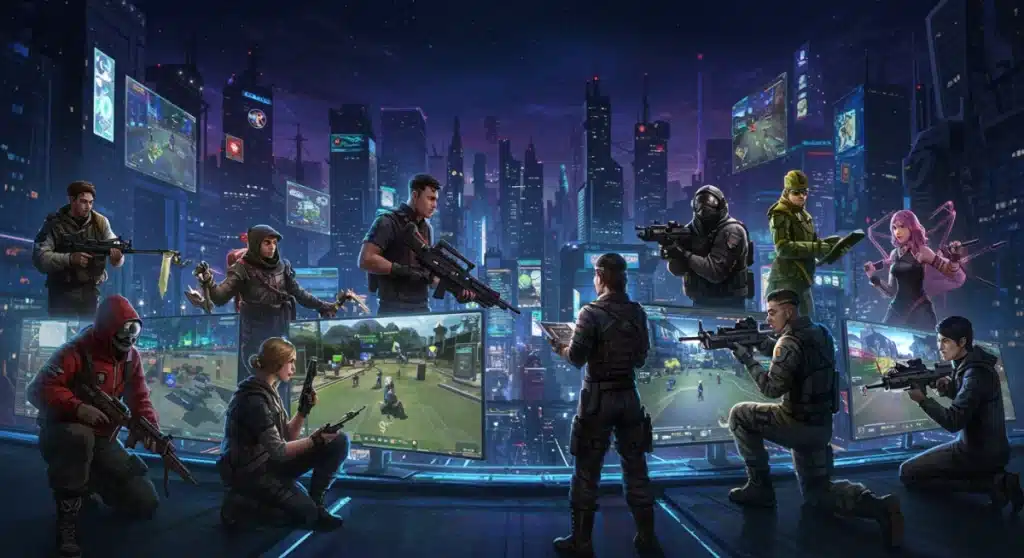
Online gaming trends this month highlight a robust ecosystem where consistent updates, strong community engagement, and cross-platform accessibility are key drivers of player retention and new title success, continually reshaping the entertainment industry’s digital frontier.
Ever wondered what games are truly capturing the attention of millions across the globe right now? The world of online gaming is a constantly shifting landscape, where new contenders emerge, and established giants continuously evolve. This month, we delve deep into the heart of these transformations to uncover the most compelling online gaming trends, revealing which titles are dominating the charts and why they resonate so strongly with players.
The Enduring Reign of Multiplayer Online Battle Arenas (MOBAs)
Multiplayer Online Battle Arenas, or MOBAs, continue to command a significant portion of the online gaming market. These strategic team-based games demand skill, coordination, and constant adaptation, fostering highly competitive communities that keep players coming back for more.
Titles like League of Legends and Dota 2 have consistently topped viewership charts and active player counts for years. Their complex mechanics, vast rosters of unique characters, and dynamic meta-games ensure that no two matches are ever truly the same, providing an endless learning curve that appeals to dedicated players.
What makes MOBAs so Sticky?
The longevity of MOBAs can be attributed to several core elements that foster deep engagement and community loyalty. Understanding these factors is key to grasping their continuous appeal and chart dominance.
- Strategic Depth: Each game offers intricate layers of strategy, from character selection and item builds to map control and team fight execution.
- Competitive Play: Ranked ladders and professional esports scenes provide aspirational goals and high-stakes entertainment for both players and spectators.
- Constant Updates: Developers frequently introduce new heroes, balance changes, and game modes, keeping the experience fresh and preventing stagnation.
- Community and Social Interaction: Playing in teams fosters collaboration and communication, building strong social bonds among players.
Beyond the core gameplay, the robust esports ecosystems built around these games contribute immensely to their sustained popularity. Major tournaments draw millions of viewers, showcasing the pinnacle of competitive play and inspiring countless amateur players to hone their skills. This aspirational aspect is a powerful motivator, driving engagement month after month.
The intricate balance between individual skill and team synergy is a hallmark of the MOBA genre. Players must not only master their chosen champions but also learn to effectively communicate and coordinate with their teammates, often adapting on the fly to changing game conditions. This complex interplay ensures that MOBAs remain challenging and rewarding, preventing them from becoming stale even after thousands of hours of play.
The Rise of Battle Royales: Still a Force to Be Reckoned With
The battle royale genre, characterized by its last-player-standing format, exploded onto the scene a few years ago and has maintained a strong presence in the online gaming landscape. These games offer intense, fast-paced action and the thrill of survival, attracting a massive and dedicated player base.
Games like Fortnite, Apex Legends, and Call of Duty: Warzone continue to pull in millions of players daily. Their appeal lies in the unpredictable nature of each match, the constant tension of being the last one standing, and the ability to play with friends in a high-stakes environment.
Why Battle Royales Remain Popular
The continued success of battle royale games isn’t just about the initial hype; it’s about a sustained effort to innovate and keep players engaged. Developers have learned to evolve these titles to meet player expectations.
- Dynamic Gameplay: The shrinking play zones and randomized loot drops ensure that no two matches are identical, promoting adaptability and quick thinking.
- Seasonal Content: Regular updates with new maps, weapons, characters, and cosmetic items provide a continuous stream of fresh content.
- Cross-Platform Play: The ability to play with friends across different gaming platforms significantly broadens their reach and strengthens communities.
- Accessibility: While competitive, many battle royales offer intuitive controls and progression systems that make them accessible to new players.
Beyond these core features, the social aspect of battle royales cannot be overstated. Playing with a squad, strategizing with friends, and celebrating victories together are powerful drivers of engagement. The shared experience of intense moments and triumphant wins creates lasting memories and fosters strong player communities.
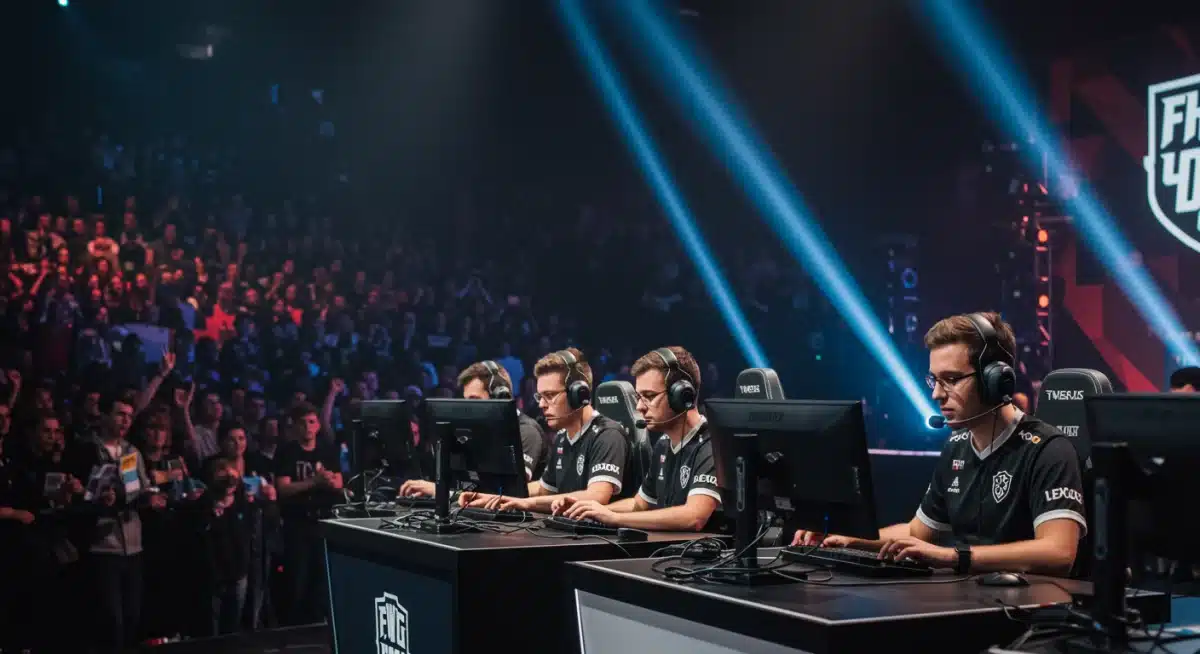
The free-to-play model adopted by many battle royale games also plays a crucial role in their widespread adoption. By removing the initial barrier to entry, these games can quickly amass huge player bases, which in turn fuels their competitive scenes and content creation ecosystems. This symbiotic relationship between accessibility, content, and community ensures their continued dominance in the online gaming trends.
The Metaverse and Social Gaming Experiences
The concept of the metaverse has been a significant talking point, and while a fully realized metaverse is still on the horizon, several online games are already offering compelling social and creative experiences that hint at its potential. These platforms prioritize player-driven content, social interaction, and virtual world-building.
Roblox and Minecraft, while not new, continue to thrive as platforms where creativity and community are paramount. More recently, games like VRChat and even certain aspects of Fortnite’s creative mode are pushing the boundaries of what a social online game can be, allowing players to build, interact, and express themselves in novel ways.
Key Elements Driving Social Gaming
Social gaming platforms are carving out a unique niche by focusing on player agency and interaction. They offer more than just competitive play; they provide virtual spaces for connection and creation.
- User-Generated Content (UGC): Empowering players to create their own games, worlds, and experiences is a huge draw, ensuring endless variety.
- Community Building: These platforms are inherently social, designed for players to interact, collaborate, and form communities.
- Customization and Expression: Extensive avatar customization and virtual item ownership allow players to express their unique identities within the digital world.
- Accessibility: Often available on multiple devices, these games lower the barrier to entry for a wide audience, including younger players.
The appeal of these social gaming experiences lies in their open-ended nature. Unlike linear games with defined objectives, titles like Roblox offer a vast playground where players can explore countless user-created experiences, from adventure games to social hangouts. This freedom fosters a sense of ownership and belonging that keeps players deeply invested.
Furthermore, these platforms are increasingly becoming spaces for virtual events, concerts, and brand activations, blurring the lines between gaming, entertainment, and social media. This convergence is a strong indicator of where online gaming trends are heading, emphasizing interactive and shared digital experiences beyond traditional gameplay.
The Enduring Allure of Role-Playing Games (RPGs) and MMORPGs
Role-Playing Games, especially their massively multiplayer online (MMO) variants, maintain a loyal following and continue to attract new players with their rich narratives, expansive worlds, and deep progression systems. These games offer an escape into fantastical realms where players can forge their own destinies.
World of Warcraft, Final Fantasy XIV, and Elder Scrolls Online remain pillars of the MMORPG genre, consistently delivering new content and fostering vibrant communities. Beyond traditional MMORPGs, online action RPGs like Diablo IV have also seen significant player engagement, blending action combat with deep character customization and persistent online elements.
What Keeps RPG Players Invested?
The dedication of RPG and MMORPG players stems from the genre’s ability to create compelling, long-term experiences. These games are designed for deep immersion and sustained engagement.
- Immersive Storytelling: Rich lore, compelling characters, and epic narratives draw players into the game world and keep them invested.
- Deep Progression: Extensive leveling, gear acquisition, and skill trees offer a continuous sense of advancement and character growth.
- Social Co-op: Group quests, raids, and dungeons encourage teamwork and create opportunities for lasting friendships.
- World Exploration: Vast and detailed open worlds filled with secrets and challenges invite endless exploration and discovery.
The sense of achievement in MMORPGs is profound. Overcoming difficult bosses, completing epic questlines, or acquiring rare equipment provides a tangible reward for time invested. This continuous feedback loop, combined with the social support of guilds and fellow adventurers, creates a powerful incentive for players to remain engaged for years.
Developers of these games understand the importance of a steady stream of content. Expansions, patches, and seasonal events introduce new areas, storylines, and challenges, ensuring that even veteran players always have something new to look forward to. This commitment to ongoing development is crucial for maintaining their position in the evolving online gaming trends.
Mobile Gaming: The Undisputed King of Accessibility
Mobile gaming continues its meteoric rise, dominating the market in terms of sheer player numbers and revenue. The accessibility of smartphones has transformed millions into gamers, making mobile platforms a hotbed for innovative and engaging titles across all genres.
From casual puzzle games to complex strategy titles and even mobile adaptations of popular PC and console games, the variety on offer is immense. Genshin Impact, Call of Duty Mobile, and Pokémon GO are just a few examples of games that have achieved massive success on mobile, demonstrating the platform’s capability to deliver high-quality gaming experiences.

Factors Fueling Mobile Gaming’s Dominance
The pervasive nature of smartphones is undoubtedly a primary factor, but several other elements contribute to mobile gaming’s unparalleled growth and influence on online gaming trends.
- Ubiquitous Devices: Nearly everyone owns a smartphone, making mobile games readily available to a massive global audience.
- Free-to-Play Model: Most mobile games are free to download, lowering the barrier to entry and encouraging experimentation.
- Convenience: Games can be played anytime, anywhere, in short bursts or longer sessions, fitting into diverse lifestyles.
- Technological Advancements: Improved phone hardware and network speeds allow for more graphically impressive and complex mobile games.
The monetization strategies in mobile gaming, often relying on in-app purchases for cosmetics, power-ups, or convenience, have proven incredibly effective. This model allows developers to generate substantial revenue while keeping the core game accessible to a wide audience, fostering a broad player base.
Furthermore, the integration of social features, such as leaderboards, guilds, and competitive events, encourages interaction and friendly competition among players. Many mobile games also smartly leverage location-based services or augmented reality, offering unique gameplay experiences that are only possible on a mobile device, further solidifying their position in the gaming ecosystem.
The Role of Content Creators and Streaming in Gaming Popularity
In today’s digital age, the influence of content creators, streamers, and YouTubers on gaming popularity cannot be overstated. Their ability to showcase gameplay, entertain audiences, and build communities around specific titles plays a crucial role in shaping online gaming trends and driving player engagement.
A game’s success is often amplified by its presence on platforms like Twitch and YouTube. When popular streamers play a new game, it can instantly generate massive interest, leading to surges in downloads and active players. This symbiotic relationship between games and content creation has become a cornerstone of modern game marketing and community building.
How Creators Influence Gaming Trends
Content creators act as tastemakers and community hubs, guiding their audiences towards new experiences and sustaining interest in existing ones. Their impact is multifaceted and extends beyond simple advertising.
- Visibility and Discovery: Streamers introduce games to millions of potential players who might not otherwise discover them.
- Community Engagement: Creators build loyal fan bases around specific games, fostering discussion and shared experiences.
- Entertainment Value: Watching skilled or entertaining streamers play can be as engaging as playing the game itself, generating buzz.
- Educational Content: Many creators produce guides, tips, and strategy videos that help players improve, deepening their engagement with a game.
The interactive nature of live streaming allows viewers to directly engage with creators and the games they play, asking questions, offering suggestions, and even influencing gameplay decisions. This level of interaction creates a more personal connection to the game and its community, making it more appealing to potential players.

Game developers often actively collaborate with content creators, providing early access, sponsoring streams, or integrating creator-specific content into their games. This strategic partnership recognizes the immense power of these digital personalities in shaping public perception and driving adoption within the ever-evolving landscape of online gaming trends.
| Key Trend | Brief Description |
|---|---|
| MOBA Dominance | Strategic team-based games like League of Legends maintain high engagement through complex mechanics and esports. |
| Battle Royale Staying Power | Fortnite and Apex Legends thrive with dynamic gameplay, seasonal content, and cross-platform play. |
| Social & Metaverse Gaming | Platforms like Roblox and Minecraft emphasize user-generated content and community interaction. |
| Mobile Accessibility | Mobile games continue to lead in player numbers due to convenience, F2P models, and device ubiquity. |
Frequently Asked Questions About Online Gaming Trends
Currently, Multiplayer Online Battle Arenas (MOBAs) like League of Legends, battle royale games such as Fortnite and Apex Legends, and massively popular mobile titles like Genshin Impact are dominating the charts. Social creation platforms like Roblox also continue to see immense engagement, showcasing a diverse top tier.
New games often break through by offering innovative gameplay mechanics, strong community features, compelling narratives, or by leveraging popular existing franchises. Significant developer support with consistent updates, effective marketing, and strong engagement with content creators also play a crucial role in gaining traction and visibility.
Mobile gaming continues to experience significant growth, driven by increasing smartphone penetration, technological advancements, and the convenience it offers. While its growth rate might fluctuate, it consistently leads in terms of player base and revenue, showing no signs of peaking in the foreseeable future.
Esports are a vital component of online gaming trends, elevating competitive titles to global spectacles. They drive player engagement by providing aspirational goals, attracting millions of viewers, and influencing game design towards balanced, high-skill gameplay. Professional scenes also extend a game’s lifespan and cultural relevance.
Content updates are absolutely critical for a game’s long-term success, especially in the online sphere. Regular patches, new characters, maps, game modes, and seasonal events keep the player base engaged, prevent staleness, and provide reasons for lapsed players to return, ensuring sustained interest and revenue.
Conclusion
The landscape of online gaming trends is a vibrant, ever-evolving ecosystem, shaped by technological innovation, community dynamics, and the creative prowess of developers. This month’s charts reflect a blend of enduring genres like MOBAs and MMORPGs, which thrive on strategic depth and rich narratives, alongside the explosive growth of battle royales and the pervasive accessibility of mobile gaming. What ties these diverse successes together is a commitment to continuous content updates, robust social features, and the powerful amplification effect of content creators. As we look ahead, the emphasis on player-driven experiences, cross-platform compatibility, and immersive social interaction suggests a future where gaming continues to blur the lines between entertainment, community, and digital life. Staying attuned to these shifts is crucial for understanding not just what games people are playing, but why they remain so deeply captivated.