Is Seasonal Affective Disorder Affecting You? Recognize Symptoms & Find Relief
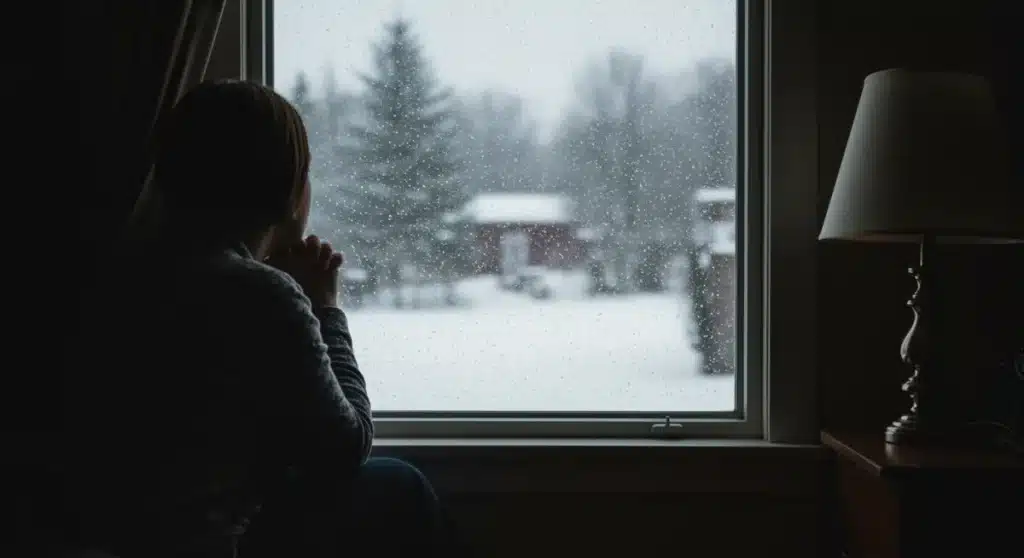
Seasonal affective disorder (SAD) is a mood disorder characterized by recurrent depressive episodes coinciding with seasonal changes, most commonly during winter. Recognizing symptoms like low energy and mood changes is crucial for seeking effective relief through light therapy, lifestyle adjustments, and professional support.
As the days grow shorter and the temperatures drop, many of us notice a shift in our mood and energy levels. But for some, this seasonal change can bring on something more profound than just the ‘winter blues.’ If you’ve been wondering, is seasonal affective disorder (SAD) affecting you? Recognize the symptoms and find relief this winter, then you’re not alone. This often-misunderstood condition impacts millions, transforming the colder months into a period of significant emotional and physical challenge. Understanding SAD is the first step toward reclaiming your well-being and making the most of every season.
Understanding Seasonal Affective Disorder (SAD)
Seasonal Affective Disorder, commonly known as SAD, is a type of depression that recurs cyclically, usually starting in late fall or early winter and ending in spring or early summer. While less common, some individuals experience SAD in the summer months. The core characteristic is its predictability, tied directly to the changing seasons, distinguishing it from other forms of depression that occur irrespective of the time of year. It’s not merely a feeling of discontent with cold weather; it involves significant clinical symptoms that can impair daily functioning.
The precise cause of SAD remains under active research, but it is largely believed to be linked to the reduction in natural light exposure during winter. This decrease in light can disrupt the body’s internal clock, or circadian rhythm, leading to imbalances in brain chemicals like serotonin and melatonin. Serotonin is a neurotransmitter that affects mood, appetite, and sleep, while melatonin influences sleep patterns and mood. When these are out of sync, it can trigger depressive symptoms. Additionally, a vitamin D deficiency, often prevalent in winter due to less sunlight, is also thought to play a role.
The Role of Light in SAD Onset
Light plays a critical role in regulating our biological clock and mood. Natural light stimulates the retina, which in turn signals the brain to suppress melatonin production and increase serotonin. During shorter winter days, this natural process is disrupted, leading to potential chemical imbalances.
- Melatonin Overproduction: Shorter days and longer nights can lead to an increase in melatonin, a hormone that promotes sleep, making individuals feel more lethargic and sleepy during the day.
- Serotonin Imbalance: Reduced sunlight can cause a drop in serotonin levels, impacting mood, appetite, and sleep, often leading to feelings of sadness and anxiety.
- Circadian Rhythm Disruption: The body’s internal clock, which regulates sleep-wake cycles, can become misaligned with the external environment, leading to sleep disturbances and fatigue.
Recognizing these underlying mechanisms is crucial for appreciating why certain treatments, particularly light therapy, are so effective. It highlights that SAD is a legitimate medical condition, not just a passing mood, and warrants appropriate attention and care. Understanding the biological basis helps destigmatize the experience and encourages individuals to seek help.
In essence, SAD is a complex interaction between environmental light, brain chemistry, and individual biology. It’s a condition that demands a proactive approach to management and treatment, ensuring that those affected can navigate the winter months with greater ease and maintain their overall well-being. The cyclical nature of SAD necessitates ongoing awareness and strategies to mitigate its impact.
Key Symptoms to Recognize
Identifying the symptoms of seasonal affective disorder is the first crucial step toward finding relief. Unlike general feelings of sadness, SAD presents a cluster of specific symptoms that tend to appear and disappear with the seasons. These symptoms can range in severity from mild to debilitating, significantly impacting daily life, relationships, and work performance. It’s important to distinguish these patterns from other forms of depression, as the seasonal component is a defining characteristic.
The primary indicators of winter-pattern SAD often involve a noticeable change in mood and behavior, usually starting in the fall and intensifying through winter. These symptoms typically resolve as spring approaches. Paying close attention to how your body and mind respond to seasonal shifts can provide valuable clues about whether you might be experiencing SAD.
Common Emotional and Behavioral Changes
Emotional symptoms for SAD are often similar to those of major depression, but their seasonal pattern is key. These feelings can be persistent and pervasive, making it difficult to find joy or motivation in activities that were once pleasurable.
- Persistent Low Mood: Feeling sad, down, or irritable for most of the day, nearly every day. This isn’t just a brief slump but a sustained emotional state.
- Loss of Interest: A lack of interest or pleasure in activities you once enjoyed, including hobbies, social interactions, and even work.
- Increased Fatigue: Feeling unusually tired and having low energy, despite getting adequate sleep. This can manifest as sluggishness or a heavy sensation.
- Changes in Sleep Patterns: Typically, people with winter SAD tend to oversleep (hypersomnia), yet still feel unrefreshed upon waking.
- Appetite and Weight Changes: Often, there’s an increased craving for carbohydrates, leading to weight gain. This can be a form of self-medication for mood.
- Difficulty Concentrating: Trouble focusing on tasks, remembering details, or making decisions.
- Feelings of Hopelessness or Worthlessness: A sense of despair, guilt, or low self-esteem that can be overwhelming.
Beyond these primary symptoms, some individuals may also experience social withdrawal, avoiding friends and family, or an increased sensitivity to rejection. It’s important to note that these symptoms must be recurrent and linked to specific seasons for at least two consecutive years to be considered SAD. The consistency of the seasonal pattern is what helps differentiate it from other mood disorders.

Recognizing these signs early allows for timely intervention. If you notice these patterns emerging each year, especially as winter approaches, consulting a healthcare professional is advisable. They can help confirm a diagnosis and recommend appropriate strategies for managing the condition. Self-awareness of these symptoms is a powerful tool in taking control of your mental health during challenging seasons.
Effective Strategies for Relief
Once you’ve recognized the symptoms of seasonal affective disorder, the next critical step is to explore effective strategies for relief. Fortunately, there are several proven methods that can significantly alleviate SAD symptoms and help you navigate the winter months with greater ease. These strategies often involve a combination of lifestyle adjustments, environmental modifications, and, in some cases, professional intervention. The key is to find what works best for you and to implement these strategies consistently.
Addressing SAD is not about waiting for spring to arrive; it’s about actively managing the condition and proactively supporting your mental and physical well-being throughout the darker months. A multi-pronged approach often yields the best results, targeting the various factors that contribute to SAD.
Light Therapy: A Primary Treatment
Light therapy, also known as phototherapy, is one of the most effective and widely recommended treatments for winter-pattern SAD. It involves daily exposure to a special light box that mimics natural outdoor light. The goal is to compensate for the lack of natural sunlight during shorter days, helping to reset your circadian rhythm and regulate mood-affecting brain chemicals.
- How it Works: Light boxes emit bright light (typically 10,000 lux) that is significantly brighter than regular indoor lighting. This light is filtered to block harmful UV rays.
- Usage Guidelines: Typically, individuals sit in front of the light box for about 20-30 minutes each morning, shortly after waking up. Consistency is key for optimal results.
- Benefits: Many people experience an improvement in mood, energy levels, and sleep patterns within a few days to a few weeks of consistent use.
It’s crucial to use a light box specifically designed for SAD treatment, as ordinary lamps are not strong enough. Consulting a healthcare provider before starting light therapy is recommended to ensure it’s appropriate for your specific condition and to receive guidance on proper usage.
Lifestyle Adjustments for Better Mood
Beyond light therapy, several lifestyle changes can play a significant role in managing SAD symptoms. These adjustments focus on enhancing overall well-being and resilience against seasonal changes.
- Maximize Natural Light Exposure: Even on cloudy days, natural light is beneficial. Try to spend time outdoors, especially in the morning or early afternoon. Arrange your home and workspace to allow for maximum natural light entry.
- Regular Exercise: Physical activity is a powerful mood booster. Even moderate exercise, such as a daily walk, can help reduce stress and improve energy levels. Aim for at least 30 minutes most days of the week.
- Balanced Diet: Focus on nutrient-rich foods, including fruits, vegetables, and lean proteins. Limit processed foods, excessive sugar, and caffeine, which can negatively impact mood and energy.
- Maintain a Regular Sleep Schedule: Go to bed and wake up at roughly the same time each day, even on weekends. This helps regulate your circadian rhythm and can improve sleep quality.
- Social Connection: Combat the tendency to withdraw by actively seeking social interactions. Spend time with friends and family, or join a new group or activity.
- Stress Management: Practice relaxation techniques such as meditation, yoga, or deep breathing exercises to manage stress, which can exacerbate SAD symptoms.
These lifestyle modifications are not quick fixes but rather long-term strategies that build resilience. Integrating them into your daily routine can create a supportive environment for your mental health during the challenging winter months. Consistency and patience are vital when implementing these changes.
The combination of light therapy and dedicated lifestyle adjustments often provides substantial relief for those struggling with SAD. These approaches empower individuals to take an active role in their treatment, fostering a sense of control over their well-being. Finding the right balance of these strategies can transform the winter experience from one of dread to one of manageable challenges.
When to Seek Professional Help
While self-help strategies and lifestyle adjustments can be highly effective for many individuals experiencing seasonal affective disorder, there are times when professional help becomes essential. Recognizing these moments is crucial for ensuring adequate care and preventing symptoms from escalating into more severe depression. Seeking professional guidance is a sign of strength, not weakness, and can provide access to specialized treatments and support tailored to your unique needs.
It’s important to remember that SAD is a clinical condition, and like any other health issue, it may require expert intervention. Delaying professional help can prolong suffering and potentially worsen the condition. Being honest with yourself about the severity and persistence of your symptoms is the first step toward reaching out.
Indicators for Professional Consultation
Several signs suggest that it might be time to consult a doctor or mental health professional. These indicators often point to symptoms that are beyond what can be managed effectively through self-care alone.
- Symptoms Worsen or Don’t Improve: If your SAD symptoms are severe, debilitating, or do not respond to initial self-help measures like light therapy and lifestyle changes, professional intervention is warranted.
- Impact on Daily Life: When symptoms significantly interfere with your work, school, relationships, or daily responsibilities, it’s a clear sign that expert help is needed. This includes difficulty getting out of bed, inability to concentrate, or overwhelming fatigue.
- Thoughts of Self-Harm: Any thoughts of self-harm, suicide, or feeling that life isn’t worth living are serious and require immediate professional attention. Do not hesitate to seek emergency help if these thoughts occur.
- Co-occurring Conditions: If you have a history of other mental health conditions, such as major depressive disorder or anxiety, SAD symptoms can exacerbate these, necessitating a professional assessment.
- Dependency on Substances: If you find yourself turning to alcohol or drugs to cope with SAD symptoms, this indicates a need for professional support to address both the SAD and potential substance use issues.
A healthcare professional can accurately diagnose SAD, rule out other conditions that might mimic its symptoms, and develop a comprehensive treatment plan. This plan might include prescription medications, such as antidepressants, especially selective serotonin reuptake inhibitors (SSRIs), which can be very effective in managing the chemical imbalances associated with SAD. They can also recommend specific types of psychotherapy, such as cognitive-behavioral therapy (CBT), which helps individuals identify and change negative thought patterns and behaviors related to the seasonal changes.

Seeking help from a therapist or counselor can provide you with coping strategies, emotional support, and a safe space to process your feelings. They can equip you with tools to anticipate and manage future seasonal episodes, making winter a less daunting prospect. Remember, managing SAD is an ongoing process, and having a professional support system can make a substantial difference in your journey toward well-being.
Building Resilience Against Winter SAD
Building resilience against winter seasonal affective disorder involves a proactive and holistic approach, focusing on strengthening your mental and physical defenses before the darker months arrive. It’s about creating a personal toolkit of strategies that you can deploy consistently to minimize the impact of seasonal changes on your mood and energy. This preparation can transform winter from a period of struggle into a manageable season, allowing you to maintain your well-being throughout the year.
Resilience isn’t just about bouncing back; it’s about developing the capacity to adapt and thrive in the face of adversity. For SAD, this means anticipating the challenges of winter and actively implementing practices that support your mood and energy levels, rather than waiting for symptoms to appear.
Proactive Measures and Mindset Shifts
Cultivating a resilient mindset involves shifting your perspective on winter and actively engaging in behaviors that promote well-being. These proactive measures can significantly reduce the severity and duration of SAD symptoms.
- Plan Ahead: Start implementing light therapy or increasing outdoor activity in late summer or early fall, before symptoms typically begin. This can help buffer the impact of decreasing daylight.
- Embrace Winter Activities: Instead of dreading winter, find activities you can enjoy during this season. Skiing, snowboarding, ice skating, winter hiking, or even cozy indoor hobbies can provide a sense of purpose and enjoyment.
- Prioritize Self-Care: Make self-care a non-negotiable part of your routine. This includes adequate sleep, nutritious meals, regular exercise, and stress-reducing practices like meditation or journaling.
- Maintain Social Connections: Actively schedule time with friends and family. Social support is a powerful antidote to feelings of isolation and can provide a vital emotional buffer.
- Set Realistic Expectations: Understand that your energy levels and mood might naturally fluctuate. Be kind to yourself and avoid perfectionism. Celebrate small victories.
- Create a Cozy Environment: Make your home a comforting sanctuary. Use warm lighting, blankets, and pleasant scents to create an inviting atmosphere that counteracts the cold and darkness outside.
Developing a positive outlook on winter, even when it feels challenging, can significantly influence your experience. By reframing the season as an opportunity for new experiences and cozy reflection, you can reduce the psychological burden of SAD. This shift in perspective, combined with practical steps, creates a robust defense.
Building resilience is an ongoing process that requires commitment and self-compassion. It involves learning about your own patterns, understanding what triggers your symptoms, and consistently applying strategies that help you thrive. By proactively preparing for winter, you can transform a challenging period into a time of growth and sustained well-being, proving that seasonal changes don’t have to dictate your mood or quality of life.
The Importance of Support Systems
Navigating seasonal affective disorder can feel isolating, but the presence of strong support systems can make a profound difference in managing symptoms and fostering overall well-being. A robust support network, whether it consists of family, friends, support groups, or mental health professionals, provides essential emotional, practical, and informational assistance. Understanding the value of these connections and actively cultivating them is a cornerstone of effective SAD management.
No one should have to face the challenges of SAD alone. The tendency to withdraw, which is a common symptom of the disorder, can inadvertently exacerbate feelings of loneliness and despair. Counteracting this requires intentional effort to stay connected and to lean on those who care about you.
Leveraging Various Forms of Support
Support comes in many forms, and a diverse network can offer different types of benefits. Identifying which types of support you need and seeking them out can significantly enhance your coping mechanisms.
- Family and Friends: These individuals often provide the most immediate and personal support. They can offer a listening ear, practical help with daily tasks when energy is low, or simply companionship to combat isolation. Educating your loved ones about SAD can help them better understand what you’re going through and how they can best assist you.
- Support Groups: Connecting with others who share similar experiences can be incredibly validating and empowering. Support groups, whether in-person or online, offer a safe space to share feelings, exchange coping strategies, and realize you’re not alone. This shared experience can reduce feelings of stigma and isolation.
- Mental Health Professionals: As discussed earlier, therapists, counselors, and psychiatrists provide expert guidance, diagnosis, and treatment. They are an invaluable part of your support system, offering evidence-based strategies and medical interventions when necessary.
- Workplace or School Support: If SAD significantly impacts your work or academic performance, speaking with HR, a supervisor, or an academic advisor can lead to accommodations or understanding that reduces stress. Many institutions have resources for mental health support.
Beyond these formal and informal networks, simply communicating your needs and feelings to those around you can be a powerful act of self-care. It allows others to step in and offer help, preventing you from carrying the weight of SAD entirely on your own. Remember that asking for help is a sign of strength and self-awareness.
The cumulative effect of a strong support system is a greater sense of security, reduced stress, and improved emotional regulation. It provides a safety net during challenging times and reinforces the idea that you are valued and cared for. Building and nurturing these connections is an active strategy in overcoming the isolating grip of seasonal affective disorder.
Long-Term Management and Prevention

Effectively managing seasonal affective disorder isn’t just about getting through one winter; it’s about developing a sustainable, long-term strategy that minimizes its impact year after year. Prevention and proactive management are key to breaking the cycle of recurring symptoms and maintaining consistent mental well-being. This involves a commitment to ongoing self-care, regular monitoring, and adapting strategies as needed over time.
The cyclical nature of SAD means that preparing for the next onset of symptoms should begin even as the current episode subsides. This forward-thinking approach allows individuals to stay one step ahead of the disorder, rather than reacting to its full manifestation.
Creating a Personalized SAD Action Plan
A personalized action plan is a dynamic tool that helps you anticipate and respond to the seasonal changes. It should be tailored to your specific symptoms, triggers, and preferred coping mechanisms.
- Track Your Symptoms: Keep a journal or use a mood tracking app to note when symptoms typically start, how severe they are, and what strategies provide relief. This data can help you predict future episodes and fine-tune your plan.
- Seasonal Readiness Checklist: Create a checklist of proactive steps to take each fall, such as getting your light therapy lamp ready, scheduling outdoor activities, and reviewing your self-care routines.
- Annual Check-ups: Maintain regular contact with your healthcare provider or therapist. They can help adjust your treatment plan, monitor your progress, and provide ongoing support.
- Educate Yourself Continuously: Stay informed about new research, treatments, and coping strategies for SAD. The more you know, the better equipped you are to manage your condition.
- Build a Strong Foundation: Consistently practice healthy habits year-round – a balanced diet, regular exercise, sufficient sleep, and stress management – to build overall resilience against seasonal dips.
Your action plan should be flexible and evolve as you learn more about your body’s responses to seasonal changes. What works one year might need slight adjustments the next. The goal is to establish a routine that supports your mental health regardless of the season.
Prevention in the context of SAD often means early intervention. By starting your light therapy, increasing outdoor exposure, and reinforcing your coping strategies before the darkest days hit, you can often mitigate the severity of symptoms or even prevent them from fully developing. This proactive stance transforms you from a passive recipient of seasonal changes into an active manager of your well-being.
Ultimately, long-term management of SAD is about empowerment. It’s about understanding your condition, building a robust set of tools and strategies, and consistently applying them to live a full and vibrant life throughout all seasons. With dedication and the right support, seasonal affective disorder can become a manageable challenge, rather than a debilitating annual struggle.
| Key Point | Brief Description |
|---|---|
| SAD Definition | A type of depression recurring seasonally, commonly in winter, linked to reduced sunlight exposure. |
| Key Symptoms | Persistent low mood, fatigue, oversleeping, carbohydrate cravings, and social withdrawal during specific seasons. |
| Effective Relief | Light therapy, regular exercise, balanced diet, natural light exposure, and strong social connections. |
| When to Seek Help | If symptoms worsen, impact daily life, include self-harm thoughts, or do not respond to self-care. |
Frequently Asked Questions About Seasonal Affective Disorder
While the exact cause isn’t fully understood, SAD is primarily linked to reduced exposure to natural sunlight during shorter days. This can disrupt the body’s circadian rhythm and lead to imbalances in serotonin and melatonin levels, key brain chemicals that regulate mood and sleep. Genetic predisposition and vitamin D deficiency may also play roles.
Yes, while winter-pattern SAD is most common, a smaller number of individuals experience summer-pattern SAD. This type typically begins in late spring or early summer and remits in the fall. Symptoms often differ, potentially including insomnia, anxiety, restlessness, and decreased appetite instead of increased sleep and cravings.
Many individuals begin to experience improvements in their mood and energy levels within a few days to two weeks of consistent daily use of a light therapy box. However, it’s important to continue the therapy throughout the season to maintain benefits and prevent symptom recurrence. Consultation on proper use is recommended.
While not direct remedies, certain supplements like Vitamin D and Omega-3 fatty acids are sometimes suggested, though scientific evidence varies. Natural approaches like regular exercise, spending time outdoors, maintaining a healthy diet, and practicing mindfulness can significantly support mood and reduce SAD symptoms. Always consult a doctor before starting new supplements.
The ‘winter blues’ are mild, transient feelings of sadness or low energy during colder months, which don’t significantly impair daily functioning. SAD, however, is a clinical form of depression with recurrent, more severe symptoms that significantly impact an individual’s life, requiring diagnosis and often treatment by a healthcare professional.
Conclusion
Recognizing whether seasonal affective disorder (SAD) is affecting you and taking proactive steps to find relief is crucial for maintaining your mental well-being throughout the year. From understanding its underlying causes to implementing effective strategies like light therapy, lifestyle adjustments, and seeking professional support, a comprehensive approach can significantly mitigate the impact of winter’s shorter, darker days. Building resilience and nurturing strong support systems are not just about surviving the season, but about thriving in it. By staying informed and committed to your self-care, you can transform the challenges of SAD into an opportunity for growth and consistent well-being, ensuring that every season brings joy and vitality.