Combating Loneliness: Community Engagement for Stronger Minds

In an increasingly interconnected yet often isolating world, understanding how to navigate feelings of solitude has become paramount. This article delves into how combating loneliness: 4 community engagement strategies for a stronger mind in 2026 can provide tangible pathways to enhanced mental well-being and a more connected life.
Understanding the Modern Landscape of Loneliness
Loneliness is more than just feeling alone; it’s a distressing subjective experience that arises when there’s a perceived deficit in social relationships. In recent years, particularly amplified by global events and the pervasive nature of digital communication, the prevalence of loneliness has surged across the United States.
This section explores the multifaceted nature of modern loneliness, examining its root causes and profound impact on individual and collective mental health.
The digital age, while offering unprecedented connectivity, paradoxically contributes to feelings of isolation for many. While social media platforms allow us to observe the lives of others, they often lack the depth and authenticity of in-person interactions, fostering a sense of superficial connection rather than genuine belonging.
This digital paradox creates a scenario where individuals might have hundreds of online ‘friends’ yet feel profoundly disconnected in their daily lives. Understanding this dynamic is the first step toward effective intervention and building more resilient communities.
The Silent Epidemic: Why Loneliness Matters
The impact of chronic loneliness extends far beyond emotional discomfort. Research consistently links persistent feelings of isolation to a myriad of physical and mental health issues, making it a critical public health concern.
Recognizing loneliness as a significant determinant of health outcomes helps underscore the urgency of implementing effective community-based solutions.
Mental Health Deterioration: Chronic loneliness is strongly associated with increased risks of depression, anxiety disorders, and cognitive decline, including a higher susceptibility to dementia in later life.
Physical Health Risks: Studies indicate that social isolation can be as detrimental to health as smoking 15 cigarettes a day, contributing to inflammation, heart disease, stroke, and weakened immune function.
Reduced Life Expectancy: The cumulative effects of these health risks can significantly shorten an individual’s lifespan, highlighting loneliness as a serious mortality factor.
Furthermore, societal shifts such as increased urbanization, smaller family units, and longer working hours contribute to the erosion of traditional community ties. Many people find themselves living in close proximity to others yet lacking meaningful relationships with their neighbors.
This breakdown of local social fabric necessitates a deliberate and strategic approach to rebuilding connections and fostering a sense of shared community.
In conclusion, recognizing loneliness as a complex and pervasive issue is crucial. It’s not merely a personal failing but a societal challenge with broad implications for public health and well-being.
Addressing it requires a comprehensive understanding of its drivers and a commitment to fostering environments where genuine connection can flourish.
Strategy 1: Cultivating Local Volunteer Opportunities
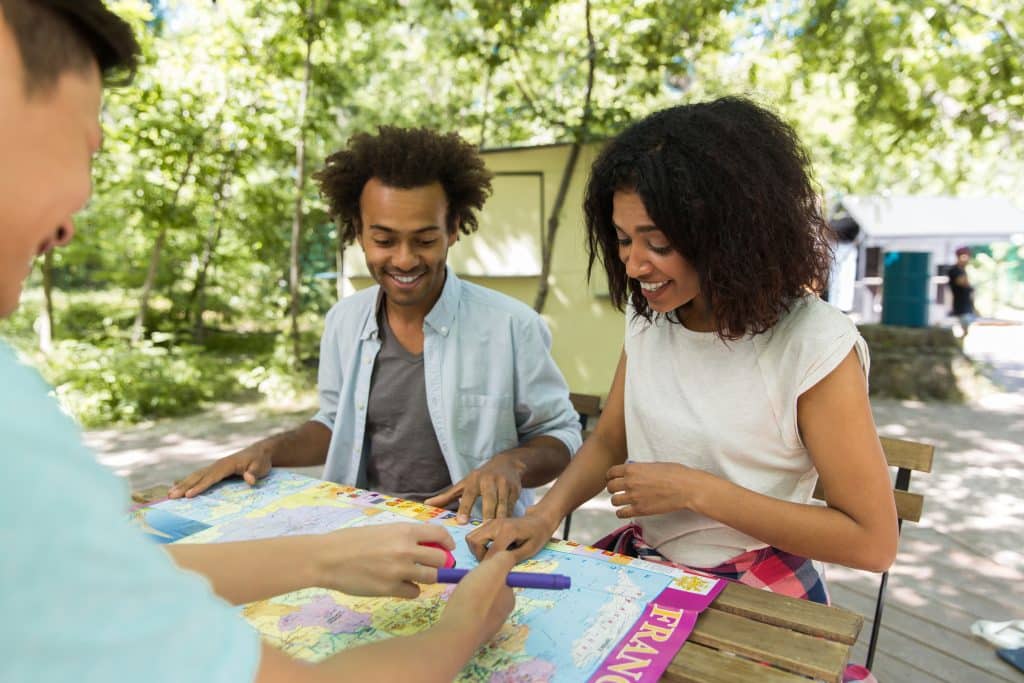
One of the most potent antidotes to loneliness is engagement in meaningful activities that benefit others. Cultivating local volunteer opportunities provides individuals with a sense of purpose, structured social interaction, and a direct pathway to contributing to their community.
This strategy moves beyond passive interaction, encouraging active participation and the formation of bonds through shared effort and common goals.
When individuals volunteer, they are not only giving back but also receiving invaluable social dividends. The act of volunteering often places people in diverse groups, encouraging interaction with individuals they might not otherwise encounter in their daily routines.
This exposure to different perspectives and life experiences enriches one’s social tapestry and builds empathy, both crucial components for fostering deeper connections.
Designing Accessible and Engaging Volunteer Programs
For volunteer programs to be effective in combating loneliness, they must be designed with accessibility and engagement in mind. This means offering a variety of roles that cater to different skills, availability, and physical capabilities. A well-designed program ensures that everyone, regardless of their background or current situation, can find a way to contribute and feel valued.
Diverse Roles: Offer a spectrum of activities, from administrative tasks and event planning to direct service roles like meal delivery or tutoring. This variety ensures broader appeal and accommodates different comfort levels.
Flexible Scheduling: Recognize that potential volunteers have varying schedules. Provide options for one-off events, short-term projects, or ongoing commitments to maximize participation.
Support and Training: Equip volunteers with the necessary training and ongoing support. Feeling competent and supported increases satisfaction and retention, leading to more sustained engagement.
Moreover, local organizations and community centers play a pivotal role in identifying needs and coordinating these efforts. By partnering with schools, senior centers, food banks, and environmental groups, communities can create a robust network of opportunities.
These partnerships not only streamline the volunteering process but also amplify the impact of individual contributions, making volunteers feel part of a larger, more significant movement.
The reciprocal nature of volunteering is key. While volunteers dedicate their time and effort, they gain a sense of belonging, increased self-esteem, and often, new friendships.
These social benefits are particularly powerful for those experiencing loneliness, as volunteering provides a low-pressure environment to connect with like-minded individuals who share a passion for making a difference. It creates a shared identity and purpose, which are powerful drivers of social cohesion.
In summary, fostering accessible and diverse local volunteer opportunities serves as a cornerstone for combating loneliness. It empowers individuals to connect through shared purpose, builds stronger community bonds, and offers a tangible way to improve mental well-being for both the giver and the receiver.
Strategy 2: Creating Inclusive Community Hubs and Spaces
Physical spaces play a crucial role in fostering community and combating loneliness. Inclusive community hubs and spaces are intentionally designed environments where people can gather, interact, and feel a sense of belonging, regardless of their background or social status.
These hubs can be libraries, community centers, parks, or even local cafes that actively promote social interaction and engagement. The goal is to create neutral ground where barriers to connection are lowered, and opportunities for spontaneous or organized interactions are plentiful.
The design of these spaces is paramount. They should be welcoming, safe, and accessible to everyone, including individuals with disabilities, diverse cultural backgrounds, and varying socioeconomic statuses.
Thoughtful planning can transform an ordinary public space into a vibrant nexus of community life, encouraging people to linger, converse, and participate in shared activities. This strategy recognizes that while digital connections have their place, the irreplaceable value of face-to-face interaction in a comfortable setting remains essential for deep human connection.
Designing Spaces for Connection and Belonging
Effective community hubs can play a powerful role in reducing loneliness by creating welcoming spaces where meaningful social connections can naturally develop.
These hubs are not simply buildings filled with chairs and tables; they are dynamic environments intentionally designed to bring people together, encourage participation, and strengthen a sense of belonging.
Addressing loneliness requires thoughtful programming and design choices that make social interaction feel comfortable rather than forced.
Community workshops, hobby groups, volunteer activities, cultural events, fitness classes, and informal gatherings can give people shared reasons to participate and start conversations.
Comfortable seating areas, accessible layouts, and inviting common spaces can also reduce social anxiety and make interaction easier.
When individuals feel safe, welcomed, and included, they are more likely to return regularly and gradually build relationships with others.
Over time, these repeated interactions can transform a community hub into a valuable support network, helping combat loneliness while strengthening social connection, emotional well-being, and community resilience.
Multi-functional Design: Spaces should accommodate various activities, from quiet reading corners to collaborative workspaces, group meeting areas, and event venues. This versatility attracts a broader demographic.
Comfort and Aesthetics: Aesthetically pleasing and comfortable environments invite people to stay longer. Natural light, comfortable seating, and appealing decor contribute significantly to a welcoming atmosphere.
Accessibility: Ensure physical accessibility for all, including ramps, elevators, and accessible restrooms. Information should also be available in multiple languages and formats to be culturally inclusive.
Furthermore, these hubs can host a diverse array of programs and events that cater to different interests and age groups. From workshops and classes to book clubs, game nights, and community meals, these activities provide structured opportunities for interaction.
When individuals share an interest, it creates an immediate common ground, making it easier to strike up conversations and form new relationships. The presence of friendly staff or dedicated community facilitators can also help bridge initial social gaps, making newcomers feel more at ease.
The success of an inclusive community hub lies in its ability to reflect the diversity of its surrounding population and serve as a true third place—neither home nor work—where individuals can feel a sense of ownership and belonging.
These spaces become vital anchors in the fight against loneliness, providing consistent, reliable opportunities for connection and fostering a resilient, interconnected community.
In conclusion, investing in thoughtfully designed and inclusive community hubs can be a powerful strategy for addressing loneliness and strengthening social connection.
These welcoming spaces provide essential physical environments where people of different ages and backgrounds can come together, discover shared interests, and participate in meaningful activities.
Strategy 3: Facilitating Intergenerational Programs
Bridging the generational gap through structured programs offers a powerful and often overlooked strategy for combating loneliness. Intergenerational programs bring together individuals from different age groups—children, teenagers, adults, and seniors—in mutually beneficial activities.
These initiatives recognize that each generation possesses unique wisdom, skills, and perspectives that can enrich the lives of others, fostering a sense of purpose and connection across age boundaries.
Such programs naturally break down the silos that often form within communities, creating a more cohesive and understanding social fabric.
Loneliness can affect people of all ages, but it often manifests differently across generations. Seniors may experience isolation due to loss of loved ones or mobility issues, while younger individuals might feel disconnected despite constant digital interaction.
Intergenerational programs address these varied forms of loneliness by creating organic opportunities for mentorship, shared learning, and companionship, proving that age is no barrier to meaningful connection.
Designing Engaging Intergenerational Activities

The success of intergenerational programs hinges on the careful design of activities that are engaging, respectful, and beneficial for all participants. The key is to create scenarios where each age group feels valued and has something unique to contribute, fostering genuine exchange rather than one-sided interaction.
Shared Skill-Building: Activities where different generations can teach each other skills, such as seniors teaching traditional crafts and youth teaching digital literacy, create natural points of connection and mutual respect.
Storytelling and Oral History: Programs focused on sharing life stories allow seniors to impart wisdom and younger generations to gain historical perspective, fostering empathy and understanding.
Collaborative Projects: Working together on community gardens, art projects, or tutoring initiatives provides a common goal, encouraging teamwork and shared accomplishment.
Furthermore, these programs often yield unexpected benefits. For older adults, interacting with younger generations can reduce feelings of isolation, boost cognitive function, and provide a renewed sense of purpose.
For younger individuals, these interactions can offer invaluable mentorship, emotional support, and a deeper appreciation for history and diverse perspectives. They learn empathy, patience, and gain a broader understanding of life’s journey, skills often not taught in traditional settings.
Implementing intergenerational programs requires collaboration between schools, senior centers, community organizations, and families.
By intentionally creating opportunities for these groups to interact, communities can build bridges that strengthen social bonds and create a more inclusive environment for everyone.
These programs move beyond simple coexistence, fostering true intergenerational understanding and mutual support, which are vital components of a resilient community.
In conclusion, facilitating intergenerational programs is a powerful strategy for combating loneliness by creating natural pathways for connection, mentorship, and mutual enrichment across age groups. These initiatives strengthen community ties and provide invaluable benefits for participants of all generations.
Strategy 4: Leveraging Digital Platforms for Real-World Connection
While digital platforms are often blamed for increasing isolation, they can also be powerful tools for fostering real-world community engagement and combating loneliness when used strategically.
This strategy focuses on harnessing the reach and organizational capabilities of online tools to facilitate offline connections, rather than replacing them. The goal is to use digital means as a bridge to physical gatherings, shared activities, and meaningful relationships within local communities.
In 2026, proficiency with digital tools is widespread, making them accessible avenues for connecting people who might otherwise remain isolated
. Online groups, forums, and social media platforms can serve as initial points of contact, helping individuals discover local events, shared interest groups, or volunteer opportunities that align with their passions. This approach acknowledges the reality of modern communication while redirecting its power towards strengthening in-person community bonds.
Using Technology to Build Bridges, Not Walls
The key to effectively leveraging digital platforms for real-world connection lies in intentional design and moderation. It’s about creating online spaces that encourage active participation, build trust, and ultimately motivate members to meet and engage in person. This requires a shift from passive consumption of online content to active facilitation of offline interactions.
Local Interest Groups: Create or promote online groups (e.g., on Facebook, Meetup, or local forums) dedicated to specific local interests like hiking, book clubs, cooking, or neighborhood improvement projects.
Event Promotion and Coordination: Use digital platforms to effectively promote local community events, workshops, and volunteer drives. Tools for RSVPs and communication can streamline organization and increase attendance.
Online-to-Offline Meetups: Actively encourage and facilitate the transition from online interactions to in-person meetups. This can involve organizing regular ‘offline’ events for online group members, such as coffee meetups or park gatherings.
Moreover, digital platforms can be invaluable for reaching individuals who might be hesitant to engage in community activities initially.
For those with social anxiety or limited mobility, an online group can provide a low-pressure entry point to connect with others and learn about local opportunities from the comfort of their home. Once a level of comfort and familiarity is established online, the transition to in-person engagement becomes less daunting.
Community leaders and organizations can play a vital role in curating and moderating these digital spaces, ensuring they remain positive, inclusive, and focused on fostering genuine connections.
By clearly outlining expectations for respectful interaction and actively promoting offline engagement, these platforms can become powerful catalysts for building stronger, more connected communities.
It’s about leveraging the efficiency of digital communication to amplify the human need for real-world interaction and belonging.
In conclusion, strategically leveraging digital platforms to facilitate real-world connections is a contemporary and effective strategy for combating loneliness.
By using online tools as a bridge to offline engagement, communities can reach a wider audience, organize more effectively, and ultimately strengthen the social fabric of their neighborhoods.
Measuring the Impact and Sustaining Community Engagement

Implementing community engagement strategies is only the first step; understanding their effectiveness and ensuring their longevity are equally crucial. Measuring the impact of these initiatives provides valuable insights into what works, what needs adjustment, and how best to allocate resources.
Sustaining engagement, on the other hand, requires ongoing effort, adaptability, and a commitment to nurturing the connections that have been built. This section explores methods for evaluating success and strategies for maintaining momentum in the fight against loneliness.
Effective measurement goes beyond simple attendance numbers. It involves assessing the quality of interactions, the sense of belonging participants feel, and the overall improvement in their mental well-being.
By gathering both quantitative and qualitative data, communities can gain a holistic understanding of their impact and make informed decisions for future programming. This data-driven approach ensures that efforts remain targeted and responsive to the evolving needs of the community.
Key Metrics and Long-Term Engagement Strategies
To truly understand the impact of community engagement initiatives, a combination of direct and indirect measures should be employed. Feedback from participants is invaluable, but observing broader community changes can also provide significant insights. Sustaining these efforts requires a proactive approach to community building and leadership development.
Participant Surveys and Feedback: Regularly collect feedback on participants’ experiences, their perceived sense of connection, and improvements in their well-being. Use anonymous surveys to encourage honest responses.
Attendance and Retention Rates: Track participation levels and how consistently individuals engage with programs. High retention rates often indicate successful and meaningful engagement.
Qualitative Interviews and Focus Groups: Conduct deeper conversations with a smaller group of participants to understand the nuances of their experiences and gather rich, descriptive data about the impact of the programs.
Sustaining engagement requires creating a culture of continuous improvement and community ownership. This includes empowering community members to take on leadership roles, fostering a sense of shared responsibility, and regularly refreshing programs to keep them relevant and exciting.
Building a strong network of volunteers, local leaders, and organizational partners is also essential for long-term viability. Regular communication, celebrating successes, and openly addressing challenges can help maintain enthusiasm and commitment over time.
Furthermore, adapting to changing community demographics and needs is vital. What works today might not be as effective tomorrow. By staying attuned to the pulse of the community and being flexible in program design, initiatives can remain relevant and continue to attract new participants while retaining existing ones.
This iterative process of planning, implementing, measuring, and adapting ensures that the fight against loneliness remains dynamic and effective.
In conclusion, measuring the impact and sustaining community engagement are critical for the long-term success of any initiative aimed at combating loneliness. Through thoughtful evaluation and adaptive strategies, communities can ensure their efforts continue to foster meaningful connections and promote mental well-being for all members.
| Strategy | Brief Description |
|---|---|
| Local Volunteering | Engaging in purposeful activities that benefit the community, fostering connections through shared effort and goals. |
| Inclusive Community Hubs | Creating welcoming physical spaces for gathering, interaction, and a sense of belonging for all community members. |
| Intergenerational Programs | Connecting different age groups through shared activities, fostering mutual learning, mentorship, and companionship. |
| Digital for Real-World Links | Utilizing online platforms to organize and promote offline community events and foster in-person connections. |
Frequently Asked Questions About Combating Loneliness
Community engagement provides a sense of belonging and purpose, which are fundamental human needs. It reduces feelings of isolation, fosters social support networks, and can significantly lower the risk of mental health issues like depression and anxiety. Active participation in community life builds resilience and promotes overall well-being.
Start small with roles that involve less direct interaction, like administrative tasks or behind-the-scenes support. Look for organizations that offer structured training and team-based activities, which can provide a supportive environment. Many places also offer virtual volunteering options as a gentle introduction to contributing.
An inclusive community hub is accessible to everyone, regardless of age, physical ability, or background. It offers diverse programs, is culturally sensitive, and ensures a welcoming atmosphere where all individuals feel respected and valued. Clear communication and diverse representation in its offerings are also key.
No, intergenerational programs encompass all age groups. They can involve teenagers mentoring younger children, young adults assisting seniors, or middle-aged individuals sharing skills with both younger and older generations. The goal is to create connections and mutual benefits across the entire age spectrum within a community.
Digital platforms act as facilitators by allowing people to discover local events, join interest groups, and communicate before meeting in person. They reduce initial barriers by providing information and a sense of familiarity. The key is using them to organize and promote actual meetups, classes, or volunteer activities, thereby bridging the online-to-offline gap.
Conclusion
Combating loneliness in 2026 requires a proactive and multifaceted approach centered on meaningful community engagement and stronger human connections. Rather than relying on a single solution, communities can address loneliness by creating diverse opportunities for people to meet, participate, contribute, and develop a genuine sense of belonging.
These deliberate efforts not only mitigate the profound impact of isolation on mental health but also cultivate environments where every individual feels valued, connected, and empowered to thrive.
The journey to a stronger mind begins with a connected community, and by embracing these strategies, we can collectively forge a future where loneliness is no longer an isolating epidemic but a challenge overcome by the power of human connection.