Coastal Grandmother’s Evolution: Next US Fashion Trend
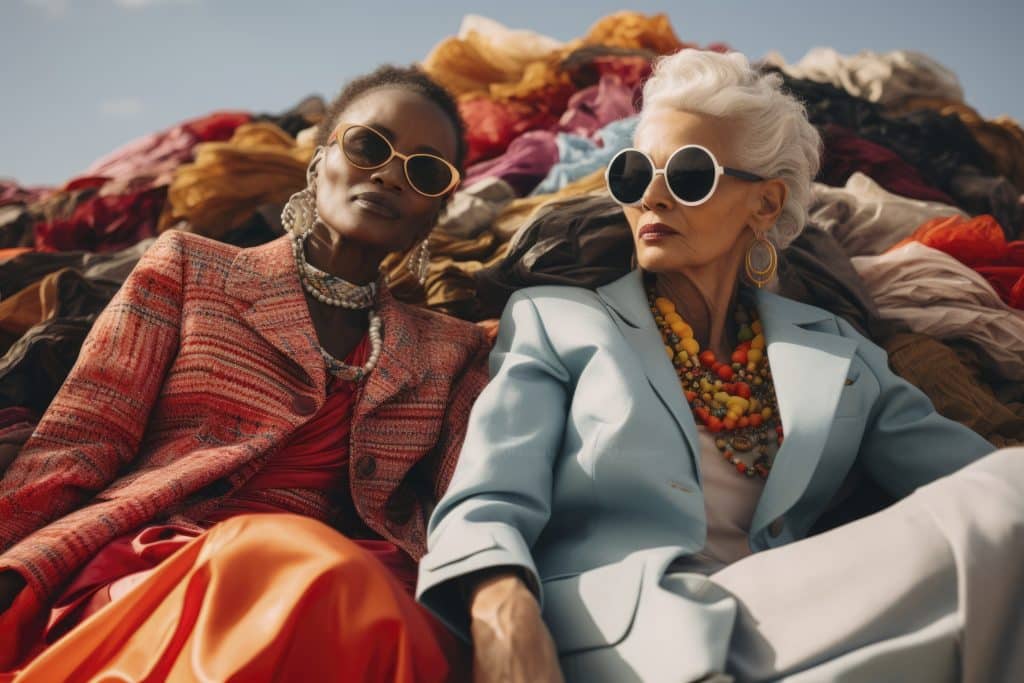
The ‘Coastal Grandmother’ aesthetic, with its serene charm and emphasis on relaxed sophistication, has undeniably captured the American imagination over the past few years.
From linen shirts to cashmere sweaters and comfortable yet chic trousers, this style has become synonymous with an aspirational lifestyle.
However, as with all fashion cycles, the landscape is constantly shifting. The pertinent question now is: what’s next for US fashion trends as this beloved aesthetic evolves?
The enduring appeal of the ‘Coastal Grandmother’ aesthetic
The ‘Coastal Grandmother’ aesthetic, popularized by TikTok and embraced by many, brought a sense of timeless elegance and effortless comfort to the forefront of American fashion.
It wasn’t just about clothes; it was a lifestyle vision centered around quiet luxury, natural textures, and a relaxed, yet refined, approach to daily dressing. This style resonated deeply, offering an antidote to fast fashion and overly complicated trends.
Its appeal lay in its ability to blend practicality with an aspirational image of leisure and sophistication. Think Diane Keaton in a Nancy Meyers film – comfortable, stylish, and always appropriate.
This aesthetic championed quality over quantity, focusing on well-made pieces that could be mixed and matched for various occasions. It celebrated a certain maturity and confidence, suggesting that true style comes from within, rather than from chasing fleeting trends.
Key elements that defined the trend
Several distinct elements contributed to the widespread adoption and adoration of the Coastal Grandmother look. These components formed the backbone of the aesthetic, making it easily recognizable and replicable for those who wished to embody its spirit.
Neutral color palettes: Whites, creams, beiges, soft blues, and subtle grays formed the core of this aesthetic, creating a serene and cohesive look.
Natural fabrics: Linen, cotton, cashmere, and wool were preferred, emphasizing comfort, breathability, and a luxurious feel.
Relaxed silhouettes: Oversized shirts, wide-leg trousers, simple knitwear, and flowing dresses were staples, prioritizing ease of movement.
Minimalist accessories: Simple gold jewelry, woven bags, elegant scarves, and comfortable sandals completed the look without overpowering it.
The enduring appeal of these elements suggests that while the moniker ‘Coastal Grandmother’ might fade, the underlying principles of comfort, quality, and understated elegance are likely to persist in various forms within US fashion. This foundation provides a springboard for new interpretations and shifts, rather than a complete departure from these cherished values.
From coastal calm to quiet luxury: a natural progression
As the ‘Coastal Grandmother’ aesthetic matures, we are witnessing a natural evolution towards what is being termed ‘Quiet Luxury.’ This isn’t a radical departure but rather a refinement and elevation of the core principles that made its predecessor so popular.
Quiet Luxury takes the emphasis on quality and timelessness to an even higher level, focusing on impeccable craftsmanship, premium materials, and a complete absence of overt branding.
This trend is less about a specific lifestyle and more about an attitude towards consumption: investing in pieces that are designed to last, that speak for themselves through their cut and fabric, rather than through logos.
It’s a subtle flex, a knowing nod to those who appreciate true value and sophisticated restraint. This shift reflects a growing desire among consumers for authenticity and sustainability in their wardrobes, moving away from disposable fashion.
Quiet Luxury signifies a move towards conscious consumption, where the narrative around clothing focuses on its intrinsic value and longevity. It suggests a more discerning consumer, one who understands that true luxury often whispers rather than shouts.
This approach is gaining traction among various demographics, from established professionals to younger generations who are increasingly prioritizing ethical and sustainable choices.
Distinguishing features of quiet luxury
While sharing a common thread with Coastal Grandmother, Quiet Luxury introduces its own set of characteristics that define its unique identity and appeal. Understanding these distinctions is crucial for identifying the future direction of sophisticated style.
Unbranded excellence: Logos are virtually non-existent, with the quality of the garment speaking for itself.
Premium fabrication: Expect to see more cashmere, silk, fine wools, and expertly tailored leathers.
Impeccable tailoring: Garments are often custom-made or from brands known for their precise fits and construction.
Investment pieces: The focus is on building a wardrobe of enduring classics rather than seasonal trends.
The transition from Coastal Grandmother to Quiet Luxury highlights a broader societal shift towards valuing intrinsic quality and understated elegance over flashy displays of wealth.
It’s a style that communicates confidence and discernment, appealing to those who prefer substance over superficiality in their sartorial choices.
The rise of ‘Eclectic Utility’: functionality meets individuality

Beyond the realm of refined elegance, another significant trend emerging in US fashion trends is ‘Eclectic Utility.’ This aesthetic represents a fusion of practical, utilitarian elements with a strong emphasis on individual expression and a playful mix of styles. It’s a response to a world that demands versatility and comfort, but also celebrates personal identity and creativity in dressing.
Eclectic Utility draws inspiration from workwear, outdoor apparel, and military aesthetics, incorporating functional details like cargo pockets, durable fabrics, and adjustable straps.
However, it’s not about a uniform look; rather, these practical elements are combined with unexpected pieces, vibrant colors, and unique accessories to create a highly personalized and dynamic style.
Think oversized cargo pants paired with a tailored blazer, or a vintage graphic tee layered under a utilitarian vest.
This trend speaks to a generation that values comfort and functionality without sacrificing individuality. It’s about building a wardrobe that can adapt to various activities, from urban exploration to casual social gatherings, all while reflecting a distinct personal flair.
The blend of practicality and personality makes Eclectic Utility a compelling direction for modern American dressing.
Key components of eclectic utility
To truly grasp the essence of Eclectic Utility, one must look at the diverse range of elements that come together to form this dynamic and adaptable aesthetic. It’s a style that defies easy categorization, thriving on juxtaposition.
Functional details: Pockets, zippers, drawstrings, and durable hardware are prominent, offering both utility and aesthetic appeal.
Mixed textures and patterns: Combining rugged denim with soft knits, or camouflage prints with floral designs, creates visual interest.
Comfort-first silhouettes: Relaxed fits, oversized pieces, and adjustable garments ensure ease of movement and all-day wearability.
Personalized layering: Building outfits with multiple layers allows for adaptability to different environments and personal expression.
Eclectic Utility reflects a contemporary approach to fashion where boundaries are blurred, and personal comfort and expression are paramount. It’s a style that encourages experimentation and celebrates the unique ways individuals choose to present themselves in an increasingly diverse world.
Sustainable style and conscious consumption: more than just a trend
Perhaps the most overarching and impactful shift influencing all US fashion trends is the growing emphasis on sustainable style and conscious consumption.
This is not merely a passing fad but a profound re-evaluation of how clothing is produced, consumed, and disposed of. Consumers are increasingly aware of the environmental and social impact of the fashion industry, leading to a demand for more ethical and eco-friendly alternatives.
This movement manifests in various ways: a preference for brands that use organic or recycled materials, support fair labor practices, and offer transparent supply chains. It also encourages buying less, choosing higher quality items that last longer, and embracing second-hand or vintage clothing. The idea of a ‘circular economy’ in fashion, where garments are reused, repaired, and recycled, is gaining significant traction.
The rise of sustainable style is deeply intertwined with changing consumer values, particularly among younger demographics who are passionate about environmental protection and social justice.
This foundational shift is influencing design, manufacturing, and retail practices across the entire industry, pushing brands to innovate and adapt to new ethical standards.
The impact on consumer behavior
The push for sustainability is fundamentally altering how people shop for and interact with fashion. This change in behavior is driven by a combination of ethical concerns, a desire for authenticity, and a greater understanding of global issues.
Increased demand for transparency: Consumers want to know where their clothes come from and how they are made.
Growth of resale markets: Platforms for buying and selling pre-owned luxury and everyday items are booming.
Focus on timeless pieces: Investing in durable, classic garments that transcend seasonal trends is becoming more common.
Support for ethical brands: Choosing companies that prioritize environmental and social responsibility.
Conscious consumption is transforming the fashion landscape from the ground up, moving it towards a more responsible and thoughtful industry. This shift is not just about aesthetics but about a fundamental change in values that will continue to shape future US fashion trends.
The influence of technology and digital fashion
Technology’s role in shaping US fashion trends is becoming increasingly undeniable, extending beyond e-commerce to influence design, production, and even how we experience clothing. Digital fashion, augmented reality (AR) try-ons, and AI-driven personalization are no longer futuristic concepts but are actively integrated into the industry, offering new avenues for creativity and consumer engagement.
Virtual clothing, designed for online avatars or social media, allows for limitless experimentation without physical production, addressing both sustainability concerns and the desire for novelty. AR technology enables customers to virtually try on garments before purchasing, reducing returns and enhancing the online shopping experience.
AI algorithms are used to predict trends, optimize inventory, and even create bespoke designs tailored to individual preferences, making fashion more personal and efficient.
These technological advancements are transforming coastal fashion into a more accessible, interactive, and personalized experience for consumers everywhere.
Digital platforms and smart fashion tools are giving emerging coastal-inspired designers greater visibility while allowing individuals to express their unique style in innovative ways that blend physical and digital wardrobes.
The continued integration of technology into coastal fashion is set to redefine how people discover, create, and experience relaxed yet sophisticated style in the years ahead.
Innovations driving digital transformation
Several key technological innovations are at the forefront of this digital revolution in fashion, each contributing to a more dynamic and interactive industry. These advancements are not only changing how clothes are made but also how they are experienced and marketed.
3D design and prototyping: Reduces waste and time in the design process, allowing for virtual garment creation.
Augmented reality (AR) try-ons: Enhances online shopping by allowing customers to see how clothes look on them virtually.
Non-fungible tokens (NFTs) in fashion: Creates unique digital assets for virtual clothing, collectibles, and authentication.
AI-powered personalization: Offers tailored recommendations and custom design options based on individual user data.
Looking ahead: personalization and fluidity define the future

As we project into the future of US fashion trends, two overarching themes emerge as defining characteristics: extreme personalization and fluidity. The days of rigid aesthetic categories dictating consumer choices are gradually fading.
Instead, individuals are increasingly empowered to curate their own unique styles, drawing inspiration from a multitude of sources and aesthetics.
Coastal personalization goes beyond custom-made garments; it embraces the freedom to mix relaxed seaside aesthetics with elements from various fashion trends to create a style that feels uniquely personal.
This coastal-inspired approach is fueled by the endless access to online inspiration, empowering individuals to experiment with timeless neutrals, breezy fabrics, and effortless layering without limitations.
Coastal fashion fluidity also reflects the breakdown of traditional style boundaries related to gender, age, season, and occasion, encouraging a more inclusive and versatile way of dressing. Gender-neutral coastal collections, seasonless wardrobes, and relaxed outfits that transition seamlessly from daytime comfort to evening elegance are increasingly becoming the standard in modern fashion.
This future vision of fashion is less about following strict trends and more about embracing coastal-inspired individuality, personal expression, and adaptability. It reflects a culture that values authenticity and freedom of choice, where clothing becomes a reflection of self-identity rather than a uniform shaped by outside expectations.
The evolution of the coastal fashion movement demonstrates this ongoing transition toward a more relaxed, versatile, and deeply personal style landscape.
The impact of social media and individual curation
Social media platforms play a pivotal role in fostering this era of personalization and fluidity, serving as both inspiration boards and personal style laboratories. Their influence cannot be overstated in shaping how individuals discover, adapt, and share their fashion narratives.
Micro-trends and niche aesthetics: Social media allows smaller, highly specific trends to emerge and thrive, catering to diverse tastes.
Influencer impact: Individuals showcasing unique styles inspire followers to experiment and personalize their own wardrobes.
Community building: Online communities dedicated to specific aesthetics foster shared learning and creative expression.
Direct-to-consumer brands: Social media enables niche brands to connect directly with target audiences, offering unique products.
The future of US fashion trends is intrinsically linked to the ongoing evolution of digital platforms, which empower individuals to be both consumers and creators of style. This dynamic environment promises a perpetually evolving and deeply personal fashion experience for everyone.
| Key Trend | Brief Description |
|---|---|
| Coastal Grandmother Evolution | Shifting from a specific aesthetic to broader principles of comfort and quality. |
| Quiet Luxury | Emphasis on unbranded, high-quality, and timeless investment pieces. |
| Eclectic Utility | Blending functional workwear with individual expression and mixed styles. |
| Personalization & Fluidity | Future defined by individual style curation and breakdown of traditional fashion boundaries. |
Frequently asked questions about evolving US fashion
The ‘Coastal Grandmother’ aesthetic was a fashion and lifestyle trend popularized by TikTok, characterized by relaxed, sophisticated comfort. It featured neutral colors, natural fabrics like linen and cashmere, and timeless, well-made pieces, evoking a sense of calm luxury often associated with coastal living and mature elegance.
While both emphasize quality, ‘Quiet Luxury’ refines the concept by focusing on unbranded, impeccably tailored, and premium investment pieces. It’s less about a specific lifestyle and more about an attitude toward conscious consumption and understated elegance, with craftsmanship speaking louder than logos.
‘Eclectic Utility’ blends functional, practical elements from workwear or outdoor apparel with individualistic style. For everyday wear, this means combining comfortable, often oversized, pieces with unique accessories, mixing textures and patterns to create a personalized, dynamic, and adaptable look suitable for various activities.
Sustainability is driving a major shift towards conscious consumption, influencing trends by promoting ethical production, use of eco-friendly materials, and supporting circular fashion practices like resale and repair. Consumers are increasingly demanding transparency and investing in timeless, durable pieces, moving away from fast fashion.
Technology will increasingly shape future fashion through digital fashion, AR try-ons, and AI-driven personalization. These innovations offer new avenues for design, enhance the shopping experience, and promote sustainability by reducing physical production. They also foster greater accessibility and personalized expression in style.
Conclusion
The evolution of the ‘Coastal Grandmother’ aesthetic into new realms like ‘Quiet Luxury’ and ‘Eclectic Utility’ signifies a broader, more profound transformation within US fashion trends. This shift reflects a growing consumer demand for authenticity, sustainability, and personal expression over fleeting fads.
As technology continues to integrate with design and consumption, the future of American style promises to be highly personalized, fluid, and deeply intertwined with individual values, embracing a diverse tapestry of influences that prioritize both comfort and conscious choice. The landscape is not just changing; it’s becoming a dynamic reflection of modern life.