SAD in 2026: Light Therapy’s Role in Mental Well-being
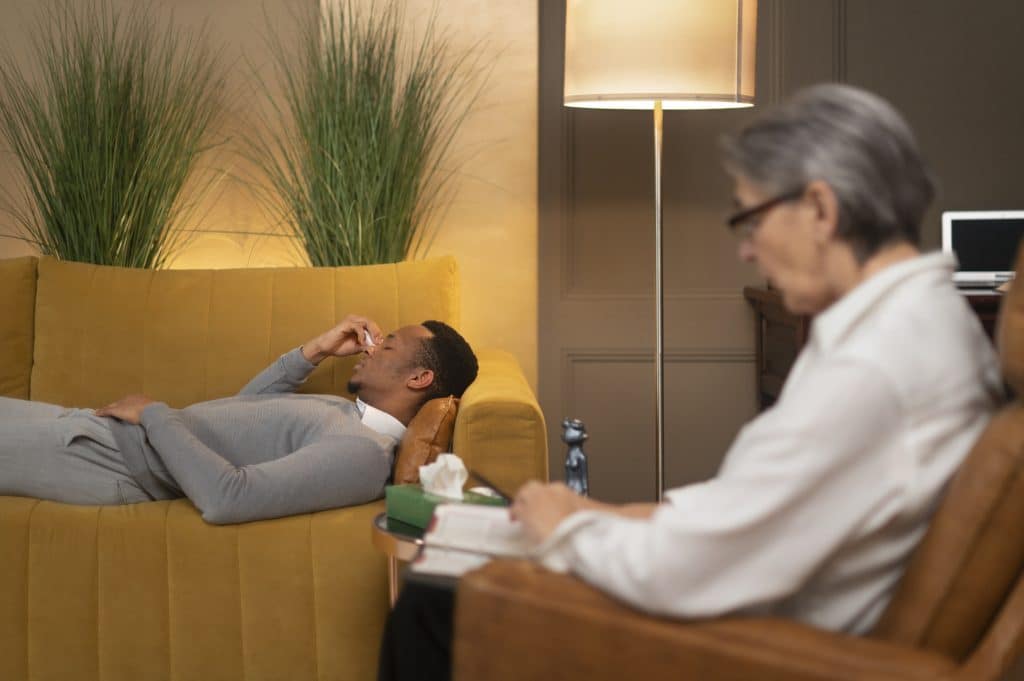
As the days grow shorter and natural light diminishes, many Americans experience a profound shift in their mood and energy levels. This phenomenon is often attributed to Seasonal Affective Disorder (SAD) in 2026: How Light Therapy Can Help, a condition that can significantly impact daily life.
Understanding SAD and its most effective treatments, particularly light therapy, is crucial for maintaining mental well-being during darker months.
Understanding Seasonal Affective Disorder (SAD) in 2026
Seasonal Affective Disorder, commonly known as SAD, is a type of depression that recurs with a seasonal pattern, typically beginning in late fall or early winter and ending in spring or early summer.
While often dismissed as the ‘winter blues,’ SAD is a legitimate medical condition that can severely impair an individual’s quality of life. In 2026, our understanding of SAD continues to evolve, shedding more light on its complex biological and environmental triggers.
The core mechanism behind SAD is believed to be linked to the reduction in natural light exposure. This decrease can disrupt the body’s internal clock, known as the circadian rhythm, and affect brain chemistry.
Specifically, it can lead to a drop in serotonin levels, a neurotransmitter that influences mood, and an imbalance in melatonin, a hormone that regulates sleep. Both factors contribute to the characteristic symptoms of SAD.
Common Symptoms and Diagnosis
Recognizing the symptoms of SAD is the first step toward effective management. While individual experiences vary, there are common signs that indicate the presence of this seasonal depression. These symptoms can range from mild to severe, and they typically appear consistently each year during specific seasons.
Persistent low mood: Feeling down or depressed for most of the day, nearly every day.
Loss of interest: A noticeable decrease in enjoyment from activities once found pleasurable.
Changes in sleep patterns: Often characterized by oversleeping (hypersomnia) and difficulty waking up.
Low energy and fatigue: Feeling drained and sluggish, making even simple tasks feel overwhelming.
Carbohydrate cravings: An increased desire for sugary or starchy foods, often leading to weight gain.
Diagnosing SAD involves a thorough evaluation by a healthcare professional. This typically includes a review of symptoms, medical history, and mental health assessments to rule out other conditions.
The key diagnostic criterion is the seasonal pattern of symptoms, where episodes of depression consistently occur during specific times of the year for at least two consecutive years, followed by periods of remission.
As we move through 2026, increased public awareness and advanced diagnostic tools are making it easier for individuals to seek and receive appropriate help. Early diagnosis is crucial, as it allows for timely intervention and the implementation of effective treatment strategies, preventing the condition from escalating.
The Science Behind Light Therapy for SAD
Light therapy, also known as phototherapy, stands out as a primary and highly effective treatment for SAD. Its efficacy is rooted in its ability to mimic natural outdoor light, thereby helping to reset the body’s circadian rhythm and correct the chemical imbalances associated with the disorder. The science behind light therapy is robust, with decades of research supporting its benefits.
When the eyes are exposed to bright light from a therapy lamp, specialized cells in the retina send signals to the brain region that controls the circadian rhythm.
This exposure helps to suppress the production of melatonin during the day, which can be overproduced in individuals with SAD due to reduced natural light. Simultaneously, it can stimulate the production of serotonin, improving mood and energy levels.
How Light Therapy Works Biologically
The human body is exquisitely tuned to the natural light-dark cycle. When this cycle is disrupted, particularly during shorter, darker months, the brain struggles to maintain its normal rhythm.
Light therapy lamps are designed to deliver a specific intensity of light, typically 10,000 lux, which is significantly brighter than standard indoor lighting but free from harmful UV rays.
This intense, broad-spectrum light signals the brain to reduce melatonin secretion, promoting wakefulness and alertness. It also impacts the regulation of serotonin, a critical neurotransmitter for mood stability.
By normalizing these biological processes, light therapy helps to alleviate the depressive symptoms of SAD, restoring a sense of balance and well-being.
Regular exposure to this therapeutic light can re-synchronize the body’s internal clock with the external environment, mitigating the effects of reduced natural daylight.
This daily ritual can have a profound impact on an individual’s mood, sleep patterns, and overall energy levels, offering a non-pharmacological approach to managing SAD.
Choosing the Right Light Therapy Lamp in 2026
With advancements in technology, the market for light therapy lamps in 2026 offers a wider array of options than ever before. Selecting the right lamp is crucial for maximizing the effectiveness of the treatment and ensuring a comfortable user experience. Several factors should be considered, including light intensity, type of light, and additional features.
Most experts recommend a light box that emits 10,000 lux of light. This intensity is considered optimal for treating SAD. While higher lux ratings might seem better, it’s the consistent exposure at the recommended intensity that yields the best results. Additionally, lamps should emit full-spectrum light, without harmful UV rays, to ensure safety and efficacy.
Key Features to Look For
Beyond intensity, several features can enhance the user experience and effectiveness of a light therapy lamp. Portability, design, and ease of use are important considerations, especially for those who travel or have limited space. Modern lamps often incorporate sleek designs that blend seamlessly into home or office environments.
UV-filtered light: Essential for protecting eyes and skin from harmful radiation.
Adjustable brightness: Allows users to customize the light intensity to their comfort level.
Timer settings: Helps maintain consistent treatment durations, preventing overuse or underuse.
Portability: Compact and lightweight designs are ideal for use at home, work, or while traveling.
Glare reduction: Features that minimize harsh glare can make therapy sessions more comfortable.
Considering these features ensures that the chosen light therapy lamp is not only effective but also convenient and safe for daily use. Investing in a high-quality lamp from a reputable manufacturer is highly recommended to guarantee adherence to safety standards and therapeutic efficacy.
Many lamps now also integrate smart technology, allowing for app-controlled adjustments and personalized schedules, further streamlining the user experience.
Effective Usage and Best Practices for Light Therapy
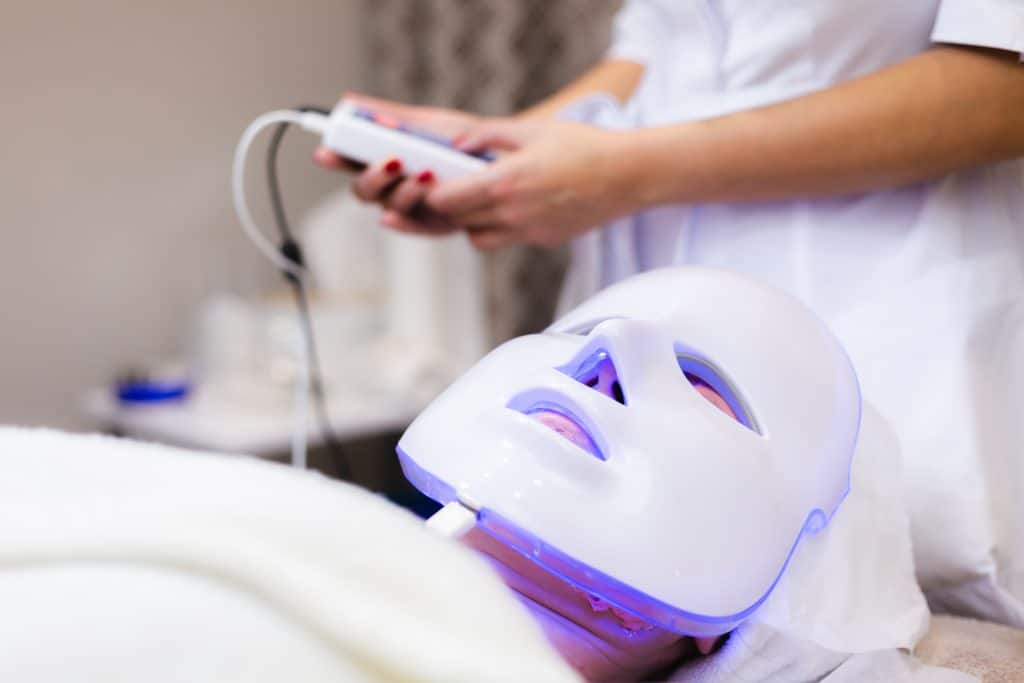
To achieve the best results from light therapy, consistent and correct usage is paramount. While the concept seems straightforward, subtle nuances in application can significantly impact its efficacy.
Establishing a routine and adhering to recommended guidelines will help maximize the therapeutic benefits and minimize potential side effects.
Typically, light therapy sessions involve sitting in front of the light box for 20 to 60 minutes each morning, preferably within the first hour of waking.
The lamp should be positioned at arm’s length, allowing the light to reach your eyes indirectly. It’s important not to stare directly into the light, but rather to engage in other activities like reading, eating, or working while the lamp is on.
Optimizing Your Light Therapy Routine
Integrating light therapy into your daily routine requires a thoughtful approach. Consistency is key; daily sessions, even on weekends, help maintain the circadian rhythm and serotonin levels.
Adjusting the duration and timing of sessions might be necessary based on individual response and the severity of symptoms. Consulting with a healthcare provider can help tailor a personalized plan.
Morning sessions: Most effective when used shortly after waking to reset the circadian rhythm.
Consistent distance: Maintain the recommended distance from the lamp for optimal lux exposure.
Avoid evening use: Using light therapy too late in the day can disrupt sleep patterns.
Combine with other activities: Make therapy part of your morning routine, like breakfast or email checking.
Monitor progress: Keep a journal of mood and energy levels to track the therapy’s effectiveness.
It’s also important to be patient. While some individuals may experience improvements within a few days, it often takes several weeks to notice significant changes. If symptoms do not improve or if side effects occur, it’s crucial to consult a doctor. Common mild side effects include eye strain, headaches, or nausea, which often subside with continued use or adjustments to the session.
Complementary Strategies for Managing SAD
While light therapy is highly effective, it often works best when integrated into a broader strategy for managing SAD. A holistic approach that combines light therapy with other lifestyle adjustments and, when necessary, professional support, can significantly enhance overall well-being and provide more sustainable relief from symptoms. These complementary strategies address various aspects of mental and physical health.
Regular physical activity is a powerful mood booster. Exercise for Mental Well-being: 30 Minutes Daily Impact releases endorphins, natural mood elevators, and can help alleviate symptoms of depression. Even moderate activities like brisk walking, cycling, or yoga can make a noticeable difference. Incorporating outdoor exercise, especially on brighter days, can also provide beneficial exposure to natural light.
Lifestyle Adjustments and Professional Support
Diet plays a significant role in mental health. A balanced diet rich in fruits, vegetables, lean proteins, and whole grains can support brain function and mood regulation.
Limiting processed foods, excessive sugar, and caffeine can also help stabilize energy levels and reduce mood swings. Hydration is equally important for overall physiological balance.
Regular exercise: Boosts mood and energy, complements light therapy effectively.
Balanced diet: Supports brain health and helps stabilize mood.
Mindfulness and meditation: Reduces stress and improves emotional regulation.
Consistent sleep schedule: Reinforces the circadian rhythm, crucial for SAD management.
Social connection: Combats isolation and provides emotional support.
For some, psychotherapy, particularly Cognitive Behavioral Therapy (CBT), can be an invaluable tool.
CBT helps individuals identify and challenge negative thought patterns associated with SAD, developing coping mechanisms and strategies to navigate the darker months. Additionally, some individuals may benefit from medication, such as antidepressants, especially if symptoms are severe or do not respond adequately to other treatments.
Consulting with a mental health professional can help determine the most appropriate course of action.
Future Outlook: SAD Treatment Innovations in 2026 and Beyond
The landscape of SAD treatment is continuously evolving, with ongoing research and technological advancements promising even more refined and accessible solutions in the years to come.
In 2026, we are already seeing glimpses of future innovations that could revolutionize how SAD is managed, offering hope for those who struggle with seasonal depression.
One area of significant progress is the development of more personalized light therapy devices. These devices might integrate smart sensors to monitor individual light exposure, circadian rhythm patterns, and even mood, adjusting light intensity and duration automatically.
The goal is to provide a highly tailored treatment that responds dynamically to an individual’s unique needs and environmental conditions.
Emerging Technologies and Research Directions
Beyond light therapy, research into the genetic and neurological underpinnings of SAD continues to expand. This deeper understanding could lead to novel pharmaceutical interventions that target specific neurochemical pathways implicated in the disorder.
Gene-editing technologies, while still in early stages for mental health applications, hold long-term potential for addressing predispositions to conditions like SAD.
Smart light therapy devices: Personalized light delivery based on individual biometric data.
Wearable light therapy: Discreet devices that provide therapeutic light throughout the day.
Neurofeedback and biofeedback: Training techniques to help individuals self-regulate brain activity and physiological responses.
Advanced pharmacogenomics: Tailoring antidepressant medications based on an individual’s genetic profile.
Virtual reality (VR) environments: Simulating bright, sunny environments to alleviate depressive symptoms.
The integration of artificial intelligence (AI) in mental health diagnostics and treatment planning is also a burgeoning field. AI could help predict SAD onset, recommend optimal treatment protocols, and even provide virtual support, making mental health care more accessible and proactive.
As technology advances, the future of SAD treatment in 2026 and beyond looks increasingly promising, offering more effective, personalized, and convenient ways to combat the winter blues.
Addressing Common Misconceptions About SAD and Light Therapy
Despite increased awareness, several misconceptions about SAD and light therapy persist, leading some individuals to delay seeking help or to misuse treatment. Dispelling these myths is crucial for ensuring that individuals receive accurate information and can make informed decisions about their mental health. Understanding the facts empowers better self-care and more effective treatment outcomes.
One common misconception is that SAD is simply a matter of feeling a bit down during winter and that one should just ‘tough it out.’ This trivializes a genuine medical condition that can cause significant distress and functional impairment.
SAD is clinical depression, and like other forms of depression, it warrants professional attention and effective treatment. Ignoring it can lead to worsening symptoms and prolonged suffering.
Clarifying Efficacy and Safety Concerns
Another myth is that any bright light will suffice for light therapy. This is incorrect. Standard indoor lighting, even bright lamps, typically do not provide the necessary intensity (10,000 lux) or spectrum of light required to impact brain chemistry effectively.
Specialized light therapy lamps are designed for this specific purpose, emitting controlled, UV-filtered light.
SAD is more than ‘winter blues’: It’s a clinical depression requiring proper treatment.
Not all bright lights are equal: Specific light therapy lamps are needed, not just any lamp.
Light therapy is not a cure-all: It’s a primary treatment, often best combined with other strategies.
Safety concerns: Modern light boxes are UV-filtered and generally safe when used correctly.
Effectiveness timeline: Results vary; patience and consistency are vital for noticeable improvement.
Some individuals also worry about the safety of light therapy, particularly regarding eye health. Modern light therapy lamps are designed with UV filters to protect the eyes and skin.
When used as directed, following manufacturer guidelines and consulting with a healthcare professional, light therapy is considered very safe with minimal side effects. Addressing these misconceptions openly helps to build trust and encourages more individuals to explore light therapy as a viable solution for their seasonal depression.
| Key Aspect | Brief Description |
|---|---|
| SAD in 2026 | Seasonal depression linked to reduced natural light, affecting mood and energy. |
| Light Therapy Mechanism | Mimics natural light to reset circadian rhythm and balance brain chemicals. |
| Optimal Lamp Choice | 10,000 lux, UV-filtered, full-spectrum light with convenient features. |
| Usage Best Practices | Daily morning sessions, consistent duration, and proper positioning for efficacy. |
Frequently Asked Questions About SAD and Light Therapy
SAD is a type of depression that follows a seasonal pattern, typically occurring during fall and winter months due to decreased natural light. Symptoms include low mood, fatigue, increased appetite, and oversleeping. It’s a recognized medical condition requiring appropriate treatment, not merely a transient feeling of sadness.
Light therapy works by exposing individuals to a bright light that mimics natural sunlight. This helps to regulate the body’s circadian rhythm, reduce melatonin overproduction, and increase serotonin levels in the brain, thereby alleviating depressive symptoms associated with SAD and improving overall mood and energy.
For effective treatment of SAD, it’s recommended to use a light therapy lamp that emits 10,000 lux of light. Ensure the lamp provides full-spectrum, UV-filtered light to protect your eyes and skin. Look for features like adjustable brightness and timers for convenience and safety.
The most effective time for light therapy sessions is typically in the morning, shortly after waking up. Daily sessions of 20-60 minutes are usually recommended. Using the lamp early in the day helps to reset your body’s internal clock and synchronize it with the natural light-dark cycle, optimizing benefits.
Most people tolerate light therapy well, but some may experience mild side effects such as eye strain, headaches, or nausea, especially when first starting. These symptoms often subside with continued use or by adjusting the distance or duration of sessions. Always consult a healthcare provider if concerns arise.
Conclusion
As we navigate 2026, the impact of Seasonal Affective Disorder on millions of Americans remains a significant concern. However, the consistent efficacy and ongoing advancements in light therapy offer a powerful and accessible tool for managing its symptoms.
By understanding SAD, choosing the right light therapy device, adhering to best practices, and incorporating complementary lifestyle strategies, individuals can effectively combat seasonal depression and maintain their mental well-being throughout the year. The future holds even more promise for personalized treatments, reinforcing light therapy’s role as a cornerstone in SAD management.