US Volunteer Opportunities: Make a Difference Locally
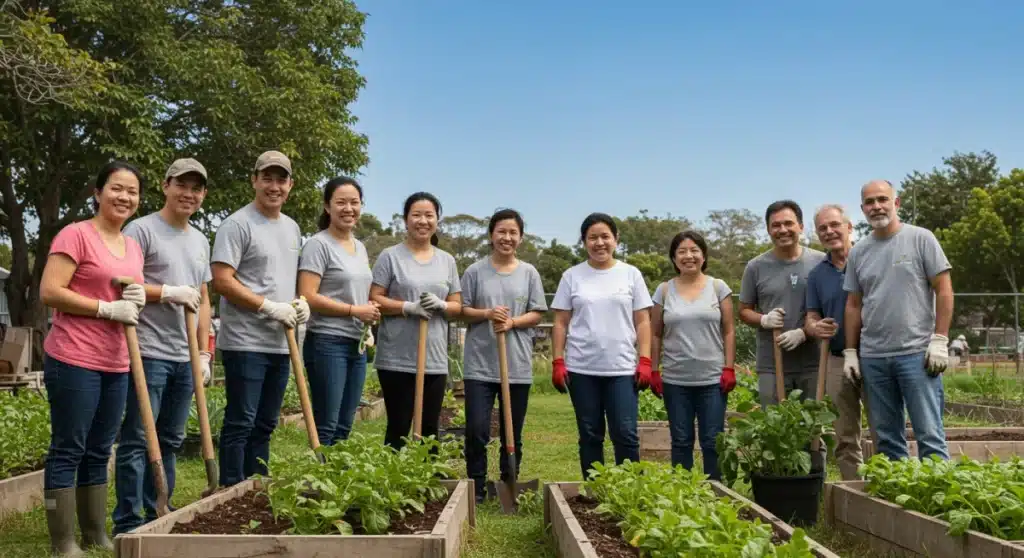
It’s a chance to connect with your community, learn new skills, and become part of something larger than yourself, creating tangible positive change right where you live.
Understanding the Landscape of US Volunteer Opportunities
Volunteering in the United States is a widespread and vital activity, underpinning countless community services and initiatives. From large national organizations to small, local grassroots efforts, the opportunities are as diverse as the needs they address.
Understanding this landscape is the first step toward finding a role that truly resonates with your passions and skills.
The spirit of giving back is deeply ingrained in American culture, with millions of individuals dedicating their time and effort annually.
These contributions are indispensable, helping to fill gaps where government funding or private enterprise cannot reach, and fostering a stronger, more resilient social fabric. Whether you’re looking to help people, animals, or the environment, there’s a place for you.
Diverse sectors and causes
The range of causes one can support through volunteering is vast. This diversity ensures that almost anyone can find an area where they can make a meaningful contribution, aligning their personal values with the needs of their community.
Human Services: Assisting food banks, homeless shelters, and elder care facilities.
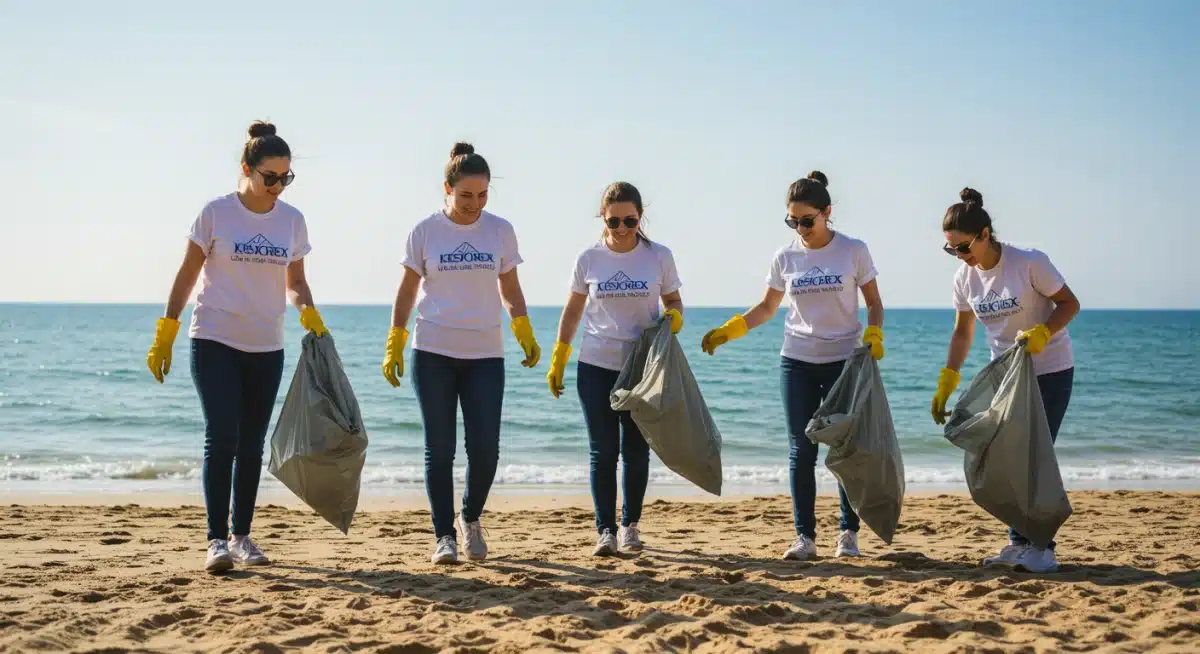
Environmental Protection: Participating in park clean-ups, conservation projects, and urban gardening.
Education and Youth Development: Mentoring students, tutoring, or supporting after-school programs.
Animal Welfare: Caring for animals in shelters, assisting with adoptions, or wildlife rehabilitation.
Ultimately, exploring the broad spectrum of US volunteer opportunities allows individuals to discover not just where help is needed, but also where their unique talents can shine. It’s about finding that perfect fit where your efforts will be most appreciated and impactful.
The Profound Benefits of Volunteering for Individuals
Beyond the undeniable positive impact on communities, engaging in US volunteer opportunities offers a wealth of personal benefits.
These advantages extend far beyond a simple sense of accomplishment, touching upon mental, physical, and professional aspects of life. It’s a two-way street where giving back often results in receiving even more.
Many volunteers report an enhanced sense of purpose and overall well-being. The act of helping others can provide a perspective shift, reducing stress and fostering a more positive outlook on life. It allows individuals to step outside their daily routines and connect with humanity on a deeper level, creating a ripple effect of good.
Mental and emotional well-being
Volunteering can be a powerful antidote to feelings of isolation and can significantly boost self-esteem. The social interaction and sense of contribution are crucial for mental health, offering a fulfilling way to spend time and energy.
Reduced Stress: Focusing on others can alleviate personal worries.
Increased Happiness: Acts of kindness release endorphins, promoting joy.
Enhanced Self-Esteem: Contributing to a cause builds confidence and worth.
Skill development and professional growth
Volunteering is not just about giving; it’s also about growing. Many roles offer opportunities to develop new skills or hone existing ones, which can be invaluable for career advancement or personal development. This practical experience can be a significant asset on a resume.
Whether it’s leadership, communication, event planning, or technical skills, the volunteer environment often provides a safe space for learning and experimenting.
These transferable skills are highly valued by employers and can open doors to new professional pathways. The networking opportunities alone can be transformative, connecting you with like-minded individuals and potential mentors.
In conclusion, the personal rewards of participating in US volunteer opportunities are extensive and deeply enriching. From boosting mental health to fostering professional development, volunteering offers a holistic approach to personal growth while simultaneously serving the greater good.
Finding Your Niche: Identifying the Right Volunteer Role
With so many US volunteer opportunities available, finding the right fit can sometimes feel overwhelming.
The key is to approach the search thoughtfully, considering your interests, skills, availability, and what you hope to gain from the experience. A well-matched volunteer role is more likely to be sustainable and deeply satisfying.
Start by reflecting on what causes you care most about. Do you have a passion for environmental conservation, supporting youth, or assisting the elderly? Your personal values and concerns should guide your initial exploration. Once you’ve identified a general area, you can begin to narrow down specific organizations and roles.
Assessing your interests and skills
Consider what you genuinely enjoy doing and what you’re good at. If you love working with people, direct service roles might be ideal. If you prefer behind-the-scenes work, administrative or fundraising tasks could be a better fit. Don’t underestimate the value of your unique talents.
Passions: What issues stir your emotions and motivate you to act?
Skills: What practical abilities or professional expertise can you offer?
Time Commitment: How much time can you realistically dedicate each week or month?
Researching local and national organizations
Once you have a clearer idea of your preferences, it’s time to research organizations. Local community centers, non-profits, and national charities often have websites detailing their volunteer programs.
Online platforms dedicated to volunteering can also be excellent resources for discovering opportunities near you.
Look for organizations whose mission statements align with your personal values. Read reviews, and if possible, speak to current volunteers to get an insider’s perspective.
A good fit between your expectations and the organization’s needs is crucial for a positive and lasting volunteer experience.
Identifying the right volunteer role is a journey of self-discovery and community exploration. By carefully considering your interests, skills, and the needs of various organizations, you can find a fulfilling role among the many US volunteer opportunities that allows you to make a significant and personal impact.

Navigating the Application and Onboarding Process
Once you’ve identified potential US volunteer opportunities, the next step is often the application and onboarding process.
While this can vary significantly between organizations, understanding the general steps involved can help you prepare and ensure a smooth transition into your new role. Most organizations are eager to welcome new volunteers but also need to ensure a good match and safety.
The process typically begins with an initial inquiry, followed by an application form that gathers information about your background, interests, and availability.
This helps the organization understand how you might best contribute and what roles would suit you. Be thorough and honest in your responses to ensure the best possible placement.
Application submission and interviews
Many organizations require a formal application, which might include questions about your previous experience, references, and why you wish to volunteer with them. Some roles, particularly those working with vulnerable populations, may also involve an interview to assess your suitability and commitment.
Online Forms: Most organizations utilize online application portals for convenience.
Background Checks: Common for roles involving children or sensitive data.
Informational Interviews: An opportunity to ask questions and learn more about the role.
Training and orientation
After your application is accepted, you’ll likely undergo some form of training or orientation. This is crucial for understanding the organization’s mission, procedures, and the specific duties of your volunteer role. It’s also a chance to meet staff and other volunteers.
Training can range from online modules to in-person sessions, covering topics like safety protocols, confidentiality, and specific task instructions.
Embrace this learning phase, as it equips you with the knowledge and confidence needed to perform your duties effectively and safely. A well-trained volunteer is an invaluable asset to any organization.
Successfully navigating the application and onboarding process is essential for beginning your journey in US volunteer opportunities.
By being prepared and engaged, you can ensure a positive start to a rewarding experience that benefits both you and the community you serve.
Making a Lasting Impact: Strategies for Effective Volunteering
Volunteering is more than just showing up; it’s about making a tangible and lasting impact. To truly maximize your contribution to US volunteer opportunities, adopting certain strategies can enhance your effectiveness and ensure your efforts lead to meaningful change. It involves commitment, consistency, and a proactive approach to your role.
One of the most crucial aspects of effective volunteering is reliability. Organizations depend on their volunteers, and showing up consistently and on time builds trust and allows them to plan their operations effectively. Your commitment directly translates into the stability and success of their programs.
Consistency and reliability
Being a reliable volunteer is perhaps the most fundamental way to make a lasting impact. Your consistent presence and dedication allow organizations to depend on you, which is vital for the continuity of their services. Treat your volunteer commitments with the same professionalism as paid work.
Punctuality: Arriving on time demonstrates respect for others’ time.
Follow-Through: Completing tasks as promised builds trust.
Open Communication: Informing coordinators of any changes to your availability.
Proactive engagement and feedback
Beyond fulfilling your assigned duties, look for ways to proactively contribute. This could involve suggesting improvements, taking initiative on new tasks, or sharing your unique insights. Organizations often value volunteers who bring fresh perspectives and are keen to help them grow.
Don’t shy away from asking for feedback on your performance, and also offer constructive feedback when appropriate. This two-way communication fosters a dynamic and effective volunteer environment.
Remember, your goal is to be an active participant in achieving the organization’s mission, not just a passive helper. By actively engaging and seeking to improve, you elevate the quality of your contribution.
Ultimately, making a lasting impact through US volunteer opportunities comes down to a combination of dedication, reliability, and a proactive attitude. These strategies ensure that your time and effort are not just spent, but invested wisely, yielding significant returns for your community.
Overcoming Challenges and Sustaining Your Volunteer Journey
While volunteering is incredibly rewarding, it’s not without its challenges. Burnout, emotional fatigue, or simply finding the time can sometimes deter even the most dedicated individuals. Recognizing these potential hurdles and developing strategies to overcome them is key to sustaining your engagement in US volunteer opportunities for the long term.
It’s important to set realistic expectations for yourself and your role. You can’t solve all the world’s problems, and it’s okay to acknowledge your limitations. Prioritizing self-care is not selfish; it’s essential for maintaining the energy and enthusiasm required to continue making a difference.
Managing time and preventing burnout
One of the biggest challenges for volunteers is balancing their commitment with other life responsibilities. Effective time management and knowing when to say no are crucial for preventing burnout and ensuring your volunteer work remains enjoyable and sustainable.
Set Boundaries: Clearly define your availability and stick to it.
Prioritize Self-Care: Ensure you’re getting enough rest and engaging in stress-reducing activities.
Rotate Roles: If possible, switch between different types of tasks to keep things fresh.
Seeking support and celebrating successes
Don’t hesitate to lean on fellow volunteers or staff members for support when you’re feeling overwhelmed or emotionally taxed. Sharing experiences and challenges can be incredibly validating and help you find solutions. Also, remember to celebrate the small victories.
Acknowledging the impact of your work, no matter how small it may seem, is vital for maintaining motivation.
Whether it’s a thank you from a client, a successful event, or simply a moment of connection, these successes fuel your spirit and remind you why you started volunteering in the first place. Sustaining your volunteer journey is about resilience, self-awareness, and a supportive community.
Sustaining Your Impact in US Volunteer Opportunities

Volunteering is one of the most rewarding ways to give back, but maintaining long-term involvement requires more than just passion—it requires balance, awareness, and intentional self-care.
By proactively addressing common challenges and nurturing your own well-being, you can ensure that your participation in US volunteer opportunities remains both meaningful and sustainable.
Recognizing and Managing Volunteer Burnout
Even the most dedicated volunteers can experience burnout, especially when juggling multiple responsibilities or emotionally demanding roles. Signs may include fatigue, decreased motivation, or feeling overwhelmed.
To stay energized:
Set realistic expectations about your time and availability
Take regular breaks when needed
Rotate tasks to avoid emotional exhaustion
Communicate openly with coordinators about your capacity
Remember, volunteering should enhance your life—not exhaust it.
Prioritizing Your Well-Being
Taking care of yourself is essential if you want to continue helping others effectively. Incorporating small habits into your routine can make a big difference:
Maintain a healthy balance between volunteering, work, and personal life
Practice mindfulness or relaxation techniques
Celebrate your contributions, no matter how small
Stay connected with supportive friends, family, or fellow volunteers
When you feel good, your ability to make a positive impact grows stronger.
Building Meaningful Connections
Volunteering is not just about service—it’s also about community. Engaging with others who share your values can deepen your experience and keep you motivated.
Form relationships with fellow volunteers
Participate in group activities or events
Share experiences and learn from different perspectives
| Key Aspect | Brief Description |
|---|---|
| Diverse Opportunities | Numerous sectors from human services to environmental protection offer roles for all interests. |
| Personal Growth | Volunteering boosts mental health, self-esteem, and develops new skills. |
| Effective Contribution | Reliability, consistency, and proactive engagement ensure lasting impact. |
| Sustaining Engagement | Time management, self-care, and seeking support help prevent burnout. |
Frequently Asked Questions About US Volunteer Opportunities
The most common types include assisting at food banks, homeless shelters, environmental clean-ups, mentoring youth, and supporting animal welfare organizations. These roles span a wide range of needs, from direct service to administrative support, catering to diverse interests and skill sets within communities across the United States.
You can find local opportunities through websites like VolunteerMatch, Idealist, and Points of Light.
Additionally, checking with local community centers, religious organizations, libraries, and city government websites often reveals specific needs and ongoing projects in your immediate area. Networking with local community leaders can also provide valuable leads.
Volunteering offers numerous personal development benefits, including enhanced self-esteem, reduced stress, and improved mental well-being.
It also provides opportunities to learn new skills, expand your professional network, and gain valuable experience that can be beneficial for career advancement. The sense of purpose derived is also a significant benefit.
Age restrictions vary by organization and the nature of the volunteer work. Many opportunities are open to all ages, with specific roles for minors requiring parental consent or supervision. Some roles, especially those involving heavy labor or sensitive populations, might have minimum age requirements. It’s always best to check with the specific organization.
The time commitment for volunteering is highly flexible and depends on the opportunity and your personal schedule. Some roles require a regular weekly commitment, while others are project-based or seasonal.
Many organizations offer options ranging from a few hours a month to several hours a week, allowing you to choose what fits your lifestyle.
Conclusion
Engaging in US volunteer opportunities is a powerful testament to the human spirit’s capacity for generosity and collective action. It is a journey that not only uplifts communities but also profoundly enriches the lives of those who choose to serve.
From fostering personal growth and developing new skills to combating societal challenges and building stronger local ties, the ripple effects of volunteering are far-reaching and enduring.
By thoughtfully selecting roles that align with individual passions and committing to consistent, proactive engagement, volunteers can ensure their contributions create lasting positive change.
As we look to the future, the continued dedication of volunteers remains an indispensable force in shaping a more compassionate and resilient America, highlighting that every act of service, no matter how small, truly makes a difference.