The Future of Retail in the US: E-Commerce & Consumer Shifts
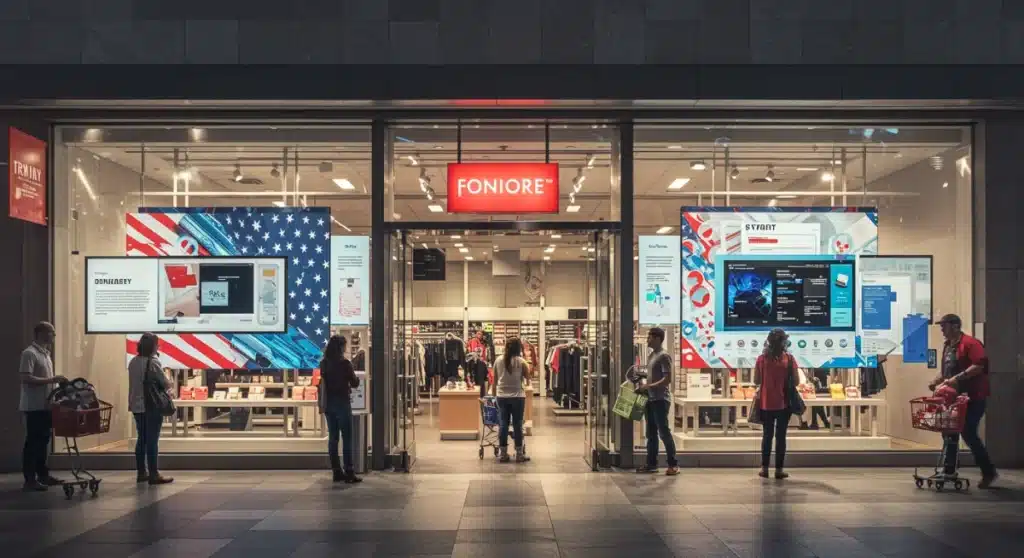
The landscape of commerce in America is undergoing a seismic transformation. As consumers increasingly turn to digital channels, understanding the future of US retail and how businesses are adapting to e-commerce and changing consumer habits is not just important, it’s essential for survival and growth. This isn’t merely a shift; it’s a complete reimagining of how we shop, sell, and connect with brands.
The E-Commerce Revolution and Its Unstoppable Momentum
E-commerce has irrevocably altered the retail paradigm, moving beyond a mere convenience to become a fundamental expectation for shoppers across the United States. Its growth, accelerated by recent global events, shows no signs of slowing down, consistently pushing retailers to innovate their online presence and delivery capabilities.
The sheer accessibility and breadth of choice offered by online platforms have empowered consumers like never before. From niche artisanal products to everyday necessities, virtually anything can now be purchased with a few clicks, delivered directly to one’s doorstep. This ease of transaction has set a new benchmark for convenience that physical stores must now contend with.
The Rise of Mobile Shopping
Mobile devices are now at the heart of the e-commerce experience. Shoppers use their smartphones not only to browse and buy but also to research products, compare prices, and read reviews, often while standing in a physical store. This ubiquitous connectivity blurs the lines between online and offline shopping.
Seamless mobile app experiences are critical for customer retention.
Optimized mobile websites improve conversion rates and user satisfaction.
In-app purchasing and digital wallets streamline the checkout process.
Subscription Models and Recurring Revenue
Subscription services have emerged as a powerful e-commerce trend, offering convenience and curated experiences to consumers while providing retailers with predictable recurring revenue. From meal kits to beauty products, these models build loyalty and anticipate customer needs.
The success of these models lies in their ability to offer personalized value and a consistent supply of goods, reducing the need for repeated purchasing decisions. This fosters a deeper relationship between brand and consumer, moving beyond transactional interactions.
The e-commerce revolution continues to redefine consumer expectations, emphasizing convenience, personalization, and seamless digital experiences. Retailers neglecting this shift risk obsolescence in an increasingly digital-first marketplace.
Shifting Consumer Habits: Beyond Price and Product
Today’s consumers are more discerning and values-driven than ever before. Their purchasing decisions extend far beyond just price and product features, encompassing ethical considerations, brand transparency, and the overall shopping experience. This evolution in consumer habits demands a more holistic approach from retailers.
Shoppers are actively seeking brands that align with their personal values, whether it’s sustainability, ethical sourcing, or community involvement. A brand’s stance on social and environmental issues can significantly influence whether a consumer chooses to buy from them or a competitor.
The Demand for Personalization
Generic experiences no longer cut it. Consumers expect personalized recommendations, tailored marketing messages, and customized product offerings that reflect their individual preferences and past behaviors. Data-driven insights are crucial for delivering this level of personalization.
AI-powered recommendation engines enhance discovery.
Personalized email marketing increases engagement.
Customizable product options cater to unique needs.
Experience Over Transaction
For many consumers, especially younger demographics, the act of shopping is becoming less about acquiring goods and more about the experience itself. This applies to both online and in-store environments, where engaging content, interactive displays, and memorable service can differentiate a brand.
Retailers are investing in experiential retail, creating spaces that offer entertainment, education, or community gathering, rather than just product displays. This helps to justify the trip to a physical store in an age of abundant online options.
Understanding these evolving consumer habits is paramount. Retailers must move beyond traditional marketing tactics, embracing transparency, personalization, and experiential value to truly connect with their target audience.
The Rise of Omnichannel: Seamless Experiences Everywhere
In the modern retail landscape, the distinction between online and offline shopping has largely dissolved. Consumers expect a fluid, consistent experience regardless of the channel they choose to interact with a brand. This expectation has spurred the rapid adoption of omnichannel strategies, which integrate all touchpoints into a unified customer journey.
An effective omnichannel strategy ensures that a customer can start their shopping journey on a mobile app, continue browsing on a desktop, pick up an item in-store, and handle returns through an online portal, all without encountering friction or disjointed information. It’s about putting the customer at the center of every interaction.
Integrating Digital and Physical Stores
Physical stores are no longer just places to buy; they are becoming showrooms, fulfillment centers, and experience hubs. Retailers are leveraging their brick-and-mortar locations to support their e-commerce operations, offering services like buy online, pick up in-store (BOPIS) and ship from store.
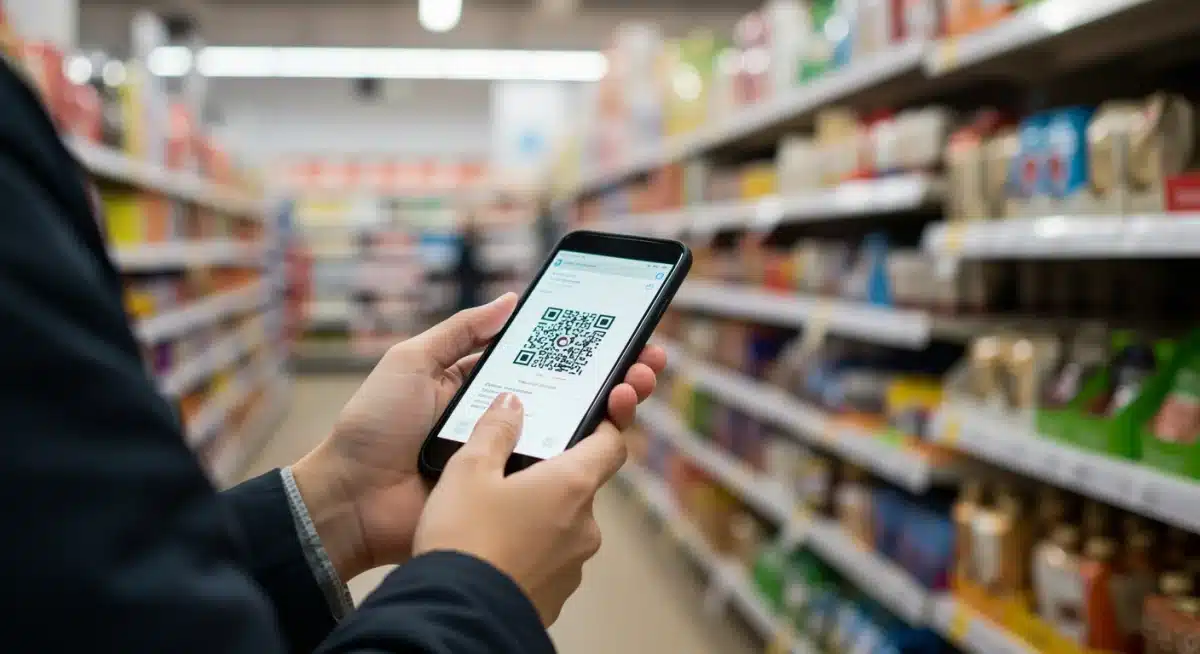
BOPIS enhances convenience and reduces shipping costs.
In-store returns for online purchases improve customer satisfaction.
Experiential zones in stores drive engagement and brand loyalty.
Data Unification and Customer Insights
A true omnichannel approach relies on a unified view of customer data across all channels. This allows retailers to understand customer behavior comprehensively, personalize interactions, and optimize inventory management. Breaking down data silos is a critical step.
By consolidating data from online purchases, in-store visits, app usage, and customer service interactions, businesses can create a single customer profile. This profile informs everything from marketing campaigns to product development, ensuring relevance and efficiency.
Omnichannel is no longer a luxury but a necessity for retailers aiming to meet contemporary consumer expectations. It requires strategic investment in technology and a cultural shift towards customer-centricity across the entire organization.
Technological Innovations Driving Retail Evolution
Technology is the engine of change in retail, constantly introducing new tools and platforms that enhance efficiency, improve customer experiences, and unlock new business models. From artificial intelligence to augmented reality, these innovations are reshaping every facet of the retail journey.
The pace of technological advancement means retailers must remain agile and willing to experiment with new solutions. Those who embrace innovation early often gain a significant competitive advantage, setting new standards for the industry.
Artificial Intelligence and Machine Learning
AI and machine learning are transforming retail operations from the back end to the front end. They power personalized recommendations, optimize inventory management, predict consumer trends, and enhance customer service through chatbots and virtual assistants.
AI-driven demand forecasting reduces waste and improves stock levels.
Personalized product recommendations boost sales and customer satisfaction.
Chatbots provide 24/7 customer support, resolving queries quickly.
Augmented Reality (AR) and Virtual Reality (VR)
AR and VR technologies are bridging the gap between digital and physical shopping. AR allows customers to visualize products in their own environment (e.g., trying on clothes virtually), while VR offers immersive shopping experiences that transcend geographical limitations.
These immersive technologies reduce product return rates by giving customers a more accurate sense of what they are purchasing. They also create engaging and memorable brand interactions, adding a layer of entertainment to the shopping process.
Technological innovation is not just about adopting new gadgets; it’s about strategically integrating solutions that solve customer pain points and create new value propositions. A forward-thinking approach to technology is essential for future retail success.
Logistics and Supply Chain Reinvention
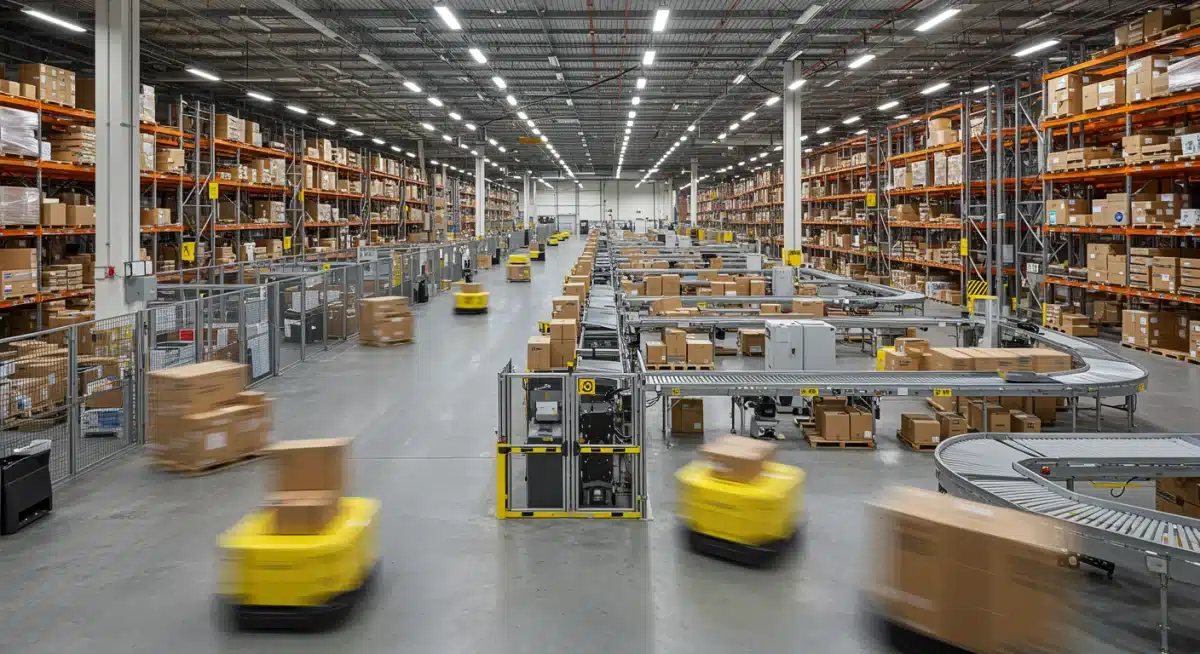
The exponential growth of e-commerce has placed unprecedented pressure on retail logistics and supply chains. Consumers now expect faster, more flexible, and transparent delivery options, pushing retailers to reinvent their entire fulfillment networks. The efficiency of the supply chain is now a critical differentiator.
From the moment an order is placed to its final delivery, every step of the logistics process must be optimized for speed, accuracy, and cost-effectiveness. This often involves significant investment in automation, data analytics, and strategic partnerships.
Last-Mile Delivery Innovations
The ‘last mile’ — the final leg of the delivery journey to the customer’s doorstep — is often the most challenging and expensive. Retailers are exploring a variety of innovative solutions to optimize this crucial stage, from drone delivery to hyper-local fulfillment centers.
Crowdsourced delivery models offer flexibility and speed.
Automated vehicles and drones promise future delivery efficiency.
Click-and-collect lockers provide secure, convenient pickup options.
Sustainable Supply Chains
As consumer awareness of environmental issues grows, so does the demand for sustainable practices throughout the supply chain. Retailers are under pressure to reduce their carbon footprint, minimize waste, and ensure ethical sourcing of materials.
Implementing sustainable logistics practices not only appeals to eco-conscious consumers but can also lead to operational efficiencies and cost savings in the long run. This includes optimizing delivery routes, using eco-friendly packaging, and investing in renewable energy for warehouses.
Reinventing logistics and supply chains is a complex but vital undertaking for retailers. It requires a holistic strategy that balances speed, cost, and sustainability, ensuring that products reach customers efficiently and responsibly.
The Evolution of the Physical Store Experience
Despite the dominance of e-commerce, physical stores are far from obsolete; rather, they are evolving into more dynamic, experience-rich destinations. The role of the brick-and-mortar store is shifting from a mere point of sale to a hub for brand engagement, customer service, and community building.
To thrive in the digital age, physical stores must offer something that online shopping cannot: a tangible, sensory, and human experience. This means investing in store design, staff training, and integrating technology to enhance the in-person visit.
Experiential Retail and Brand Showrooms
Many retailers are transforming their stores into experiential spaces where customers can interact with products, attend workshops, or simply enjoy the brand’s atmosphere without immediate pressure to purchase. These stores act as powerful marketing tools and brand builders.
Interactive displays and product demonstrations engage customers.
In-store events and classes foster community and loyalty.
Showrooming allows customers to try products before buying online.
Integrating Technology In-Store
Technology is being seamlessly integrated into physical stores to enhance the shopping experience. This includes smart mirrors, endless aisle kiosks, augmented reality try-ons, and mobile payment options, all designed to make shopping more convenient and engaging.
These technological enhancements empower store associates to provide better service, offer personalized recommendations, and access real-time inventory information. They also allow customers to self-serve and enjoy a more efficient checkout process, blending the best of both worlds.
The physical store’s future is defined by its ability to offer unique, memorable experiences that complement the convenience of online shopping. It’s about creating destinations that resonate with consumers and build lasting brand connections.
Navigating the Competitive Landscape and Future Outlook
The competitive landscape in US retail is more intense than ever, characterized by rapid innovation, shifting consumer loyalties, and the constant pressure to adapt.
Retailers face challenges from agile e-commerce pure-plays, established giants, and new direct-to-consumer brands. Success hinges on a clear understanding of market dynamics and a willingness to embrace change.
Beyond competition, future outlooks suggest continued technological integration, an even stronger focus on sustainability, and a personalized approach to every customer interaction. Retailers that can effectively balance these elements will be best positioned for long-term growth.
Agile Business Models and Adaptability
The ability to adapt quickly to new trends, technologies, and consumer demands is crucial. Retailers need flexible business models that allow for rapid experimentation, scaling, and pivoting when necessary. This involves investing in modular systems and fostering a culture of innovation.
Rapid prototyping of new services and products.
Flexible supply chains that can adjust to disruptions.
Continuous feedback loops to inform strategic decisions.
Ethical Practices and Brand Trust
In an era of increased scrutiny, brand trust and ethical practices are non-negotiable. Consumers are more likely to support retailers that demonstrate transparency, fair labor practices, and a commitment to social responsibility. Building and maintaining this trust is a long-term investment.
From sustainable sourcing to data privacy, every aspect of a retailer’s operation is subject to consumer judgment. Brands that authentically communicate their values and act on them will foster deeper loyalty and stand out in a crowded market.
The future of US retail calls for a proactive, customer-centric mindset that places evolving consumer needs at the center of every decision.
As shopping behaviors continue to shift—driven by convenience, personalization, and digital experiences—retailers must move beyond traditional models and embrace innovation across both online and in-store channels.
Adopting advanced technologies such as AI-driven recommendations, seamless omnichannel platforms, and data analytics allows businesses to better understand and anticipate customer preferences.
At the same time, prioritizing ethical practices—such as sustainable sourcing, transparent pricing, and data privacy—builds trust and long-term loyalty among increasingly conscious consumers.
Adaptability will be the defining factor for success. Retailers that remain flexible in their operations, quickly respond to market trends, and continuously refine their strategies will be better positioned to navigate uncertainty and competition.
This includes experimenting with new business models, enhancing customer experiences, and investing in workforce development.
Ultimately, by combining innovation, responsibility, and agility, retailers can transform challenges into opportunities—ensuring they not only survive but thrive in an exciting and ever-evolving retail landscape.
| Key Trend | Brief Description |
|---|---|
| E-Commerce Dominance | Online shopping continues its rapid growth, setting new standards for convenience and accessibility. |
| Evolving Consumer Habits | Consumers prioritize personalization, ethical practices, and experiential value over simple transactions. |
| Omnichannel Integration | Seamless blending of online and offline channels for a unified customer journey. |
| Technological Adoption | AI, AR/VR, and automation are transforming operations and customer engagement. |
Frequently Asked Questions About the Future of US Retail
E-commerce is forcing brick-and-mortar stores to evolve beyond simple sales points. They are becoming experience centers, showrooms, and local fulfillment hubs, offering services like in-store pickup for online orders and serving as vital touchpoints for customer engagement and returns. This integration creates a more cohesive shopping experience.
Key consumer habits include a strong demand for personalization, a preference for brands aligned with personal values (e.g., sustainability, ethics), and a desire for engaging, seamless shopping experiences across all channels. Convenience and transparency are also paramount for today’s discerning shoppers.
Omnichannel retail integrates all customer touchpoints—online, mobile, and physical stores—into a single, unified experience. It’s crucial because consumers expect consistent interactions regardless of channel, allowing them to seamlessly switch between platforms during their shopping journey without friction or loss of information.
AI enhances personalization through recommendations, optimizes inventory, and improves customer service via chatbots. AR allows customers to virtually try on products or visualize them in their space, reducing returns and increasing engagement. Both technologies create more efficient and interactive shopping experiences.
Sustainability is increasingly vital, as consumers prioritize eco-friendly brands. Retailers are focusing on sustainable sourcing, reducing waste in packaging and operations, and ethical supply chains.
This not only meets consumer demand but also fosters brand trust and can lead to long-term operational efficiencies and cost savings.
Conclusion
The future of US retail is a dynamic tapestry woven with threads of technological innovation, evolving consumer expectations, and a relentless pursuit of seamless experiences.
As e-commerce continues its upward trajectory, retailers are compelled to adapt, not just by integrating digital tools but by fundamentally reinventing their purpose and approach. Success in this new era hinges on agility, a deep understanding of the customer, and a commitment to creating value that transcends mere transactions.
The retail landscape will undoubtedly continue to shift, but the brands that prioritize customer-centricity, technological adoption, and ethical practices will be best positioned to thrive in this exciting new chapter of American commerce.