Community Gardens in US: Grow Food, Connect Neighbors
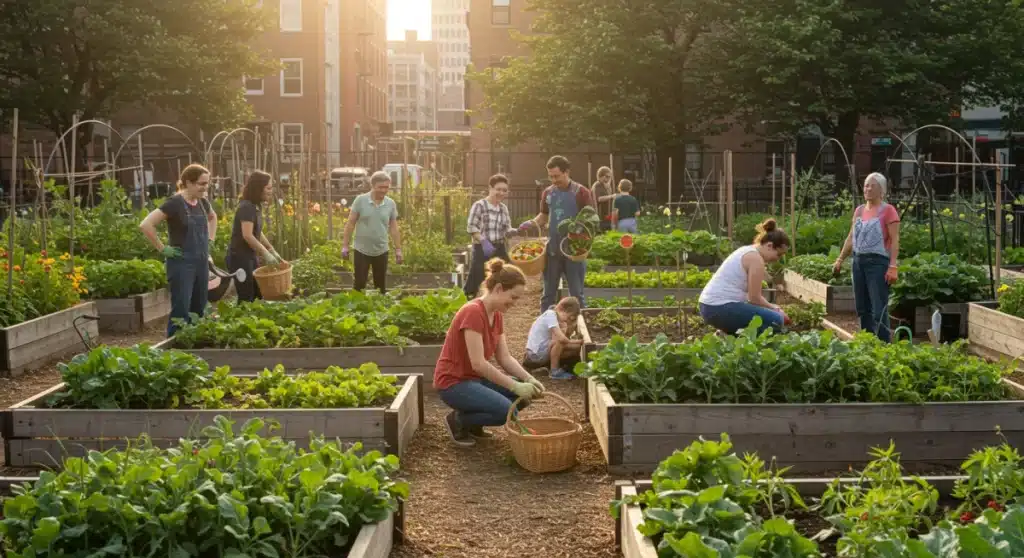
In an increasingly urbanized world, the desire to reconnect with nature and grow our own food has never been stronger. This is where community gardens in the US step in, offering a unique blend of sustainable living, fresh produce, and invaluable neighborly connections.
As cities expand and daily life becomes more fast-paced and digitally driven, many Americans are searching for tangible, hands-on experiences that restore balance and purpose. This is precisely where community gardens in the US step in—bridging the gap between modern urban living and the timeless practice of cultivating the land.
Community gardens offer far more than just access to fresh fruits and vegetables. They represent a practical pathway toward sustainable living, empowering individuals and families to participate directly in food production.
In neighborhoods where grocery options may be limited or expensive, these shared green spaces provide affordable, nutritious produce while reducing reliance on long-distance supply chains.
At the same time, community gardens in the US foster something equally valuable: human connection.
In a society where neighbors may rarely interact, gardens create natural gathering spaces. People of different ages, backgrounds, and cultures come together with a shared goal—planting, tending, and harvesting.
Conversations bloom alongside tomatoes and herbs, transforming vacant lots into vibrant hubs of collaboration and mutual support.
These gardens also reconnect communities with seasonal rhythms and environmental awareness. Participants learn about soil health, composting, pollination, and water conservation.
Children gain hands-on education about where food comes from, while adults rediscover skills that once sustained earlier generations. The experience cultivates not only produce, but also resilience, mindfulness, and shared responsibility.
In many cities, community gardens in the US are reclaiming underutilized spaces—abandoned lots, rooftops, schoolyards—and turning them into productive ecosystems.
This transformation improves neighborhood aesthetics, reduces urban heat, supports biodiversity, and strengthens local pride. What was once neglected becomes a symbol of renewal and possibility.
Ultimately, the rise of community gardens reflects a broader cultural shift. People are seeking healthier lifestyles, stronger communities, and more sustainable food systems.
By combining environmental stewardship with social connection, community gardens provide a powerful response to modern urban challenges—proving that even in the most densely populated environments, there is always room to grow.
Benefits Beyond the Harvest: Health and Well-being
While the most obvious benefit of community gardens is the fresh produce they yield, their impact on individual and community health is equally significant.
Engaging in gardening provides physical activity, reduces stress, and offers opportunities for social interaction, all contributing to improved mental and physical well-being. These green spaces become outdoor gyms, therapy rooms, and social clubs rolled into one.
Studies consistently show that access to green spaces and participation in gardening activities can lower rates of obesity, heart disease, and diabetes.
The physical demands of digging, planting, and weeding offer a full-body workout, often without people even realizing they are exercising. Furthermore, the consumption of fresh, organic produce directly from the garden enhances dietary quality.
Mental Health and Social Connection
The therapeutic effects of gardening are well-documented. Spending time outdoors, connecting with nature, and engaging in a productive activity can significantly reduce stress, anxiety, and symptoms of depression.
The sense of accomplishment derived from nurturing plants from seed to harvest is incredibly empowering.
Stress Reduction: Gardening provides a calming, meditative activity away from daily pressures.
Improved Mood: Exposure to sunlight boosts Vitamin D, and physical activity releases endorphins.
Social Support: Working alongside neighbors fosters friendships and a sense of belonging.
Beyond the individual benefits, community gardens are powerful engines for social cohesion. They create neutral ground where people from diverse backgrounds can come together, share common interests, and build trust.
This shared purpose strengthens neighborhood ties, leading to more resilient and supportive communities. The act of sharing knowledge, tools, and harvest creates an environment of mutual aid.
The Rise of Community Gardens Across America
Community gardens have deep roots in American history, evolving from emergency food initiatives into powerful engines of social connection and sustainability.
What began as practical responses to hardship—such as wartime “victory gardens”—has transformed into a nationwide movement focused on food security, environmental stewardship, and neighborhood revitalization.
At their core, community gardens are shared plots of land cultivated collectively by residents. The idea is simple yet transformative: convert underutilized urban or suburban land into productive green space.
Empty lots, abandoned properties, schoolyards, and church grounds become vibrant hubs where food is grown, knowledge is exchanged, and relationships are built.
Today, community gardens represent a growing commitment to localized food systems and stronger communities. Their rise reflects a broader shift toward healthier living, sustainability, and grassroots empowerment.
Historical Roots and Enduring Impact
The tradition of communal gardening in the United States dates back to the late 19th century. During economic downturns, cities introduced “relief gardens” to help families grow their own food. These early efforts laid the groundwork for what would become a defining feature of American resilience.
Victory gardens, in particular, played a crucial role during World War I and World War II. Millions of Americans planted fruits and vegetables in backyards, parks, and public spaces to support national food supplies and boost morale.
These gardens demonstrated the power of collective action—showing how communities could respond creatively to crisis.
In the 1970s, community gardens experienced another wave of growth during urban renewal efforts. Many cities faced abandoned buildings, declining neighborhoods, and limited access to fresh produce.
Residents reclaimed vacant lots and transformed them into productive spaces. These gardens became symbols of hope, self-determination, and neighborhood pride.
The Modern Revival
The current surge in community garden development reflects contemporary concerns and aspirations. Rising food prices, increased awareness of climate change, and growing interest in organic, locally sourced food have reignited enthusiasm for urban gardening.
Modern community gardens emphasize:
Sustainability: Composting, rainwater harvesting, native plants, and organic practices reduce environmental impact.
Food Justice: Gardens help address food deserts by providing fresh, affordable produce in underserved communities.
Community Building: Shared labor fosters social cohesion and mutual support.
Education: Workshops and youth programs teach nutrition, gardening skills, and environmental awareness.
Unlike earlier iterations focused solely on food production, today’s gardens serve multiple roles. They are learning centers, wellness spaces, and platforms for civic engagement.
Benefits Beyond the Harvest
While growing fresh fruits and vegetables is a central purpose, the benefits of community gardens extend far beyond the harvest.
Public Health: Access to fresh produce improves dietary habits and reduces food insecurity. Gardening also promotes physical activity and mental well-being through outdoor engagement.
Economic Development: Community gardens can increase property values, attract local investment, and reduce grocery costs for participating families. Some gardens even evolve into farmers’ markets or cooperative ventures.
Environmental Sustainability: Green spaces reduce urban heat, improve air quality, support pollinators, and manage stormwater runoff. By replacing concrete with soil and plants, gardens enhance ecological resilience.
Social Capital: Perhaps most importantly, community gardens strengthen relationships. Neighbors who might never interact otherwise collaborate, share stories, and build trust. In a time when social isolation is common, gardens offer a space for meaningful connection.
Why Community Gardens Matter Today
The evolution of community gardens highlights their enduring relevance. From wartime necessity to modern sustainability movement, these spaces adapt to the needs of each generation. They respond to economic pressures, environmental concerns, and the human desire for connection.
As cities continue to grow and climate challenges intensify, community gardens stand out as practical, community-driven solutions. They represent more than agriculture—they symbolize empowerment, resilience, and shared responsibility.
In neighborhoods across America, seeds planted in shared soil continue to cultivate not just food, but stronger communities and a more sustainable future.
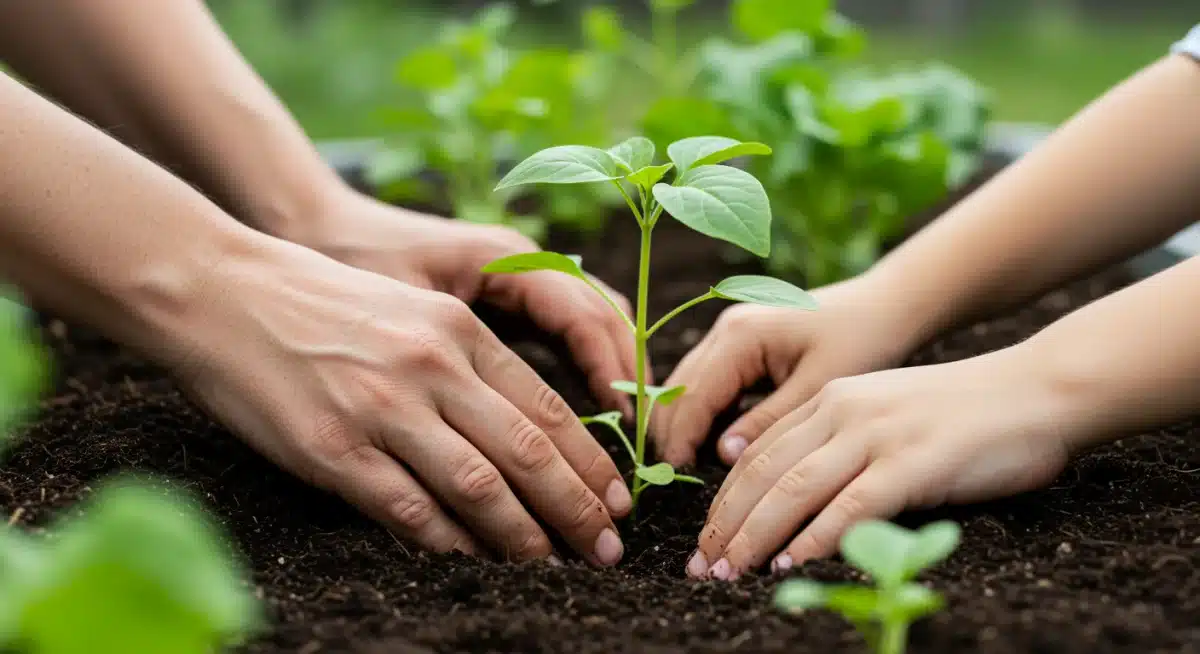
Starting Your Own Community Garden: A Step-by-Step Guide
The idea of starting a community garden might seem daunting, but with careful planning and community involvement, it’s an achievable and highly rewarding endeavor.
The first step involves identifying suitable land, which often means engaging with local government, schools, or religious organizations. Securing a long-term lease or agreement for the land is crucial for the garden’s sustainability.
Once a location is secured, forming a dedicated organizing committee is vital. This group will be responsible for everything from fundraising and plot allocation to establishing rules and coordinating volunteers. A strong leadership team ensures the garden’s success and addresses challenges effectively.
Key Steps to Cultivation
Planning is paramount in establishing a thriving community garden. This includes designing the layout, determining water access, and deciding on communal versus individual plot arrangements. Clear communication and consensus among future gardeners are essential to avoid conflicts and ensure everyone feels invested in the project.
Site Selection: Look for sunny, accessible land with good soil and water access.
Community Engagement: Gather interested individuals and form a steering committee.
Funding and Resources: Seek grants, donations, and partnerships for tools, soil, and infrastructure.
Establish Rules: Create clear guidelines for plot maintenance, water usage, and shared responsibilities.
Crucially, consider the long-term maintenance and governance of the garden. A well-defined set of bylaws and a system for conflict resolution will help the garden flourish for years to come.
Regular meetings, workshops, and social events can keep members engaged and foster a strong sense of ownership and camaraderie. Remember, a community garden thrives on collective effort and shared vision.
Navigating Challenges and Ensuring Sustainability
While community gardens across the United States provide powerful social, environmental, and economic benefits, sustaining them over the long term requires strategic planning and adaptability.
Like any community-driven initiative, gardens face practical and structural challenges that must be addressed proactively to ensure lasting success. Strong leadership, clear organization, and a shared commitment to sustainability are often what distinguish thriving gardens from those that struggle.
Land Security and Long-Term Stability
One of the most significant challenges facing community gardens is land security. Many operate on vacant lots, school grounds, faith-based properties, or municipally owned land under short-term agreements.
This uncertainty can discourage investment in infrastructure improvements such as raised beds, irrigation systems, fencing, or perennial plantings.
Securing stable land tenure is critical for long-term sustainability. Gardening groups can explore options such as:
Negotiating long-term leases
Establishing conservation easements
Partnering with land trusts
Purchasing property through nonprofit structures
Advocating for municipal designation as protected green space
Building strong relationships with landowners and local government officials helps increase stability. In some cities, community gardens have successfully become part of official urban planning initiatives, protecting them from redevelopment pressures.
Water Access and Infrastructure
Reliable water access is another key sustainability factor. Gardens may face challenges related to irrigation costs, limited hookups, or seasonal water restrictions. Installing rainwater harvesting systems, drip irrigation, and drought-resistant plant varieties can reduce water dependency and improve resilience.
Investing in soil health through composting programs also strengthens sustainability. Healthy soil retains moisture more effectively and supports higher crop yields, reducing resource strain over time.
Funding and Resource Management
Financial sustainability is essential for maintaining tools, purchasing seeds, repairing infrastructure, and organizing educational programs.
Many community gardens rely on a mix of small membership fees, grants, fundraising events, and local sponsorships.
Diversifying funding sources helps reduce vulnerability. Some successful gardens partner with local businesses, apply for environmental grants, or collaborate with food banks and nonprofit organizations.
Transparent budgeting and shared financial oversight build trust among members and encourage continued participation.
Member Engagement and Leadership
Strong member engagement is the foundation of any thriving garden. Participation can fluctuate due to busy schedules, seasonal interest, or community turnover. Establishing clear roles, rotating leadership positions, and hosting regular events helps maintain enthusiasm and shared responsibility.
Educational workshops, harvest celebrations, and volunteer days create opportunities for connection and skill-building. Gardens that foster inclusivity and welcome new members tend to develop deeper community roots and stronger long-term stability.
Advocacy and Policy Support
Advocacy plays a crucial role in protecting and expanding community garden initiatives. Engaging with local policymakers to integrate gardens into city planning strategies can provide legal protection and funding opportunities.
Zoning reforms, green space protections, and food access initiatives all contribute to a supportive ecosystem.
Community gardens are increasingly recognized as vital assets for food security, public health, and climate resilience.
By aligning with broader sustainability and urban development goals, gardening groups can secure institutional backing that strengthens their long-term viability.
Ensuring sustainability in community gardens requires resilience, creativity, and collaboration. By proactively addressing land security, infrastructure needs, funding strategies, and community engagement, gardening groups can transform temporary green spaces into enduring neighborhood anchors.
With thoughtful planning and strong partnerships, community gardens can continue to flourish as hubs of nourishment, education, and connection for generations to come.
Overcoming Obstacles for Enduring Growth
Water access, especially in urban environments, can be a significant concern. Solutions range from rainwater harvesting systems and drip irrigation to securing agreements with local municipalities for water hookups.
Funding for tools, soil amendments, and infrastructure often requires grant writing, fundraising events, and strong partnerships with local businesses and organizations.
Land Tenure: Prioritize long-term leases or ownership to ensure stability.
Water Management: Implement efficient irrigation and rainwater collection systems.
Funding Diversification: Explore grants, donations, and community fundraisers.
Conflict Resolution: Establish clear procedures for addressing disagreements among members.
Maintaining high member engagement is also critical. Regular communication, shared decision-making, and diverse activities beyond just gardening, such as potlucks, workshops, and educational programs, can keep gardeners motivated and invested.
Recognizing and celebrating contributions helps foster a positive and collaborative environment. Ultimately, a sustainable garden is one where its members feel valued and connected.
The Role of Community Gardens in Food Security and Education
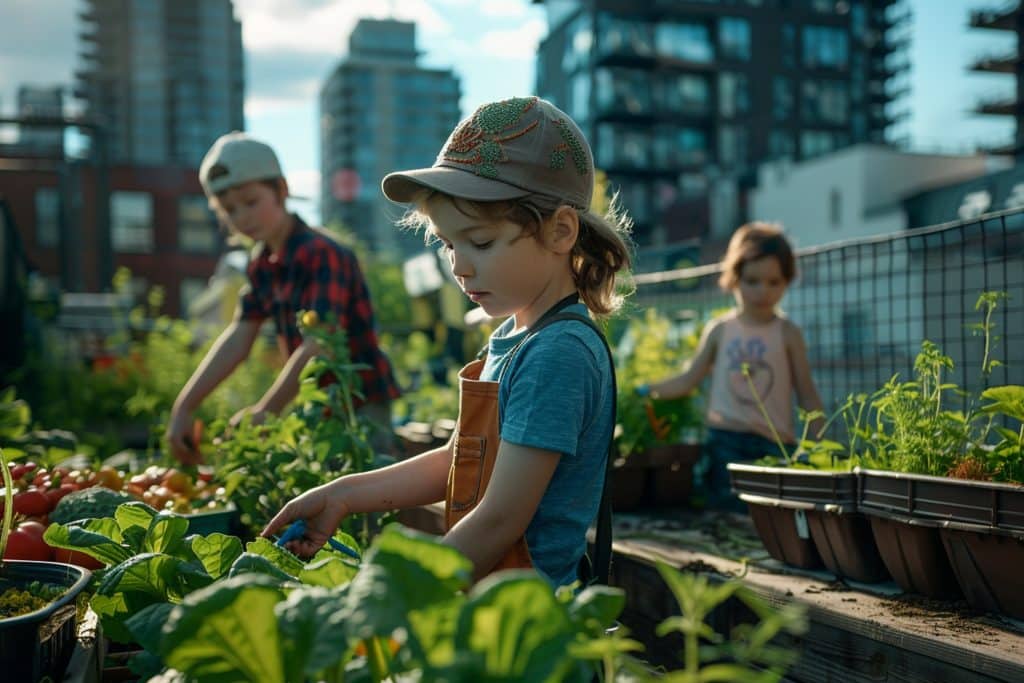
Beyond individual well-being and social connection, community gardens play a vital role in addressing broader societal issues, particularly food security and environmental education.
In many urban areas, access to fresh, affordable produce is limited, creating ‘food deserts’ where residents rely on convenience stores for their groceries. Community gardens offer a direct solution to this problem.
By providing space for residents to grow their own food, gardens reduce reliance on commercial food systems and make healthy eating more accessible.
Surplus produce can often be shared among gardeners, donated to food banks, or sold at local farmers’ markets, further enhancing food access within the community. This localized approach strengthens the entire food chain.
Cultivating Knowledge and Stewardship
Community gardens are living classrooms, offering invaluable educational opportunities for people of all ages. Children learn about where food comes from, the importance of healthy eating, and basic ecological principles.
Adults can gain practical gardening skills, learn about composting, pest management, and sustainable growing practices, fostering a deeper connection to the environment.
Food Access: Provide fresh, healthy produce in underserved areas.
Youth Education: Teach children about agriculture, nutrition, and environmental science.
Adult Skill-Building: Offer workshops on organic gardening, composting, and seed saving.
These gardens also serve as platforms for promoting environmental stewardship. Gardeners learn about water conservation, soil health, and biodiversity, becoming advocates for sustainable practices within their neighborhoods.
The collective effort of maintaining a green space instills a sense of shared responsibility for the environment, turning participants into active environmental citizens. This educational aspect is crucial for fostering future generations of conscious consumers and producers.
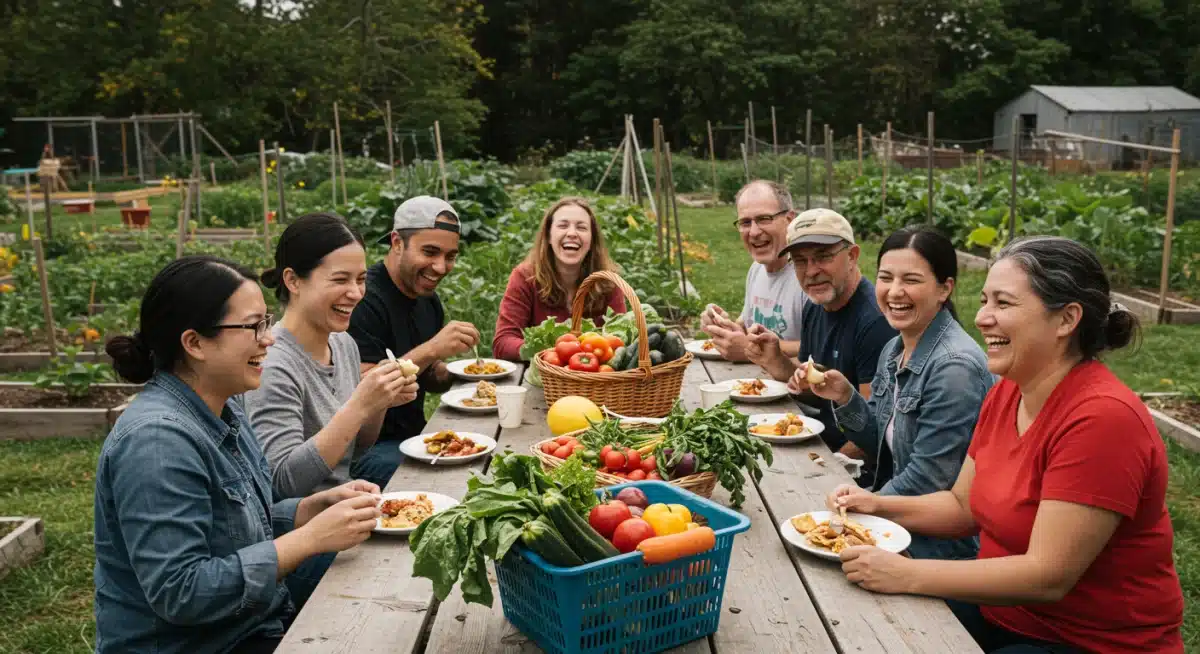
Future Outlook: Expanding the Green Footprint
The future of community gardens in the US looks promising, with increasing recognition of their multifaceted benefits by local governments, non-profits, and residents alike.
As urban populations continue to grow, the demand for green spaces and local food sources is expected to intensify, driving further expansion and innovation in the community garden movement. The potential for these spaces to transform urban landscapes is immense.
There’s a growing trend towards integrating community gardens into broader urban planning initiatives, such as mixed-use developments, parks, and public housing projects.
This integration ensures that gardens are not isolated entities but rather integral components of sustainable urban ecosystems. Policy support, including zoning changes and dedicated funding, will be crucial in facilitating this expansion.
Innovations and Adaptations
Technological advancements and creative approaches are also shaping the future of community gardening.
Hydroponics, aquaponics, and vertical gardening are making it possible to grow food in smaller, unconventional spaces, opening up new possibilities for urban food production. Smart irrigation systems and community-shared tool libraries are also enhancing efficiency and accessibility.
Policy Integration: Incorporate gardens into urban development plans and zoning.
Technological Adoption: Utilize hydroponics, vertical farming, and smart systems.
Expanded Partnerships: Collaborate with businesses, schools, and healthcare providers.
Furthermore, community gardens are increasingly becoming centers for intergenerational learning and cultural exchange.
They offer a space for elders to share traditional gardening knowledge with youth, and for diverse cultural groups to cultivate native plants and share culinary traditions. This rich tapestry of interaction reinforces the idea that these gardens are not just about food, but about fostering vibrant, inclusive communities.
The green footprint of these gardens is set to expand, cultivating not just plants, but also stronger social fabrics.
| Key Aspect | Brief Description |
|---|---|
| Food Security | Provides fresh, affordable produce in food deserts, enhancing local food access. |
| Community Building | Fosters social connections, shared purpose, and stronger neighborhood ties among diverse residents. |
| Health Benefits | Offers physical activity, stress reduction, and improved dietary quality through fresh produce. |
| Environmental Impact | Promotes sustainable practices like composting, water conservation, and urban greening. |
Frequently Asked Questions About Community Gardens
Joining a community garden offers numerous benefits, including access to fresh, organic produce, increased physical activity, stress reduction, and opportunities to connect with neighbors and build a stronger sense of community belonging.
You can find community gardens by searching online directories, contacting your local city or county parks department, or reaching out to local non-profit organizations focused on urban agriculture or environmental initiatives.
Common challenges include securing long-term land tenure, ensuring adequate water access, obtaining consistent funding for supplies, and maintaining active member engagement to sustain the garden’s operations and vibrancy.
No, most community gardens welcome gardeners of all experience levels. Many offer mentorship programs, workshops, and shared knowledge among members, making them great places for beginners to learn and grow their skills.
They contribute by providing accessible spaces for residents to grow their own food, reducing reliance on commercial supply chains, and often donating surplus produce to local food banks or distributing it within the community.
Conclusion
Community gardens in the US are far more than just plots of land for growing vegetables; they are vibrant social ecosystems that cultivate health, foster connection, and build resilient communities.
From enhancing food security and promoting environmental stewardship to offering therapeutic benefits and educational opportunities, their impact resonates deeply within neighborhoods across the nation.
As urban areas continue to evolve, these green spaces will undoubtedly play an increasingly crucial role in shaping a more sustainable, equitable, and connected future, one seed at a time. Embracing these communal efforts strengthens both individual well-being and the collective spirit of our cities.