US Water Conservation: 4 Simple Ways to Reduce Your Footprint
Are you curious about making a tangible difference in your daily environmental impact?
This article will guide you through Understanding US Water Conservation Efforts: 4 Simple Ways to Reduce Your Water Footprint, offering practical insights and actionable strategies that anyone can implement to save water and contribute to a more sustainable future.
The critical need for water conservation in the United States
Water, an essential resource for all life, faces unprecedented challenges across the United States. From persistent droughts in the West to aging infrastructure in the East, the pressures on our freshwater supplies are mounting.
Understanding the gravity of this situation is the first step toward fostering a culture of conservation.
The U.S. Geological Survey highlights that the average American uses about 80-100 gallons of water per day at home.
This figure, while seemingly manageable, accumulates rapidly across millions of households, placing immense strain on local and regional water systems. Beyond personal use, agriculture and industry are significant consumers, making a holistic approach to water management absolutely vital.
The impact of climate change on water resources
Climate change is exacerbating existing water challenges, leading to more frequent and intense droughts, altered precipitation patterns, and reduced snowpack in critical regions.
These shifts directly threaten water availability for drinking, farming, and ecosystems. Addressing these climate-induced impacts requires not just reactive measures but proactive conservation strategies at every level.
Increased drought frequency: Many states are experiencing longer and more severe droughts, depleting reservoirs and groundwater.
Altered precipitation: Rainfall patterns are becoming less predictable, leading to flash floods in some areas and prolonged dry spells in others.
Reduced snowpack: Mountain snowpack, a natural reservoir, is diminishing, affecting downstream water supplies for millions.
Moreover, population growth continues to place additional demands on finite water resources. As urban areas expand, so does the need for water, pushing existing infrastructure to its limits and necessitating innovative solutions for supply and demand management.
Conservation is no longer just an environmental ideal; it’s an economic and social imperative for community resilience.
Recognizing these challenges underscores why individual and collective water conservation efforts are paramount.
Every drop saved contributes to mitigating these widespread issues, ensuring a more secure water future for generations to come. It’s about more than just saving money; it’s about safeguarding a fundamental resource.
Simple strategy 1: optimize indoor water usage
Our homes are often where the most significant daily water consumption occurs, largely through activities like showering, flushing toilets, and running dishwashers.
Fortunately, optimizing indoor water usage doesn’t require drastic lifestyle changes; rather, it involves adopting smarter habits and making a few strategic upgrades.
Even small adjustments can lead to substantial savings over time. For instance, fixing a leaky faucet can save hundreds of gallons per year, while upgrading to more efficient appliances can reduce consumption dramatically.
These changes not only benefit the environment but can also lead to noticeable reductions in utility bills.
Low-flow fixtures and appliances
One of the most effective ways to reduce indoor water use is by installing low-flow fixtures. These products are designed to deliver water efficiently without sacrificing performance. The initial investment is usually offset by long-term savings.
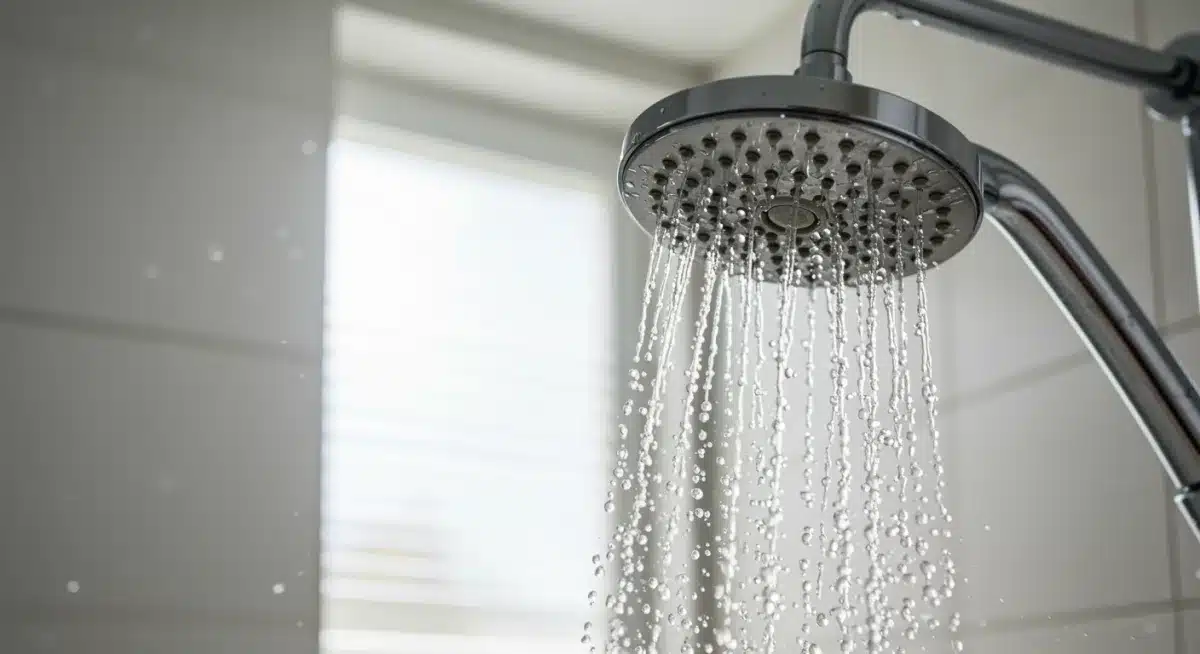
Low-flow showerheads: Reduce water use by 50% or more compared to older models while still providing a satisfying shower experience.
High-efficiency toilets: Modern toilets use significantly less water per flush, often around 1.28 gallons compared to 3.5-5 gallons for older models.
WaterSense labeled products: Look for the EPA’s WaterSense label on fixtures and appliances, indicating they meet strict efficiency criteria.
Beyond fixtures, consider the efficiency of your major appliances. Energy Star certified dishwashers and washing machines are designed to use less water and energy, providing dual benefits. Running these appliances only when full also maximizes their efficiency, preventing wasted water on partial loads.
Another area often overlooked is daily habits. Turning off the faucet while brushing teeth or shaving, taking shorter showers, and only running the garbage disposal when absolutely necessary can collectively save a remarkable amount of water. These small, conscious actions form the bedrock of effective indoor water conservation.
By combining efficient technology with mindful habits, we can significantly reduce our indoor water footprint. These actions demonstrate how practical environmental stewardship can be integrated seamlessly into daily life, making a real impact on overall water consumption.
Simple strategy 2: rethink outdoor landscaping and gardening
Outdoor water use, particularly for landscaping and gardening, can account for a substantial portion of a household’s total consumption, especially in drier climates.
Traditional lawns and thirsty plants often demand continuous irrigation, leading to considerable water waste. Rethinking our approach to outdoor spaces offers immense potential for conservation.
Embracing water-wise landscaping, also known as xeriscaping, is a powerful way to create beautiful, functional outdoor areas that thrive on minimal irrigation.
This approach focuses on selecting drought-tolerant plants, improving soil health, and designing efficient watering systems.
Embracing xeriscaping and native plants
Xeriscaping involves seven key principles, all aimed at reducing the need for supplemental water. These principles can be adapted to any climate and aesthetic preference, proving that water-efficient landscapes can be just as vibrant and inviting as traditional ones.
Plan and design: Create a thoughtful landscape plan that considers plant needs, sun exposure, and water zones.
Improve soil: Amend soil with organic matter to improve its water retention capacity.
Select appropriate plants: Choose native and drought-tolerant species that are well-suited to your local climate.
Efficient irrigation: Install drip irrigation or micro-sprays to deliver water directly to plant roots, minimizing evaporation.
Use mulch: Apply a layer of organic mulch to retain soil moisture, suppress weeds, and regulate soil temperature.
Limit turf areas: Reduce the size of conventional lawns, which are often the thirstiest part of a landscape.
Maintain the landscape: Regular maintenance, like weeding and pruning, ensures plants remain healthy and water-efficient.
Native plants are particularly beneficial as they have evolved to thrive in local conditions, requiring less water, fertilizer, and pest control. They also support local ecosystems by providing habitat and food for native wildlife, promoting biodiversity in your own backyard.
Consider replacing thirsty grass with groundcovers, permeable paving, or decorative gravel in areas that don’t see heavy foot traffic.
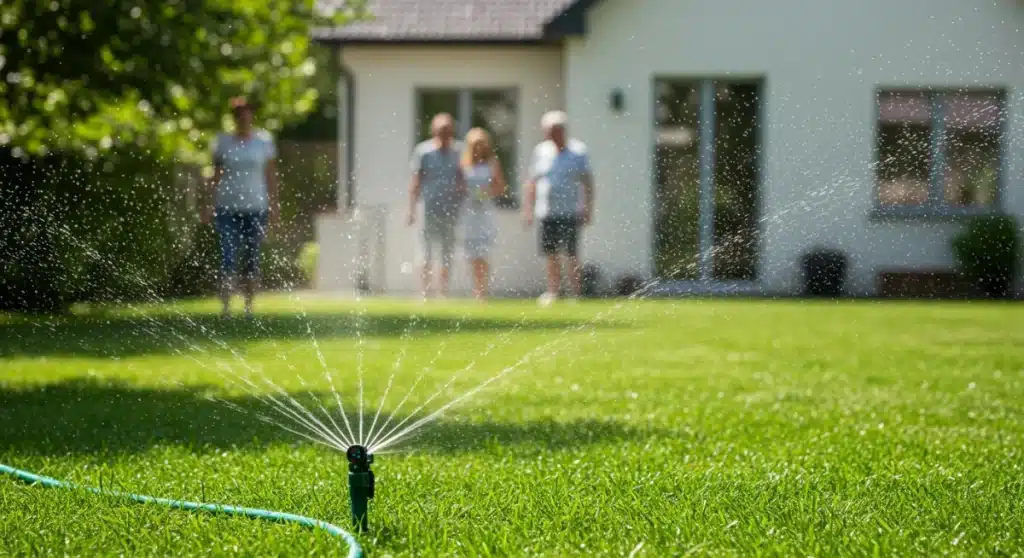
For any lawn areas you keep, ensure your sprinkler system is properly calibrated and free of leaks. Watering in the early morning or late evening minimizes evaporation, allowing more water to reach plant roots.
By thoughtfully designing and maintaining our outdoor spaces, we can transform them into showcases of sustainability.
Rethinking landscaping is not about sacrificing beauty, but about achieving it in a way that respects and conserves our precious water resources. This strategic shift in outdoor aesthetics contributes significantly to broader environmental goals.
Simple strategy 3: practice rainwater harvesting and greywater recycling
Beyond reducing direct consumption, innovative strategies like rainwater harvesting and greywater recycling offer significant opportunities to augment our water supply and reduce reliance on municipal systems.
These methods capture and reuse water that would otherwise be wasted, providing sustainable alternatives for non-potable uses.
While these practices might seem advanced, many residential systems are straightforward to implement and can provide substantial benefits over time. They represent a proactive approach to water management, turning waste into a valuable resource right at home.
Rainwater harvesting systems
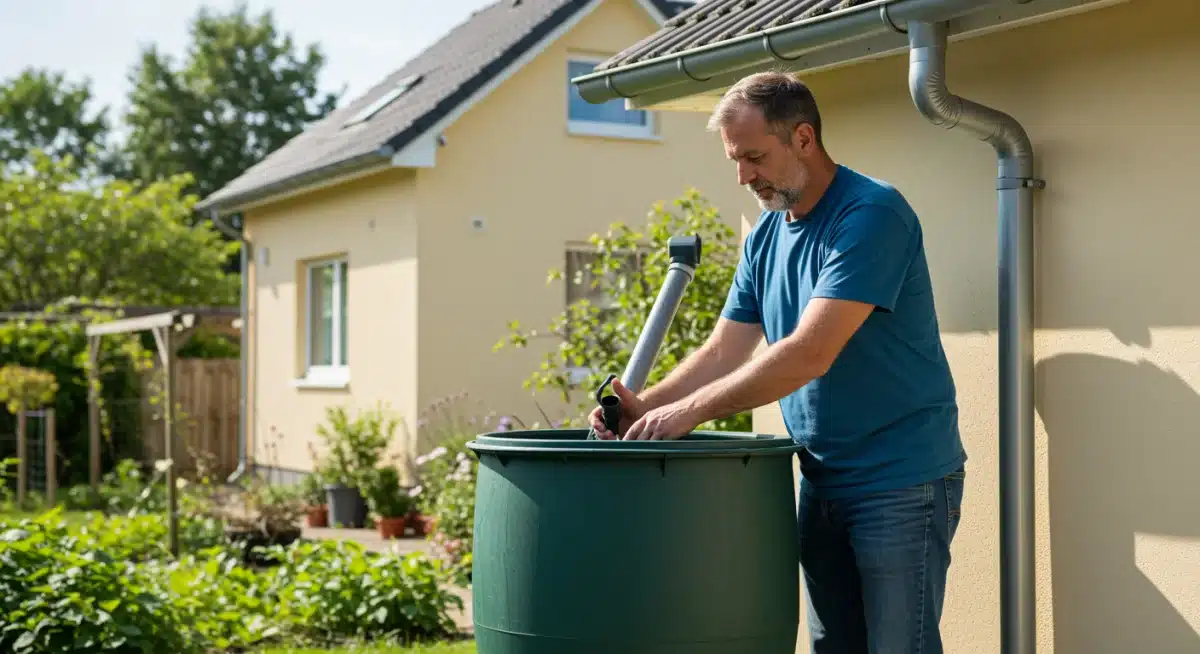
Rainwater harvesting involves collecting and storing rainwater from rooftops or other impervious surfaces for later use. This collected water can be used for irrigation, toilet flushing, and even laundry, significantly reducing the demand on potable water supplies.
Simple rain barrels: Easy to install and ideal for small-scale garden irrigation.
Larger cisterns: Can store hundreds or thousands of gallons for more extensive outdoor or indoor non-potable uses.
Filtration systems: For advanced uses, filters can purify rainwater, though it’s typically not recommended for drinking without extensive treatment.
Utilizing rainwater reduces stormwater runoff, which can carry pollutants into local waterways. It also lessens the energy required for municipal water treatment and distribution, offering environmental benefits beyond just water savings.
Check local regulations, as some areas have specific guidelines or incentives for rainwater harvesting.
Greywater recycling for residential use
Greywater is water from sinks (excluding kitchen sinks), showers, bathtubs, and washing machines. Unlike blackwater (from toilets), greywater contains fewer pathogens and can be safely reused for certain applications after minimal treatment.
A common greywater system diverts water from showers and washing machines directly to irrigate landscapes.
This can be as simple as a hose from a washing machine to a garden bed or a more integrated system with a holding tank and distribution network. Using greywater for irrigation can reduce your outdoor water consumption by a significant margin.
Again, local regulations are crucial here, as greywater systems must comply with health and safety standards.
However, many states and municipalities are increasingly supportive of greywater reuse, recognizing its potential for water conservation. It’s a powerful way to close the loop on household water use, transforming what was once waste into a valuable resource.
By incorporating rainwater harvesting and greywater recycling, homeowners can take a significant step towards greater water independence and reduce their environmental footprint.
These strategies not only conserve water but also foster a deeper connection to the water cycle and promote sustainable living practices.
Simple strategy 4: engage in community and policy advocacy
While individual actions are crucial, lasting and widespread change often requires collective effort and systemic shifts.
Engaging in community and policy advocacy for water conservation amplifies individual voices, pushing for broader adoption of sustainable practices and stronger protective measures for our water resources.
This engagement can take many forms, from supporting local conservation initiatives to advocating for state and federal policies that prioritize water efficiency and resource protection. Becoming an informed and active participant in these discussions is vital for securing a water-resilient future.
Supporting local water initiatives
Many communities across the U.S. have local organizations dedicated to water conservation, watershed protection, and environmental education. These groups often rely on volunteer support and community involvement to achieve their goals.
Volunteer with watershed councils: Participate in cleanup efforts, restoration projects, or water quality monitoring.
Attend public meetings: Stay informed about local water management plans, proposed developments, and conservation policies.
Support educational programs: Help spread awareness about the importance of water conservation in schools and neighborhoods.
By engaging with these local initiatives, you contribute directly to the health of your local water bodies and help build a stronger community ethic around water stewardship. These grassroots efforts often lay the groundwork for broader policy changes and public acceptance of conservation measures.
Advocating for effective water policies
Policy advocacy involves communicating with elected officials and decision-makers to influence water-related legislation and regulations. This can include advocating for stricter limits on industrial pollution, incentives for water-efficient technologies, or funding for infrastructure upgrades.
Understanding the policies that govern water use in your state and at the federal level empowers you to speak effectively on these issues. Joining advocacy groups or signing petitions can provide a collective voice that is more impactful than individual efforts alone. Educating others about important water policies also contributes to a more informed public discourse.
For example, advocating for policies that promote smart growth and limit urban sprawl can indirectly help conserve water by reducing the need for extensive new water infrastructure. Similarly, supporting legislation that funds research into innovative water treatment and reuse technologies can have long-term benefits.
Ultimately, a sustainable water future depends on a combination of individual responsibility and collective action. By participating in community efforts and advocating for sound policies, we can ensure that water conservation remains a top priority and that our water resources are managed wisely for current and future generations.
Understanding the long-term benefits of water conservation
The immediate benefits of water conservation, such as lower utility bills and a reduced environmental footprint, are often the primary motivators for individuals. However, the long-term advantages extend far beyond personal savings, impacting entire ecosystems, economies, and public health.
By consistently practicing water conservation, we contribute to a more resilient and sustainable society, capable of weathering future environmental and economic challenges. These far-reaching benefits underscore the profound importance of every conservation effort, no matter how small.
Environmental and ecological impacts
Conserving water directly benefits the environment by preserving natural habitats and maintaining healthy ecosystems. Reduced demand on freshwater sources means more water remains in rivers, lakes, and wetlands, supporting aquatic life and biodiversity.
Habitat preservation: Less water diversion helps maintain natural flows, crucial for fish, amphibians, and other aquatic species.
Reduced energy consumption: Pumping, treating, and heating water are energy-intensive processes. Less water use means less energy consumption and fewer greenhouse gas emissions.
Mitigation of drought impacts: Greater water reserves mean communities are better prepared to cope with periods of drought, protecting both natural systems and human populations.
Furthermore, reduced water runoff from homes and landscapes means fewer pollutants entering waterways, improving overall water quality. This has a cascading effect, benefiting everything from drinking water sources to recreational areas.
Economic and social advantages
Economically, water conservation reduces the need for costly new water infrastructure projects, saving taxpayer money. It also supports agricultural resilience, ensuring stable food production even in times of water scarcity. For businesses, efficient water use can lead to significant operational savings and enhance their public image.
Socially, a secure water supply contributes to public health and community stability. Adequate water resources are essential for hygiene, sanitation, and preventing waterborne diseases. Communities that prioritize conservation often foster a stronger sense of environmental stewardship and collective responsibility.
Moreover, embracing water conservation often spurs innovation in water-efficient technologies and practices, creating new industries and job opportunities. It encourages creative solutions to resource management, positioning communities at the forefront of sustainable development.
In essence, the long-term benefits of water conservation create a positive feedback loop: healthier environments lead to stronger economies, which in turn support more resilient communities. This holistic approach ensures that our actions today secure a more prosperous and sustainable future for all.
Integrating water conservation into daily life
The journey towards a lower water footprint is not about grand, one-time gestures, but about consistency and integrating conservation into the fabric of daily life. It’s about making conscious choices, big and small, that collectively contribute to a more sustainable relationship with this vital resource.
From the moment we wake up until we go to bed, there are countless opportunities to save water. These habits, once ingrained, become second nature, transforming our homes and communities into exemplars of efficiency and environmental responsibility.
Mindful habits at home
Starting with simple changes in routines can yield significant results. Every time you turn on a faucet or flush a toilet, consider the water being used and if there’s a more efficient way.
Check for leaks regularly: A silent leak can waste thousands of gallons annually. Inspect toilets, faucets, and outdoor spigots.
Full loads for appliances: Only run your dishwasher and washing machine when they are completely full to maximize water efficiency.
Defrost food in the refrigerator: Avoid using running water to thaw frozen foods; plan ahead by moving them to the fridge.
Teach children about the importance of water conservation from a young age. Simple lessons, like turning off the water while soaping hands or taking shorter baths, can instill lifelong habits that benefit everyone. Making conservation a family effort reinforces its value.
Continuous learning and adaptation
Water conservation is an evolving field, with new technologies and best practices emerging regularly. Staying informed and being open to adapting your strategies is key to maximizing your impact.
Subscribe to newsletters from local water utilities or environmental organizations. These often provide valuable tips, information on rebates for water-efficient appliances, and updates on local water conditions. Engaging with these resources helps you stay current and informed.
Consider conducting a home water audit, either professionally or using online tools. This can help identify areas where your household uses the most water and pinpoint specific opportunities for improvement. Knowledge is power when it comes to effective conservation.
Ultimately, integrating water conservation into daily life is about cultivating a mindset of stewardship.
It’s recognizing that water is a shared resource and that our individual actions have a collective impact. By embracing these simple strategies, we not only reduce our own water footprint but also contribute to a broader culture of respect and responsibility for water.
| Key Conservation Strategy | Brief Description |
|---|---|
| Optimize Indoor Usage | Install low-flow fixtures and appliances, fix leaks, and adopt water-saving habits. |
| Rethink Outdoor Landscaping | Implement xeriscaping, use native plants, and employ efficient irrigation methods. |
| Harvest & Recycle Water | Collect rainwater and reuse greywater for non-potable purposes like irrigation. |
| Engage in Advocacy | Support local initiatives and advocate for policies that promote water conservation. |
Frequently asked questions about water conservation
Water conservation is crucial in the US due to increasing droughts, climate change impacts, population growth, and aging infrastructure. It ensures sustainable water supplies for drinking, agriculture, and industry, protecting ecosystems and reducing the energy needed for water treatment and delivery.
Simple indoor water-saving tips include installing low-flow showerheads and toilets, fixing leaky faucets promptly, taking shorter showers, and running dishwashers and washing machines only when full. Turning off the tap while brushing teeth or shaving also makes a big difference.
For outdoor savings, consider xeriscaping with drought-tolerant and native plants, using mulch to retain soil moisture, and installing drip irrigation. Water your plants early in the morning or late in the evening to minimize evaporation and avoid overwatering.
Greywater recycling reuses water from showers, bathtubs, and washing machines for non-potable uses like landscaping. Simple systems can be installed at home, but it’s essential to check local regulations and guidelines to ensure safe and compliant implementation.
Community involvement strengthens water conservation by supporting local initiatives, volunteering for watershed protection, and advocating for effective water policies. Collective action amplifies impact, fosters public awareness, and drives systemic changes for sustainable water management.
Conclusion
Understanding US Water Conservation Efforts: 4 Simple Ways to Reduce Your Water Footprint is more than just a guide; it’s an invitation to participate actively in securing a vital resource for the future.
By embracing optimized indoor usage, thoughtful outdoor landscaping, innovative water harvesting, and active community engagement, each of us holds the power to make a significant difference.
These actions, combined with a collective commitment, pave the way for a more sustainable and water-resilient United States, ensuring that future generations can also thrive.