US School Calendar 2026: Parent Guide to Key Changes
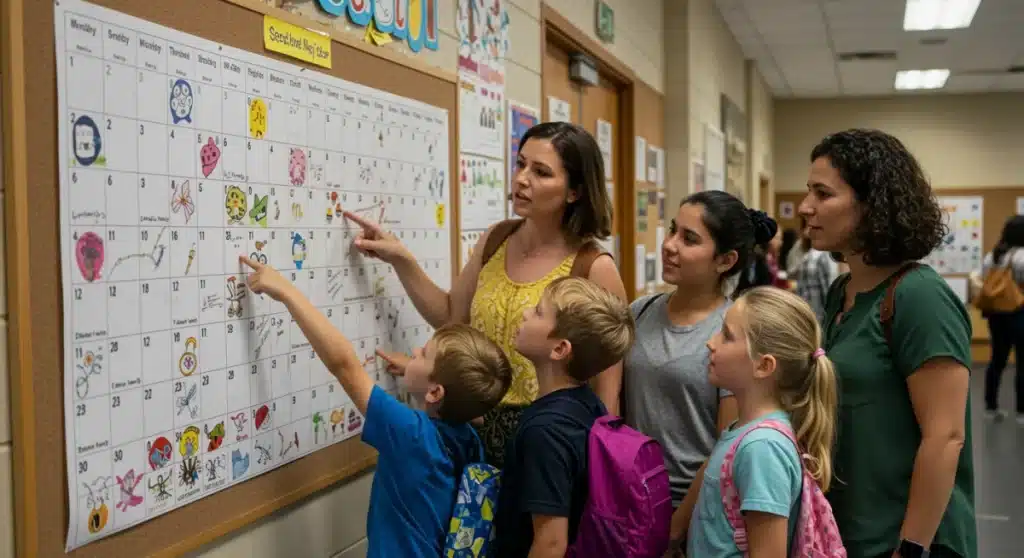
Decoding US School Calendar Changes: What Parents Need to Know for the 2026 Academic Year is crucial for families navigating the evolving educational landscape.
As we approach 2026, various shifts in academic scheduling, policy updates, and pedagogical approaches are on the horizon. This article will provide a comprehensive guide, ensuring you are well-equipped to support your child’s educational journey.
Understanding the Shifting Landscape of US School Calendars
The rhythm of the academic year is fundamental to family life, and any alterations to the US school calendar can have significant ripple effects.
For the 2026 academic year, parents should expect potential variations influenced by state-level mandates, local district decisions, and emerging educational philosophies.
These changes are not arbitrary; they often stem from a desire to optimize learning outcomes, address societal needs, or respond to logistical challenges.
Understanding the underlying reasons for these shifts can help parents contextualize and adapt. Whether it’s a move towards a year-round schedule, changes in holiday breaks, or adjustments to the school day length, each modification aims to serve a specific educational or operational purpose.
Being informed about these potential shifts allows parents to plan ahead, mitigating disruptions and maximizing opportunities for their children.
Key Influences on Calendar Modifications
Several factors contribute to how school calendars are shaped. These can range from legislative actions to community feedback, all playing a role in the final academic schedule. Recognizing these influences provides a clearer picture of why certain changes are implemented.
State Legislative Mandates: Many states dictate minimum instructional days or hours, holiday observances, and standardized testing windows, which directly impact calendar design.
District-Level Autonomy: While states set broad guidelines, individual school districts often have considerable flexibility in setting their specific schedules, including start and end dates, professional development days, and local holidays.
Educational Research and Best Practices: Studies on student engagement, teacher burnout, and summer learning loss can inspire districts to experiment with different calendar models, such as balanced calendars.
Community Feedback: Parent surveys, teacher input, and community discussions frequently inform calendar decisions, balancing educational goals with family and community needs.
Ultimately, the landscape of US school calendars for 2026 will be a mosaic of these influences. Parents are encouraged to stay connected with their local school districts, as they are the primary source for specific and localized calendar information.
Proactive engagement ensures families are not caught off guard by any upcoming changes.
Anticipated Policy Changes Affecting 2026 Schedules
Beyond simple date adjustments, the 2026 academic year might introduce significant policy changes that fundamentally alter how schools operate and how students experience their education.
These policies often target areas like attendance, curriculum delivery, and student support services, all of which directly or indirectly influence the school calendar.
For instance, some districts may be exploring new approaches to professional development, requiring more dedicated days for teacher training.
Others might implement revised attendance policies that affect excused absences or truancy interventions. Parents should be vigilant for announcements regarding these broader policy shifts, as they often come with new expectations for families.
Potential Policy Shifts to Monitor
Keeping an eye on these potential policy adjustments is crucial for parents to understand the full scope of changes for 2026. These are not merely administrative details; they can impact everything from vacation planning to academic support.
Attendance Policies: Expect potential revisions to how absences are recorded and what constitutes an excused absence, possibly impacting family travel or medical appointments.
Curriculum Mandates: New state or federal curriculum requirements could necessitate extended instructional periods or specialized training days for educators.
Professional Development Days: An increase in teacher professional development days could lead to more non-instructional days for students, affecting childcare arrangements.
Mental Health Support: Growing awareness of student mental health may lead to designated mental health days or integrated wellness programs, influencing school scheduling.
These policy changes, while sometimes complex, are typically aimed at improving the educational environment for all students.
By staying informed and understanding the rationale behind them, parents can better navigate the evolving expectations and advocate effectively for their children within the new framework.
Regional Variations in Calendar Implementation
The United States is a vast country, and educational governance is largely decentralized, meaning that school calendar changes in 2026 will not be uniform.
What happens in one state or even one county might be entirely different from another. This regional variation is a fundamental aspect of the American education system and requires parents to focus on local information.
For example, states in the Northeast might adopt different holiday schedules compared to those in the South or West, often due to historical traditions, weather patterns, or local economic drivers.
Similarly, urban districts might face different scheduling pressures than rural ones, influencing everything from bell times to the duration of academic breaks. Understanding this localized approach is key to accurate preparation.
Geographic Influences on School Schedules
The diverse geography and demographics of the US play a significant role in shaping school calendars. These regional differences are not just about dates; they reflect a broader adaptation to local contexts and needs.
Weather Patterns: Areas prone to severe winters might build in more snow days or adjust spring breaks to align with predictable weather events.
Agricultural Schedules: In some rural areas, calendars might still reflect traditional agricultural cycles, with longer breaks during planting or harvesting seasons.
Local Economic Drivers: Tourist-heavy regions might align school breaks with tourism seasons to allow families to participate in local industries.
State-Specific Holidays: Beyond federal holidays, many states observe unique holidays that will be reflected in their local school calendars.
Given these regional nuances, parents need to prioritize information from their specific school district and state education department.
General national trends are helpful for context, but the definitive details for the 2026 academic year will always come from local sources. This localized approach ensures that calendars are responsive to the unique conditions of each community.
Impact of Technology on Scheduling and Communication
As we look towards the 2026 academic year, technology continues to play an increasingly pivotal role in how school calendars are managed, communicated, and even how learning occurs.
Digital platforms, mobile apps, and online portals are becoming the primary tools for districts to disseminate information about schedules, events, and important updates. This technological integration offers both convenience and new considerations for parents.
Beyond mere communication, technology can also influence the structure of the school day itself.
Hybrid learning models, virtual snow days, or asynchronous learning opportunities are all facilitated by technological advancements, potentially leading to more flexible or adaptive schedules than traditionally seen.
Parents should familiarize themselves with the digital tools their schools use.
Navigating Digital Calendar Tools
The shift to digital means that parents need to be proficient in using the tools provided by their schools. This often involves more than just checking an email; it means actively engaging with specific platforms.
District Portals: Many districts use centralized online portals for all school-related information, including official calendars, announcements, and student grades.
Mobile Applications: Dedicated school apps can provide real-time notifications for schedule changes, school closures, or event reminders, making it easier for parents to stay updated on the go.
Integrated Calendars: Schools often provide digital calendars that can be synced with personal calendars (e.g., Google Calendar, Outlook), allowing for seamless integration into family planning.
Virtual Learning Platforms: In cases of unforeseen closures or flexible learning days, schools may leverage learning management systems (LMS) like Canvas or Google Classroom to continue instruction remotely.
The adoption of these technological tools means that parents who are digitally connected will have immediate access to the most current information regarding the 2026 school calendar.
For those without consistent digital access, it becomes even more important for schools to provide alternative communication methods to ensure equitable access to critical updates.

Preparing Your Family for Calendar Adjustments
Proactive preparation is paramount for parents to effectively manage any changes to the US school calendar for 2026.
Waiting until the last minute can lead to unnecessary stress and logistical challenges. Early engagement with school communications, discussions within the family, and flexible planning are key strategies for a smooth transition.
This preparation extends beyond just marking dates on a calendar; it involves considering how changes might impact childcare, work schedules, family vacations, and extracurricular activities.
By taking a thoughtful and organized approach, parents can turn potential disruptions into manageable adjustments, ensuring their children remain supported and engaged in their education.
Practical Steps for Parental Preparedness
To ensure your family is well-prepared, consider implementing these practical steps. They are designed to help you stay informed and make necessary arrangements in advance.
Subscribe to School Communications: Sign up for all district newsletters, email alerts, and text message services to receive timely updates on calendar changes.
Review District Websites Regularly: Periodically check your school district’s official website for published calendars and policy documents related to the 2026 academic year.
Engage with Parent-Teacher Organizations (PTO/PTA): These groups often have early insights into potential changes and can be valuable forums for discussion and information sharing.
Discuss with Your Children: Talk to your children about upcoming changes, explaining how their school routine might be affected, which can help alleviate anxiety.
Plan Childcare and Work Schedules: Anticipate how altered school days or breaks might affect your childcare needs and work commitments, making arrangements as early as possible.
Consider Flexibility: Build some flexibility into your family’s routine and vacation plans, recognizing that school calendars can sometimes be subject to last-minute adjustments.
By adopting these preparatory measures, parents can approach the 2026 academic year with confidence, ready to adapt to any calendar adjustments that come their way. Informed parents are better equipped to advocate for their children and ensure their educational success.
Advocacy and Engagement in Calendar Decisions

Parents are not merely passive recipients of school calendar decisions; they are vital stakeholders whose voices can significantly influence policy and scheduling.
Active engagement and informed advocacy can help shape the US school calendar 2026 to better meet the needs of students and families.
Understanding the channels for providing feedback and participating in discussions is crucial for making your perspective heard.
Many school districts hold public meetings, conduct surveys, or establish committees specifically to gather input on calendar development.
Participating in these forums allows parents to share their experiences, raise concerns, and offer constructive suggestions. Collective parental advocacy can lead to more balanced and family-friendly calendar outcomes, reflecting the diverse needs of the community.
Effective Ways to Engage and Advocate
To be an effective advocate, it’s important to know how and where to direct your efforts. Here are several avenues for parental engagement in calendar decisions:
Attend School Board Meetings: Public school board meetings are often where calendar proposals are discussed and voted upon. Attending gives you a chance to speak during public comment sessions.
Participate in Surveys: Many districts distribute surveys to gauge parental preferences for calendar structures, holiday breaks, and school start/end times.
Join Advisory Committees: Some districts form ad-hoc committees composed of parents, teachers, and community members to provide input on specific issues, including calendar planning.
Communicate with School Administrators: Direct, respectful communication with principals or district administrators can be effective in conveying concerns and suggestions.
Connect with Parent Organizations: PTOs and PTAs often serve as a collective voice for parents and can help amplify individual concerns to district leadership.
By actively engaging in these democratic processes, parents can play a meaningful role in shaping the educational experience for their children and the wider community.
Your informed input is invaluable in ensuring that the 2026 school calendar reflects a balance between educational objectives and family well-being.
| Key Point | Brief Description |
|---|---|
| Regional Variations | Calendar changes will differ by state and district due to local policies and needs. |
| Policy Shifts | New rules on attendance, curriculum, and professional development may affect schedules. |
| Technology’s Role | Digital tools will be primary for communication and may enable flexible learning models. |
| Parental Preparedness | Proactive engagement with school communications and flexible planning are crucial. |
Frequently Asked Questions About 2026 School Calendar Changes
As districts across the country evaluate scheduling models, instructional requirements, and student well-being research, many families are wondering how the 2026 US school calendar may affect their household routines. Below is an expanded parent guide to help you stay informed and proactive.
How Will I Know If My Local School Calendar Is Changing for 2026?
Your local school district is always the most reliable source of information. In the United States, public school calendars are typically determined at the district level, not nationally, meaning timelines can vary even between neighboring towns.
To stay informed:
Regularly check your district’s official website
Subscribe to email newsletters and text alerts
Monitor school communication apps (ParentSquare, Remind, etc.)
Follow district social media pages
Attend public school board meetings
Most districts finalize calendars 6–12 months in advance. If you haven’t seen updates yet, they’re likely under review.
Parents should pay special attention to proposed changes involving:
Start and end dates
Winter and spring break timing
Professional development (PD) days
Early release schedules
Early awareness helps families plan vacations, childcare, and work schedules with minimal disruption.
Are Year-Round School Calendars Becoming More Common in the US?
Year-round schooling is a growing conversation topic, but it is far from universal.
Some districts are exploring alternative calendars that redistribute long summer breaks into shorter, more frequent breaks throughout the year. Advocates argue that this model:
Reduces summer learning loss
Provides more consistent academic pacing
Offers flexible family scheduling options
However, implementation depends heavily on district funding, facility capacity, and community feedback.
As of 2026, year-round schooling remains a regional trend rather than a nationwide shift. Parents should monitor local discussions rather than assume automatic adoption.
What Impact Could New State Policies Have on the 2026 Calendar?
State education departments play a significant role in shaping district calendars. For example, policies influenced by agencies like the U.S. Department of Education and individual state boards may affect:
Minimum required instructional days
Mandated instructional hours
Recognized state holidays
Teacher training requirements
Emergency weather day policies
If a state increases required instructional time, districts may extend the school year or shorten breaks. Conversely, new state-recognized holidays could shift scheduling.
Legislative changes often happen months before implementation, so it’s wise to stay alert to state-level announcements — especially if you’ve heard discussions about education reform in your area.
How Can Parents Advocate for Their Preferences Regarding the School Calendar?
Parental involvement plays a meaningful role in school calendar decisions. Most districts invite community feedback before final approval.
Ways to advocate include:
Attending school board meetings
Participating in district surveys
Communicating directly with principals or administrators
Joining Parent-Teacher Associations (PTAs)
Collaborating with other families to present unified feedback
When offering input, it helps to focus on:
Childcare challenges
Family work schedules
Transportation concerns
Religious or cultural observances
Academic workload balance
Constructive, well-organized input tends to carry more influence than isolated complaints.
Will School Start and End Times Also Change in 2026?
Adjustments to daily start and dismissal times are possible and increasingly discussed.
Research on adolescent sleep cycles has influenced many districts to consider later start times for middle and high school students. Transportation efficiency, bus driver shortages, and extracurricular logistics may also factor into scheduling changes.
These decisions are typically made at the district level and often follow months of review, community surveys, and pilot programs.
If changes are proposed, districts generally announce them well in advance to allow families to:
Adjust childcare arrangements
Modify work schedules
Reorganize transportation plans
School calendar adjustments can feel disruptive — but they’re often designed to improve academic outcomes, student well-being, or operational efficiency.
The most prepared families:
Monitor district announcements early
Plan vacations around confirmed dates
Stay flexible during transition periods
Participate in feedback opportunities
Being proactive rather than reactive makes a major difference. With careful planning and clear communication, 2026 school calendar changes can be navigated smoothly — keeping your family organized and stress levels low throughout the school year.
Conclusion
Navigating the potential shifts in the US school calendar 2026 requires proactive engagement and a clear understanding of the diverse factors at play.
From state-level mandates to local district autonomy, and the increasing role of technology, the academic year’s structure is a dynamic entity.
By staying informed through official channels, preparing your family for possible adjustments, and actively participating in community dialogue, parents can ensure a smooth transition into the new academic year.
Your vigilance and involvement are key to supporting your child’s educational success and adapting effectively to any changes that emerge.