US Infrastructure Projects: Your 2027 Commute Impact
Ever wondered how your daily drive or train ride will change in just a few years? The landscape of American travel is on the cusp of a major transformation, with significant investments in US infrastructure projects set to redefine how you move by 2027. From smoother highways to faster public transit, these developments aim to alleviate congestion and enhance efficiency across the nation.
The Bipartisan Infrastructure Law: A Game Changer
The Bipartisan Infrastructure Law (BIL), signed in 2021, represents a monumental commitment to revitalizing America’s foundational systems. This legislation allocates billions of dollars towards a wide array of projects, from repairing crumbling bridges and roads to expanding broadband internet access and modernizing public transportation.
It’s an ambitious undertaking designed to address decades of underinvestment and prepare the nation for future economic growth and environmental challenges.
The law’s scope is incredibly broad, touching nearly every aspect of daily life. For commuters, this means a direct impact on their travel patterns and experiences.
The goal isn’t just to fix what’s broken, but to build smarter, more resilient infrastructure that can adapt to changing needs and technologies. This proactive approach aims to solve current bottlenecks while anticipating future demands, ensuring that the benefits extend far beyond the immediate construction phase.
Key Funding Allocations and Priorities
The BIL earmarks substantial funds for specific areas, reflecting national priorities. Understanding where these dollars are going helps to predict the most significant changes. The focus is on creating a more interconnected and efficient transportation network.
Roads and Bridges: The largest share of funding is dedicated to repairing and rebuilding highways, roads, and bridges, aiming to improve safety and reduce wear and tear on vehicles.
Public Transit: Significant investments are flowing into modernizing and expanding bus, subway, and rail systems, making public transportation a more viable option for many.
Passenger and Freight Rail: Funds are allocated to upgrade rail infrastructure, enhance safety, and support the expansion of Amtrak and freight rail lines, impacting both passenger and goods movement.
Broadband Internet: Expanding high-speed internet access is a crucial component, recognizing its role in remote work and smart city initiatives that can influence commuting patterns.
The ripple effect of these allocations will be felt in various ways, from reduced travel times to enhanced safety. By targeting multiple sectors simultaneously, the BIL seeks to create a synergistic effect, where improvements in one area complement advancements in another, leading to a more robust overall system. This comprehensive strategy is what makes the current wave of infrastructure development particularly impactful.
Roads and Highways: Smoother, Safer, Smarter
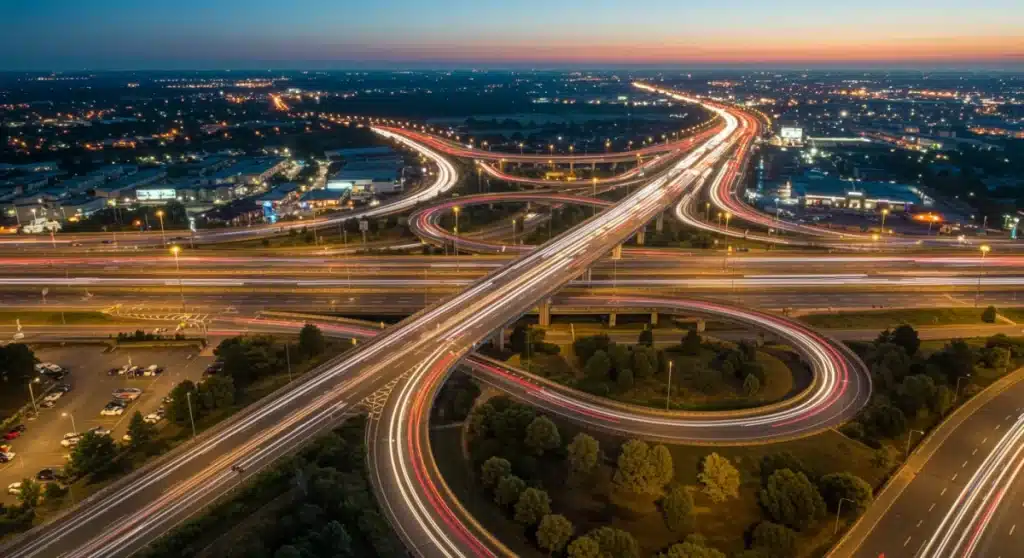
For the vast majority of Americans, the daily commute involves driving, making road and highway improvements paramount. The BIL promises a significant upgrade to this critical network, aiming to reduce congestion, enhance safety, and integrate new technologies. By 2027, many commuters can expect to see tangible differences in their driving experiences.
Projects include everything from resurfacing worn-out asphalt to constructing new lanes and interchanges.
The focus extends beyond mere repairs; it’s about optimizing traffic flow through intelligent transportation systems and designing roads that are more resilient to extreme weather events. This holistic approach ensures that improvements are not just cosmetic but fundamentally enhance the functionality and longevity of the road network.
Intelligent Transportation Systems (ITS) and Smart Roads
The concept of ‘smart roads’ is moving from futuristic vision to current reality. These systems utilize technology to manage traffic more effectively, providing real-time information and adapting to changing conditions. This innovation is key to maximizing the efficiency of existing infrastructure.
Traffic Signal Optimization: Advanced systems will synchronize traffic lights to improve flow, especially during peak hours, reducing wait times at intersections.
Dynamic Lane Management: Lanes can be dynamically reconfigured based on traffic volume, for instance, adding an extra lane for rush hour traffic in one direction.
Connected Vehicle Technology: While still developing, infrastructure is being laid for future connected vehicles to communicate with each other and with road sensors, potentially preventing accidents and optimizing routes.
These technological integrations are designed to make driving less frustrating and more predictable. Imagine fewer sudden stops and starts, and more informed decision-making about your route.
The goal is to smooth out the inherent inefficiencies of traditional road networks, creating a more fluid and less stressful commuting environment. The advancements in ITS are crucial for handling increasing traffic volumes without constantly expanding physical road space.
Public Transit Renaissance: Beyond the Bus Stop
For urban and suburban commuters, public transit is a lifeline. The infrastructure bill is set to usher in a new era for buses, subways, and commuter rail, making these options more attractive and accessible. By 2027, significant enhancements are expected to transform the public transportation experience.
This renaissance involves not just expanding routes, but also modernizing existing fleets, improving station accessibility, and integrating different modes of transport more seamlessly.
The aim is to create a public transit system that is reliable, comfortable, and competitive with private vehicle ownership, thereby reducing reliance on cars and alleviating road congestion. This shift is vital for environmental sustainability and urban livability.
Expanding and Modernizing Rail Networks
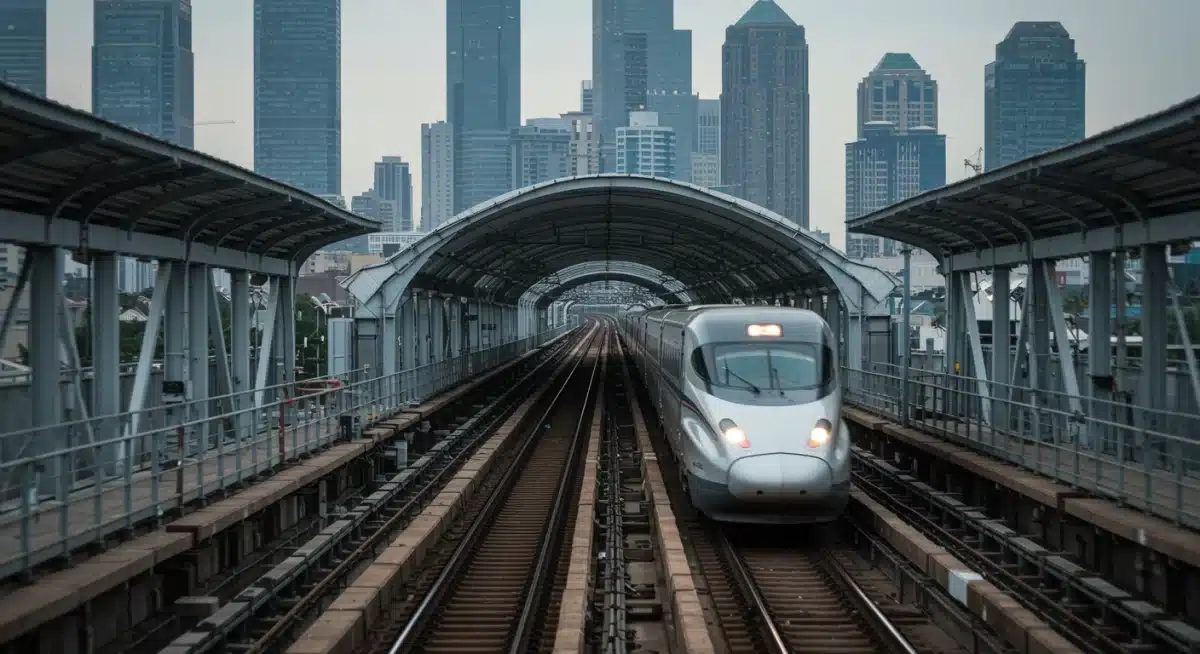
Rail travel, often seen as a cornerstone of efficient public transit, is receiving substantial investment. This includes upgrades to existing lines and the development of new ones, particularly for high-speed rail projects.
Amtrak Expansion: Plans are underway to expand Amtrak services, adding new routes and increasing frequencies, offering more intercity travel options.
Commuter Rail Upgrades: Local commuter rail lines are being modernized with new trains, improved signaling, and enhanced station facilities, leading to faster and more reliable service.
High-Speed Rail Initiatives: While long-term, some foundational work for future high-speed rail corridors is being laid, which could drastically cut travel times between major cities in the coming decades.
The revitalization of rail networks is not just about speed; it’s about creating a more comfortable and productive travel environment. Imagine being able to work or relax during your commute, rather than being stuck in traffic.
These improvements are designed to make public transit a genuinely appealing alternative, especially for longer commutes where time savings can be substantial. The focus on intercity and regional rail connectivity also has significant economic implications.
Bridges and Tunnels: Critical Lifelines Reinforced
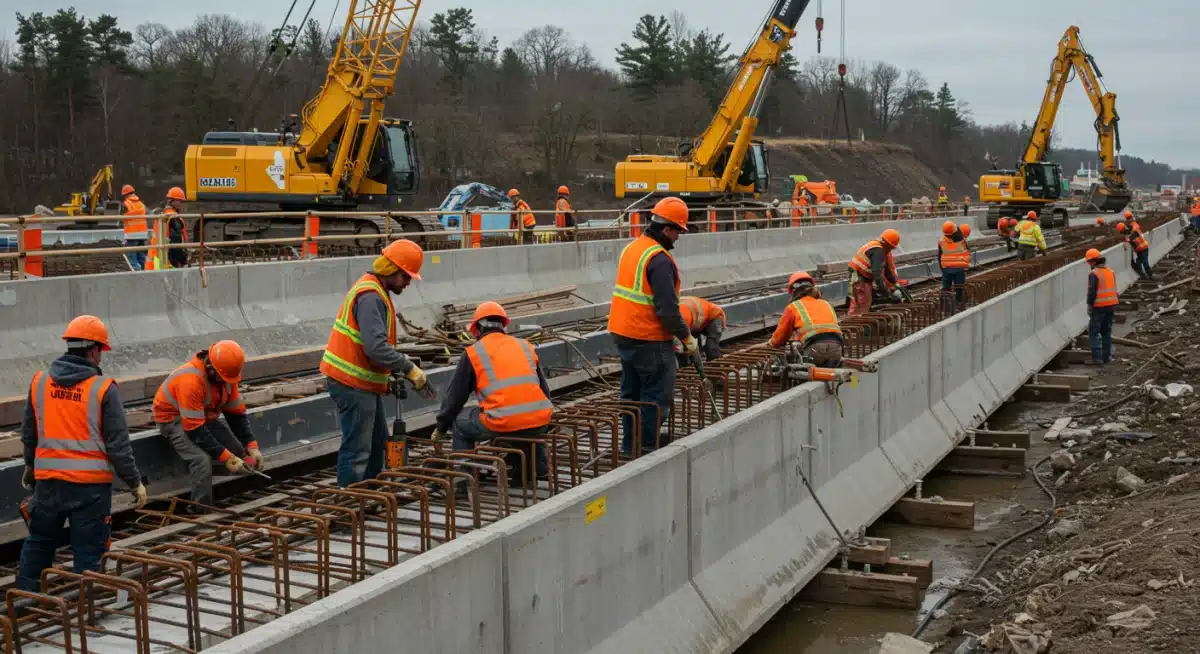
Bridges and tunnels are often the unsung heroes of our transportation network, carrying millions of commuters daily. However, many of these structures are aging and in dire need of repair or replacement. The current infrastructure push places a strong emphasis on rehabilitating these critical lifelines, ensuring safety and preventing costly disruptions.
The focus is not only on structural integrity but also on improving capacity and resilience. This means not just fixing cracks, but often widening bridges, adding lanes, or even constructing entirely new spans to accommodate growing traffic volumes.
The goal is to eliminate bottlenecks that can cause significant delays and ensure the smooth flow of people and goods, even in challenging conditions. Investing in these structures is an investment in the reliability of daily commutes.
Addressing ‘Structurally Deficient’ Infrastructure
A significant portion of the funding is specifically allocated to addressing bridges and tunnels classified as ‘structurally deficient.’ These are structures that require immediate attention to ensure public safety and operational efficiency. The impact of these repairs will be directly felt by commuters who rely on these routes daily.
Safety Enhancements: Repairs and replacements will significantly reduce the risk of structural failures and improve overall safety for travelers.
Reduced Maintenance Closures: Modernized structures will require less frequent and less disruptive maintenance, minimizing unexpected closures and detours.
Improved Traffic Flow: Upgraded bridges and tunnels often include design improvements that can handle higher traffic volumes more efficiently, easing congestion.
By tackling these critical vulnerabilities, the infrastructure projects aim to make commutes more reliable and less prone to unexpected delays caused by structural issues. The emphasis on long-term solutions means that these improvements are designed to last for decades, providing sustained benefits to commuters. The proactive approach to maintenance and replacement is a stark contrast to previous reactive strategies.
The Digital Divide and Commuting Patterns
While not directly related to asphalt and steel, the expansion of high-speed broadband internet under the BIL also has a profound, albeit indirect, impact on commuting. The digital divide has long been a barrier for many, but closing this gap can fundamentally alter where and how people work, and consequently, how they commute.
With reliable high-speed internet, more individuals have the option to work remotely, at least part-time. This can reduce the number of cars on the road during peak hours, easing congestion for those who still need to commute physically.
It also opens up possibilities for people to live further from traditional urban centers, potentially shifting commuting patterns to less congested routes or even eliminating them entirely for some days of the week. The interplay between digital access and physical travel is becoming increasingly important.
Impact on Remote Work and Hybrid Models
The sustained growth of remote and hybrid work models is intrinsically linked to robust internet infrastructure. As more companies embrace flexibility, the commuting landscape transforms.
Reduced Peak Hour Traffic: Fewer commuters on the road during traditional rush hours can lead to faster travel times for everyone.
Increased Flexibility: Individuals gain more flexibility in their work-life balance, sometimes choosing to commute only a few days a week.
Rural Development Potential: Improved broadband in rural areas can make these locations more viable for remote workers, potentially decentralizing population and commuting pressures.
The ability to seamlessly connect from home or a local co-working space means that the necessity of a daily, five-day-a-week commute to a central office is diminishing for many. This shift, facilitated by digital infrastructure, is one of the most significant, yet often overlooked, factors influencing future commuting patterns. It highlights how infrastructure investment goes beyond physical structures to include digital connectivity.
Environmental Considerations and Future Commuting
Beyond efficiency and direct improvements, the current wave of infrastructure projects also places a strong emphasis on environmental sustainability.
This focus is not just about mitigating the impact of construction, but about building infrastructure that supports greener commuting options and reduces overall carbon emissions. By 2027, commuters may find more incentives and opportunities to make environmentally conscious travel choices.
This includes the development of electric vehicle charging infrastructure, investments in pedestrian and cycling paths, and the promotion of public transit as a sustainable alternative to single-occupancy vehicles.
The long-term vision is to create a transportation ecosystem that is not only efficient but also environmentally responsible, aligning with broader climate goals. These efforts aim to make sustainable commuting practices more accessible and convenient for the average American.
Promoting Sustainable Transportation Modes
A key aspect of the environmental focus is actively encouraging the use of transportation modes that have a lower carbon footprint. This involves both infrastructural support and policy initiatives.
Electric Vehicle Charging Networks: Significant investments are going into building a national network of EV charging stations, making electric vehicles a more practical option for longer commutes.
Bike and Pedestrian Infrastructure: Funding is allocated to creating safer and more extensive bike lanes and pedestrian walkways, encouraging active transportation for short to medium distances.
Public Transit Electrification: Many public transit agencies are transitioning to electric buses and trains, further reducing emissions from mass transit systems.
These initiatives are designed to provide commuters with viable, greener alternatives to traditional gasoline-powered vehicles. Across the United States, cities and states are investing heavily in public transit modernization, electric vehicle infrastructure, bike-sharing systems, pedestrian-friendly urban planning, and expanded rail networks to support cleaner and more efficient mobility solutions. The goal is not only to reduce congestion but also to create transportation systems that are environmentally responsible, economically sustainable, and accessible to a wider range of people.
The transition toward sustainable transportation depends on a combination of advanced infrastructure, supportive government policies, and evolving commuter habits.
Electric buses, high-speed rail projects, dedicated cycling lanes, and smart traffic management systems are becoming increasingly common as communities search for long-term solutions to pollution and fuel dependency.
At the same time, incentives such as EV tax credits, reduced transit fares, and employer-sponsored commuting programs encourage individuals to adopt greener transportation choices in their everyday lives.
One of the most important aspects of this transformation is the development of reliable charging infrastructure for electric vehicles. Expanding nationwide charging networks helps eliminate “range anxiety,” making EV ownership more practical for both urban and rural drivers. In parallel, investments in renewable energy sources ensure that electric transportation becomes even cleaner over time by reducing reliance on fossil-fuel-generated electricity.
Public transportation systems are also evolving to meet modern sustainability goals. Many metropolitan areas are introducing energy-efficient trains, hybrid buses, and digital route optimization technologies that improve efficiency while reducing emissions.
Smart mobility applications allow commuters to track schedules in real time, plan eco-friendly routes, and combine multiple transportation modes seamlessly. These innovations improve convenience while making sustainable commuting more attractive to the average traveler.
Urban planners are increasingly embracing the concept of “15-minute cities,” where residents can access workplaces, schools, healthcare, shopping, and recreation within a short walk, bike ride, or transit trip.
This approach reduces dependence on cars, lowers emissions, improves public health, and creates more livable communities. Green transportation infrastructure such as protected bike lanes, expanded sidewalks, and pedestrian-focused downtown revitalization projects further encourage healthier and more environmentally conscious commuting behaviors.
The shift toward sustainable transportation is ultimately a multi-faceted effort that requires collaboration between governments, private industries, urban planners, and everyday commuters.
Infrastructure alone is not enough; long-term success depends on cultural shifts that prioritize environmental responsibility, energy efficiency, and smarter mobility habits.
By making sustainable transportation options more affordable, practical, and convenient, these infrastructure projects aim to dramatically reduce transportation-related emissions while improving quality of life for millions of Americans.
The integration of clean energy technologies, intelligent transportation systems, and commuter-friendly urban development represents a major step toward a more sustainable future for daily travel.
As innovation continues and infrastructure expands, sustainable transportation is expected to play an increasingly central role in shaping healthier cities, stronger economies, and a cleaner environment for future generations.
| Key Impact Area | Commute Benefit by 2027 |
|---|---|
| Roads & Highways | Smoother travel, reduced congestion, enhanced safety via smart systems. |
| Public Transit | Expanded routes, modernized fleets, more reliable and accessible options. |
| Digital Connectivity | Greater remote work options, potentially reducing physical commute frequency. |
| Environmental Focus | More EV charging, bike lanes, and greener transit alternatives. |
Frequently asked questions about infrastructure and commuting
Projects will reduce commute times by alleviating bottlenecks through new lanes, optimized traffic signals, and modernized interchanges. Enhanced public transit, including expanded rail and bus routes with improved frequencies, will offer faster alternatives to driving, collectively smoothing traffic flow and shortening travel durations for many commuters.
While major urban centers will see significant transit and road upgrades, the Bipartisan Infrastructure Law also allocates substantial funding for rural areas. This includes improving roads, bridges, and crucially, expanding high-speed broadband internet access, which can foster remote work and reduce the need for daily commutes into distant urban hubs for rural residents.
Technology will be central, with intelligent transportation systems (ITS) optimizing traffic signals, managing dynamic lanes, and providing real-time traffic data. These advancements aim to create ‘smart roads’ that adapt to traffic conditions,
while digital connectivity expansions support remote work, indirectly reducing physical commute demands and improving overall efficiency.
Projects emphasize sustainability through extensive electric vehicle charging networks, dedicated bike and pedestrian paths, and the electrification of public transit.
These initiatives aim to provide greener commuting options, reduce reliance on fossil fuels, and lower overall transportation-related carbon emissions, encouraging more environmentally friendly travel choices.
Commuters may experience temporary disruptions such as construction zones, lane closures, and detours. While these are necessary for long-term improvements, careful planning aims to minimize inconvenience. Staying informed about local project updates and utilizing navigation apps can help manage these temporary challenges effectively.
Conclusion
The ambitious scope of current US infrastructure projects promises a profound transformation of the daily commute by 2027. From revitalized roads and bridges to modern public transit systems and expanded digital access, these investments are designed to foster a more efficient, safer, and sustainable transportation network.
While the journey to these improvements may involve temporary disruptions, the long-term benefits – reduced congestion, faster travel times, and greater connectivity – are set to significantly enhance the quality of life for millions of Americans, making daily travel less of a chore and more of a seamless experience.