New US Food Labeling Regulations: Your Grocery Store Guide

The latest US food labeling regulations empower consumers to make healthier choices by providing clearer, more comprehensive nutritional information on grocery store products.
Navigating the grocery store can sometimes feel like solving a complex puzzle, especially with the constant evolution of dietary advice and product information. However, recent New US Regulations on Food Labeling: What to Look for at the Grocery Store are designed to make this task significantly easier for all of us. These changes are not just minor tweaks; they represent a significant step towards empowering consumers with the knowledge needed to make truly informed decisions about the foods we bring home.
Understanding the Shift: Why New Regulations?
The landscape of food consumption and public health in the United States has undergone considerable changes over the past decades. With rising concerns about diet-related diseases and a growing demand for transparency, the need for updated food labeling became undeniable. The previous regulations, largely established decades ago, were no longer fully adequate to address modern dietary challenges or consumer expectations. This significant overhaul aims to align food labels with current scientific understanding and public health recommendations.
The primary driver behind these new regulations was a commitment to public health. Health organizations and consumer advocacy groups highlighted the critical role that clear, accurate food labels play in helping individuals manage their diets, particularly concerning conditions like obesity, heart disease, and diabetes. The goal was to simplify complex nutritional information, making it accessible and understandable even for those without a background in nutrition. This proactive approach by regulatory bodies signifies a broader effort to foster a healthier nation by providing the tools necessary for better dietary choices.
The Evolution of Dietary Guidelines
For years, dietary guidelines have evolved as scientific research provided new insights into nutrition. The old food labels often lagged behind these advancements, leading to confusion. The new regulations bridge this gap, ensuring that what you see on a product label reflects the most current recommendations for a balanced diet.
- Updated serving sizes to reflect typical consumption.
- Emphasis on ‘added sugars’ as a separate category.
- Revised daily values for key nutrients.
- More prominent display of calorie information.
Ultimately, these regulations are a response to a societal need for greater clarity and actionable information at the point of purchase. They represent a collaborative effort between government agencies, health professionals, and consumer advocates to create a more transparent and health-conscious food environment. By understanding the ‘why’ behind these changes, consumers can better appreciate the value these new labels bring to their daily lives and grocery shopping routines.
Key Changes to the Nutrition Facts Label
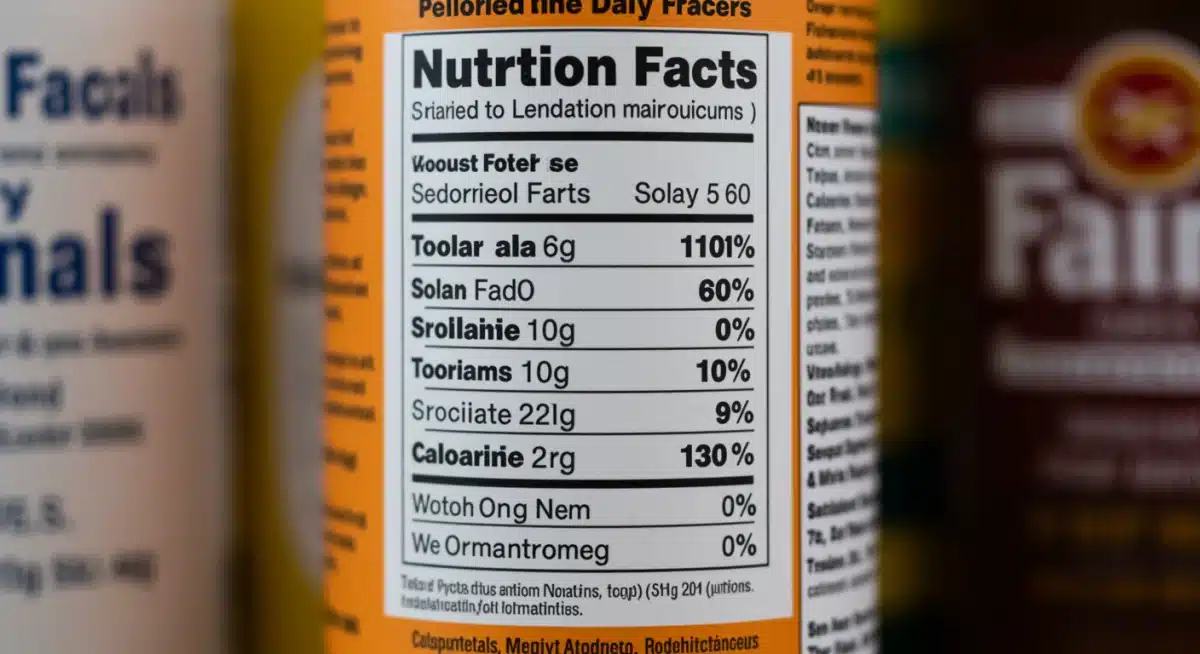
The most visible and impactful aspect of the new regulations is the redesigned Nutrition Facts label. This familiar white box, found on nearly all packaged foods, has undergone several significant modifications intended to enhance readability and highlight critical information. No longer will consumers need a magnifying glass or a nutrition degree to decipher what they are eating. The changes focus on making key dietary considerations immediately apparent, helping shoppers make quicker, more informed decisions.
One of the first things you’ll notice is the updated typography and layout. Calories are now displayed in a larger, bolder font, making them impossible to miss. This change directly addresses the public health concern regarding calorie intake and weight management. Equally important are the revisions to serving sizes, which now more accurately reflect the amount of food people typically eat, rather than what they ‘should’ eat. This realistic approach helps consumers understand the actual nutritional impact of their consumption.
Redesigned Layout and Readability
The new label boasts a more intuitive design, with a clear hierarchy of information. This isn’t just about aesthetics; it’s about guiding your eye to the most important details first. The larger font for calories and serving sizes is a prime example of this improved readability.
- Increased font size for ‘Calories,’ ‘Servings per container,’ and ‘Serving size.’
- Actual serving sizes are more realistic.
- Dual column labels for certain products (e.g., a pint of ice cream) to show ‘per serving’ and ‘per package’ values.
Beyond the visual changes, there are substantive updates to the nutrients listed. Vitamin D and potassium are now required, reflecting their importance in public health, while Vitamins A and C are no longer mandatory as deficiencies are less common. The inclusion of ‘added sugars’ is a game-changer, providing unprecedented transparency about what truly contributes to a product’s sugar content. These modifications collectively empower consumers to quickly grasp the essential nutritional profile of a product, fostering healthier eating habits.
Focus on Added Sugars: A Game Changer
Perhaps one of the most significant and celebrated changes in the new US food labeling regulations is the mandatory declaration of ‘added sugars.’ This specific modification directly addresses a major public health concern: the excessive consumption of sugars that are not naturally occurring in foods. For years, consumers struggled to differentiate between naturally present sugars, like those in fruit or milk, and sugars added during processing. The new label clarifies this distinction, providing a powerful tool for managing sugar intake.
The inclusion of ‘added sugars’ allows consumers to see exactly how much sugar has been incorporated into a product, whether it’s from cane sugar, high-fructose corn syrup, honey, or other sweeteners. This transparency is crucial because high intake of added sugars has been linked to various health issues, including obesity, type 2 diabetes, and heart disease. By making this information readily available, the regulations encourage consumers to choose products with lower amounts of added sugars, and simultaneously incentivize food manufacturers to reformulate their products to reduce sugar content.
Why ‘Added Sugars’ Matter
Understanding the difference between total sugars and added sugars is vital for a healthy diet. While natural sugars come with essential nutrients like fiber and vitamins, added sugars often provide empty calories without significant nutritional benefits. This distinction is now clear on the label.
- Helps identify hidden sugars in processed foods.
- Empowers consumers to reduce intake linked to chronic diseases.
- Promotes informed choices about healthier alternatives.
The ‘added sugars’ declaration is accompanied by a Daily Value percentage, which indicates how much a serving contributes to the recommended daily limit for added sugars. This contextual information further assists consumers in making practical decisions about their daily sugar consumption. This single change alone has the potential to significantly impact public health by fostering a greater awareness of sugar content in our diets, leading to more mindful eating habits and a reduction in the consumption of ultra-processed foods.
Updated Serving Sizes and Daily Values
Beyond the spotlight on calories and added sugars, the new food labeling regulations also bring crucial updates to serving sizes and Daily Values (DVs). These changes are fundamental to providing a more accurate and relevant picture of a food product’s nutritional contribution. The aim is to ensure that the information on the label truly reflects how people eat today, rather than outdated or idealized consumption patterns. This realism is vital for consumers to accurately assess their nutrient intake and make healthier choices.
Manufacturers are now required to base serving sizes on what people typically consume, not on what they are advised to consume. This means that a serving size for a beverage, for instance, might be larger than it once was, reflecting the common practice of drinking an entire bottle. For products that can be consumed in one sitting but contain more than one serving (like a large soda bottle or a pint of ice cream), a dual column label is mandated. This innovative feature shows both ‘per serving’ and ‘per package’ nutritional information, removing any ambiguity about the total impact of consuming the entire item.
Realistic Serving Sizes for Better Awareness
The adjustment of serving sizes is a practical step towards better consumer understanding. If a product is usually eaten in one go, the label now reflects that reality, making it easier to track calorie and nutrient intake without complex calculations.
- Serving sizes are now based on actual consumption data.
- Dual column labels provide ‘per serving’ and ‘per package’ information for certain items.
- Eliminates the need for consumers to do mental math for common consumption habits.
Furthermore, the Daily Values for certain nutrients have been updated to align with the latest scientific recommendations. For example, the Daily Value for sodium has been lowered, while those for dietary fiber and Vitamin D have been increased. These adjustments ensure that the percentage Daily Value (%DV) listed on the label provides a more current and accurate benchmark for assessing whether a serving of food contributes a lot or a little of a nutrient to your diet. These comprehensive updates to both serving sizes and Daily Values collectively offer a more precise and actionable nutritional guide for grocery shoppers.
New Nutrients and What They Mean for You
The revised Nutrition Facts label introduces changes not only to how nutrients are displayed but also to which nutrients are explicitly listed. These additions and removals reflect evolving public health priorities and a deeper understanding of nutrient deficiencies and excesses in the American diet. Understanding these specific nutrient changes can further empower consumers to make dietary choices that support their long-term health and well-being. It’s about getting the most relevant information at a glance, without being overwhelmed.
Notably, Vitamin D and potassium are now required on the label, while Vitamins A and C are no longer mandatory. This shift is significant. Vitamin D is essential for bone health and immune function, and many Americans do not get enough. Potassium plays a crucial role in blood pressure regulation and can help offset the effects of sodium, another nutrient of concern. By highlighting these, the new labels encourage consumers to seek out foods rich in these often-under-consumed nutrients. Conversely, deficiencies in Vitamins A and C are less common in the general population, making their mandatory inclusion less critical for public health advisories.

Understanding New Nutrient Requirements
The focus on Vitamin D and potassium is a direct response to widespread dietary patterns. These nutrients are vital for various bodily functions, and the new labels make it easier to identify foods that are good sources.
- Vitamin D: Essential for calcium absorption and bone health.
- Potassium: Important for maintaining healthy blood pressure.
- Iron and Calcium: Still required, critical for overall health.
Beyond the mandatory nutrients, the new labels also continue to list other important components like dietary fiber, total fat, saturated fat, and cholesterol. The emphasis remains on providing a comprehensive overview of the macronutrients and micronutrients that significantly impact health. By making these strategic adjustments to the nutrient list, the new regulations ensure that the label remains a highly relevant and effective tool for consumers striving to maintain a balanced and healthy diet, easily identifying what their bodies need more of and what they might need to limit.
Beyond the Label: Other Important Considerations
While the redesigned Nutrition Facts label is undoubtedly the centerpiece of the new US food labeling regulations, it’s important to recognize that understanding food choices goes beyond just this panel. Several other aspects of food packaging and consumer information have also seen updates or remain crucial for making truly informed decisions at the grocery store. These additional considerations provide a more holistic view of a product, from its ingredients to its potential allergens, ensuring a comprehensive understanding for the discerning shopper.
Ingredient lists, for example, continue to be a vital source of information. While not part of the Nutrition Facts panel, they offer a detailed breakdown of everything that goes into a food product, listed in descending order by weight. This allows consumers to identify allergens, understand the extent of processing, and recognize specific ingredients they might wish to avoid. The clarity and accuracy of ingredient lists are paramount, especially for individuals with allergies or specific dietary restrictions. Always check the ingredient list in conjunction with the Nutrition Facts for a complete picture.
Allergen Labeling and Health Claims
Allergen labeling remains a critical component of food safety. While regulations in this area have been established, it’s always wise to be vigilant. Additionally, be aware of health claims on packaging, as they can sometimes be misleading if not scrutinized.
- Allergen Information: Clear declaration of major food allergens (e.g., milk, eggs, peanuts, tree nuts, soy, wheat, fish, shellfish).
- Health Claims: Look for qualified health claims backed by scientific evidence, not just marketing buzzwords.
- Front-of-Package Labeling: Some manufacturers also use simplified front-of-package symbols or icons, though these are not uniformly regulated like the Nutrition Facts panel.
Furthermore, understanding terms like ‘organic,’ ‘natural,’ or ‘gluten-free’ requires a grasp of specific regulatory definitions, as these terms are often subject to their own set of rules. While the new Nutrition Facts label provides a strong foundation, savvy consumers will combine this with a careful review of ingredient lists, allergen statements, and an informed perspective on marketing claims to make the best possible choices for their health and dietary needs. A holistic approach ensures that no stone is left unturned in the quest for healthy eating.
Empowering Your Grocery Store Experience
The implementation of the new US food labeling regulations marks a significant milestone in consumer empowerment. These changes are not just about compliance for manufacturers; they are fundamentally about providing you, the shopper, with the clearest, most accessible information to make healthier choices. By understanding and utilizing these updated labels, your routine trip to the grocery store can transform into a highly informed and proactive step towards better health. It’s an opportunity to take control of your diet with confidence and clarity.
Armed with knowledge about the redesigned Nutrition Facts panel, the prominent display of calories, the crucial ‘added sugars’ declaration, and the updated serving sizes and Daily Values, you are better equipped than ever before. No longer will you have to guess about the true nutritional content of your food. These regulations provide a standardized, easy-to-understand format that cuts through the noise and delivers the essential facts, directly at the point of purchase. This level of transparency fosters a more trusting relationship between consumers and food producers.
Making Informed Choices with Confidence
Your ability to decipher food labels quickly and accurately is now significantly enhanced. This translates into tangible benefits for your health and dietary goals. Whether you’re managing a specific health condition or simply aiming for a healthier lifestyle, the new labels are your allies.
- Quickly identify products high in added sugars or unhealthy fats.
- Easily compare nutritional content between similar products.
- Support dietary goals by monitoring calorie, sodium, and nutrient intake.
Ultimately, these regulations are a testament to the ongoing commitment to public health and consumer education. They reflect a proactive stance in addressing modern dietary challenges and promoting healthier eating habits across the nation. Embrace these changes, make them a part of your shopping routine, and empower yourself to choose foods that truly nourish your body and support your well-being. Your grocery store experience will be more efficient, effective, and beneficial for your health than ever before, turning every purchase into an informed decision.
| Key Label Change | Consumer Impact |
|---|---|
| Prominent Calories | Easier to track caloric intake for weight management. |
| Added Sugars Declared | Distinguish natural from added sugars, aiding in reducing intake. |
| Realistic Serving Sizes | Reflects actual consumption, providing more accurate nutritional data. |
| New Nutrients (Vit D, K) | Helps identify sources of commonly under-consumed essential nutrients. |
Frequently Asked Questions About New Food Labels
The most significant change is the prominent display of ‘Calories’ in a larger, bolder font and the mandatory declaration of ‘Added Sugars.’ These updates aim to make critical nutritional information more immediately visible and understandable for consumers at a glance.
Added sugars are listed separately to help consumers differentiate between sugars naturally present in foods and those added during processing. High intake of added sugars is linked to health issues, and this transparency empowers better dietary choices.
New serving sizes are based on realistic consumption patterns, reflecting what people actually eat or drink. This reduces the need for mental calculations, providing a more accurate understanding of the nutritional impact of a typical portion.
Vitamin D and potassium are now required on the Nutrition Facts label. These additions reflect their importance in public health, as many Americans do not get enough of these essential nutrients in their daily diet.
Most major food manufacturers were required to comply with the new labeling regulations by January 1, 2020. Smaller manufacturers had an additional year, with compliance required by January 1, 2021, ensuring a widespread transition.
Conclusion
The new US food labeling regulations represent a pivotal moment in public health and consumer education. By providing clearer, more accurate, and more relevant nutritional information on packaged foods, these updates empower every shopper to make informed decisions that directly impact their well-being. From the bold display of calories and realistic serving sizes to the crucial distinction of added sugars and the inclusion of vital nutrients like Vitamin D and potassium, these labels are designed to be your trusted guide in the grocery store. Embracing these changes and actively utilizing the information provided is a fundamental step towards fostering a healthier lifestyle and a more transparent food environment for all Americans. Your journey to healthier eating is now more accessible and informed than ever before.