Disaster Preparedness in US: A State-by-State Guide

Understanding how to prepare for natural disasters in the US, with a state-by-state guide, is crucial for every American, as regional risks vary significantly and proactive measures can save lives and property.
Living in the United States often means contending with a diverse array of natural phenomena, from hurricanes battering coastal communities to wildfires sweeping through western states. Knowing how to prepare for natural disasters in the US: a state-by-state guide is not just a recommendation; it’s a vital component of personal and community resilience. This comprehensive approach ensures you’re ready for whatever Mother Nature might bring.
understanding regional disaster risks
The first step in effective disaster preparedness is understanding the specific threats relevant to your geographic location. The United States is a vast country, and its varied topography and climate mean that natural disaster risks are far from uniform. What might be a primary concern in Florida, such as hurricanes, is less likely to affect someone in North Dakota, where blizzards and floods might be more prevalent.
Each state faces unique challenges, and recognizing these can dramatically improve the efficacy of your preparedness plans. This involves not only knowing the types of disasters but also their frequency, intensity, and potential impact on infrastructure and daily life. Local emergency management agencies are excellent resources for this kind of detailed, localized information.
coastal states: hurricanes and storm surges
States along the Atlantic and Gulf Coasts, such as Florida, Louisiana, and North Carolina, are particularly vulnerable to hurricanes and tropical storms. These events bring with them high winds, torrential rainfall, and dangerous storm surges that can cause extensive flooding. Preparedness in these regions focuses heavily on evacuation plans, securing homes against wind damage, and having robust communication strategies.
- Evacuation Routes: Know your local evacuation zones and routes well in advance.
- Home Fortification: Install hurricane shutters, tie down outdoor items, and trim trees.
- Flood Insurance: Standard homeowner’s insurance typically doesn’t cover flood damage.
midwestern states: tornadoes and severe storms
The “Tornado Alley” and “Dixie Alley” regions, spanning states like Oklahoma, Kansas, and Alabama, are notorious for severe thunderstorms and tornadoes. These fast-developing weather phenomena require immediate action and often provide little warning. Preparedness here emphasizes quick shelter access and reliable warning systems.
Residents in these areas should have a designated safe room, basement, or interior room away from windows. Staying informed through weather radios and local alerts is paramount, as tornadoes can strike with devastating speed. Regular drills for your family can ensure everyone knows what to do when a warning is issued.
Understanding these regional risks is the bedrock of any solid disaster plan. It allows for targeted preparation that addresses the most probable and impactful events, rather than a one-size-fits-all approach that might leave critical gaps in your readiness. This localized knowledge empowers individuals and communities to build resilience against the specific natural challenges they face.
building your emergency kit: essentials for every state
Regardless of where you live in the U.S., a well-stocked emergency kit is a non-negotiable component of disaster preparedness. While specific items might be added or emphasized based on regional risks, a core set of essentials forms the foundation of readiness for any emergency. This kit should be easily accessible and regularly checked to ensure all items are current and functional.
Think of your emergency kit as your lifeline when external support might be delayed or unavailable. It should contain enough supplies to sustain you and your family for at least 72 hours, though a week’s worth is often recommended. This includes not just food and water, but also items for communication, sanitation, and first aid.
water and food supplies
Water is the most critical item in any emergency kit. Aim for at least one gallon of water per person per day for drinking and sanitation. For food, focus on non-perishable items that require no cooking, refrigeration, or special preparation. Think high-energy, protein-rich foods that have a long shelf life.
- Bottled Water: Store in a cool, dark place and rotate every six months.
- Canned Goods: Include a manual can opener.
- Energy Bars & Dried Fruits: Lightweight and nutrient-dense options.
first aid and medication
A comprehensive first-aid kit is essential for treating minor injuries and addressing health concerns when medical help might be distant. Beyond basic bandages and antiseptics, consider personal medications and any specific medical needs within your household. Keep a list of all prescriptions and dosages, along with doctor contact information.
Include pain relievers, allergy medication, and any over-the-counter remedies you regularly use. If you have infants or elderly family members, tailor the first-aid kit to their specific requirements. Don’t forget items like hand sanitizer and wet wipes for hygiene purposes, which are often overlooked but crucial in an emergency.
communication and power solutions
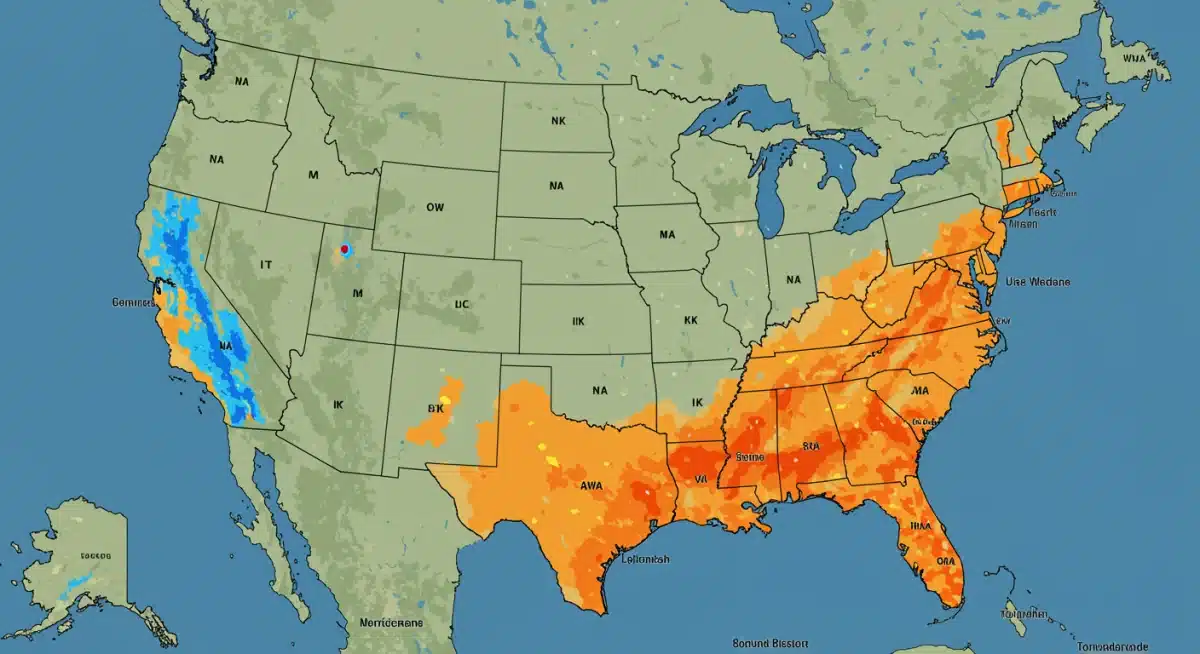
In a disaster, traditional communication lines can fail. A battery-powered or hand-crank radio can provide vital information. Ensure you have extra batteries for all devices that require them. Portable chargers or power banks for cell phones are also crucial, allowing you to stay connected for as long as possible.
Lighting solutions like flashlights (with extra batteries) or headlamps are safer alternatives to candles. A whistle can be used to signal for help if you’re trapped. Having a waterproof container for important documents like identification, insurance policies, and cash is also a smart move, as these may be needed for recovery efforts.
Regularly reviewing and updating your emergency kit is just as important as assembling it in the first place. Check expiration dates on food and medication, refresh water supplies, and test batteries annually. A well-maintained kit provides peace of mind, knowing you’re prepared for unexpected challenges.
developing a family emergency plan
An emergency kit is only one part of the puzzle; a comprehensive family emergency plan is equally vital. This plan outlines what each family member should do before, during, and after a disaster. It fosters a sense of security and reduces panic when faced with a real emergency, ensuring everyone knows their role and how to act.
The plan should be tailored to your family’s specific needs, including young children, elderly relatives, individuals with disabilities, and pets. It’s not enough to simply create a plan; it must be discussed, practiced, and understood by everyone involved. This proactive approach transforms abstract preparedness into actionable steps.
communication strategy
How will your family communicate if traditional methods are down? Establish an out-of-state contact person who all family members can call to check in. This is often easier than trying to call locally during an emergency. Teach children how to use a landline phone if cell service is unavailable and ensure they know important phone numbers by heart or have them written down.
- Out-of-State Contact: Designate one relative or friend outside your immediate area.
- Meeting Points: Establish a primary and secondary meeting place near your home and outside your neighborhood.
- Emergency Contacts List: Keep a physical list for all family members.
evacuation and sheltering-in-place
Your plan should include clear instructions for both evacuation and sheltering-in-place. For evacuation, identify multiple routes to your designated meeting places and to safe locations outside your town or city. Practicing these routes can prevent confusion during an actual emergency, especially if primary roads are blocked.
If sheltering-in-place is necessary (e.g., during a chemical spill or severe weather), designate a safe room within your home. This room should be interior, ideally without windows, and stocked with essential supplies. Ensure everyone knows how to shut off utilities like gas, water, and electricity if instructed to do so by authorities.
practicing your plan
A plan is only effective if it’s practiced regularly. Conduct drills for different scenarios, such as a fire evacuation or a tornado warning. This helps identify any weaknesses in your plan and familiarizes everyone with the necessary actions. Involve children in the planning process to empower them and reduce anxiety.
Review and update your family emergency plan at least once a year, or whenever there are significant changes to your family (new baby, move to a new home) or local risks. This continuous improvement ensures your plan remains relevant and effective, providing the best possible protection for your loved ones.
specific state-by-state considerations
While general preparedness principles apply everywhere, tailoring your strategy to your specific state’s prevalent natural disasters is paramount. This localized approach allows you to focus resources and training on the most probable and impactful events, making your preparedness efforts far more efficient and effective.
Understanding the nuances of your state’s risk profile means going beyond generic advice. It involves knowing the historical patterns of disasters, the specific warning systems in place, and the unique challenges your community might face during and after an event. This deep dive into local conditions is what truly distinguishes robust preparedness.
western states: wildfires and earthquakes
California, Oregon, and Washington face significant risks from wildfires, especially during dry seasons, and earthquakes due to active fault lines. Preparedness in these states includes creating defensible space around homes, having N95 masks for smoke, and securing heavy furniture to walls to prevent injury during seismic activity.
- Wildfire Preparedness: Clear brush, maintain green lawns, and have an evacuation bag ready.
- Earthquake Safety: “Drop, Cover, and Hold On” drills are crucial; know where to take cover.
- Emergency Alerts: Sign up for local alerts for both fire and seismic events.
southern states: heatwaves and droughts
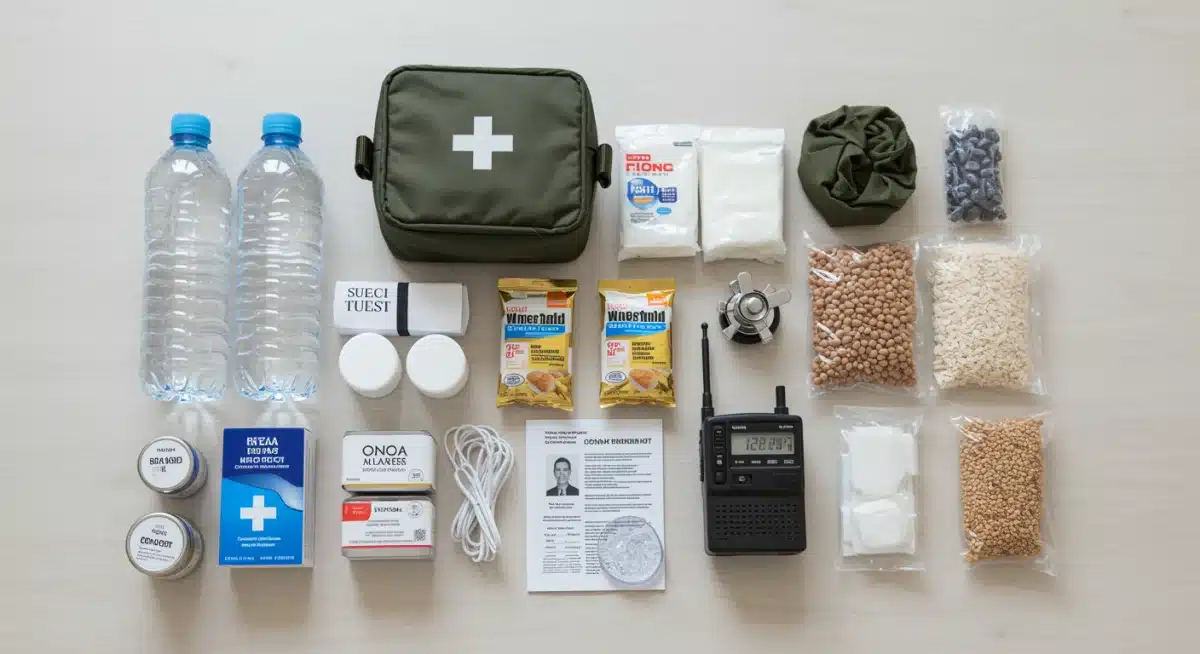
States like Texas, Arizona, and Nevada frequently experience extreme heatwaves and prolonged droughts. Preparedness here involves strategies to combat heatstroke and conserve water. Having access to cooling centers, staying hydrated, and checking on vulnerable neighbors are key during these events.
Drought conditions also heighten wildfire risks, so residents in these areas often need to consider both heat-related illnesses and fire prevention. Water conservation measures become a way of life, and understanding local water restrictions is important for both daily living and emergency planning.
northeastern states: blizzards and coastal flooding
The Northeastern US, including states like New York and Massachusetts, contends with severe winter storms, blizzards, and coastal flooding from nor’easters. Preparedness focuses on maintaining adequate heating, having alternative power sources, and ensuring vehicles are winter-ready.
Having an ample supply of non-perishable food that doesn’t require cooking is crucial during power outages. Insulating homes and sealing drafts can help retain heat. For coastal areas, understanding flood zones and having sandbags or other barriers ready can mitigate water damage. Each state’s emergency management agency provides specific guidelines tailored to their unique threats.
By diving into the specific disaster profiles of your state, you can create a highly effective and targeted preparedness plan. This level of detail ensures that your efforts are not only comprehensive but also directly relevant to the most pressing threats you might encounter, maximizing your safety and resilience.
financial preparedness and insurance
Beyond physical preparations, financial readiness is a critical, yet often overlooked, aspect of disaster planning. A natural disaster can incur significant costs, from immediate emergency expenses to long-term recovery and rebuilding. Having your finances in order can alleviate a tremendous amount of stress during an already challenging time.
This involves reviewing insurance policies, creating an emergency fund, and safeguarding important financial documents. Proactive financial planning ensures that you have the resources to recover and rebuild, minimizing the economic impact of a disaster on your household.
reviewing insurance policies
Your standard homeowner’s or renter’s insurance policy may not cover all types of natural disaster damage. For instance, flood damage is typically excluded and requires a separate flood insurance policy, often available through the National Flood Insurance Program (NFIP). Similarly, earthquake insurance is usually an add-on.
- Homeowner’s/Renter’s Insurance: Understand what perils are covered and what are excluded.
- Flood Insurance: Essential for properties in flood-prone areas.
- Earthquake Insurance: Consider if you live in seismic zones.
- Auto Insurance: Comprehensive coverage typically covers damage from natural disasters.
emergency savings fund
Establishing an emergency savings fund specifically for disaster-related expenses is highly recommended. This fund can cover immediate needs like temporary housing, food, transportation, and repairs not covered by insurance. Aim to have at least three to six months’ worth of living expenses readily accessible.
Even a smaller fund can make a significant difference in the immediate aftermath of a disaster. Having cash on hand is also crucial, as electronic payment systems and ATMs may be unavailable during power outages. Keep a small amount of cash in your emergency kit for immediate needs.
safeguarding important documents
Important financial and personal documents should be stored in a waterproof and fireproof container, or ideally, kept in a secure digital format (cloud storage) with backups. This includes birth certificates, marriage licenses, social security cards, insurance policies, property deeds, and financial account information.
Having copies readily available can expedite claims processes and help you regain access to essential services quickly. Consider creating a digital folder on a secure cloud service that can be accessed from anywhere, ensuring that even if physical documents are lost, your critical information remains secure and retrievable.
Financial preparedness is a cornerstone of overall disaster resilience. By taking these steps, you not only protect your assets but also empower yourself to navigate the recovery process with greater ease and confidence, turning a potentially catastrophic situation into a manageable challenge.
community involvement and resources
Individual and family preparedness is foundational, but true resilience is built at the community level. Engaging with local emergency services and community programs can significantly amplify your preparedness efforts and ensure a more cohesive response when disaster strikes. These networks provide vital support and information that individual efforts alone cannot match.
Understanding and utilizing local resources, from government agencies to non-profit organizations, is crucial. These entities often provide training, information, and direct assistance before, during, and after a disaster. Being an active participant in your community’s preparedness strengthens the collective ability to withstand and recover from adverse events.
local emergency management agencies
Your local emergency management agency (EMA) or office of emergency services is the primary source for localized disaster information. They can provide specific risk assessments for your area, details on local warning systems, evacuation routes, and shelter locations. Many EMAs offer free preparedness workshops and materials.
- Sign Up for Alerts: Register for local emergency notification systems.
- Community Meetings: Attend public meetings to learn about local plans.
- Volunteer Opportunities: Join community emergency response teams (CERT).
neighborhood watch and community groups
Strong neighborhood ties can be invaluable during an emergency. Community groups and neighborhood watch programs can establish communication trees, organize mutual aid, and identify vulnerable residents who may need extra assistance. Knowing your neighbors and their skills can create a powerful local support network.
Consider forming a neighborhood preparedness group to share resources and coordinate efforts. This can involve creating a shared list of emergency contacts, identifying individuals with medical training, or simply having a plan for checking on elderly or isolated residents after an event. Collective action enhances individual safety.
government and non-profit resources
Organizations like FEMA (Federal Emergency Management Agency), the American Red Cross, and local non-profits offer extensive resources. FEMA provides guidance on all types of disasters and recovery assistance. The Red Cross offers shelters, food, and emotional support. Local food banks and charities can also provide essential aid.
These organizations are often the first responders for humanitarian aid and play a critical role in long-term recovery. Familiarize yourself with their services and how to access them. Donating blood or volunteering with these groups can also be a way to contribute to community resilience and help others in times of need.
By actively engaging with community resources and fostering a spirit of collective preparedness, you not only enhance your own safety but also contribute to the overall strength and resilience of your community. This collaborative approach is a powerful tool in facing the unpredictable nature of disasters.
maintaining preparedness: ongoing efforts
Disaster preparedness isn’t a one-time task; it’s an ongoing commitment that requires regular review and adaptation. The landscape of natural disasters can change, as can your personal circumstances. Therefore, consistent maintenance of your plans, kits, and knowledge is essential to ensure you remain ready for any eventuality.
Just as you maintain your home or vehicle, your preparedness efforts need periodic attention. This routine upkeep ensures that when a disaster strikes, your resources are current, your plans are relevant, and your family is confident in their actions. It transforms preparedness from a static concept into a dynamic, living strategy.
annual kit and plan review
Schedule an annual review of your emergency kit and family plan. Check expiration dates on food, water, and medications, and replace anything that’s expired or nearing its date. Test batteries in flashlights and radios. Replace old documents with current versions. This annual check-up ensures your kit is always ready.
- Rotate Supplies: Use and replace food and water every 6-12 months.
- Update Documents: Ensure all personal and financial documents are current.
- Test Equipment: Check radios, flashlights, and smoke detectors.
staying informed and adapting
Natural disaster patterns can shift due to climate change or other environmental factors. Stay informed about any changes in local risks or new emergency protocols issued by authorities. Subscribe to weather alerts, follow local news, and participate in community forums to remain updated on potential threats.
If you move to a new state or even a different part of your current state, immediately research the specific disaster risks for your new location and adapt your emergency plan accordingly. What worked in a hurricane-prone area might not be sufficient for an earthquake zone. Flexibility and continuous learning are key.
practicing and educating others
Regularly practice your family’s emergency drills. The more familiar everyone is with the plan, the less likely panic will set in during a real emergency. Educate friends, family, and neighbors about preparedness, sharing resources and encouraging them to develop their own plans. Collective preparedness benefits everyone.
Consider taking a first-aid or CPR course, which can be invaluable during a disaster when professional medical help might be delayed. The more skills you acquire, the more self-sufficient and helpful you can be. Maintaining preparedness is an ongoing journey, but one that offers immense peace of mind and significantly enhances safety.
| Key Preparedness Area | Brief Description |
|---|---|
| Understand Local Risks | Identify specific natural disasters common to your state (e.g., hurricanes, wildfires, tornadoes). |
| Build Emergency Kit | Assemble a 72-hour supply of water, food, first aid, and communication tools. |
| Family Emergency Plan | Establish communication strategies, evacuation routes, and meeting points for your household. |
| Financial Readiness | Review insurance, build savings, and secure important documents for recovery. |
frequently asked questions about disaster preparedness
The most common natural disasters in the US include hurricanes, tornadoes, wildfires, floods, earthquakes, and severe winter storms. Their prevalence varies significantly by region, with coastal areas facing hurricanes and the Midwest experiencing more tornadoes.
You should review and update your emergency kit at least once a year. Check expiration dates on food, water, and medications, replace batteries, and ensure all documents are current. It’s also wise to update it if your family’s needs change.
No, standard homeowner’s insurance policies typically do not cover flood damage. Flood insurance must be purchased separately, often through the National Flood Insurance Program (NFIP). It’s crucial to assess your flood risk and secure appropriate coverage.
An out-of-state contact is a designated person outside your immediate area whom all family members can call to check in after a disaster. Local phone lines may be overwhelmed, but long-distance calls might still connect, providing a reliable communication hub.
State-specific disaster preparedness information can be found on your state’s emergency management agency website, local government websites, and FEMA’s official resources. These sources provide tailored advice, risk assessments, and local alert systems essential for effective planning.
conclusion
Preparing for natural disasters in the US is a multifaceted endeavor that demands both general readiness and state-specific adaptation. By understanding regional risks, assembling comprehensive emergency kits, developing robust family plans, ensuring financial security, and engaging with community resources, individuals and families can significantly enhance their resilience. This ongoing commitment to preparedness not only safeguards lives and property but also fosters a stronger, more informed citizenry capable of navigating the unpredictable challenges posed by nature. Prioritizing these steps is an investment in peace of mind and a safer future for all.