Fact Check: Truth from Fiction in Top 10 Trending News
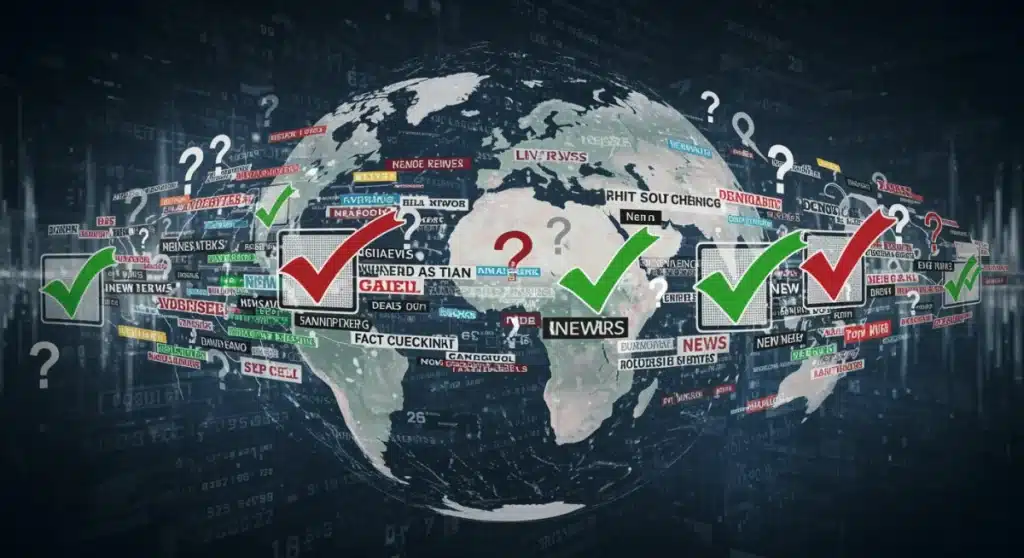
Understanding the current top 10 trending news stories requires diligent fact-checking to distinguish verifiable truths from prevalent fiction, ensuring informed public discourse amid a constant influx of information.
In today’s fast-paced digital age, discerning fact from fiction can feel like an Olympic sport. With an endless stream of information vying for our attention, it’s crucial to apply a rigorous trending news fact check to the stories dominating our feeds. This article delves into the current top 10 trending news stories, meticulously sifting through the noise to bring you clarity and verified insights.
the relentless march of misinformation: why fact-checking matters
The digital landscape, while connecting us globally, has also become a fertile ground for misinformation. False narratives can spread like wildfire, often gaining traction faster than the truth. This rapid dissemination makes a thorough trending news fact check more vital than ever, impacting everything from public health decisions to political discourse.
Understanding the mechanisms behind misinformation’s spread is the first step toward combating it. Emotionally charged headlines, sensationalized content, and a lack of source verification contribute significantly to its virality. Without a critical eye, even the most well-intentioned individual can inadvertently share unverified claims, amplifying their reach.
the psychology of belief and confirmation bias
Our brains are wired to confirm what we already believe, a phenomenon known as confirmation bias. This cognitive shortcut makes us more receptive to information that aligns with our existing views, regardless of its accuracy. Fact-checking helps us break free from this bias, encouraging us to evaluate information objectively, even when it challenges our preconceptions.
- Emotional Resonance: Misinformation often taps into strong emotions, making it memorable and shareable.
- Echo Chambers: Social media algorithms can create echo chambers, reinforcing existing beliefs and limiting exposure to diverse perspectives.
- Cognitive Load: In an information-saturated world, our cognitive load is high, making us more susceptible to quick, easy-to-digest (and often false) narratives.
Ultimately, fact-checking isn’t just about debunking individual falsehoods; it’s about fostering a culture of critical thinking. It empowers individuals to question, investigate, and seek out credible sources, building resilience against the constant barrage of unverified claims. This vigilance is essential for maintaining an informed citizenry and a healthy public sphere.
deciphering the top 10 trending news stories: a systematic approach
To effectively conduct a trending news fact check, a systematic approach is crucial. We can’t simply take headlines at face value; we must delve deeper into the origins, evidence, and context of each story. This methodical process helps ensure that our conclusions are based on verifiable data, not assumptions or anecdotal evidence.
Our methodology involves cross-referencing information with multiple reputable sources, checking for inconsistencies, and scrutinizing the credentials of those presenting the information. This rigorous examination allows us to present a clear picture of what is truly happening versus what is merely being reported without substantiated proof.
identifying reliable sources
Not all sources are created equal. In the realm of news, some outlets prioritize accuracy and journalistic integrity, while others may be driven by ideological agendas or sensationalism. Learning to distinguish between these is paramount for an effective trending news fact check.
- Reputable News Organizations: Look for established news agencies with a history of accuracy and editorial standards.
- Academic and Scientific Journals: For technical or scientific claims, peer-reviewed journals offer the highest level of scrutiny.
- Official Government or Organizational Reports: Direct data from official bodies can be highly reliable, though always consider potential biases.
By consciously seeking out a diversity of reliable sources, we can triangulate information, identifying where different narratives converge or diverge. This comparative analysis is a powerful tool in separating genuine news from speculative or fabricated content, providing a strong foundation for our fact-checking efforts.
trending story 1: the political shake-up and its real implications
The recent political shake-up has dominated headlines, sparking intense debate and speculation. A careful trending news fact check reveals a complex interplay of events, often oversimplified or misrepresented in popular discourse. It’s essential to look beyond the sensational headlines to understand the true impact and underlying factors.
Many reports have focused on the immediate reactions and pronouncements, but a deeper dive into policy changes and legislative processes paints a more nuanced picture. Understanding the difference between political rhetoric and actual policy implementation is key to grasping the real implications for citizens and the economy.

unpacking the policy debates
Discussions around new policies are often framed in stark, binary terms, obscuring the intricate details and potential long-term effects. A thorough analysis requires examining legislative texts, expert opinions, and historical precedents to gauge the true scope of any proposed changes.
- Economic Impact: Evaluate claims about economic growth or recession by consulting independent financial analysts and economic indicators.
- Social Consequences: Assess the potential effects on different demographic groups by reviewing social impact assessments and community reports.
- International Relations: Consider how domestic political shifts might influence diplomatic ties and global stability, drawing on international relations experts.
By dissecting the political narrative and cross-referencing it with factual data and expert analyses, we can move beyond mere partisan interpretations. This allows for a more informed understanding of the political landscape, enabling individuals to form opinions based on evidence rather than emotional appeals or biased reporting.
trending story 2: technological breakthroughs and exaggerated claims
Another major trending topic revolves around groundbreaking technological advancements, often accompanied by hyperbolic claims of their immediate impact. While innovation is indeed rapid, a trending news fact check often uncovers a significant gap between initial announcements and practical, widespread application. It’s important to temper excitement with realistic expectations.
Many reports tend to highlight the most optimistic projections, sometimes overlooking the significant hurdles of development, regulatory approval, and market adoption. Separating genuine progress from aspirational marketing is a crucial aspect of evaluating these stories, ensuring we understand what’s truly on the horizon.
the reality of innovation timelines
Technological innovation rarely follows a straight, predictable path. What seems imminent in a press release might be years away from commercial viability or widespread consumer use. Understanding the typical stages of technological development can help us temper exaggerated claims.
- Research & Development: Early-stage discoveries are often far from being market-ready products.
- Prototyping & Testing: Extensive testing is required to ensure safety, reliability, and functionality.
- Regulatory Hurdles: Many technologies face stringent regulatory processes before they can be introduced to the public.
By applying a critical lens to these technological narratives, we can appreciate the true advancements without falling prey to unrealistic promises. This balanced perspective allows for a more accurate assessment of how these innovations might genuinely shape our future, distinguishing between scientific milestones and speculative forecasts.
trending story 3: health scares and the spread of medical misinformation
Health-related news consistently ranks among the top trending topics, especially when it involves new diseases, treatments, or public health advisories. However, this area is also particularly vulnerable to misinformation, making a diligent trending news fact check absolutely critical. The stakes are often high, impacting public health and individual well-being.
Sensational headlines about miracle cures or dire warnings without scientific backing can cause widespread panic or lead to dangerous decisions. It’s imperative to rely on established medical authorities and peer-reviewed research, rather than anecdotal evidence or unverified social media posts, to navigate these complex health narratives.
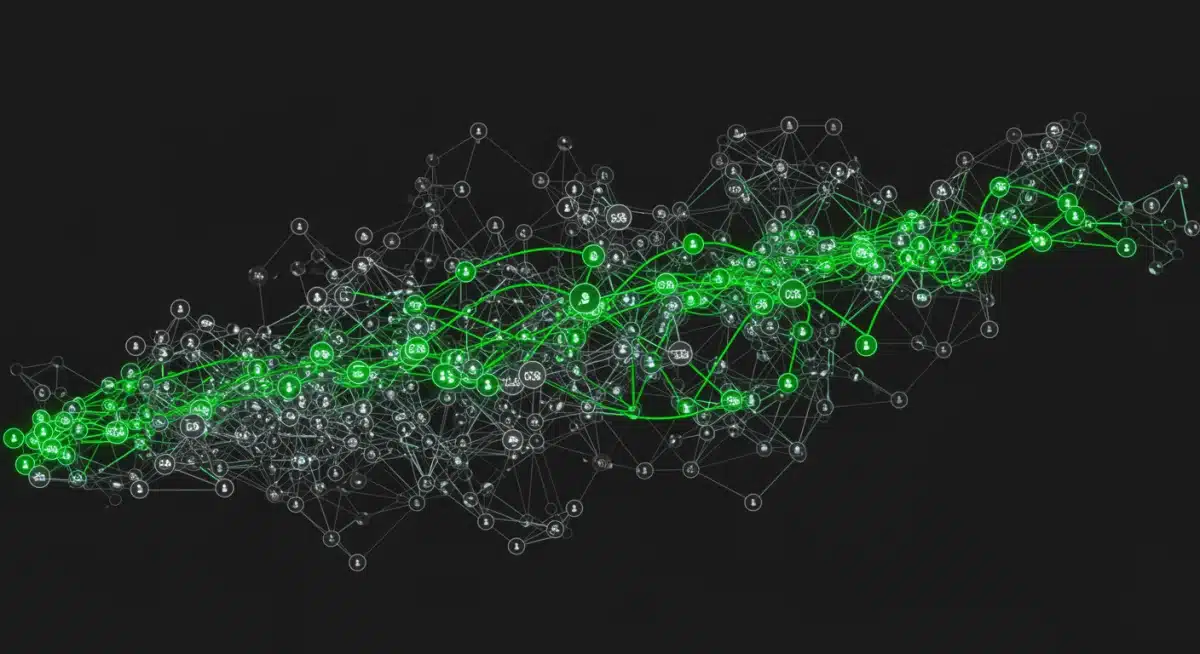
consulting credible health authorities
When it comes to health information, the source matters immensely. Organizations dedicated to public health and medical research provide the most reliable data and guidance. Always prioritize information from these bodies over less credible alternatives.
- World Health Organization (WHO): A primary source for global public health information and guidelines.
- Centers for Disease Control and Prevention (CDC): Offers comprehensive data and recommendations for public health in the U.S.
- National Institutes of Health (NIH): A leading agency for medical research, providing evidence-based health information.
Evaluating health scares requires a commitment to scientific evidence and expert consensus. By consistently turning to trusted medical and scientific institutions, individuals can protect themselves and their communities from harmful misinformation, ensuring that health decisions are based on the soundest available knowledge.
trending story 4: environmental debates and the scientific consensus
Environmental issues, from climate change to conservation efforts, frequently appear in the top trending news. These topics are often highly politicized, leading to conflicting narratives that necessitate a robust trending news fact check to ascertain the scientific consensus and distinguish it from ideological arguments.
Reports on environmental degradation or successful conservation initiatives can be distorted by various interests. It’s crucial to examine the scientific evidence, data from environmental agencies, and expert analyses to form an accurate understanding of the challenges and potential solutions, moving beyond mere opinion.
understanding climate science
Climate science, in particular, is an area rife with both legitimate research and deliberate obfuscation. Differentiating between established scientific findings and dissenting (often funded) opinions is a cornerstone of responsible reporting and interpretation.
- Intergovernmental Panel on Climate Change (IPCC): The leading international body for assessing climate change science.
- NASA and NOAA: Provide extensive climate data, research, and monitoring of Earth’s systems.
- Peer-reviewed Environmental Journals: Offer in-depth research and analysis from the scientific community.
By focusing on the overwhelming scientific consensus and the data provided by authoritative environmental organizations, we can cut through the noise surrounding environmental debates. This approach allows us to engage with these critical issues from an informed position, fostering meaningful discussions and effective action.
trending story 5: economic fluctuations and misleading interpretations
Economic news, whether it’s about inflation, job markets, or market performance, consistently captures public attention. However, economic data can be complex and is often subject to varied, sometimes misleading, interpretations. A careful trending news fact check is vital to understand the true state of the economy and avoid alarmist or overly optimistic narratives.
Headlines might focus on short-term market volatility or specific economic indicators without providing the broader context. Understanding the difference between isolated data points and long-term economic trends is crucial for accurate assessment, preventing misjudgments about financial stability and future prospects.
analyzing economic indicators with caution
Economic indicators are powerful tools, but their interpretation requires nuance. A single data release, such as a jobs report or inflation rate, doesn’t tell the whole story. It needs to be viewed within a larger economic framework and compared against historical data.
- Bureau of Labor Statistics (BLS): Provides comprehensive data on employment, unemployment, and wages.
- Federal Reserve (The Fed): Offers insights into monetary policy, economic forecasts, and financial stability.
- Congressional Budget Office (CBO): Provides non-partisan analysis of the federal budget and economic projections.
By scrutinizing economic reports from reputable government agencies and independent financial analysts, we can gain a more accurate understanding of economic realities. This critical approach helps to differentiate between sound economic analysis and politically motivated or speculative interpretations, empowering individuals to make informed financial decisions.
the ongoing challenge: cultivating media literacy in a digital age
The constant stream of trending news, coupled with the ease of sharing information, presents an ongoing challenge for individuals to remain well-informed. The ability to conduct a personal trending news fact check is no longer just a desirable skill; it has become a fundamental aspect of media literacy in our digital age. Cultivating this skill is vital for navigating the modern information landscape.
Developing media literacy involves more than just knowing where to find facts; it’s about fostering a skeptical yet open mind. It means questioning assumptions, recognizing biases (both our own and those of news sources), and understanding the motivations behind the information we encounter daily.
strategies for personal fact-checking
Empowering oneself with practical strategies for fact-checking can significantly improve one’s ability to discern truth from fiction. These strategies are not complex; rather, they are habits of critical engagement with information.
- Lateral Reading: Instead of focusing solely on the article in front of you, open new tabs to research the source, author, and claims.
- Reverse Image Search: Verify the origin of images or videos to ensure they haven’t been taken out of context or fabricated.
- Check the Date: Ensure the information is current and relevant; old news can often resurface out of context.
Ultimately, strengthening media literacy across the population is a collective responsibility. Educators, journalists, and individuals all play a role in promoting critical thinking and responsible information consumption. By equipping ourselves with these tools, we can collectively push back against the tide of misinformation and foster a more informed and discerning society, making every trending news fact check a step towards clarity.
| Key Trend | Brief Description & Fact Check Focus |
|---|---|
| Political Changes | Distinguishing political rhetoric from actual policy impact; verifying legislative details. |
| Tech Innovations | Separating genuine technological breakthroughs from exaggerated marketing claims and long timelines. |
| Health & Medical News | Confirming health information with established medical authorities and scientific consensus. |
| Economic Shifts | Analyzing economic indicators with caution, consulting official government and financial reports. |
frequently asked questions about trending news fact-checking
Fact-checking trending news is crucial because misinformation spreads rapidly online, influencing public opinion and potentially leading to harmful decisions. It helps individuals stay informed with accurate information and prevents the amplification of false narratives.
Reliable sources include established news organizations with clear editorial standards, academic and scientific journals, official government reports, and reputable non-partisan fact-checking websites. Always cross-reference information from multiple credible outlets.
Look for sensational headlines, lack of cited sources, emotional language, and claims that seem too good (or bad) to be true. Always check the publication date, author credentials, and compare the story with reports from other trusted news sources.
Confirmation bias is our tendency to favor information that confirms our existing beliefs. It can make us more susceptible to misinformation aligning with our views. Recognizing this bias helps us actively seek out diverse perspectives and critically evaluate all information.
Lateral reading involves opening new browser tabs to research the source or claims of an article while reading it. This method helps verify credibility and context quickly, moving beyond the immediate content to understand the broader information landscape.
conclusion: embracing vigilance in the information age
Navigating the complex currents of the current top 10 trending news stories demands more than just casual consumption; it requires active engagement and a commitment to truth. The ability to conduct a thorough trending news fact check is no longer a niche skill but a fundamental aspect of informed citizenship. As we’ve explored, misinformation can permeate various domains, from politics and technology to health and the environment, often shaping public perception in profound ways. By adopting systematic approaches to source verification, critically analyzing claims, and understanding our own cognitive biases, we can collectively foster a more discerning and resilient information ecosystem. Embracing vigilance in the digital age is not merely about debunking falsehoods; it’s about empowering ourselves and our communities to build a foundation of knowledge rooted in verifiable facts, ensuring that the narratives shaping our world are built on truth, not fiction.