The Evolution of Internet Slang: Decoding Gen Z’s Vocabulary
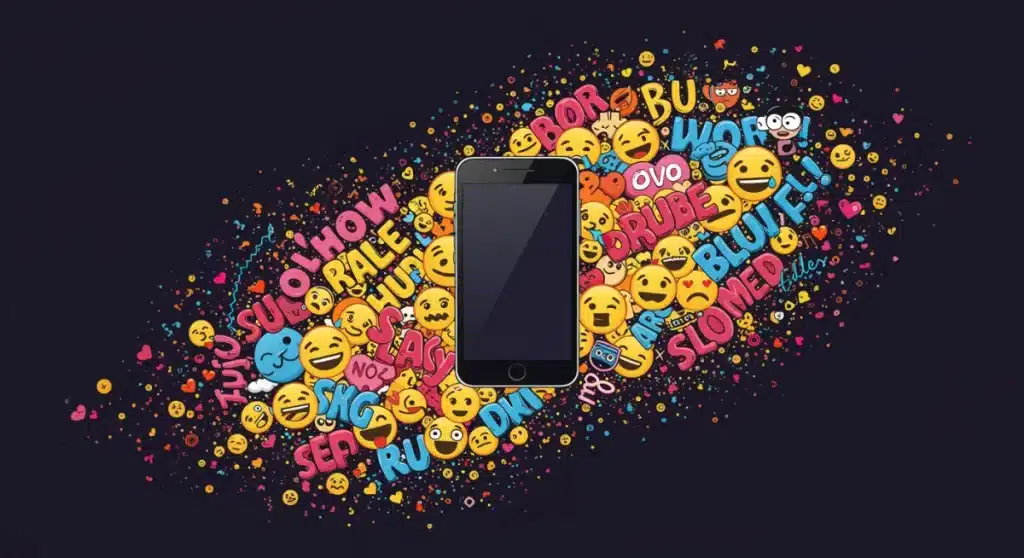
The evolution of internet slang reflects a continuous adaptation of language driven by digital platforms, with Gen Z at the forefront of shaping new terminologies and communication styles.
In an increasingly digital world, understanding the nuances of online communication is paramount. The fascinating world of internet slang evolution offers a unique window into cultural shifts, particularly how younger generations like Gen Z interact and express themselves. Staying updated with this ever-changing vocabulary isn’t just about being ‘hip’; it’s about bridging communication gaps and comprehending the rapid pace of digital culture itself.
The Genesis of Digital Dialects: From IRC to Early Forums
The origins of internet slang can be traced back to the nascent days of online communication, long before social media platforms dominated our digital lives. Early adopters of the internet, conversing on platforms like Internet Relay Chat (IRC) and niche forums, quickly developed a shorthand to facilitate faster typing and convey emotions in text-only environments. This necessity sparked the initial wave of digital dialects.
These early forms of slang were born out of practical constraints, primarily the slow connection speeds and limited character counts that defined early online interactions. Users found creative ways to condense common phrases, leading to the birth of terms that many still recognize today, even if their original context has largely faded.
The Practicality Behind Early Slang
Early internet users were pioneers in a new frontier of communication. The need for brevity was not merely a preference but a technical requirement in many cases. This gave rise to abbreviations that would become foundational to internet speak.
- Typing Efficiency: Reducing keystrokes was crucial on slower systems and for users who were not yet proficient typists.
- Bandwidth Conservation: Shorter messages consumed less data, a significant factor when internet access was often metered and expensive.
- Community Building: Using shared slang created a sense of belonging and exclusivity among early online communities.
The development of these terms was an organic process, often spreading rapidly within specific online groups before crossing over into more general use. It was a testament to human adaptability, transforming technological limitations into a unique form of linguistic innovation. This early phase laid the groundwork for the more complex and diverse slang we see today, setting a precedent for how language evolves in digital spaces.
In essence, the initial wave of internet slang wasn’t just about shortcuts; it was about forging a new way to connect, express, and identify within emerging online communities. This foundational period highlights how digital constraints can inadvertently foster linguistic creativity, paving the way for the rich tapestry of terms that would follow.
The Rise of Social Media and the Acceleration of Slang
With the advent of social media platforms like MySpace, Facebook, and later Twitter and Instagram, the landscape of internet slang underwent a dramatic transformation. These platforms provided fertile ground for slang to not only proliferate but to evolve at an unprecedented speed. The casual, conversational nature of social media encouraged a less formal approach to language, making it a hotbed for linguistic innovation.
Social media created a direct pipeline for trends to emerge and spread, often originating from specific subcultures or viral moments before being adopted by a wider audience. This accelerated pace meant that new terms could gain widespread recognition in a matter of days or even hours, a stark contrast to the slower dissemination of slang in pre-internet eras.
Key Drivers of Slang Acceleration
Several factors inherent to social media platforms contributed to the rapid growth and spread of new vocabulary. These platforms are designed for quick, bite-sized interactions, which naturally favors concise and impactful language.
- Instant Global Reach: A term coined in one corner of the world could instantly be understood and adopted by users across continents.
- Viral Content: Memes, challenges, and trending topics often came with their own specific lexicon, embedding new slang into popular culture.
- Algorithmic Amplification: Social media algorithms can push trending terms into the feeds of millions, further accelerating their adoption.
The shift from text-only forums to multimedia-rich platforms also influenced slang. Emojis, GIFs, and short video clips became integral parts of online communication, often conveying meaning more efficiently than words alone. This integration of visual elements added another layer of complexity and expressiveness to internet slang, moving beyond simple abbreviations to a more holistic digital language.
Ultimately, social media became the primary engine for the internet slang evolution, transforming it from a niche phenomenon into a mainstream aspect of digital life. It democratized language creation, allowing anyone to contribute to the ever-expanding lexicon, and set the stage for the linguistic dynamism we observe in Gen Z today.
Gen Z’s Unique Contribution: Authenticity and Irony
Gen Z, born roughly between the mid-1990s and early 2010s, has grown up entirely immersed in the digital world. This native fluency has profoundly shaped their approach to language, particularly internet slang. Their contributions are often characterized by a blend of authenticity, irony, and a fluid understanding of context, making their vocabulary both expressive and sometimes challenging for outsiders to grasp.
Unlike previous generations who adapted to the internet, Gen Z inherited it, using platforms like TikTok, Snapchat, and Instagram as primary modes of communication. This deep integration has led to slang that is not just about brevity, but about conveying complex social cues, in-jokes, and a distinct generational identity.
Hallmarks of Gen Z Slang
Gen Z’s slang often serves multiple purposes beyond simple communication. It’s a tool for self-expression, social bonding, and even subtle rebellion against traditional linguistic norms. Their terms frequently reflect an awareness of online trends and a sophisticated understanding of digital irony.
- Nuance and Subtlety: Many Gen Z terms carry layers of meaning, often depending heavily on tone, context, and shared cultural references.
- Ephemeral Nature: New terms emerge and fade rapidly, reflecting the fast-paced nature of online trends and attention spans.
- Influence of Visual Media: TikTok sounds, viral video captions, and memes frequently become sources for new linguistic expressions.
The emphasis on authenticity is another defining characteristic. Gen Z often uses slang to express genuine feelings or to critique perceived inauthenticity online. Irony, too, plays a significant role, with terms often being used in a self-aware or sarcastic manner, adding another layer of complexity to their communication. This allows for a deeper, more nuanced form of interaction, even in short-form digital messages.
Understanding Gen Z’s slang requires more than just memorizing definitions; it demands an appreciation for the cultural context, the underlying humor, and the shared experiences that give these words their power. Their unique contributions are not just additions to the lexicon, but a redefinition of how language functions in a hyper-connected, visually-driven digital age.
Decoding Contemporary Gen Z Slang: Key Terms and Their Meanings
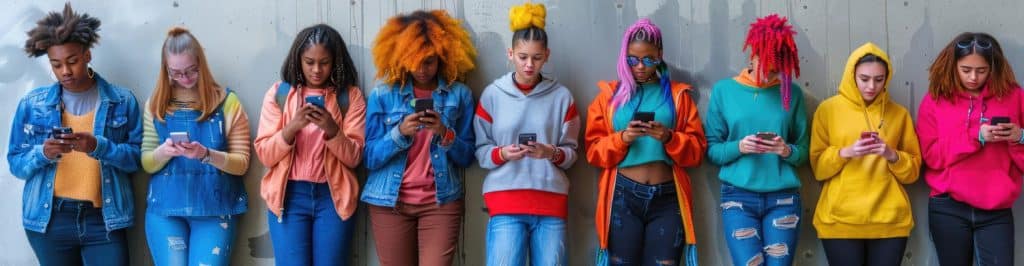
To truly stay up-to-date with Gen Z’s vocabulary, it’s essential to not only recognize the terms but to understand their contextual usage and implied meanings. Many popular terms today are more than just simple abbreviations; they often encapsulate complex feelings, situations, or cultural references. This section aims to demystify some of the most prevalent Gen Z slang terms, providing insight into their origins and how they are typically employed in digital conversations.
The fluidity of Gen Z slang means that meanings can shift or evolve, but understanding the core intent behind these words is crucial for effective communication. These terms often reflect current social anxieties, aspirations, and the unique humor of a generation that grew up online.
Current Popular Terms and Their Usage
Here’s a breakdown of some prominent Gen Z slang, illustrating their diverse applications and underlying cultural significance:
- ‘Rizz’: Short for ‘charisma,’ it refers to one’s skill in charming or attracting another person. It can be used as a noun (‘he’s got rizz’) or a verb (‘he’s rizzing her up’).
- ‘Cap’ / ‘No Cap’: ‘Cap’ means to lie or exaggerate. ‘No cap’ means ‘no lie’ or ‘for real,’ emphasizing truthfulness.
- ‘Drip’: Refers to a stylish outfit or overall fashionable appearance. Someone with ‘drip’ is considered very trendy.
- ‘Vibe Check’: An informal assessment of someone’s mood or the general atmosphere of a situation. It can be a question (‘vibe check?’) or an observation.
- ‘Simp’: Describes someone who is overly eager to please another person, often in pursuit of a romantic relationship, sometimes to the detriment of their self-respect.
- ‘Main Character Energy’: The feeling or attitude of being the protagonist of your own life, embracing your uniqueness and enjoying attention.
- ‘Bet’: An affirmation meaning ‘yes,’ ‘okay,’ or ‘I agree,’ often used in response to a plan or suggestion.
These terms rarely exist in isolation; they are often used in conjunction with emojis, GIFs, and other visual cues to enhance their meaning. The context of their usage—whether in a casual text, a TikTok comment, or a meme—is just as important as their dictionary definition. Staying attuned to these nuances allows for a more authentic engagement with Gen Z’s digital language.
By delving into these terms, we gain a clearer picture of how Gen Z communicates, expresses identity, and navigates the complexities of modern social interactions online. This continuous learning process is key to keeping pace with the dynamic nature of internet slang evolution.
The Impact of Slang on Mainstream Language and Culture

The influence of internet slang extends far beyond digital chat rooms and social media feeds; it has undeniably permeated mainstream language and culture. What starts as an obscure term among a niche online community often finds its way into everyday conversations, advertising campaigns, and even traditional media. This cultural diffusion highlights the powerful role of digital communication in shaping contemporary linguistic norms.
The rapid adoption of internet slang by the wider population is a testament to its effectiveness in conveying complex ideas concisely and resonating with a broad audience. It reflects a growing comfort with informal language and a blurring of lines between digital and offline communication styles.
Slang’s Mainstream Integration
The journey of internet slang into the mainstream is multifaceted, touching various aspects of daily life:
- Advertising and Marketing: Brands frequently incorporate popular slang to connect with younger demographics and appear relevant.
- Casual Conversation: Terms like ‘LOL,’ ‘BRB,’ and ‘FOMO’ are now common in spoken English, even among those not actively online.
- Media and Entertainment: TV shows, movies, and news outlets often use or reference internet slang to reflect contemporary culture.
However, this integration is not without its challenges. The ephemeral nature of slang means that terms can quickly become outdated, leading to instances where older generations might use a term incorrectly or long after its peak popularity, sometimes unintentionally creating a generational divide in communication. The humor and irony embedded in many slang terms can also be lost or misinterpreted when taken out of their original context.
Ultimately, the mainstream adoption of internet slang signifies a broader cultural shift towards more fluid and adaptive language use. It underscores how digital interactions are not merely a reflection of society but are actively shaping its linguistic fabric, continuously influencing how we communicate, connect, and understand each other in an increasingly networked world. The ongoing internet slang evolution demonstrates language’s incredible capacity for change.
Navigating the Nuances: Tips for Staying Updated
For anyone looking to effectively communicate across generational divides or simply understand the current digital landscape, staying updated with internet slang is an ongoing process. The dynamic nature of online language means that what’s ‘in’ today might be ‘out’ tomorrow. However, there are practical strategies and approaches that can help individuals, especially those outside of Gen Z, navigate these linguistic nuances and remain current without feeling overwhelmed.
The key lies not in memorizing every single new term, but in developing an awareness of where and how new slang emerges, and understanding the cultural contexts that give these words meaning. It’s about being an active observer and a curious learner in the digital space.
Effective Strategies for Slang Comprehension
Here are some actionable tips to help you stay abreast of the latest internet slang:
- Observe and Listen: Pay attention to how Gen Z communicates on platforms like TikTok, Instagram, and YouTube. Watch popular creators and listen to their casual conversations.
- Context is Key: Instead of looking up every new word, try to infer its meaning from the surrounding conversation or visual cues. Slang often makes more sense in context.
- Use Online Glossaries (with caution): Websites like Urban Dictionary can be helpful, but be aware that definitions can be user-generated and vary in accuracy and tone. Cross-reference if possible.
- Engage with Younger Audiences: If appropriate for your personal or professional life, gently ask younger individuals about terms you don’t understand. Most are happy to explain.
- Embrace the Flow: Accept that you won’t know every term, and that’s okay. The goal is comprehension, not mastery of every single phrase.
It’s important to approach this learning process with an open mind and a sense of curiosity, rather than judgment. The evolution of language is a natural phenomenon, and internet slang is simply a modern manifestation of this continuous change. Attempting to mimic slang without genuine understanding can often come across as inauthentic, so focus on comprehension first.
By adopting these strategies, individuals can confidently navigate the ever-shifting landscape of internet slang, fostering better communication and a deeper appreciation for the vibrant linguistic creativity that defines our digital age. Staying updated isn’t just about learning words; it’s about understanding a culture.
The Future of Internet Slang: Constant Evolution
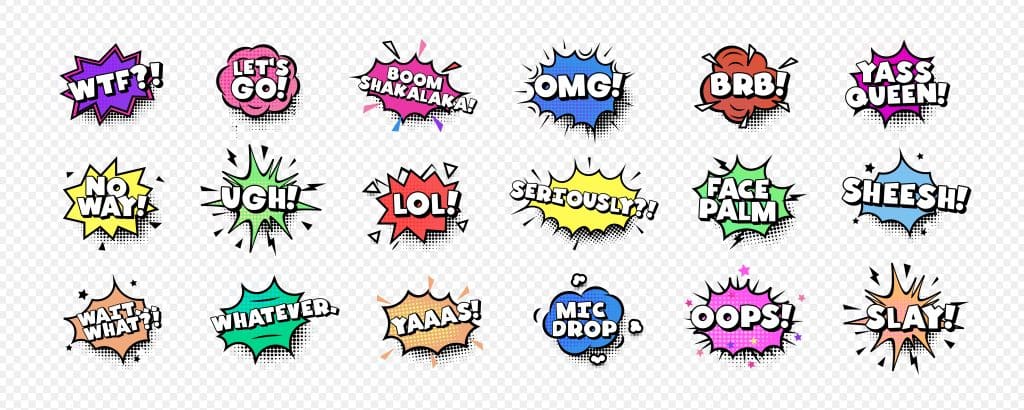
The trajectory of internet slang is one of perpetual motion, a testament to the dynamic nature of digital communication and the human capacity for linguistic innovation. As technology continues to advance and new platforms emerge, so too will the ways in which we interact and the language we use to do so. Predicting the exact forms future slang will take is impossible, but we can anticipate certain trends that will continue to shape its evolution.
The speed at which slang emerges and fades is likely to increase, driven by ever-faster communication channels and the constant demand for novelty. This ongoing transformation ensures that the digital lexicon will remain a vibrant, if sometimes challenging, aspect of modern life.
Anticipated Trends in Slang Development
Several factors are expected to influence the future forms and functions of internet slang:
- Visual and Auditory Dominance: With the rise of video-first platforms, slang will increasingly integrate visual cues, sounds, and short audio clips, moving beyond text-based forms.
- Hyper-Contextualization: Slang may become even more niche, with terms originating and being understood primarily within very specific online communities or subcultures.
- AI Influence: As AI becomes more integrated into communication tools, it could potentially influence slang creation or even help users navigate complex slang dictionaries.
- Global Blending: The global nature of the internet will continue to foster a blending of languages and cultural references, creating a more diverse and hybridized slang.
The continuous feedback loop between technology and language means that each new digital tool or platform will likely spawn its own unique linguistic expressions. The human desire for efficient, expressive, and culturally relevant communication will remain a constant driving force, ensuring that the internet slang evolution never truly ceases. This fluidity means that staying ‘up-to-date’ will always be an active, ongoing effort.
Ultimately, the future of internet slang is a mirror to the future of digital interaction itself: fast-paced, innovative, and constantly redefining the boundaries of how we connect and express ourselves. Embracing this continuous change is key to understanding the evolving linguistic landscape of the 21st century.
| Key Aspect | Brief Description |
|---|---|
| Early Origins | Brevity-driven abbreviations from IRC and forums due to technical limits. |
| Social Media Impact | Accelerated slang spread and evolution via viral content and global reach. |
| Gen Z’s Influence | Authenticity, irony, and nuanced meanings shaping contemporary terms. |
| Future Trends | Increased visual/auditory elements, hyper-contextualization, AI influence. |
Frequently Asked Questions About Internet Slang
Internet slang evolves quickly due to fast-paced digital communication, constant exposure to new trends, and the ease of global dissemination through social media. New terms emerge from viral content and subcultures, becoming widely adopted before often being replaced by newer expressions.
While Gen Z is a primary driver of new internet slang, it is not exclusive to them. Older generations often adopt widely used terms, especially those that have become mainstream. However, Gen Z’s slang often has deeper cultural nuances that might be less understood by others.
Focus on understanding the context and meaning rather than memorizing terms. Observe how native users (like Gen Z) use slang on social media. Avoid forcing slang into conversations where it doesn’t fit naturally. Authenticity comes from genuine comprehension and appropriate usage.
Slang is informal language specific to a group or period, often used for identity or humor, and can cross into mainstream. Jargon is specialized vocabulary used within a particular profession or field, primarily for precise communication among experts, and is generally not for wider adoption.
No, internet slang is unlikely to replace formal language. While it influences everyday communication and adds richness, formal language retains its crucial role in professional, academic, and official settings, where clarity, precision, and adherence to established rules are paramount for effective communication.
Conclusion
The journey through the internet slang evolution reveals a dynamic linguistic landscape, constantly shaped by technological advancements and cultural shifts. From the practical abbreviations of early online forums to the nuanced, ironically charged vocabulary of Gen Z, digital language continues to adapt and reflect the times. Staying updated with these ever-changing terms is not merely about understanding popular phrases; it’s about comprehending the complex ways in which generations communicate, build communities, and express identity in a hyper-connected world. As the digital realm continues to expand, so too will our language, ensuring that the lexicon of the internet remains a vibrant and ever-fascinating field of study.